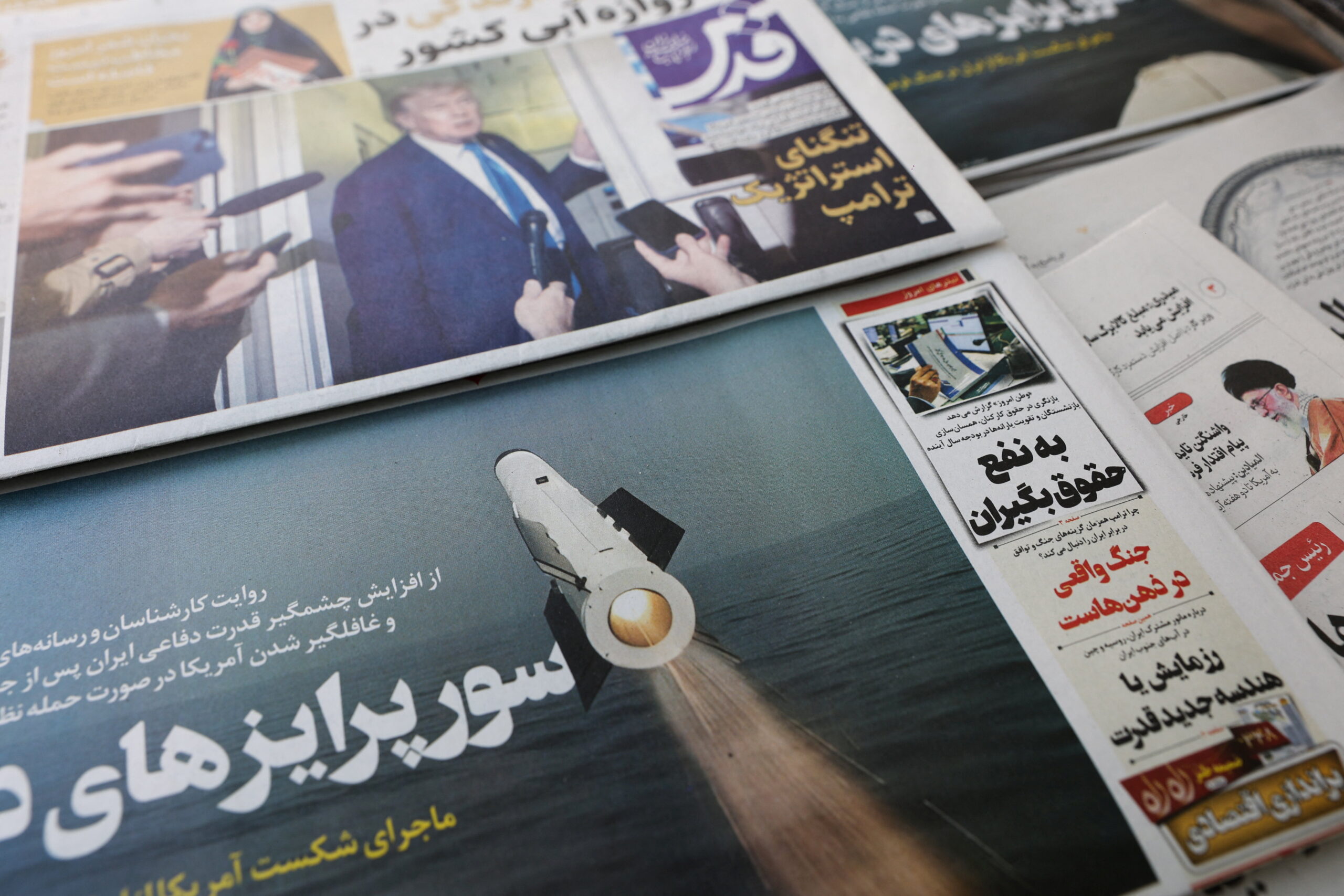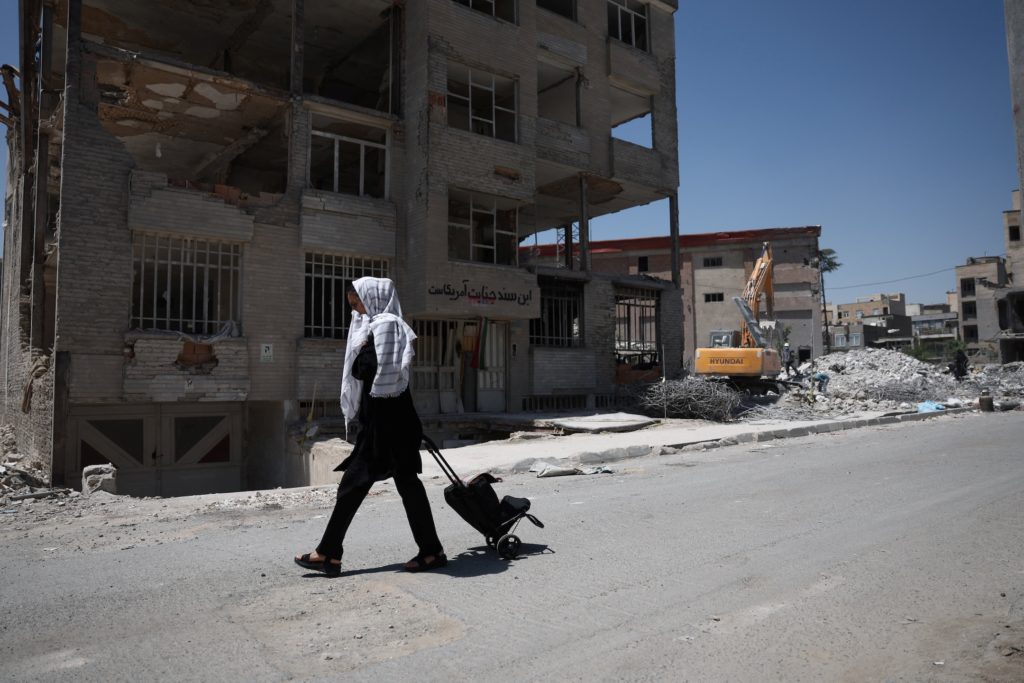
To discuss the latest developments in the conflict between the U.S. and Iran, Amna Nawaz spoke with Joel Rayburn and Suzanne Maloney. Rayburn is a retired Army colonel and is now at the Hudson Institute. Maloney served in the State Department during the George W. Bush administration and is now at the Brookings Institution. Notice: Transcripts are machine and human generated and lightly edited for accuracy. They may contain errors.
Amna Nawaz:
For perspective on all these developments, we get two views.Retired Army Colonel Joel Rayburn served in the first Trump administration on the national security staff with a focus on Iran. He's now at the Hudson Institute. And Suzanne Maloney served on the State Department's policy planning staff during the George W. Bush administration. She's now director of the foreign policy program at the Brookings Institution and focuses on Iran and the Gulf energy economy.Welcome to you both.And, Suzanne, kick us off here.You saw the president cancel strikes on Iran just hours after threatening more. He now says a deal is approved. Do you believe him?
Suzanne Maloney, Brookings Institution:
Well, thanks so much.I don't know what to believe at this point. It's been a pRetty wild week. And I think that what we have seen is that there have been negotiations under way for some time. There has been much public talk, particularly by the president, that a deal is near.But I think both sides also believe that the use of force can accelerate the negotiations or amplify their own position in those negotiations. So I would expect that, even if we get to a first phase of any agreement, we're likely to see continued unrest and turmoil and potentially sporadic tit-for-tat exchanges like we have seen over the course of the past week.