“Basically the GPUs ramp up very quickly, they go at nearly full power, and then they all ramp down really quickly,” Blalock says. “It’s that fluctuation that’s the hard part, because the engines or the generation can’t change that fast. Even if you’re grid-tied, the grid does not like that fast of a change.”
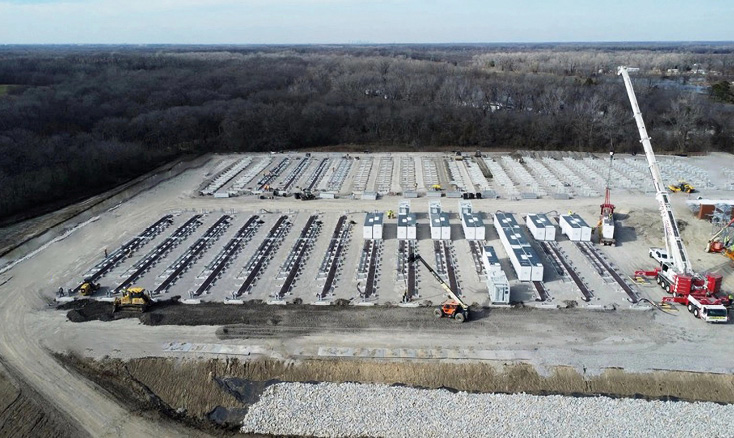
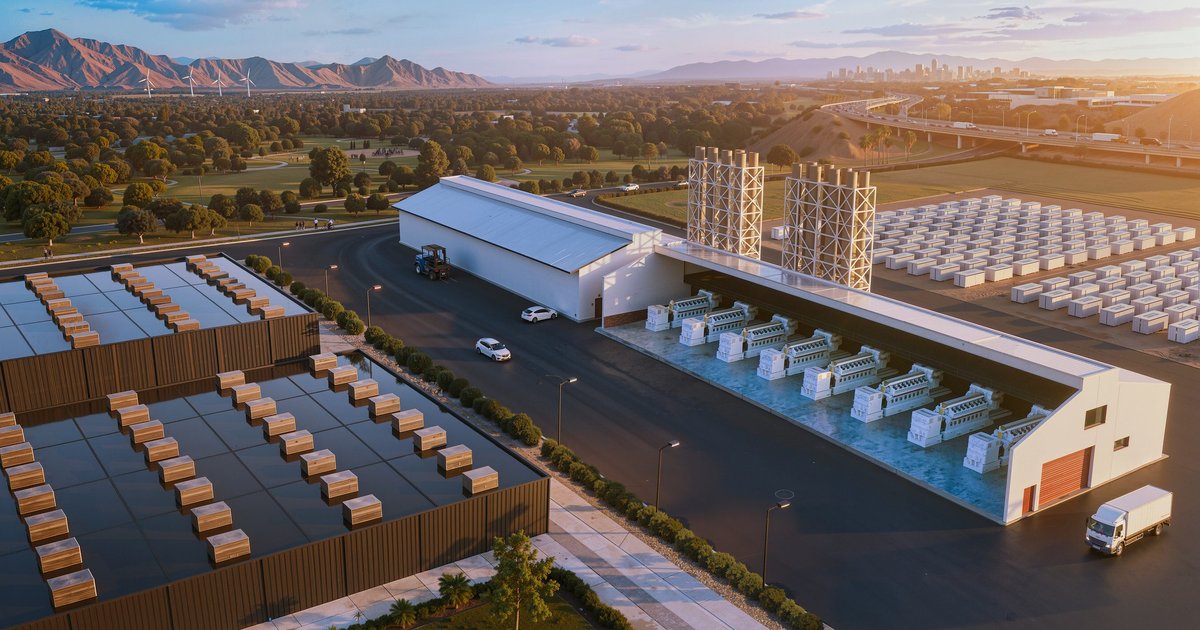
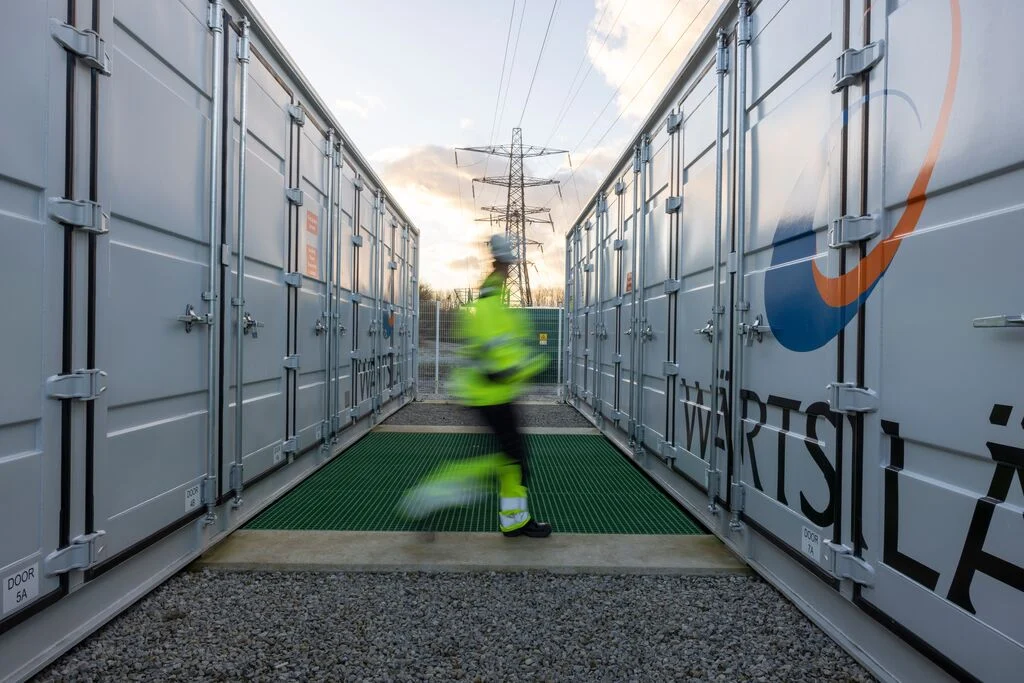
He continues, “That’s where storage comes into play, to smooth that out and basically make it invisible to the grid.” BESS help to protect generation assets from rapid changes that could otherwise damage them.
For traditional grid-tied BESS projects, sizing is fairly straightforward. Developers know their interconnect agreements, their power purchase agreements (PPAs), and can specify exactly how many MWs they need and for what duration.
AI data centres are different. Blalock explains, “With an AI data centre developer, they don’t know that target, and they’re coming to us saying, ‘Tell me how much battery I need.'”
Wärtsilä’s approach starts with the load change. “If it’s going from 20% to 80%, whatever that load change is, start with one-to-one power,” he says. “So, if it’s a 600MW load change that you have to absorb, start with 600MW of batteries. Then for the duration, start from 2-hour.”