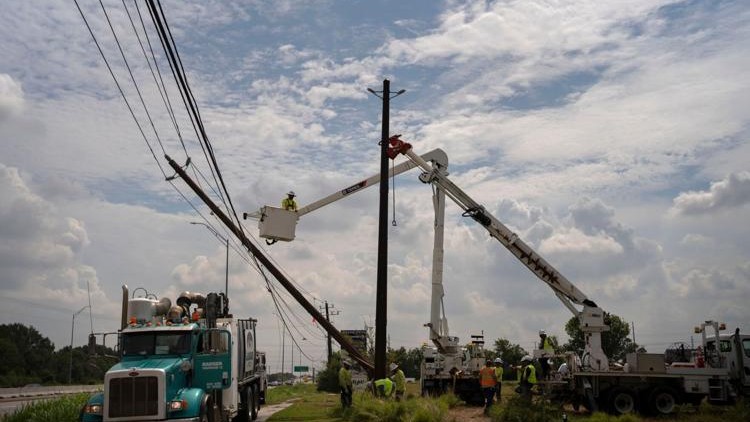
For the data center industry, the power conversation has become brutally simple: demand is ready, but the grid is not.
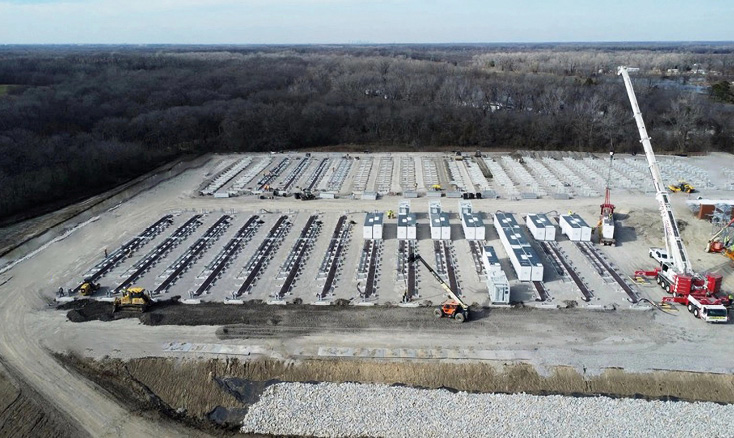
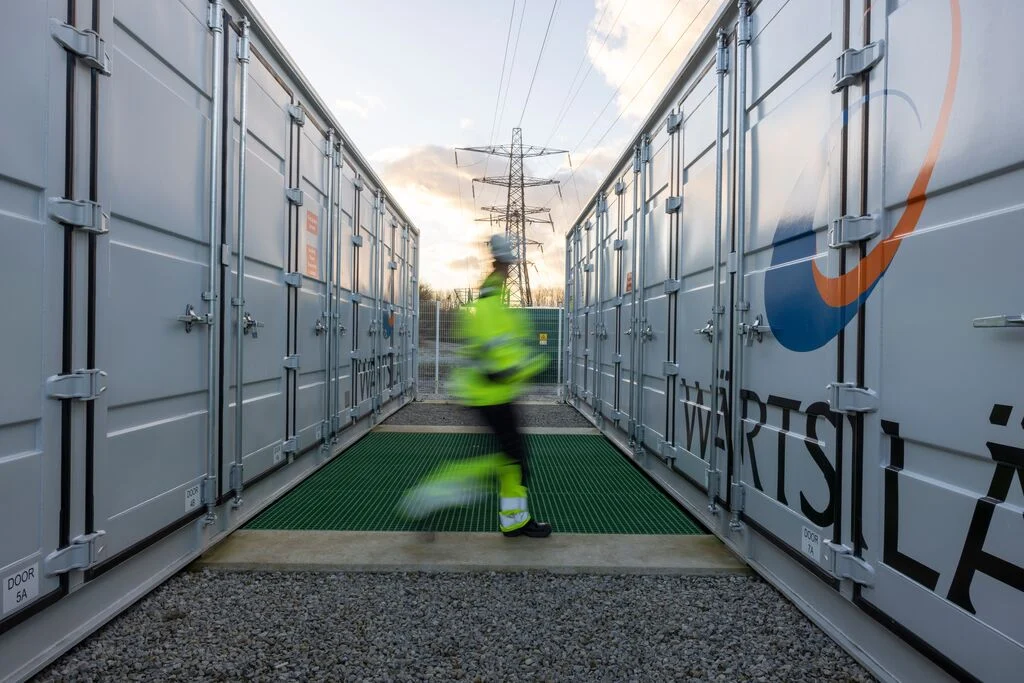
AI has changed the scale, speed, and volatility of data center power requirements. Developers are racing to secure capacity, utilities are working through interconnection backlogs, and operators are trying to protect power-dense facilities from outages, voltage events, and fast load swings. In that environment, battery energy storage systems are no longer a nice-to-have. BESS is becoming core data center infrastructure.
For years, storage was treated as an add-on. It came late in project design and was evaluated mainly through financial optimization: energy shifting, demand charge reduction, or improved renewable economics. Those questions still matter. But they are no longer the main story. For data centers, BESS is increasingly about solving the power bottleneck itself.
The speed-to-power problem
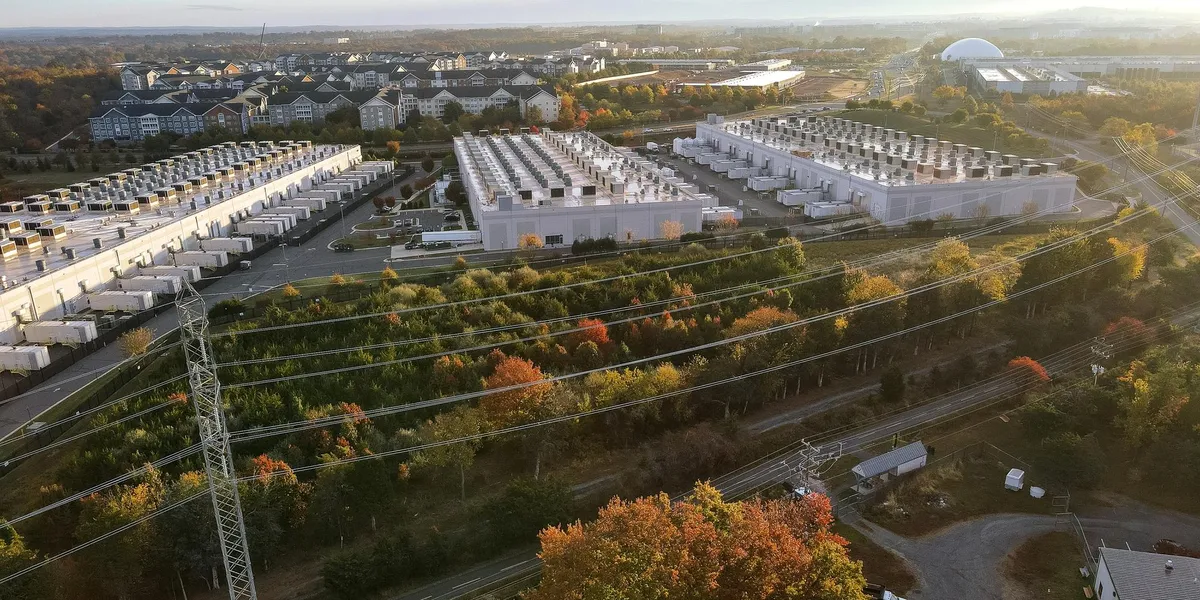
The market is intensely focused on speed-to-power. AI data centers cannot wait years for grid upgrades, new transmission capacity, or perfect interconnection conditions. Until DC power architectures become more common inside the data center, much of the immediate work is happening upstream: securing power, stabilizing it, conditioning it, backing it up, and making the facility look more manageable from the grid’s perspective.