By Olivia Wilkinson and Katherine MarshallJune 12, 2026
Wilkinson is senior fellow at the Faith and Global Health Initiative, Georgetown University Global Health Institute. Marshall is professor of practice at Georgetown University’s School of Foreign Service and senior fellow at the Berkley Center for Religion, Peace, and World Affairs.
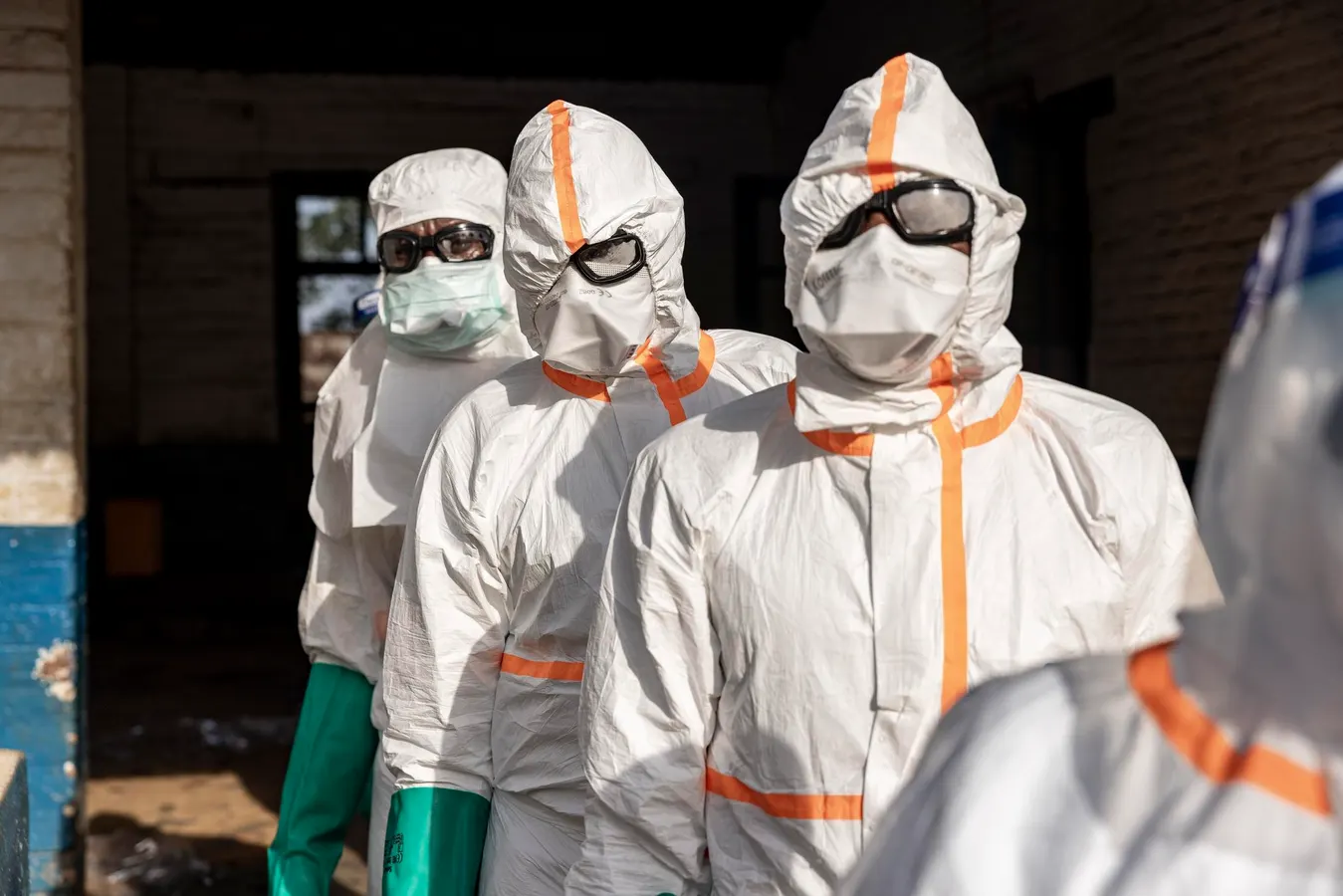
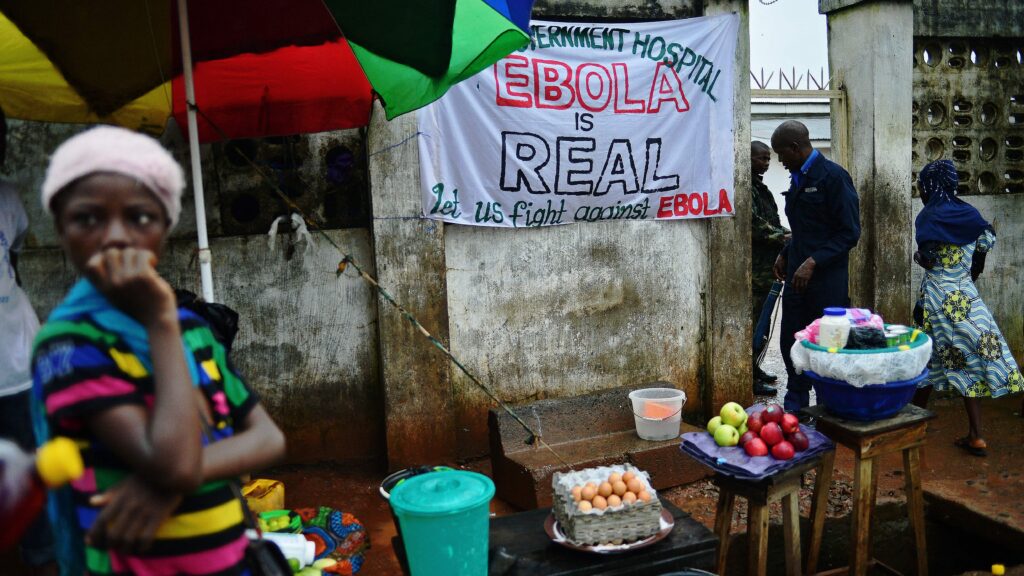
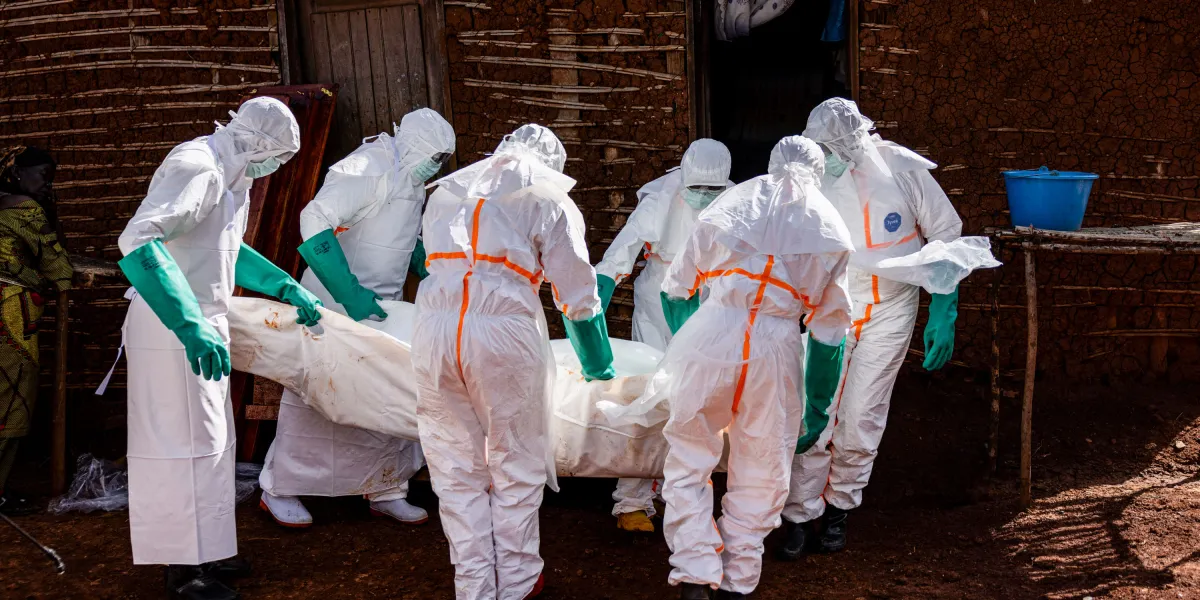
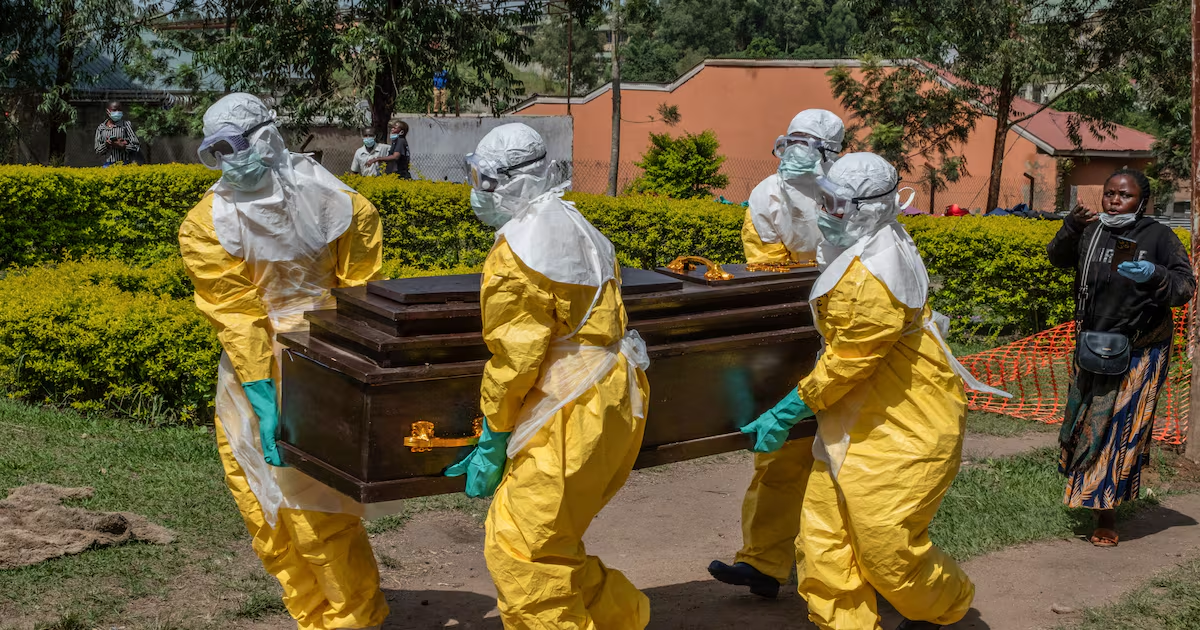
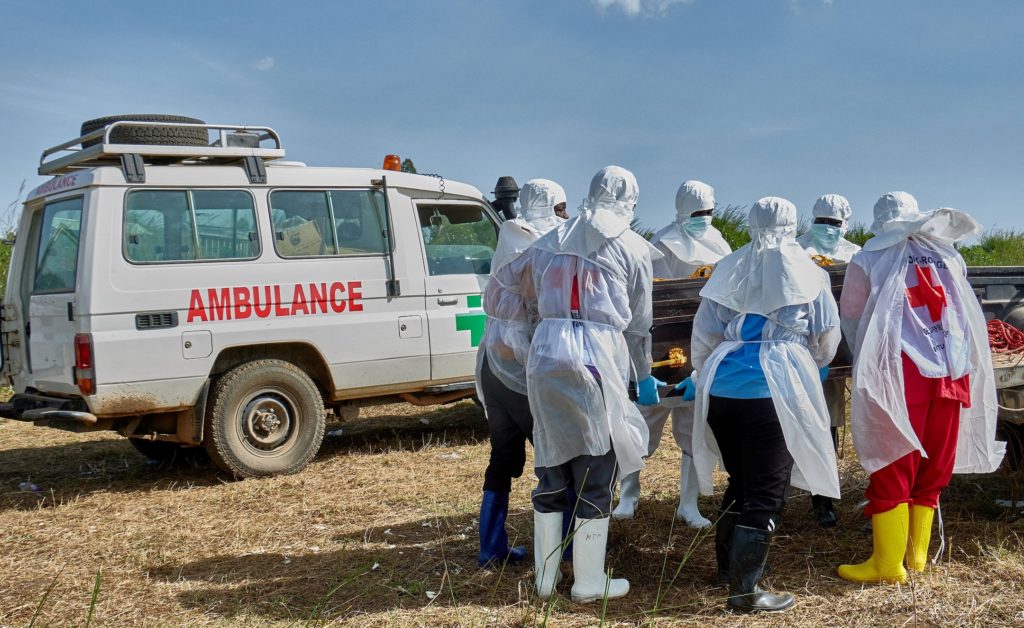
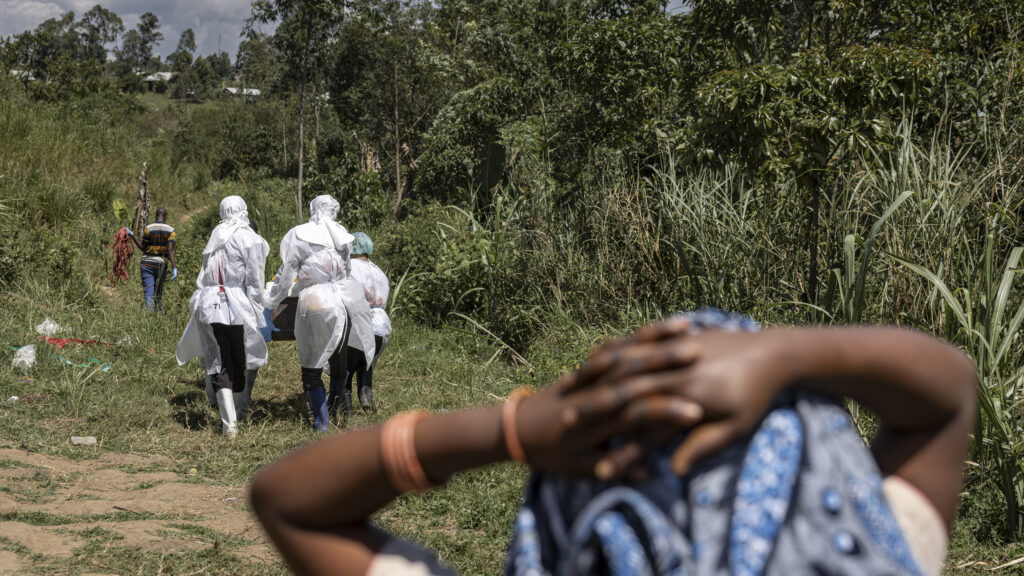
Ebola can be called the disease of compassion: It “spreads through acts of care” like tending to a sick loved one and burying those who died of the disease. It is also a disease in which mistrust, misinformation, and fear run rampant, leading to attacks on health care facilities and frantic efforts to recover bodies of Ebola victims.
Religious and traditional leaders, who oversee burial and funeral rites, are often the most trusted voices in their communities. They need to be engaged immediately as the Ebola outbreak spreads rapidly in the Democratic Republic of the Congo and Uganda.
As researchers on faith and global health, we’ve researched this field for decades and know that failing to engage these key groups in meaningful ways was a grave misstep in previous Ebola outbreaks. The response to Ebola cannot be effective without engaging trusted, local leadership. Religious leadership and religious communities are necessary parts of that response.