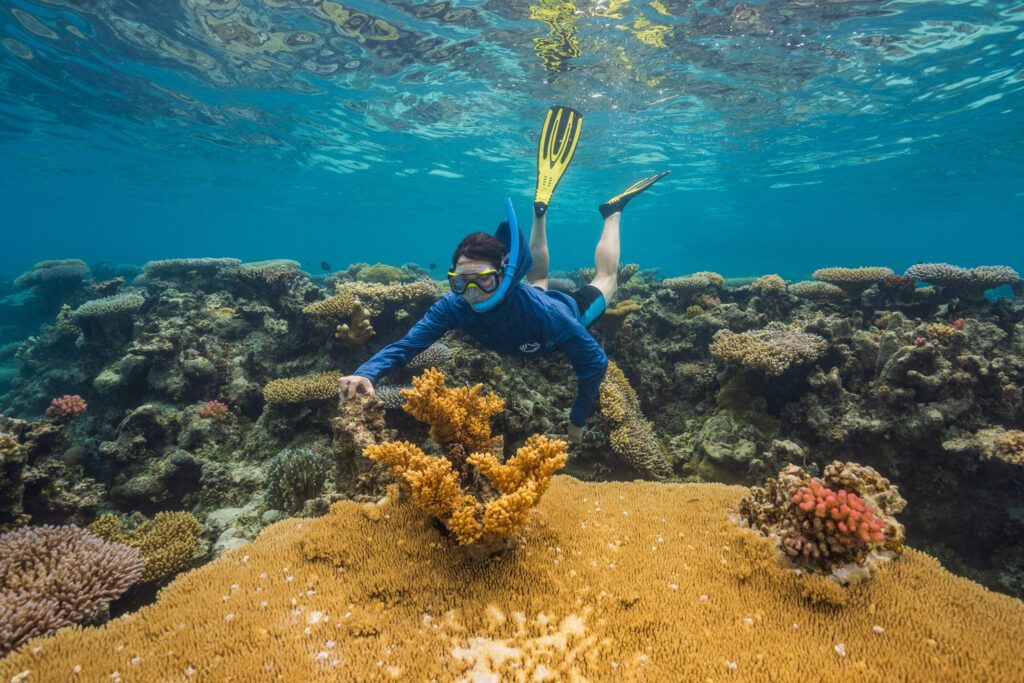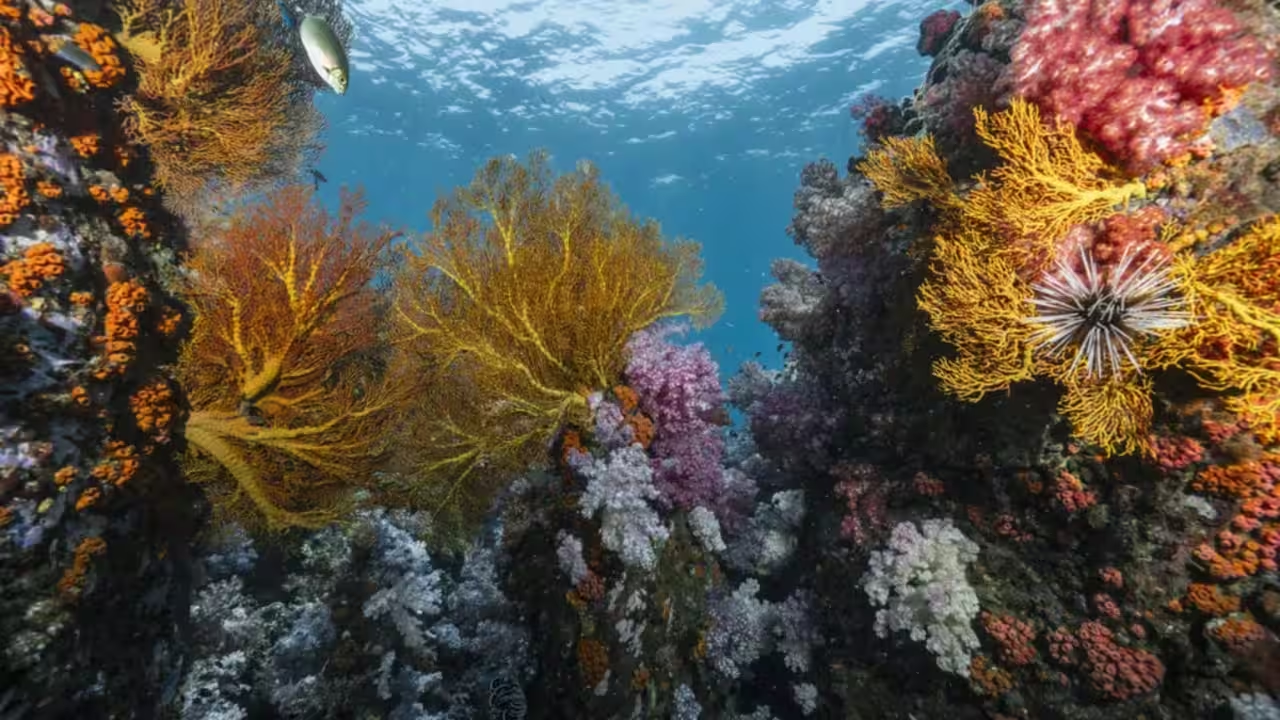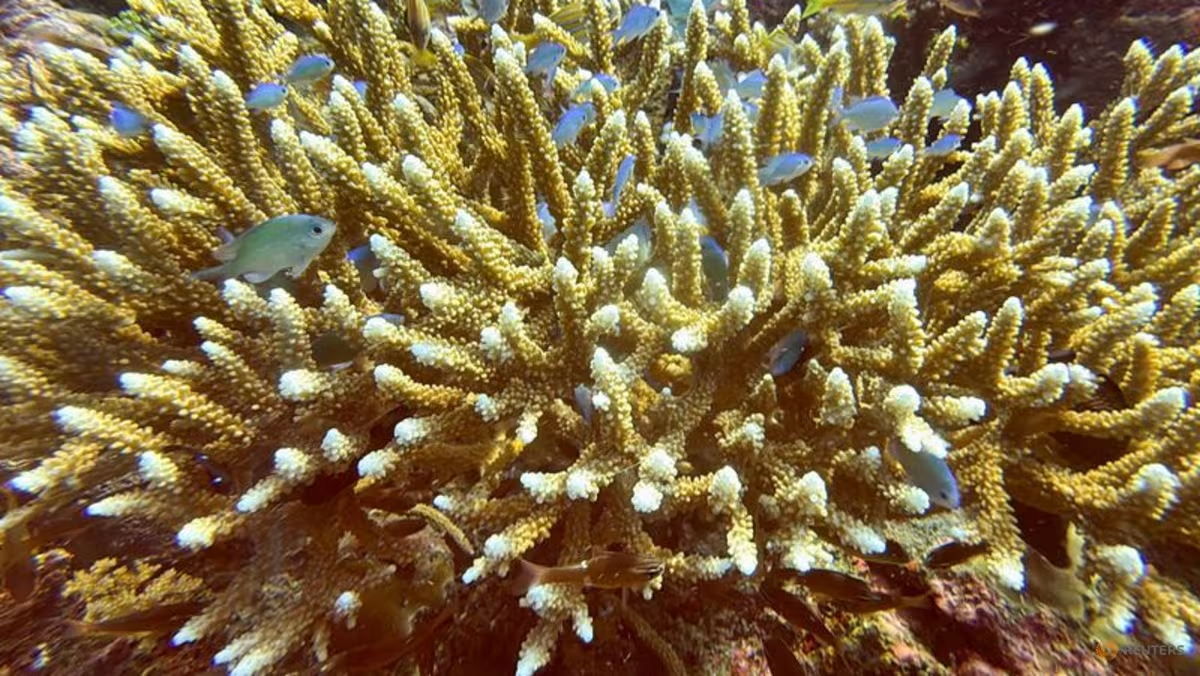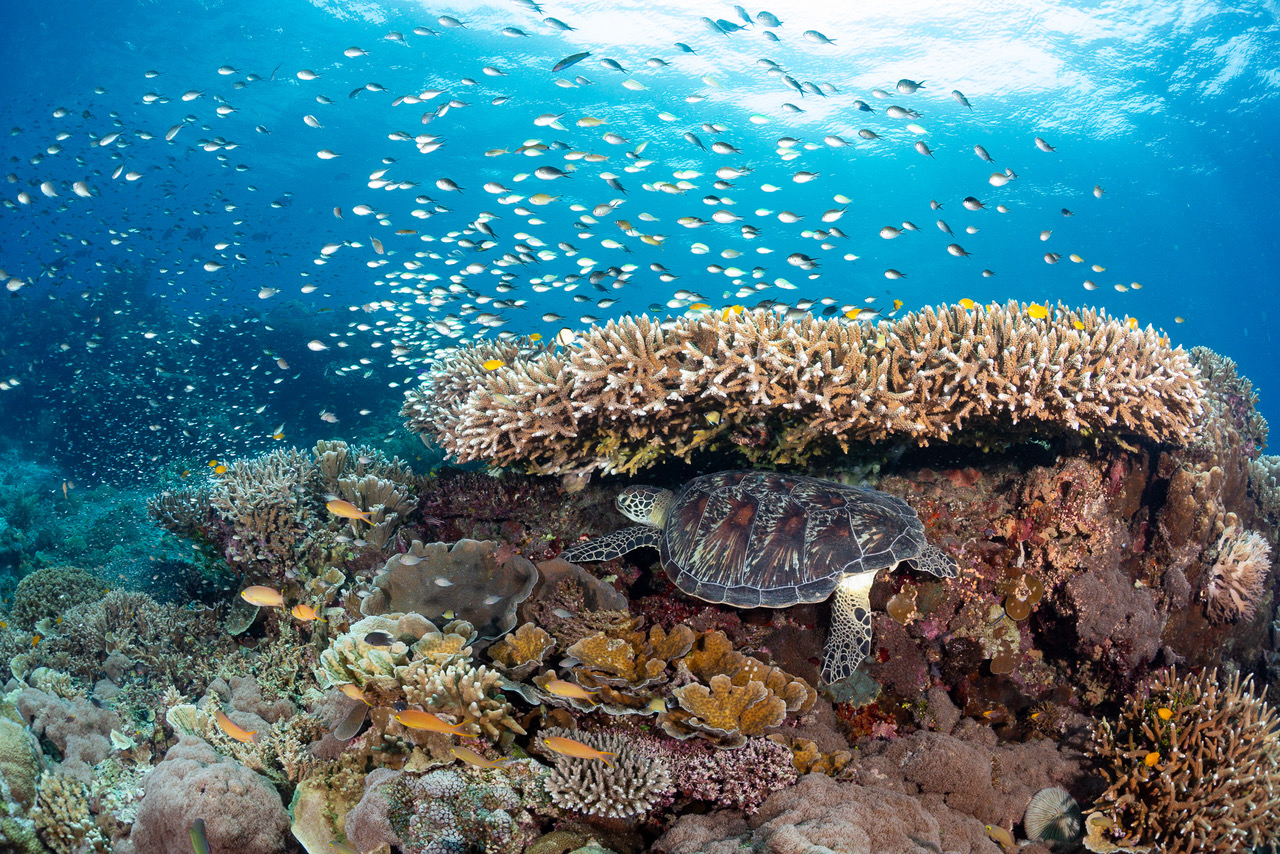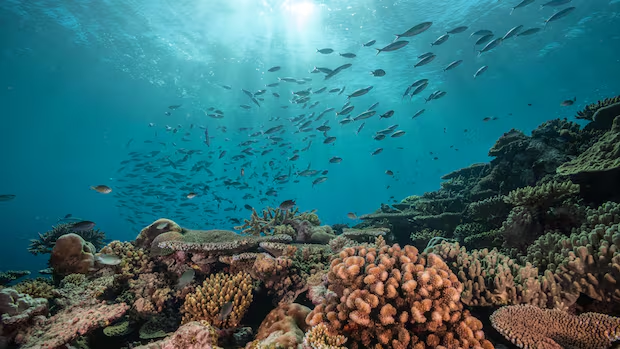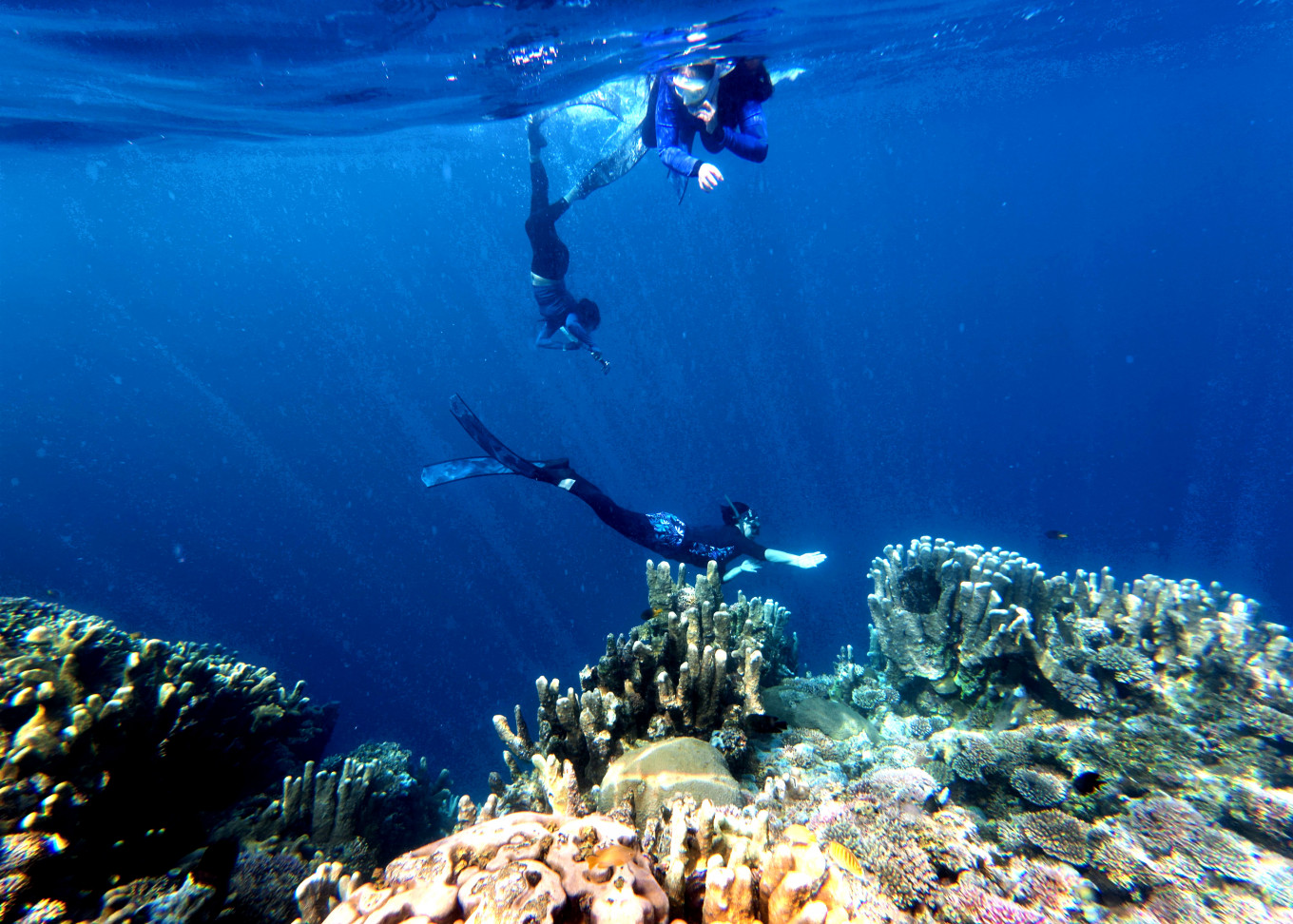
Indonesia is home to the world’s largest and most biodiverse coral reef system, spanning more than 32,000 square kilometers across the archipelago. Just like what is happening globally, these reefs are now bearing the brunt of a warming ocean. Our new study, however, has found that despite rising sea temperatures, coral cover at most of the Indonesian study sites remained remarkably stable over the long term.Our study compiled long-term coral monitoring data from across the country. Spanning from 2004 to 2023, the dataset covers 394 permanent reef sites across 32 locations. This massive effort was made possible primarily through data shared by the National Research and Innovation Agency (BRIN), Yayasan Konservasi Alam Nusantara, Wildlife Conservation Society (WCS) Indonesia, WWF Indonesia and Operation Wallacea.
Out of the 32 locations, 26 showed no significant overall change in hard coral cover, two actually saw an increase and four experienced a decline. Crucially, this stability persisted even as sea surface temperatures rose significantly across every single study location between 1985 and 2023, with the fastest warming occurring in Eastern Indonesia.
While this is undoubtedly good news, it comes with a major warning: Stability does not mean safety. Once heat stress becomes too frequent or too severe, coral loss can accelerate rapidly.