June 3, 2026 | 06:32 pm
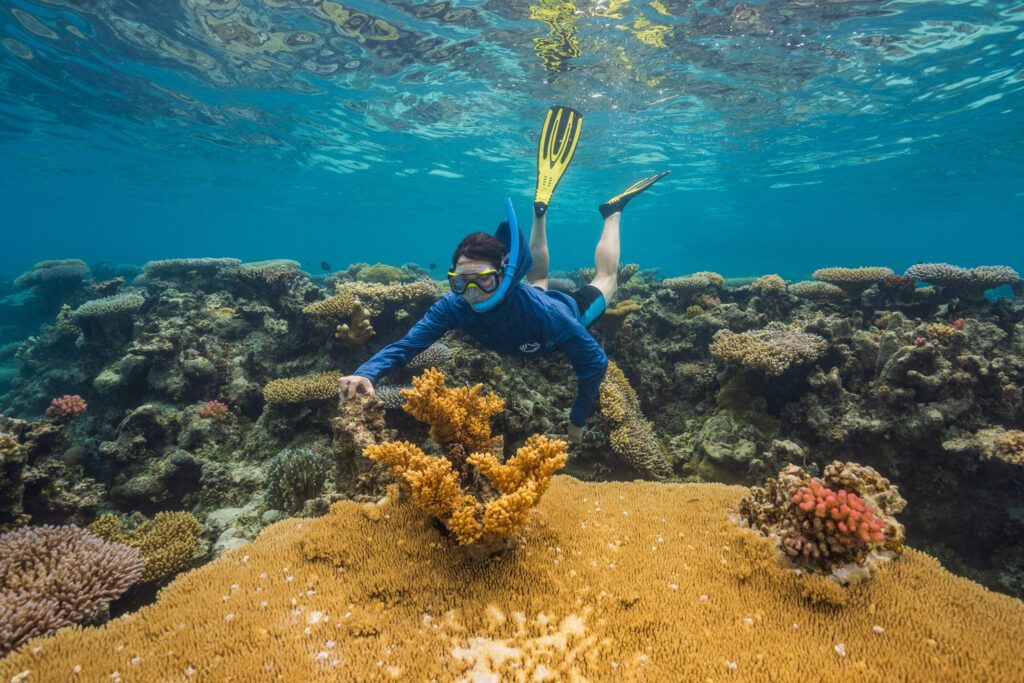
TEMPO.CO, Jakarta - The warming and acidification of seawater due to global warming have affected coral reef populations. Without their supportive structure, coral reefs can no longer shelter small and pelagic fish species.A study published in the Journal of Animal Ecology confirms that fish still behave normally under climate pressure. However, their survival abilities decrease when they lose their shelters and move away from social groups.Marine ecology experts from the University of Adelaide in Australia researched this influence in the waters near the coast of Japan. The area was considered suitable for observing the impact of climate change on coral reefs.One location reflected the current condition of the coral reefs and served as a control site. Another coral reef was located in an area where the water temperature was about one degree Celsius warmer due to the Kuroshio Current.The research team observed a species of small, electric blue fish known as Pomacentrus coelestis, or neon damselfish. These fish live in groups, forage, and move together while keeping an eye out for predators."Watch a reef long enough and you realise that fish are almost never alone. They move in groups, feed in groups, and react to danger as a group," said Angus Mitchell, the lead author of the study, as quoted from a report on Earth on May 25, 2026.According to the researchers, fish that gather in a group provide several benefits for their survival. The more fish there are, the more eyes there are to watch for threats, and the less likely it is for one fish to become a predator's target.Between 2021 and 2024, divers used GoPro cameras to observe the behavior of the fish in the coral reef system. The study covered periods of normal conditions and intense marine heatwaves, including a significant heatwave in 2023.The researchers measured the fish's feeding rates, activity levels, hiding behavior, and proximity to shelter. They also tested the initiation distance of fleeing, which measures how close a threat can approach before the fish flees.To understand the complexity of the habitat, the team also calculated the fish population, took plankton samples, and measured the height of coral reef vegetation. "Fish in bigger groups tend to be bolder. They forage more efficiently, stay out in the open more, and spend less time hiding," said Mitchell.Read: Besides El Nino, What Else Is Warming the Ocean?Click here to get the latest news updates from Tempo on Google News