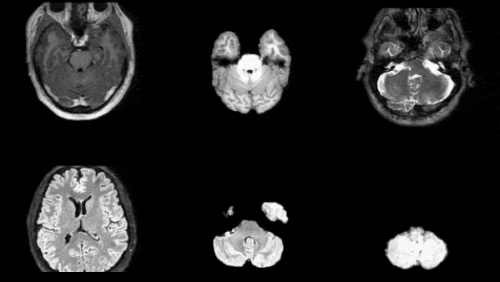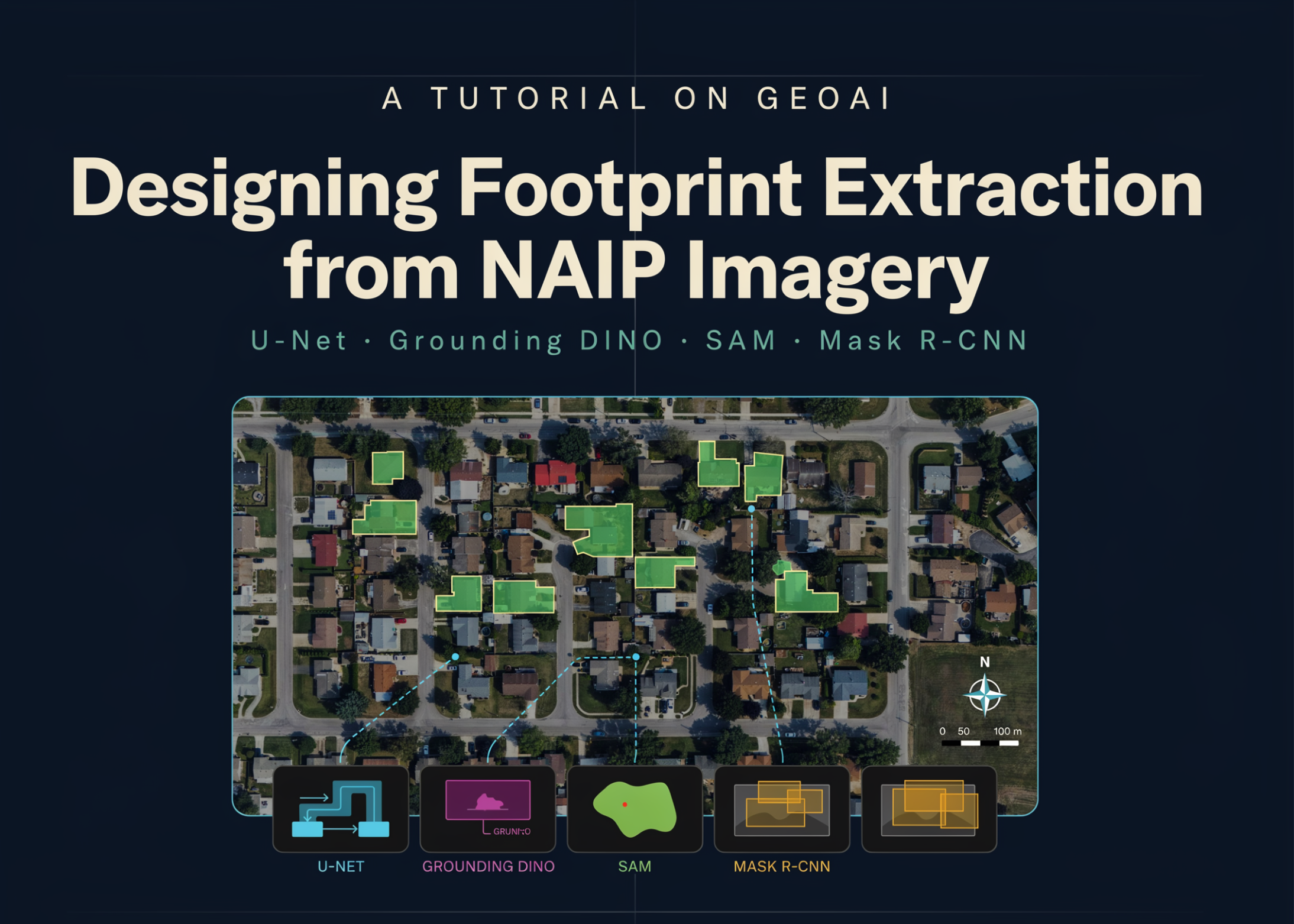
In this tutorial, we build an end-to-end 3D medical image segmentation pipeline using MONAI to segment the spleen on the Medical Segmentation Decathlon Task09 dataset. We work with volumetric CT scans, apply medical imaging transformations such as orientation alignment, voxel-spacing normalization, intensity windowing, foreground cropping, and patch-based sampling, and then train a 3D UNet model for binary organ segmentation. We also use mixed precision training, DiceCE loss, sliding-window inference, Dice-based validation, and qualitative visualization to understand how the model learns and how its predictions compare with the ground-truth masks. Also, we move from raw medical volumes to a complete train–validate–visualize segmentation system.
!pip install -q "monai[nibabel,tqdm,matplotlib]==1.5.2" 2>/dev/null
import os, time, glob, tempfile, warnings
import numpy as np
import torch