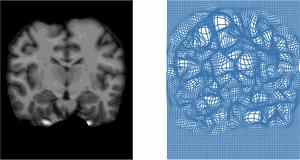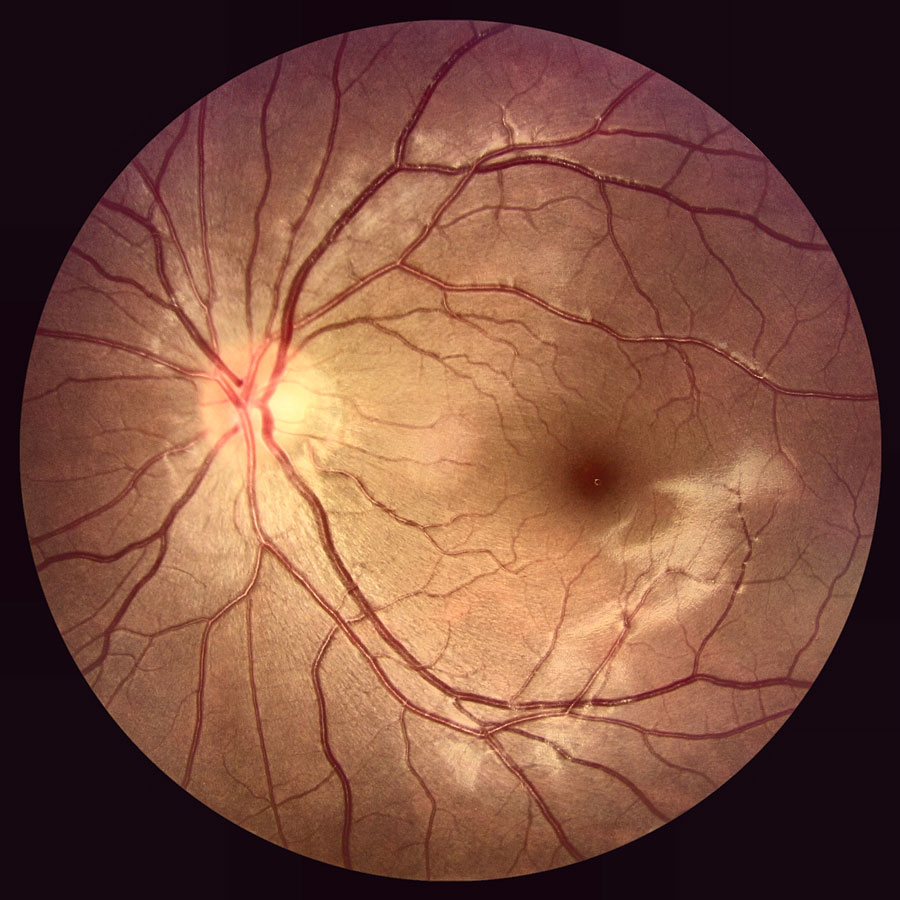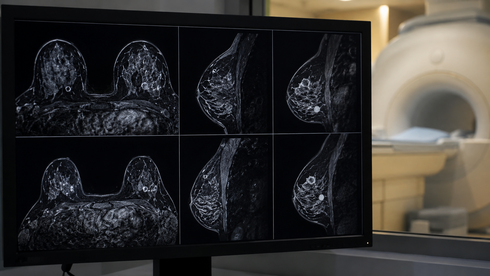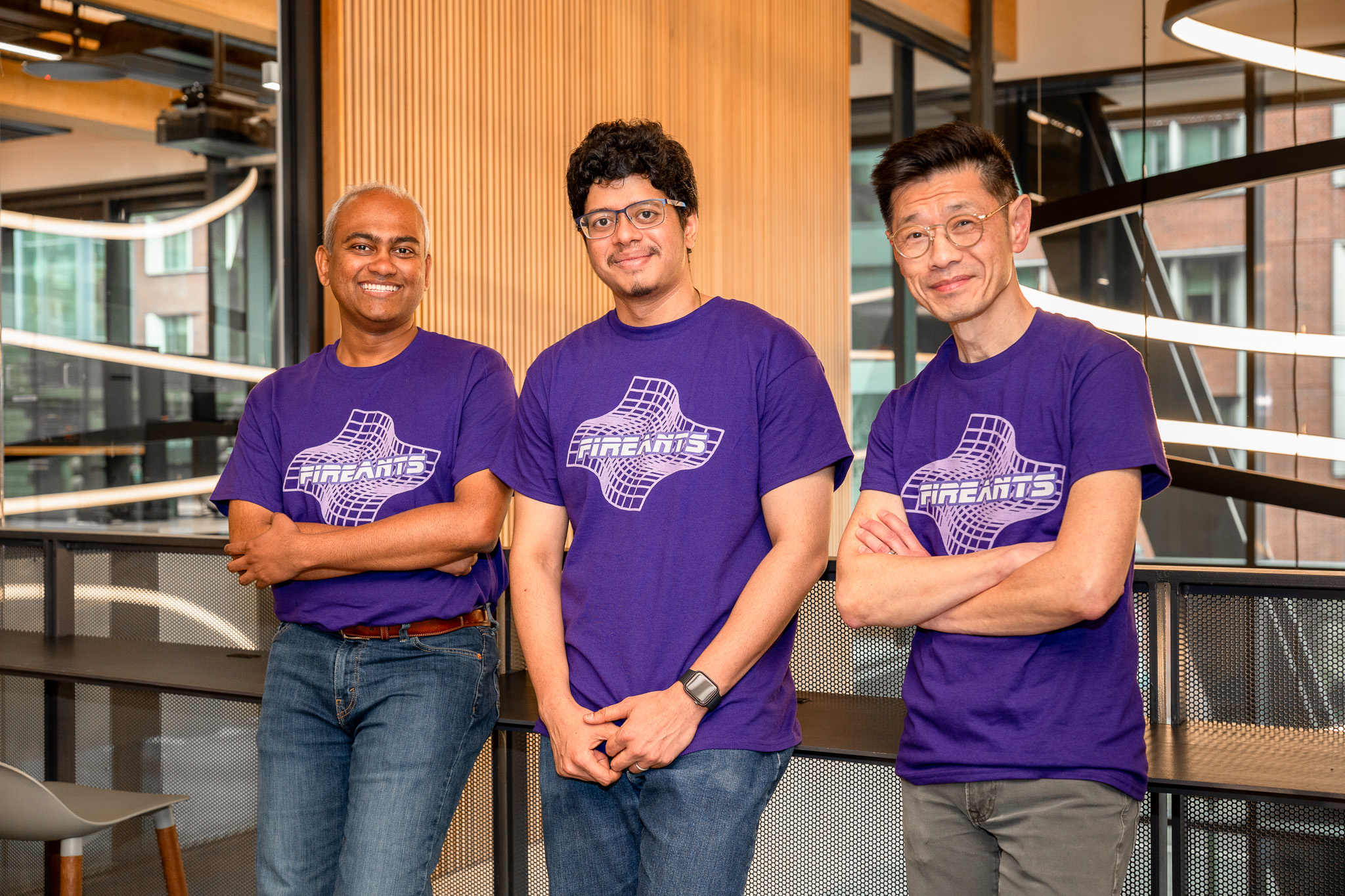
Penn Engineers have developed an open-source algorithm that combines the speed of AI with the precision of geometry to compare complex medical images quickly and accurately, helping detect subtle changes that, over time, can signal disease. In some cases, the new algorithm can accomplish in minutes what would have taken prior techniques an entire week.
Dubbed “FireANTs,” the algorithm operates differently than many AI approaches to analyzing medical images. “Typically, AI systems make predictions based on their training data,” says Pratik Chaudhari, Assistant Professor in Electrical and Systems Engineering and co-senior author of a study in Nature Communications. “FireANTs, by contrast, borrows optimization techniques from modern AI but solves the matching problem mathematically, determining how one image actually corresponds to another without relying too much on guessing based on past examples.”
In tests, the team evaluated FireANTs across over a dozen datasets spanning more than 15,000 image pairs, multiple organ systems, different imaging modalities and various species, showing that the method could generalize across a wide range of imaging challenges.
Because FireANTs operates so quickly — running hundreds to thousands times faster than its predecessor, ANTs, depending upon the problem, with no loss in accuracy — the algorithm could be used not just in medical research, but clinical practice as well.