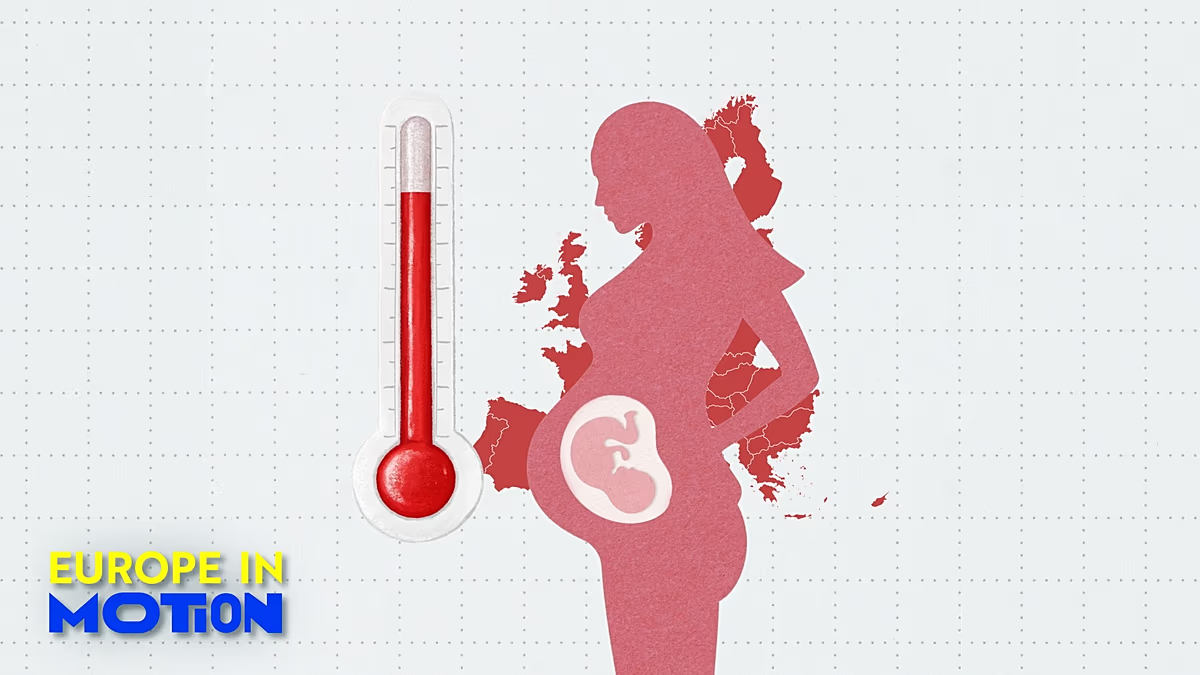
Moderate exposure to cold and heat during early pregnancy may affect fetal development as early as the first trimester, according to a new study led by the Barcelona Institute for Global Health (ISGlobal), a center supported by the "la Caixa" Foundation. The findings, based on two Dutch birth cohorts and published in the International Journal of Epidemiology, suggest that early gestational development may be sensitive to ambient temperature, with potential implications for birth outcomes and long-term health as climate conditions continue to change.
Previous studies have linked exposure to hot or cold temperatures during pregnancy to a higher risk of complications and adverse birth outcomes. However, whether ambient temperature influences development during the earliest stages of pregnancy remains unclear. The first trimester is a critical period, as the baby's organs and the placenta begin to form; alterations during this stage have previously been associated with adverse birth outcomes and with cardiovascular and respiratory conditions later in childhood.
"To evaluate the association between ambient temperature exposure and embryonic and early fetal development, we analyzed data from a Dutch birth cohort, the Generation R Next Study (2017–2021), and replicated the findings in an independent cohort established 15 years earlier, the Generation R Study (2002–2006)," explains Esmée Essers, researcher at ISGlobal and first author of the study.