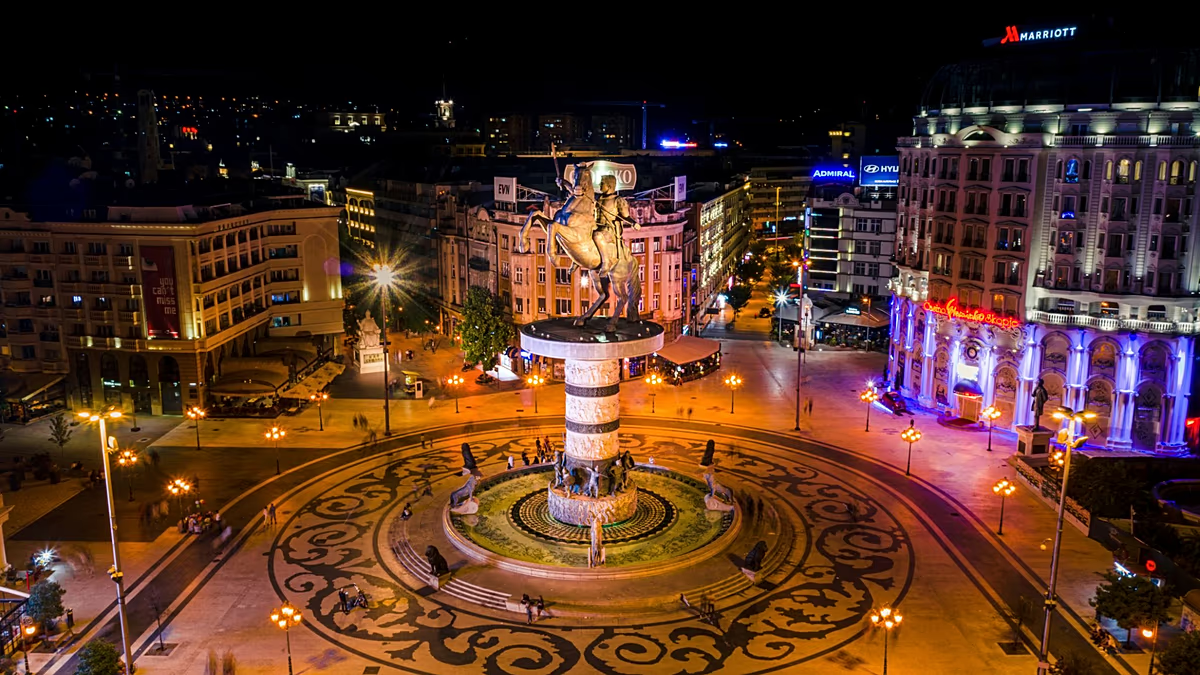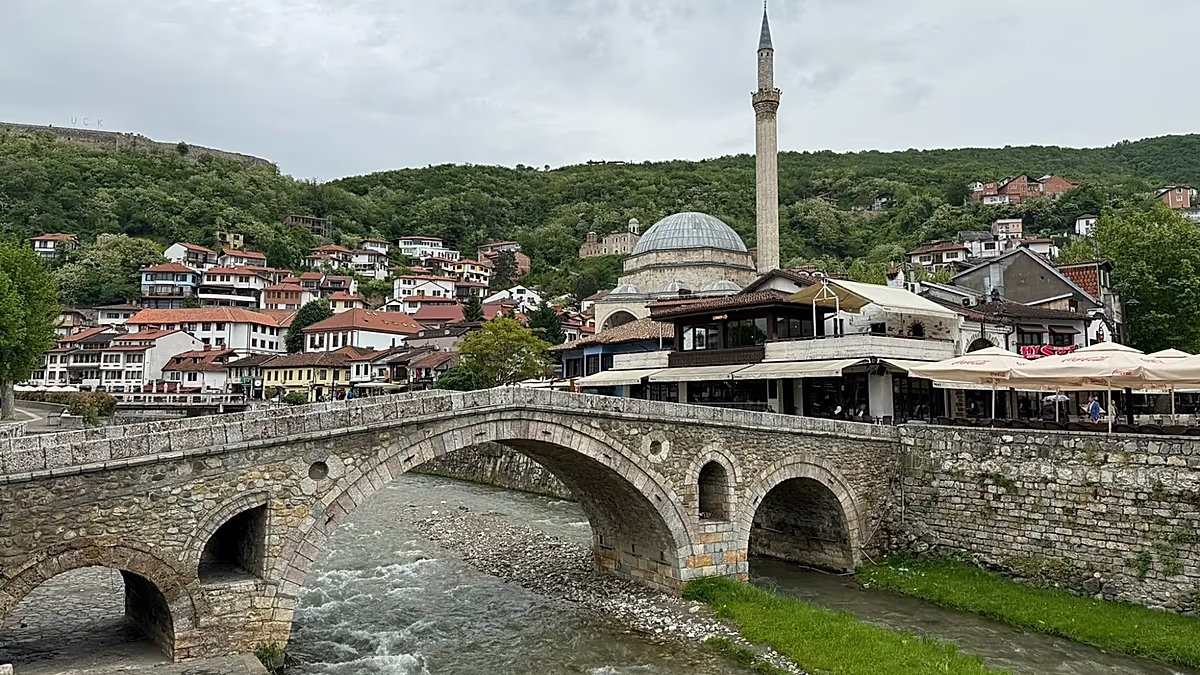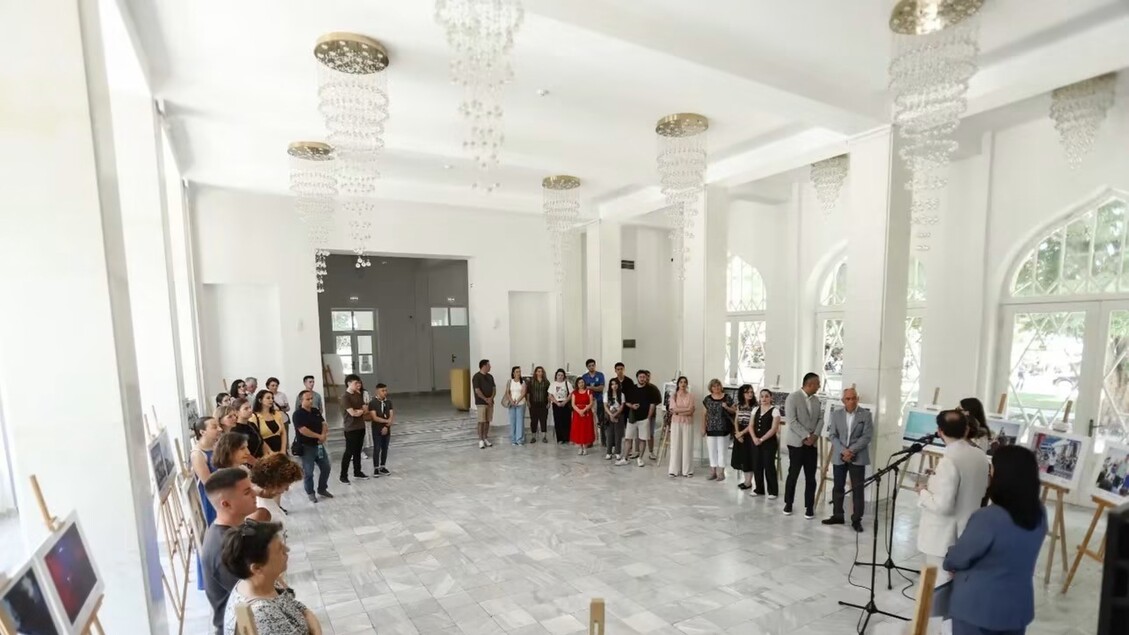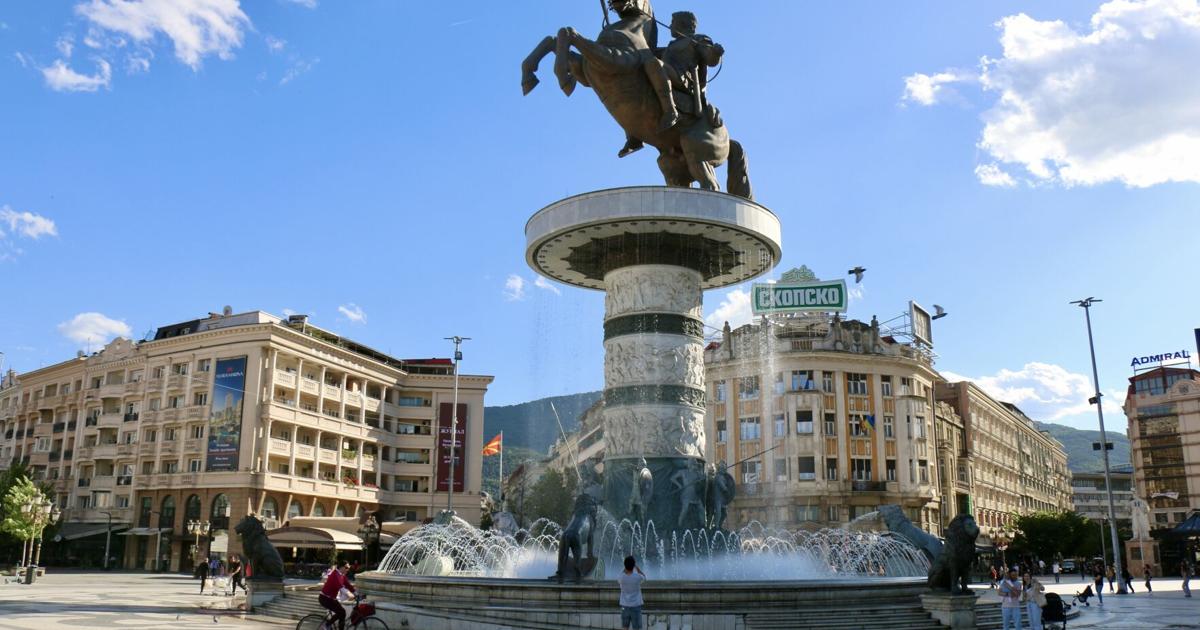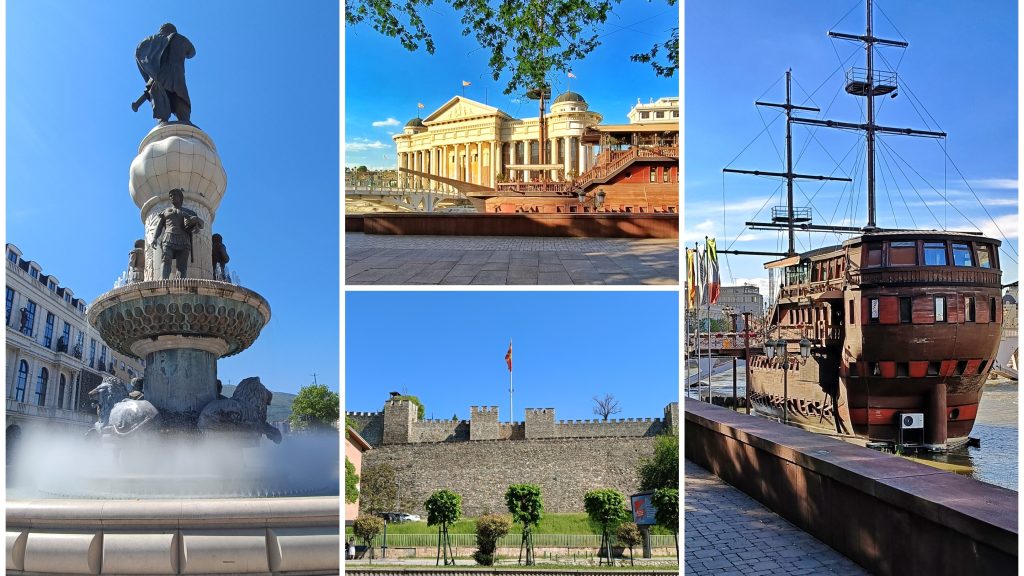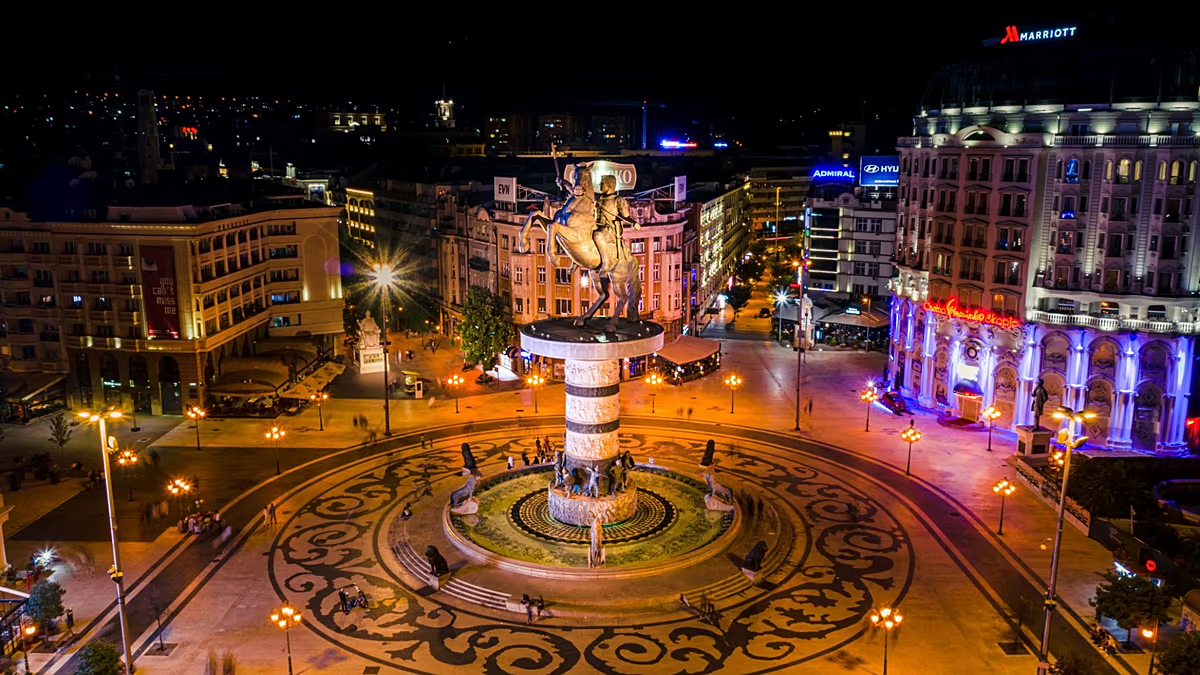
Skopje, North Macedonia’s capital, is a city in a constant state of reinvention.
Found near a seismic fault between the African and Eurasian tectonic plates, major earthquakes razed the city to the ground in 518, 1555, and most recently in 1963.
With more than 80% of the Balkan city destroyed, relief poured in from 78 countries around the globe – including troops from both the United States and the Soviet Union, who met here for the first time since Elbe Day in 1945.
That event gave Skopje one of its nicknames – the city of international solidarity – and you can still see the impact in both its many brutalist buildings and the street names which pay tribute to those involved in the rebuilding effort.
Another seismic shift, this time manmade, hit the city in the 2010s: The Skopje 2014 project.