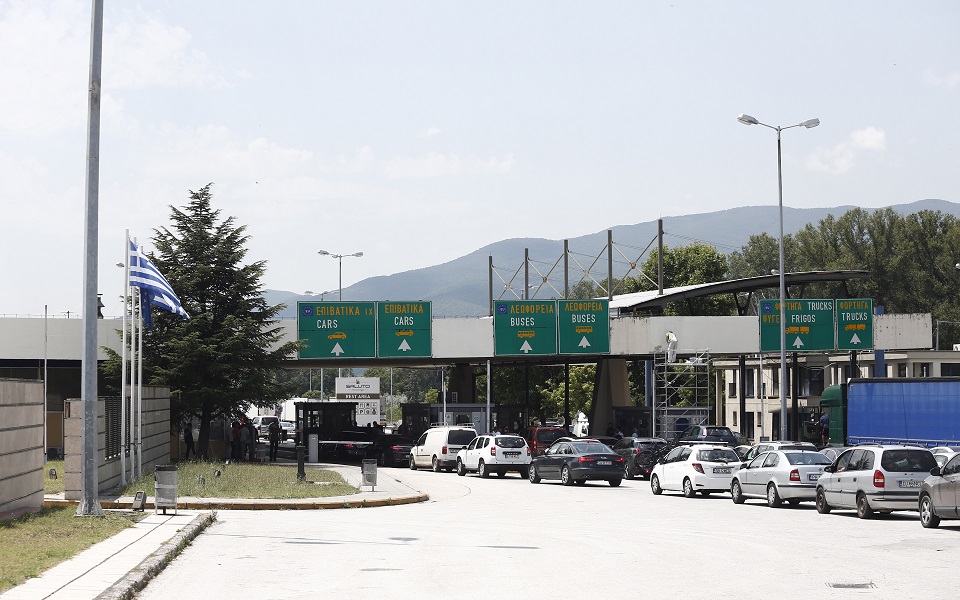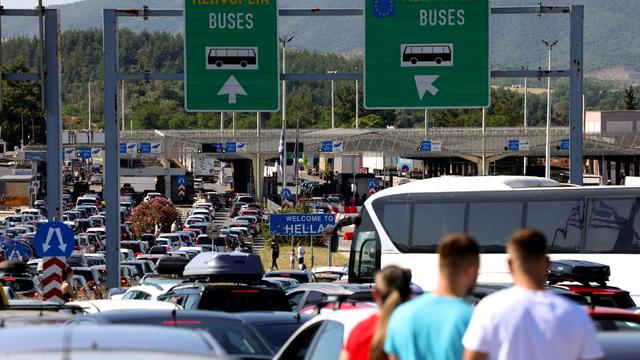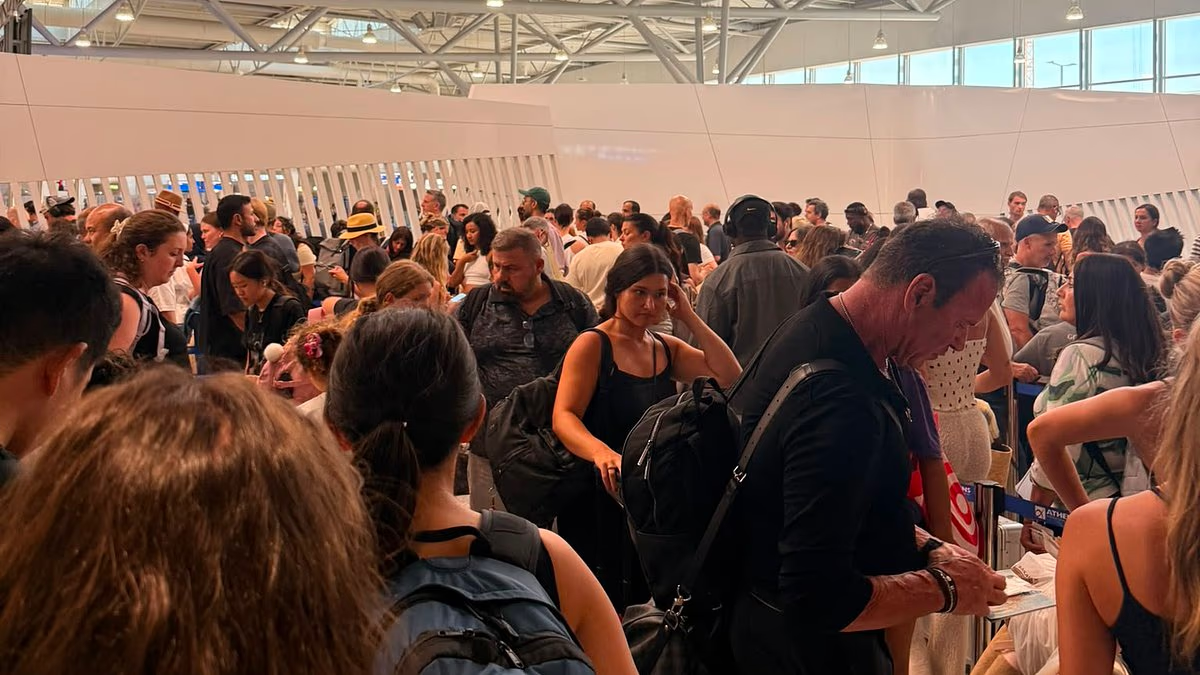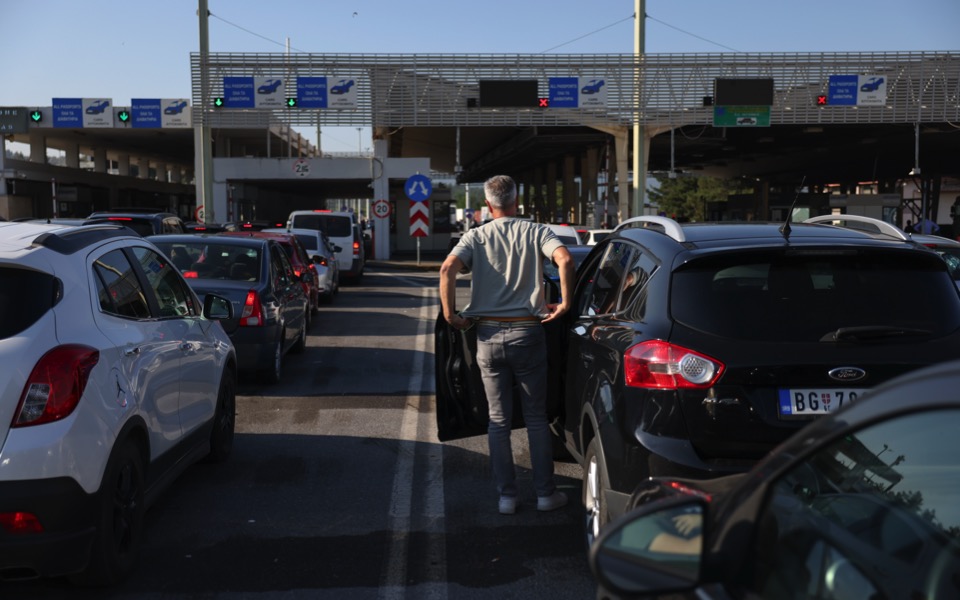
The tourists from the Balkans, still sleepy, have been waiting for hours for their turn at the Evzoni border crossing with North Macedonia. Seeking shade next to the tourist buses, they stand with passports and bottles of water in hand. The tourists, most of them from Serbia, North Macedonia, Kosovo and Montenegro, had set off at dawn from their countries precisely to avoid the long bottlenecks at the Greek border. It was all in vain. It is 8.30 a.m. on a Saturday morning, and a long queue of cars and tourist buses has already formed, reaching as far as the eye can see.
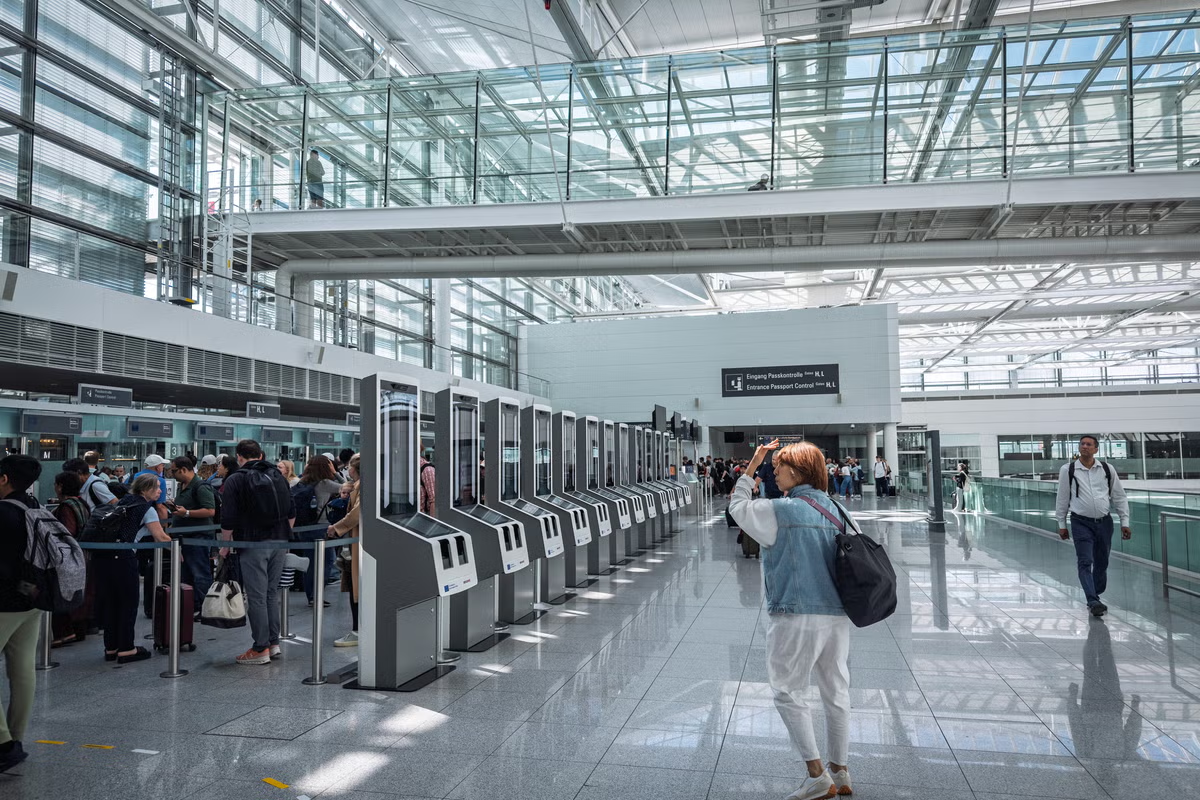
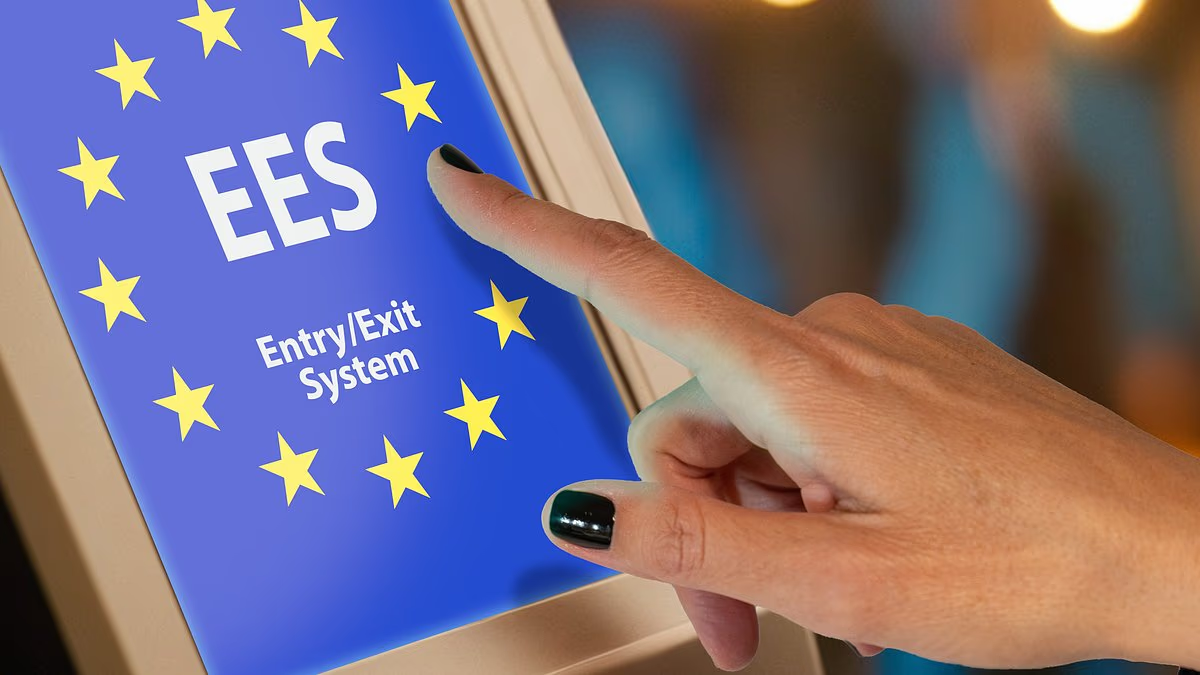
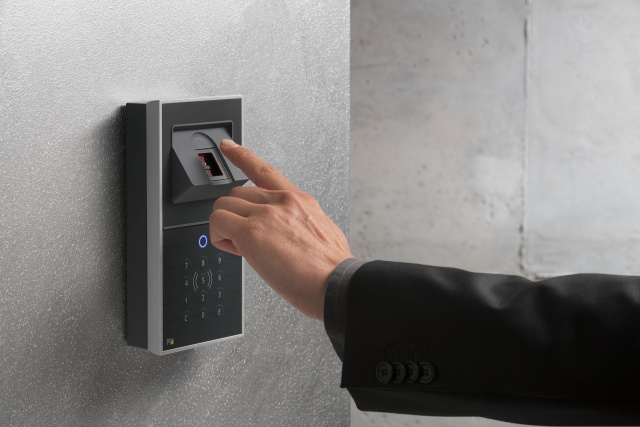
The already long waiting times have skyrocketed in the last month and a half due to the implementation of the new European Union Entry-Exit System (EES), which began operating at Greek airports and other entry points on April 10 as part of a wider European initiative. The system replaces traditional passport stamps with biometric registration based on facial photographs and digital fingerprints for third-country nationals.
At the Evzoni border crossing, this procedure has increased the time of each check from 20-30 seconds to 2-3 minutes for each person.
Sitting on a concrete divider, Boena, a Serbian tourist, has been waiting for more than two hours. She points to the stars on the sign of the European Union, raising an eyebrow. “We are not in the EU. What can we do?” she says bitterly. She has visited Greece every summer for the past 40 years, she says. She is used to the inconvenience at the border, but today, given that it is still early June, it surpasses any previous experience. “We, Serbs, are very angry. It’s not right what’s happening!”