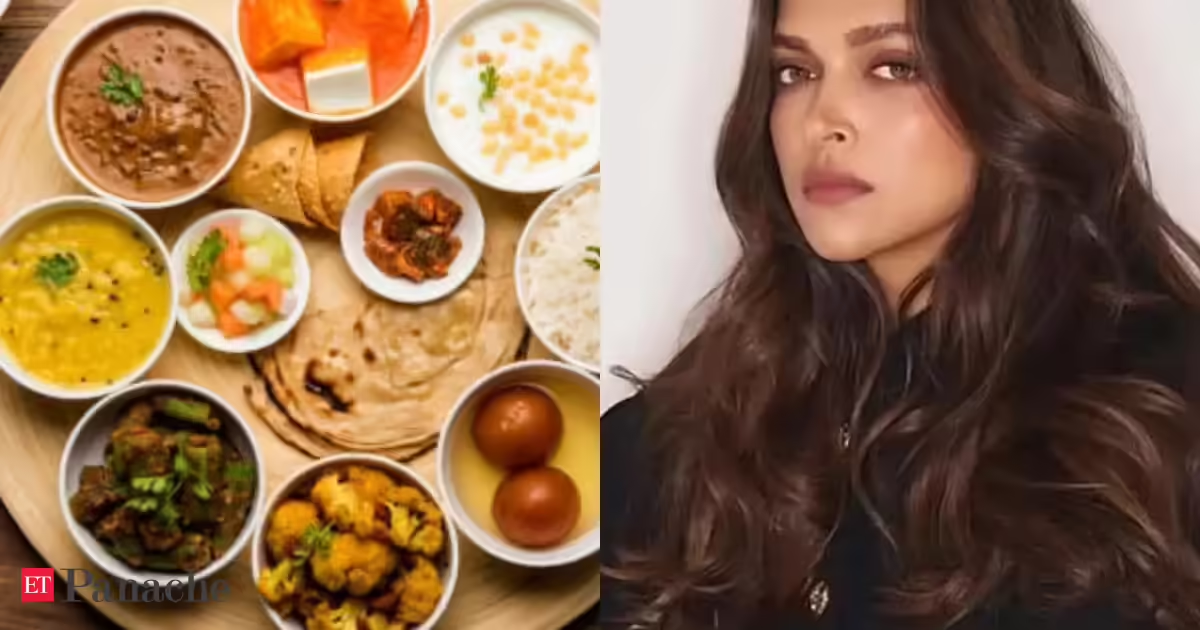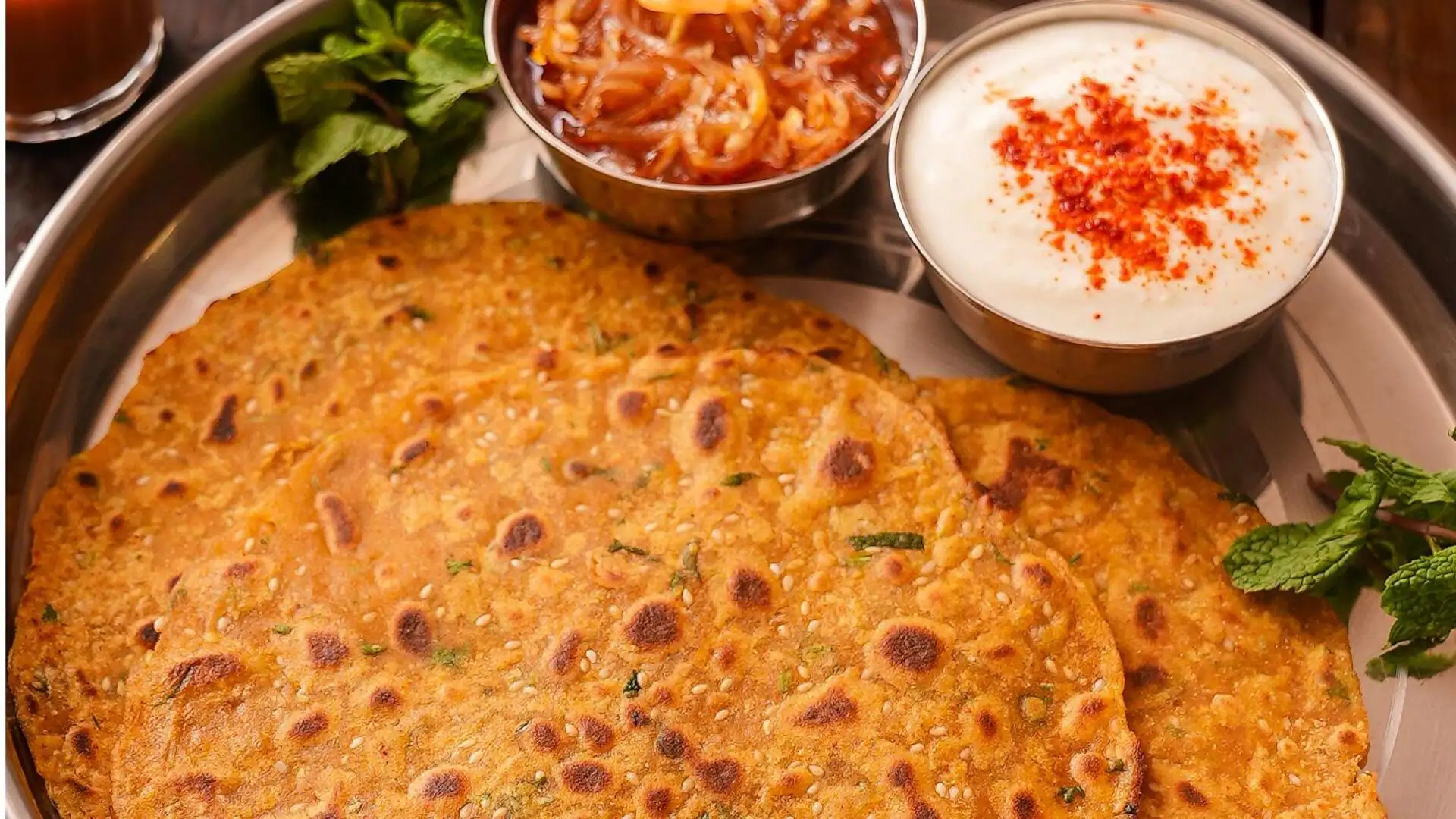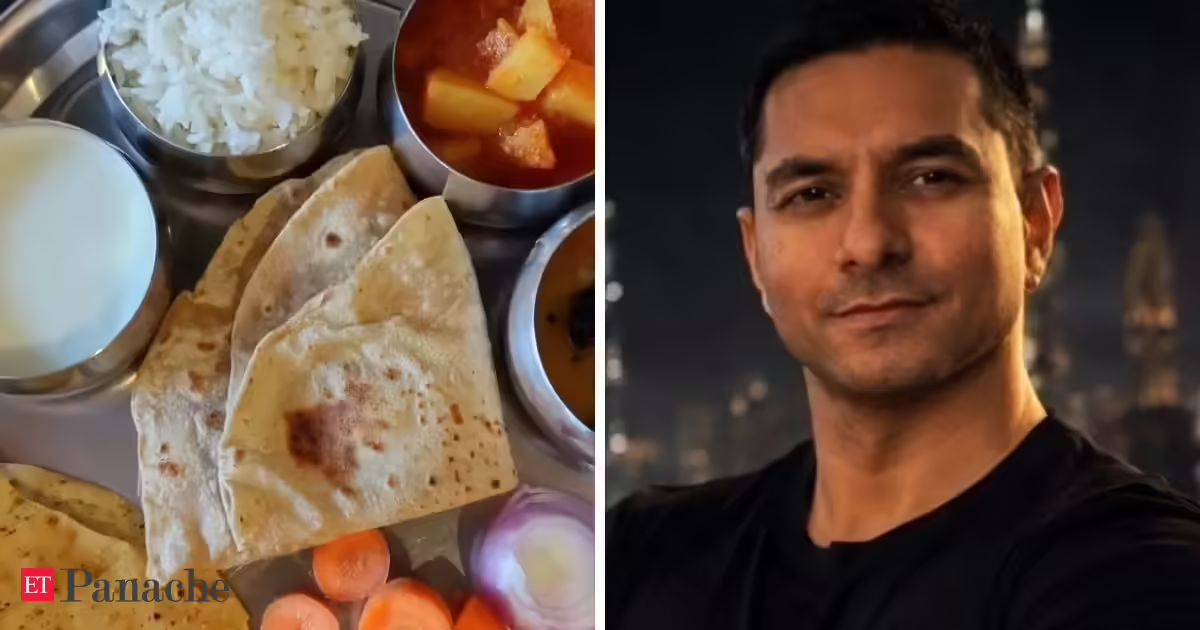
A traditional Indian thali has long been considered one of the most balanced ways to eat, bringing together staples like roti or rice, dal, vegetables, and sometimes curd or other accompaniments on one plate. The idea is simple: combine different food groups to create a wholesome, nourishing meal. But what if the problem is not the thali itself, but the way we build and eat it? In his latest X post, celebrity nutritionist Luke Coutinho suggested that many people may be unknowingly making common mistakes with their thali, from portion balance to food order, potentially leading to health issues despite eating what appears to be a healthy meal.Making carbohydrates the centre of the mealAccording to Coutinho, one of the biggest mistakes people make is turning rice or roti into the main component of the plate while keeping only small portions of dal and vegetables. A traditional thali was never meant to be heavily centred around one food group. When a meal becomes mostly carbohydrates, it can lead to sharper rises in blood sugar and insulin levels. Instead, he suggested thinking of rice or roti as one part of the meal rather than the foundation of it.Depending only on dal for proteinDal is often viewed as the protein source in an Indian meal, but Coutinho pointed out that it should not be looked at in isolation. While dal contains amino acids, it works best nutritionally when paired with cereals such as rice, roti, or millets. The focus, according to him, should be on building a balanced combination rather than assuming one bowl of dal alone meets protein needs.Cutting down on vegetablesTraditional Indian thalis were designed to include more than one type of vegetable, offering a wider mix of fibre, vitamins, minerals, and plant compounds. However, modern eating habits often reduce vegetables to a small side portion or skip them entirely. Coutinho emphasised that vegetables deserve more space on the plate, not less, as they help support digestion, satiety, and overall nutritional balance.Doubling up on rice and rotiHaving both rice and roti in the same meal is common in many households, but Coutinho noted that portion awareness becomes important in such cases. Eating both without adjusting quantities can unintentionally increase the carbohydrate load of the meal. The idea is not necessarily to eliminate one, but to ensure the overall plate remains balanced with enough vegetables and other components.Starting with rice or roti firstThe order in which food is eaten may also matter more than people realise. Coutinho observed that many people immediately begin with rice or roti as soon as the meal arrives. Instead, he recommended starting with vegetables first, moving on to dal and other protein sources, and leaving carbohydrates for later in the meal. This approach may help slow eating and create a more balanced eating pattern.
Is a traditional Indian thali unhealthy? Celebrity nutritionist shares 5 common mistakes people make
Nutritionist Luke Coutinho highlights common errors in preparing and consuming Indian thalis. Many people overemphasize carbohydrates like rice and roti, neglecting vegetables and protein sources like dal. Eating habits such as doubling up on grains or starting with rice can disrupt blood sugar levels. Coutinho advises a balanced approach, prioritizing vegetables and protein before carbohydrates for a healthier meal.
467 words~2 min read