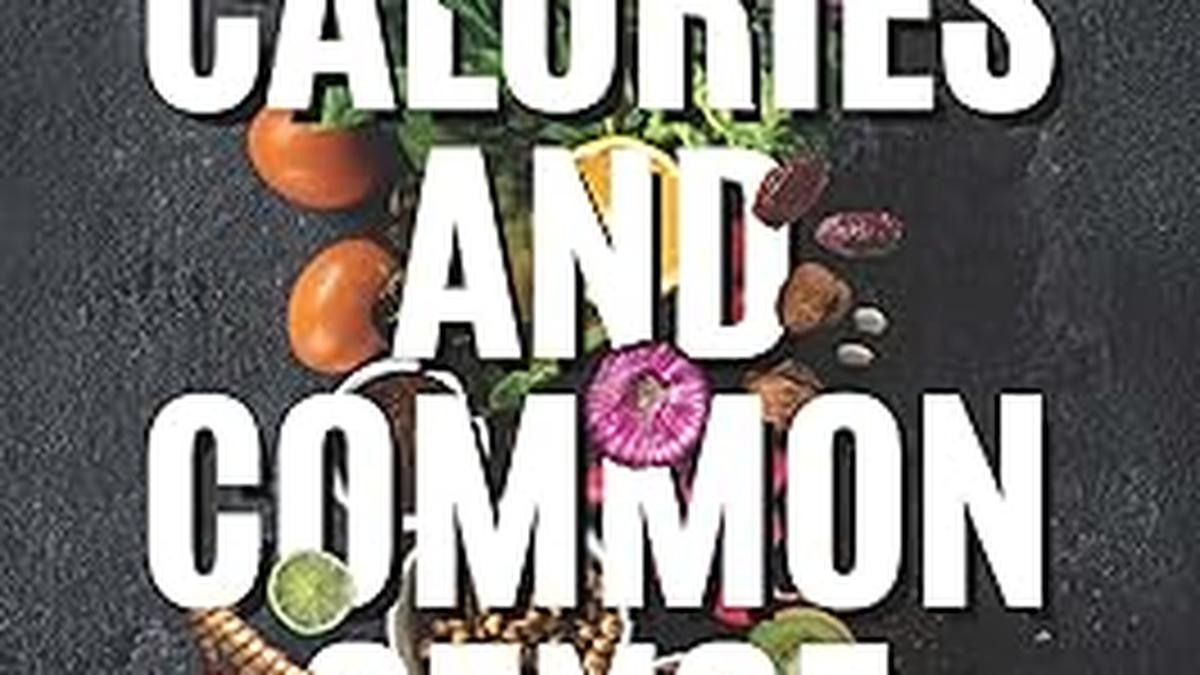
Every few months, people seem to reinvent nutrition certainties, and it almost always seem to run on a panic mode. Rice is bad; Keto is good; supplements are a must to be nutritionally incomplete and protein is suddenly needed in quantities that our grandparents somehow survived without. In an age of nutrition anxiety and ‘expert’ advice at every corner, food has weirdly become complicated. In Smart Calories and Common Sense, Dr Anoop Misra attempts to cut through this noise with an unfashionable message: eat sensibly, eat in moderation and stop overcomplicating food.Misra, a prolific scientist and Padma Shri awardee, currently serving as the Chairman of the Fortic C-Doc Centre in New Delhi, writes with the calm and careful confidence of a clinician who has spent decades watching dietary fads come and go, and who has little patience for the panic that often surrounds what we eat. Written with little to no jargon, the book attempts to explain how certain foods are useful, why certain fears are exaggerated, and why common sense remains one of the best tools we have for eating well.Basic factsEarly on, Misra stuffs dense facts about the basics of nutrition, which may seem like something out of a textbook. But the groundwork is essential and pays off. It seems like he wants readers to understand not merely what to eat, but why certain foods behave the way they do.It is also filled with interesting “easy readings” section -- the sort we are tempted to share with that friend obsessed with the latest health fad. In one such section on protein supplements, while acknowledging their legitimate use in certain deficiencies and conditions, he writes: “Notably, many individuals can meet their protein needs through a balanced diet alone, making supplements unnecessay and potentially, an added expense.” There is something pleasingly iconoclastic about the way Misra happily punctures the inflated language of modern diet culture that often thrives on fear and excesses.Understanding foodElsewhere, he demonstrates how Turmeric becomes 2000-times more beneficial and effective when eaten with pepper. Ragi, one of the often celebrated millet, he says, is rich in calcium despite having a relatively high glycaemic index. He explains how chickpeas eaten with rice can moderate post-meal glucose spikes. Individually, these may sound like the sort of food facts designed for WhatsApp forwards. But Misra uses them to make a larger point: that understanding food matters more than blindly categorising it as “good” or “bad”.He even mounts a spirited defence of mangoes for diabetics, arguing that the fruit’s reputation is often worse than the evidence warrants, backing this with glycaemic data and his own clinical studies. In this, the book emerges as a sane corrective showing that health and nutrition doesn’t have to be complicated or costly.North-centricAt the same time, Smart Calories and Common Sense does occasionally feel a little North Indian in its references, which may leave some South Indian readers (like me) wanting a broader regional spread. And some sections could be a bit more expansive. The section on meats, for instance, is surprisingly brief given Misra’s own observations in the earlier chapter about Vitamin B12 deficiencies among Indians, which is widely present in non-vegetarian foods and according to him, is important for CNS (Central Nervous System) functions also has a significant role in diabetes control.Even then, the book’s value as a dietary handbook still holds. For there is something refreshingly radical today about a doctor telling people to eat simple, balanced food. Not miracle supplements or superfoods -- just your everyday foods, eaten with plenty of vegetables and fruits, but understood properly and eaten proportionally. In a culture increasingly addicted to nutritional shortcuts and wellness theatre, that may be the sanest advice of all.In that, Smart Calories and Common Sense, could serve as a practical guide to nutrition, written for everyday Indian readers – who are simply trying to eat better while facing contradictory advice from every corner -- that the healthiest thing we can do is eat with a little less fear, a little more proportion and a great deal more common sense.
Eating through the noise
Discover sensible eating with Dr. Anoop Misra's guide, "Smart Calories and Common Sense," for a balanced, evidence-based approach to nutrition.
701 words~3 min read