Recently, the 11 member states of the Association of Southeast Asian Nations (ASEAN) adopted a Declaration on the Right to a Safe, Clean, Healthy and Sustainable Environment.This is an important commitment to environmental justice for the 680 million people who call this region home, a new op-ed by the former U.N. special rapporteur on human rights and the environment states, but it needs to begin implementation, he argues.“The next step — implementation — is even more crucial,” he writes. “The ASEAN region faces enormous environmental challenges, and too often governments have failed to protect the human rights of those who are on the frontlines of those challenges.”This article is a commentary. The views expressed are those of the author, not necessarily of Mongabay.
The countries of the Association of Southeast Asian Nations (ASEAN) have made an important commitment to environmental justice for the 680 million people who call this region home. Now comes the hard part: putting it into practice.
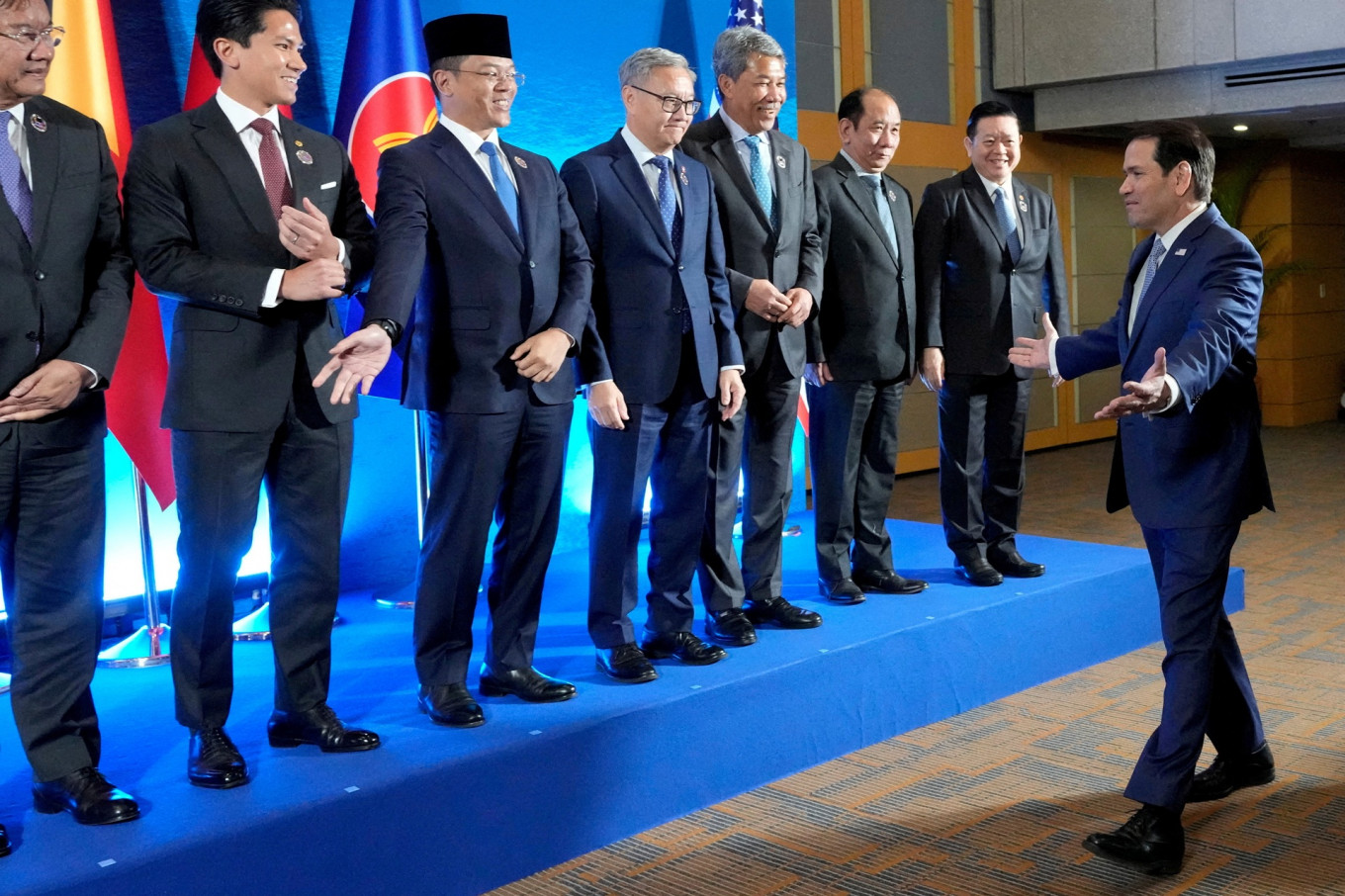
Last October, ASEAN member states — Brunei, Cambodia, Indonesia, Laos, Malaysia, Myanmar, the Philippines, Singapore, Thailand, Timor-Leste, and Vietnam — adopted a Declaration on the Right to a Safe, Clean, Healthy and Sustainable Environment. They are currently in the process of drafting a regional plan of action to give it life.