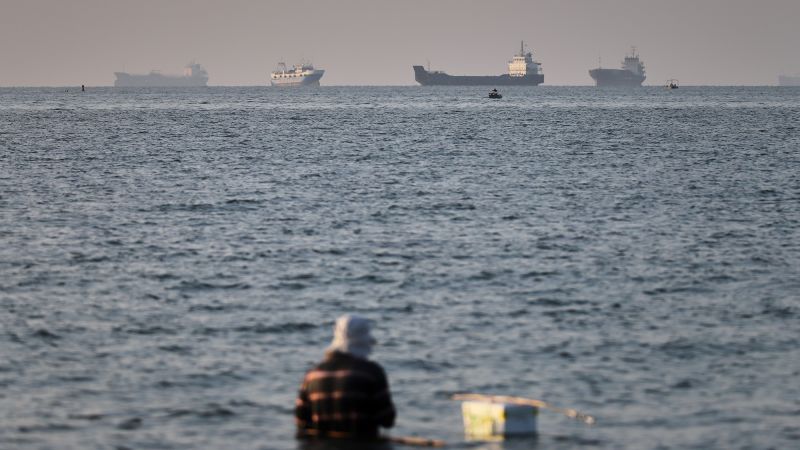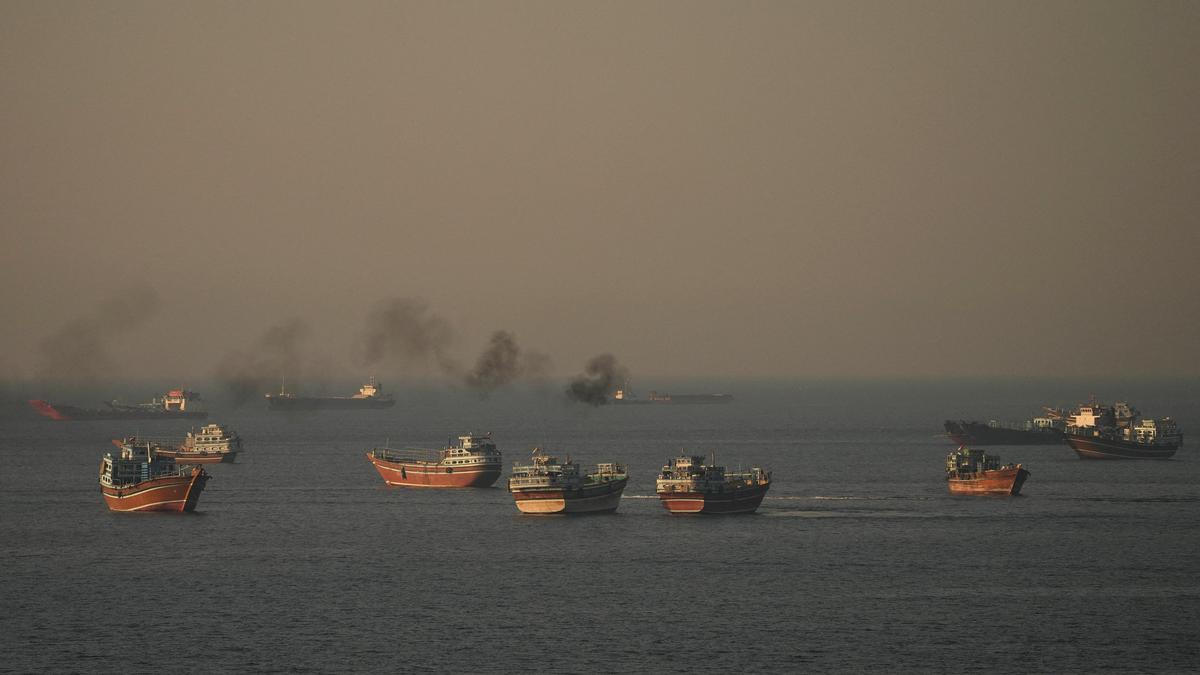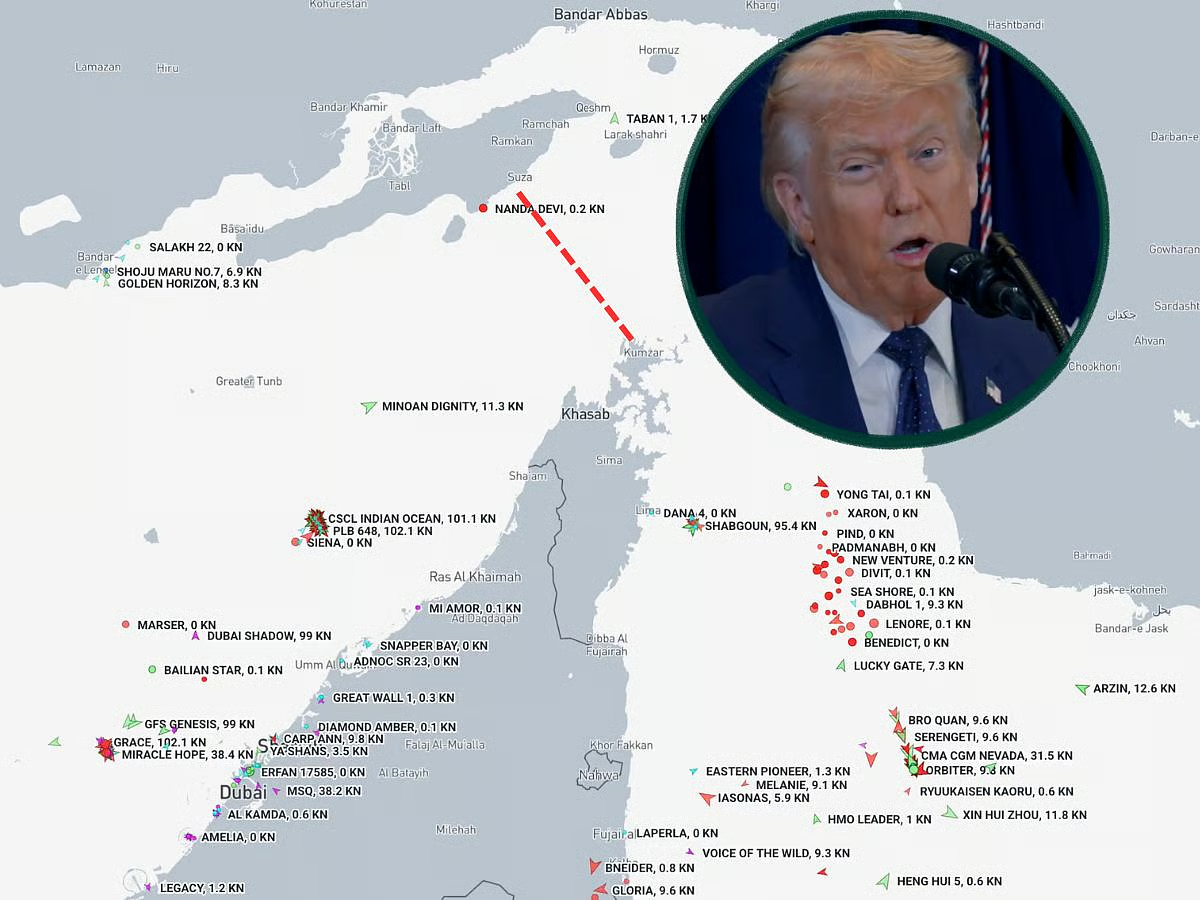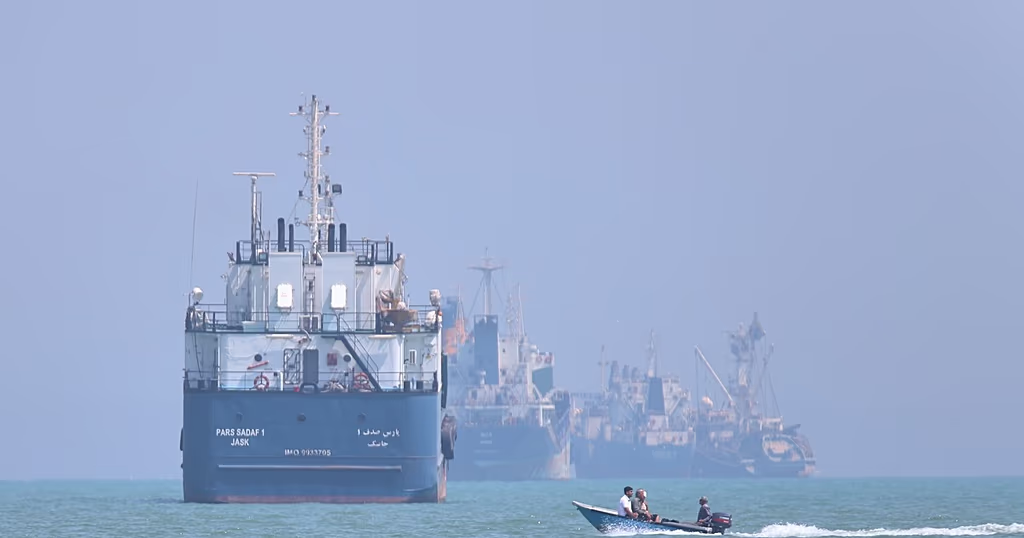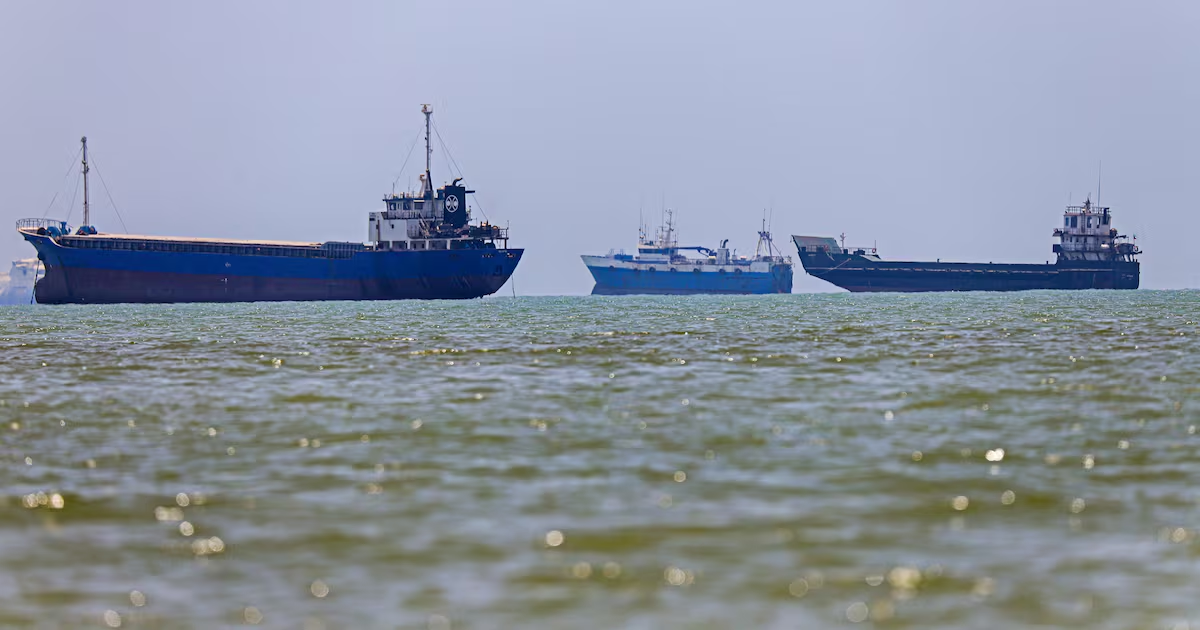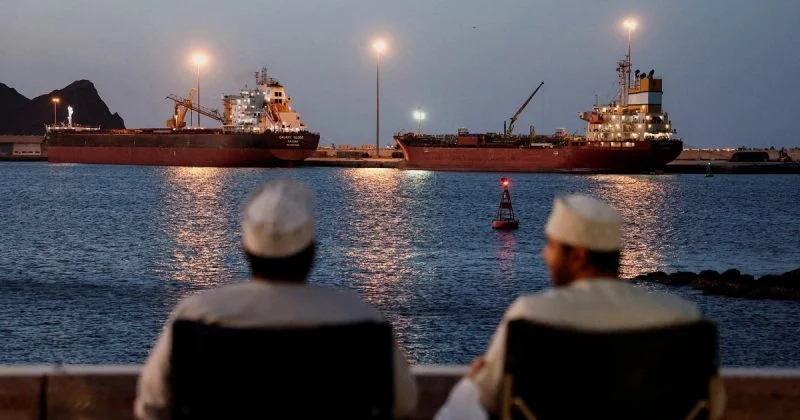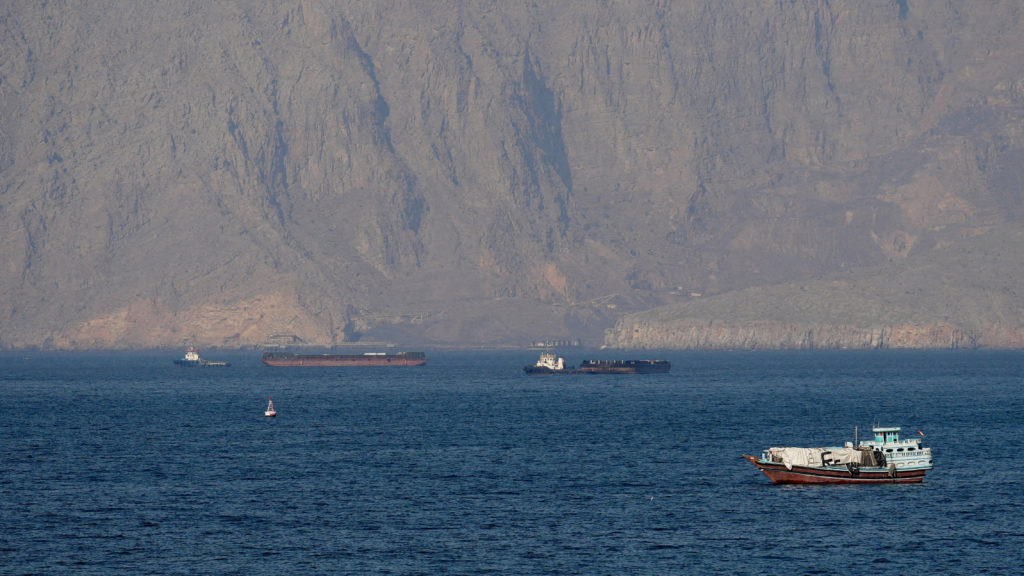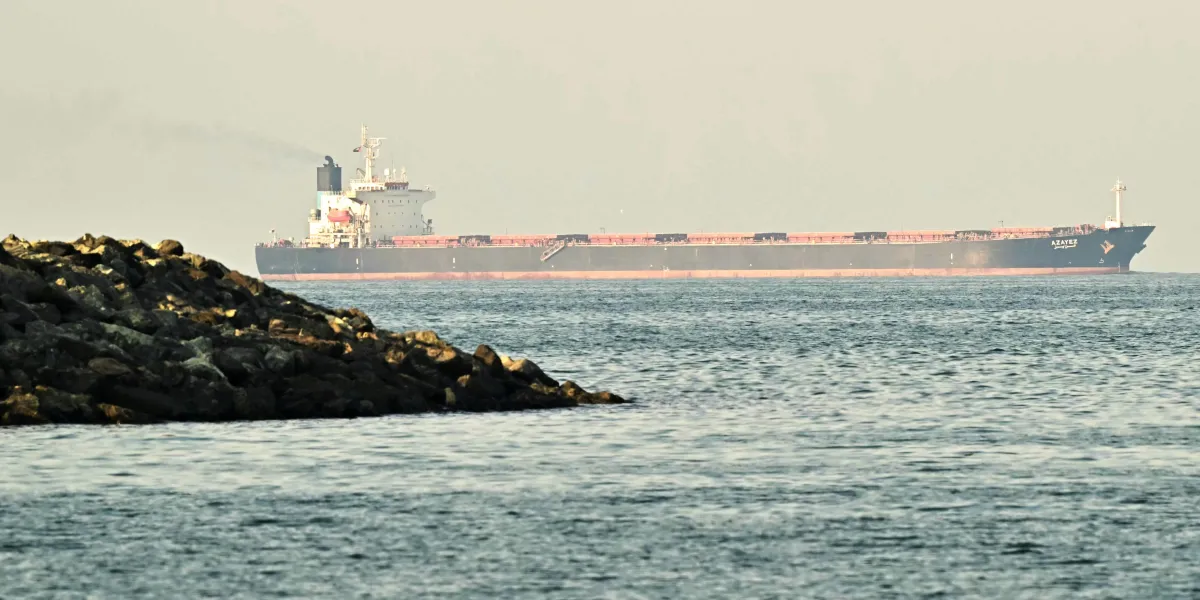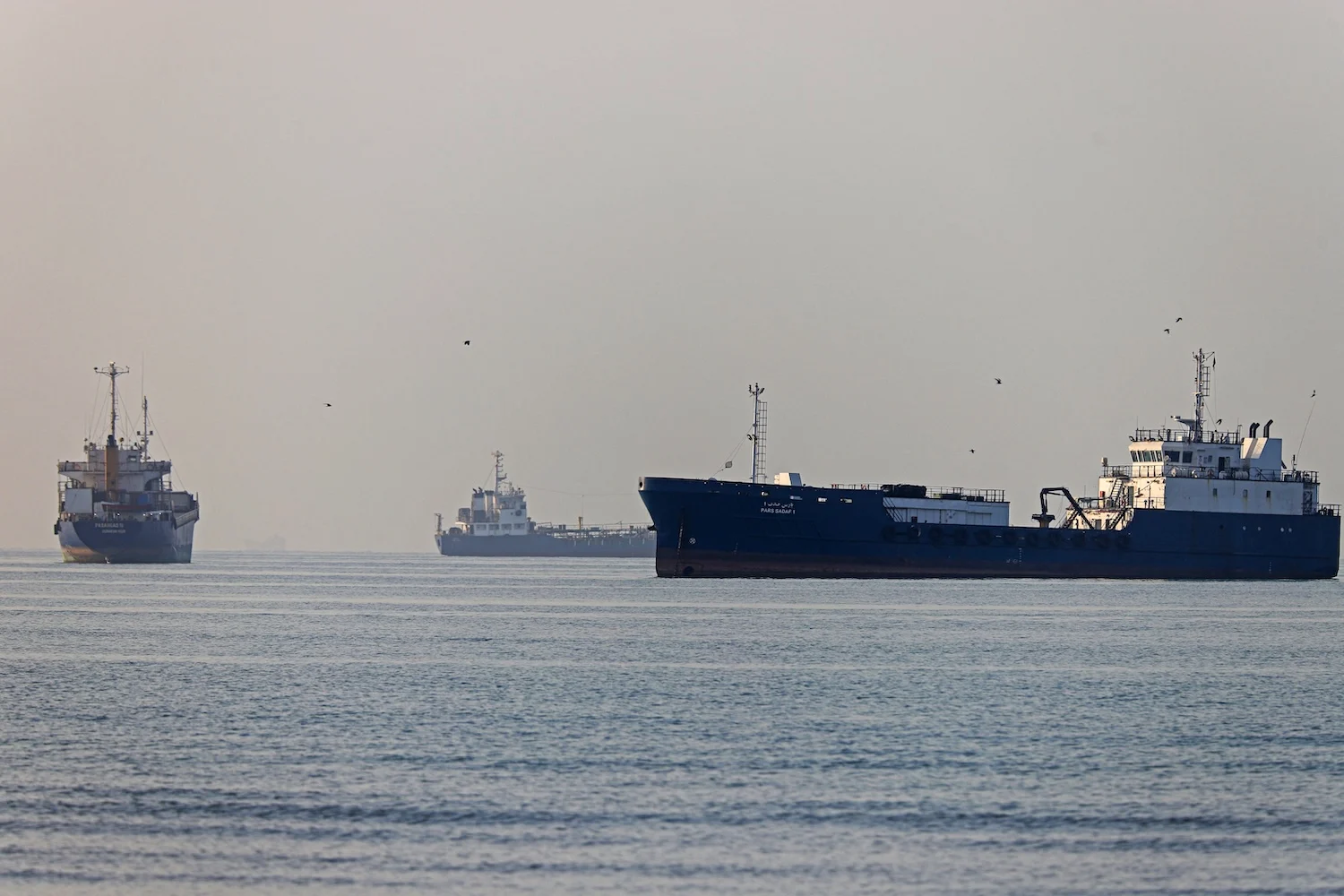
When U.S. President Donald Trump said that he would open the Strait of Hormuz, what he evidently meant was that the United States would promote the kinds of shady practices that animate the “shadow fleets” of Russia, Iran, and Venezuela. Many of the ships now getting in or out of Hormuz are doing so in the dark, with their transponders off. That’s so that they can avoid detection by Iran, which takes potshots at what it considers to be rogue vessels and charges tolls on others.
Which means that the Strait of Hormuz is not quite as closed as the world thought it was. It is far from fully open, though.
When U.S. President Donald Trump said that he would open the Strait of Hormuz, what he evidently meant was that the United States would promote the kinds of shady practices that animate the “shadow fleets” of Russia, Iran, and Venezuela. Many of the ships now getting in or out of Hormuz are doing so in the dark, with their transponders off. That’s so that they can avoid detection by Iran, which takes potshots at what it considers to be rogue vessels and charges tolls on others.
Which means that the Strait of Hormuz is not quite as closed as the world thought it was. It is far from fully open, though.