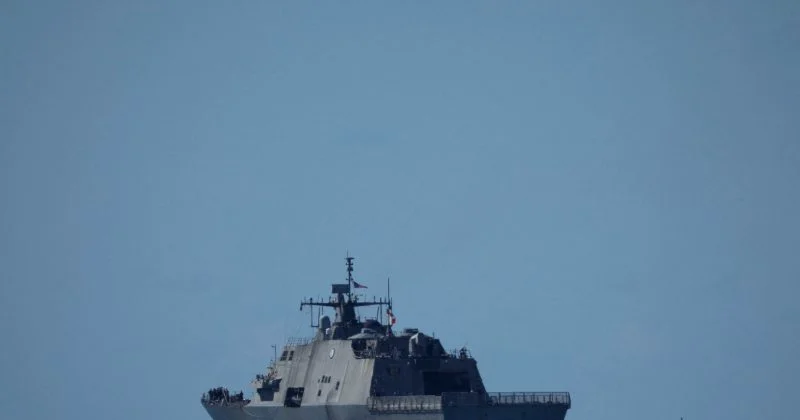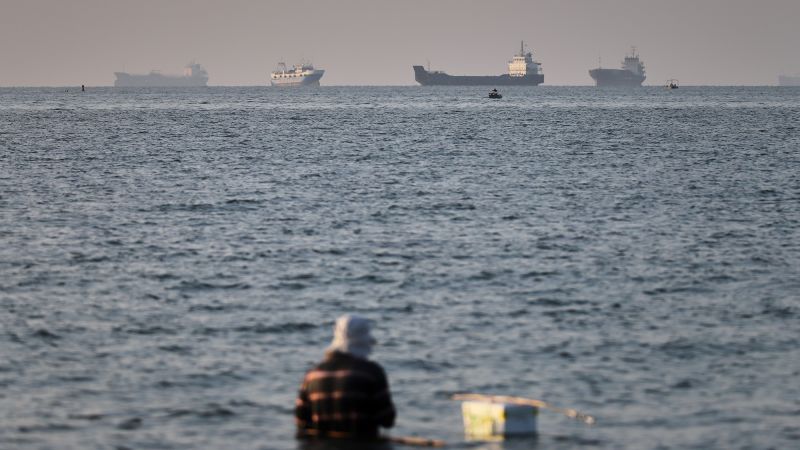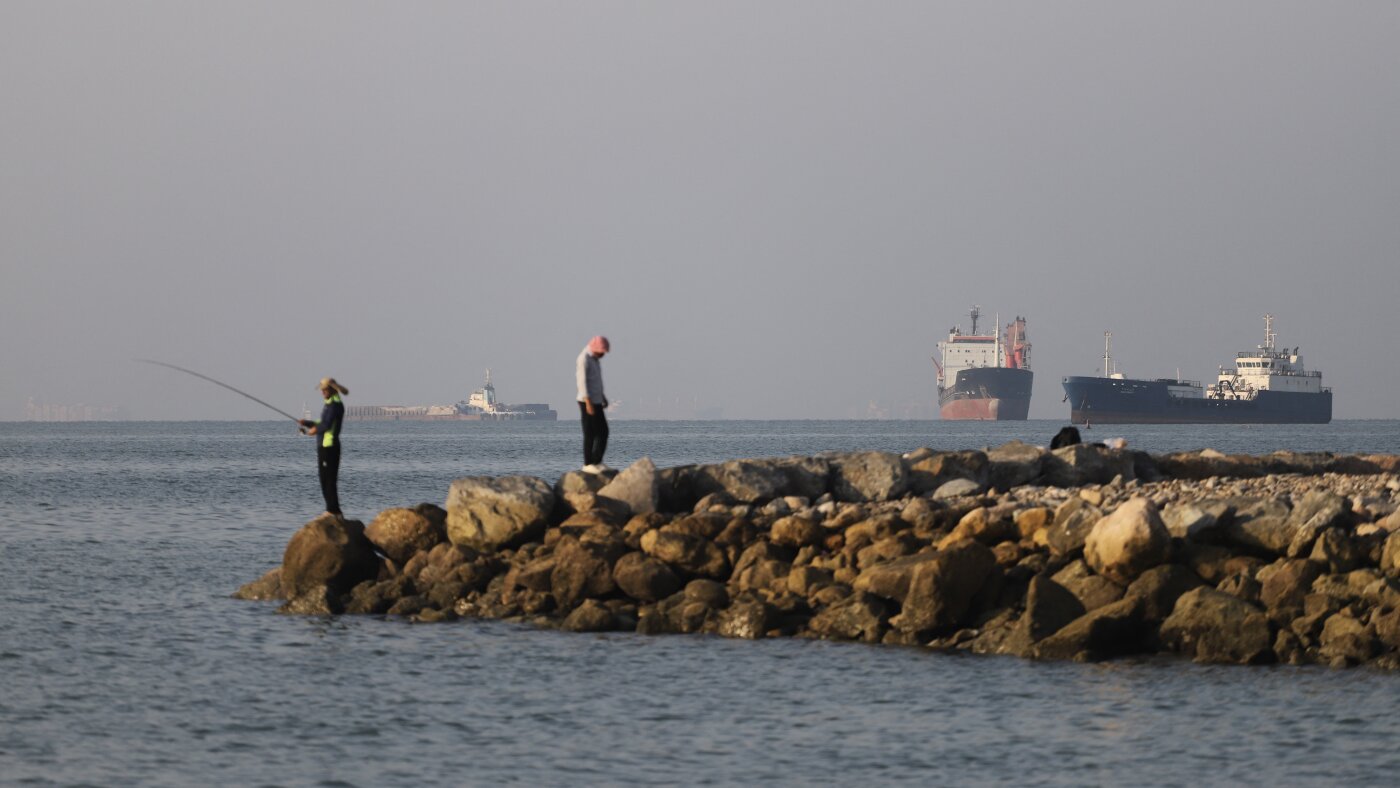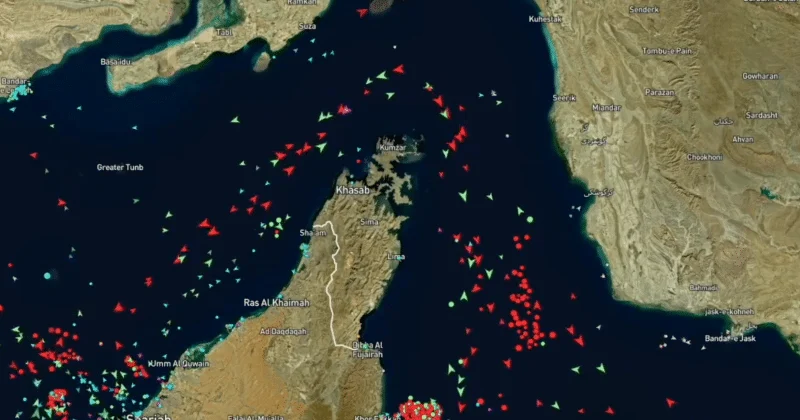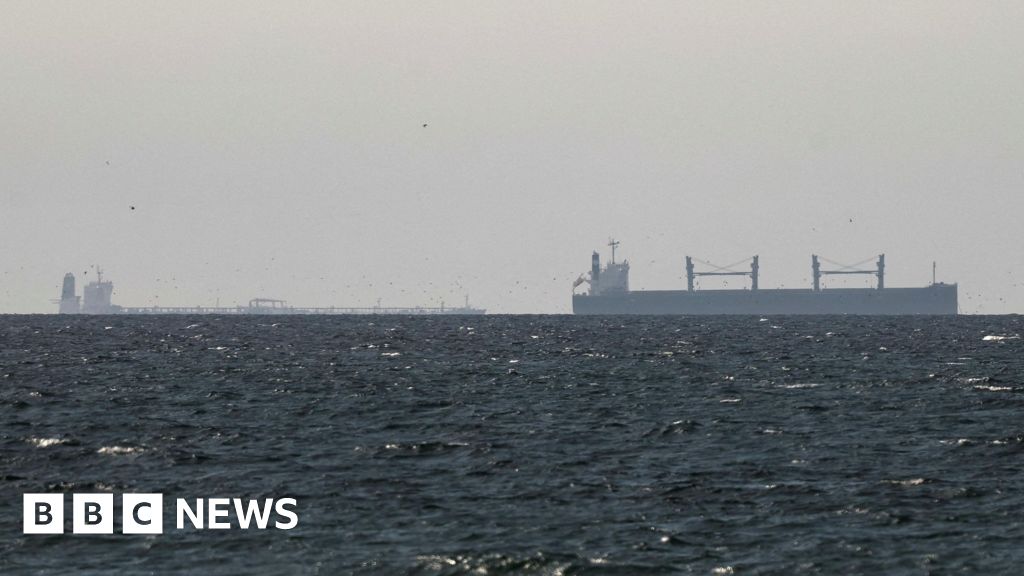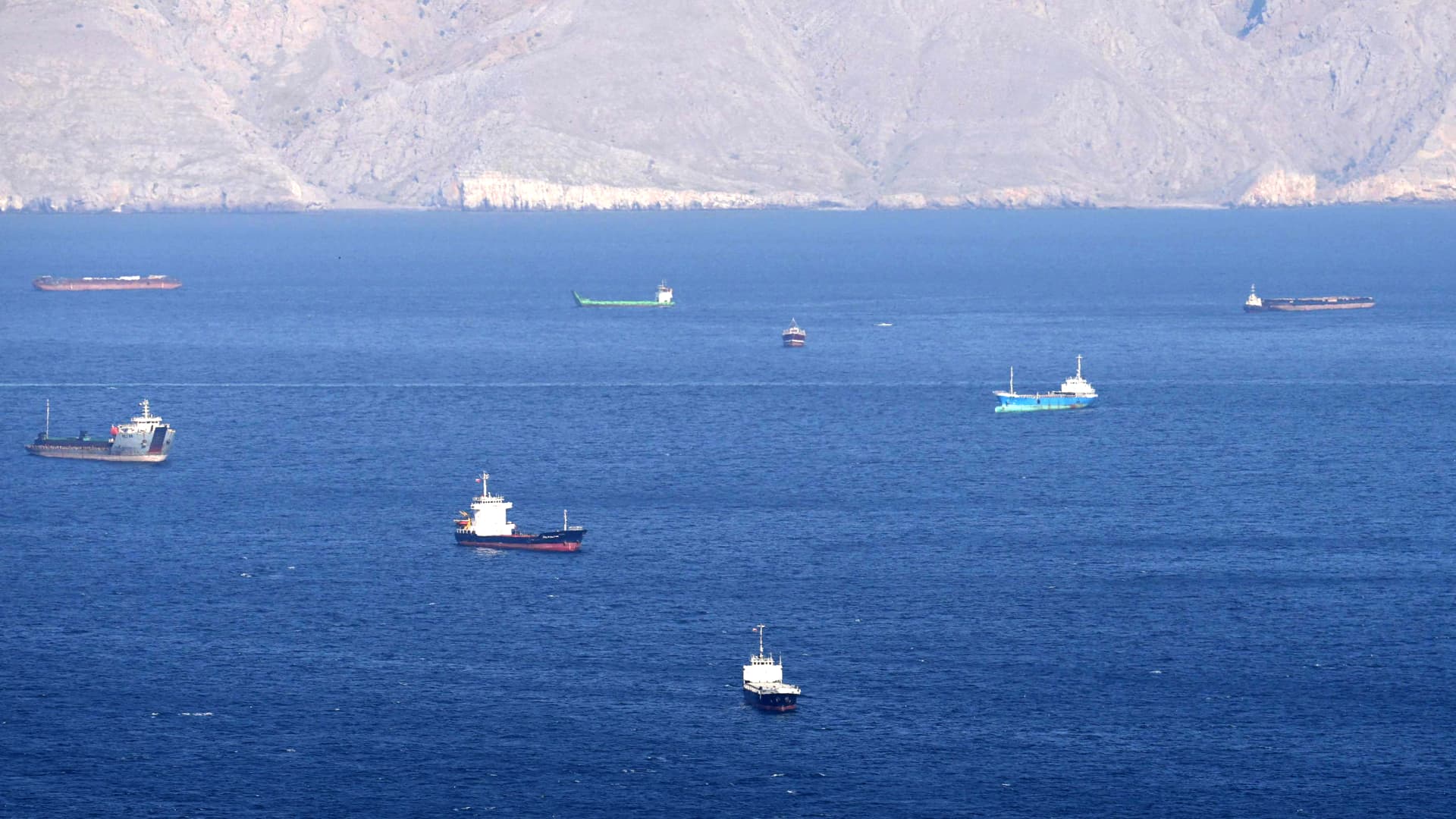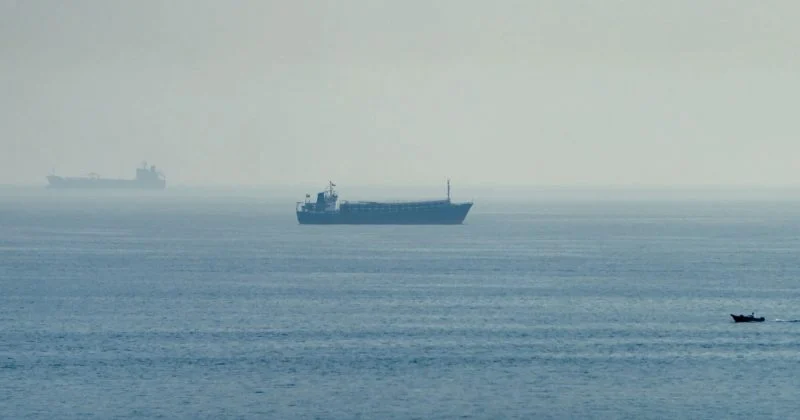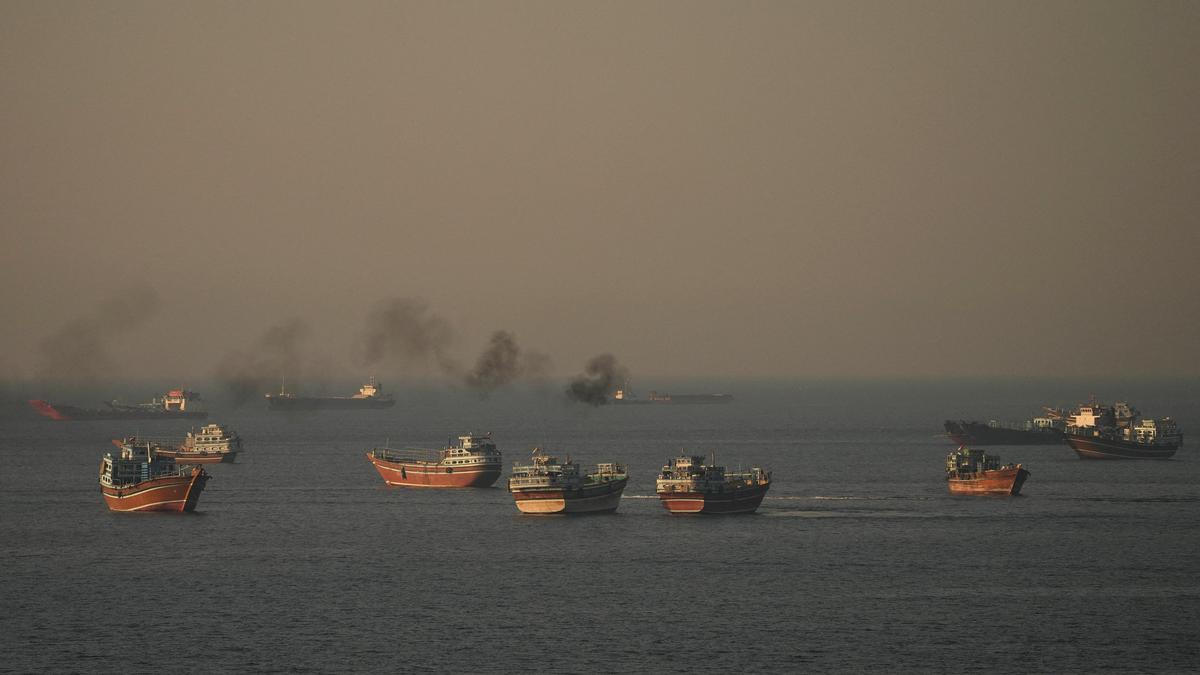
Vessels at the Strait of Hormuz, as seen from Musandam, Oman on June 15, 2026.
| Photo Credit: Reuters
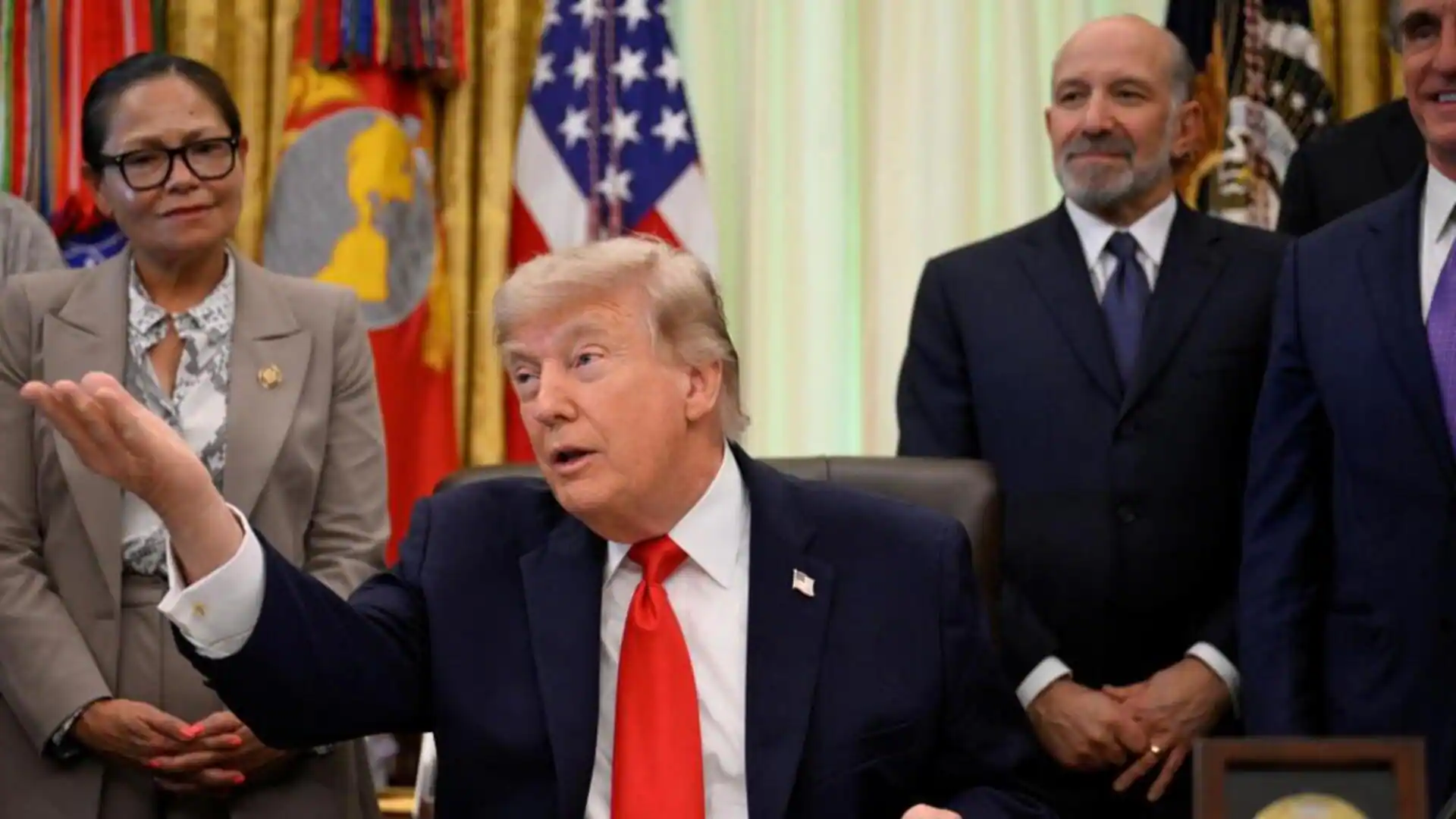
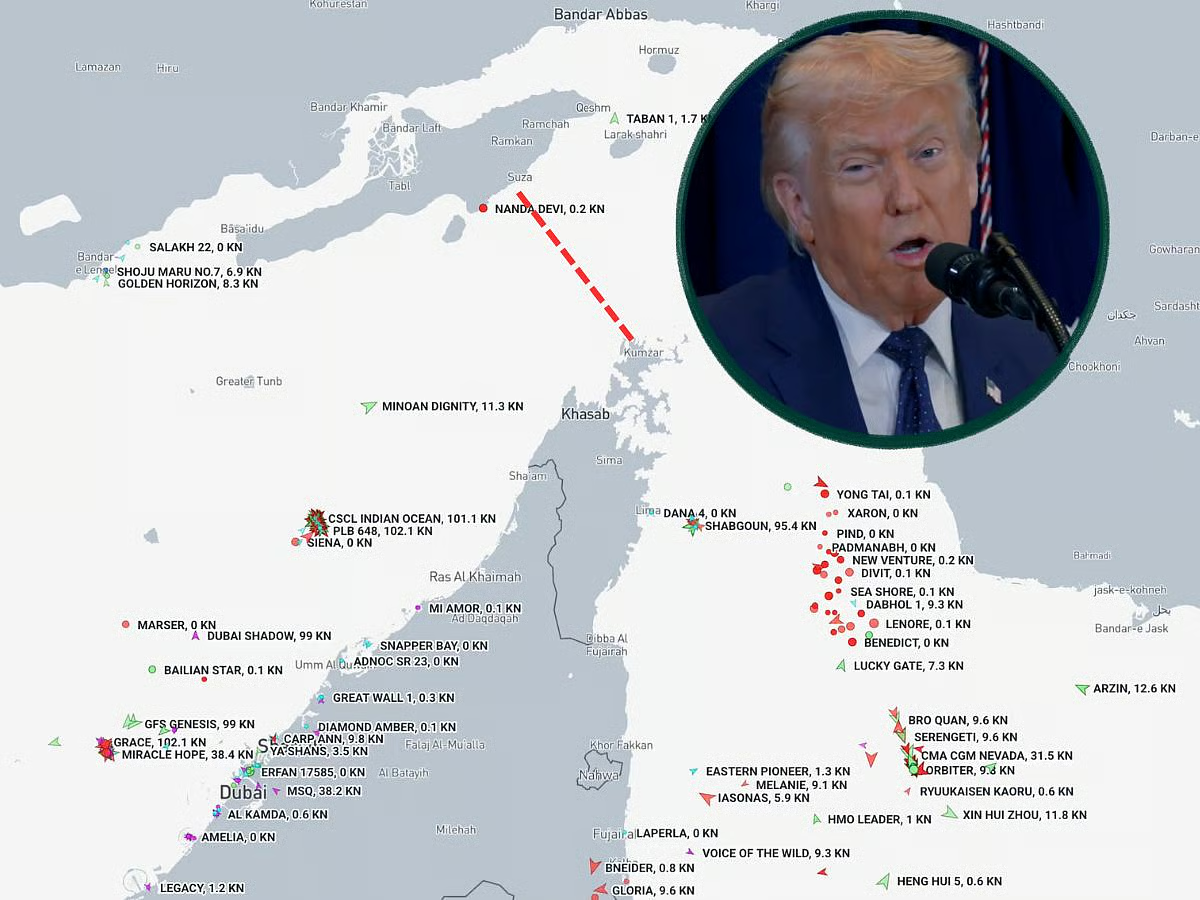
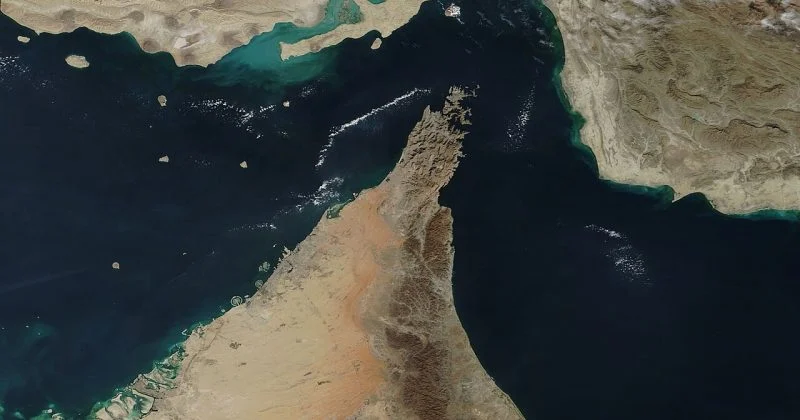
Announcing the peace deal with Iran, U.S. President Donald Trump said he had authorised the reopening of the Strait of Hormuz and the removal of the U.S. naval blockade. He later indicated that ships were already moving along the route close to Oman.However, vessel-tracking data suggested that traffic through the Strait remained limited on Monday (June 15, 2026). While a few ships transited the passage during the day, many vessels remained clustered near Iran’s Qeshm and Larak islands, with smaller concentrations south of the Strait and around Oman’s Shinas port.Follow West Asia war LIVE updatesAmong the vessels that crossed was Petronet LNG’s Disha, expected to arrive at Dahej on June 18. Since the conflict began, 15 India-bound ships, including 10 Indian-flagged vessels, have transited the Strait. Another 13 Indian-flagged ships carrying 325 seafarers remain west of the waterway.Maritime intelligence publication Lloyd’s List estimates that about 600 ships remain stranded west of the chokepoint. Last week, Mr. Trump claimed that the U.S. military had quietly assisted around 200 commercial vessels through the Strait since May.Industry stakeholders remain cautious, seeking greater clarity on transit arrangements before resuming normal operations. Shipping companies would prefer a return to the earlier regime of unrestricted passage through the established traffic separation schemes largely in the centre of the Strait.Capt. Ritesh Kumar, who has transited the strait some 150 times on a ship, says that in the past, Strait of Hormuz passage was like open sea passage with no payments to any nation whatsoever or even reporting, unlike say in Singapore and Malacca straits, where reporting is mandatory for safety of navigation.On Monday (June 15), Iranian Foreign Ministry spokesperson Esmail Baghaei said Tehran did not intend to impose transit tolls, though maritime service fees for navigation and environmental protection would be charged.“The statements by the U.S. and Iran remain unclear and do not provide sufficient information regarding timings and safe routes,” said Jakob Larsen, Chief Safety and Security Officer at Bimco, a shipping industry body representing shipowners. He said the security situation remained volatile and shipowners should continue conducting thorough risk assessments.Echoing wider industry sentiment, Richard Meade, Editor-in-Chief of Lloyd’s List, noted that insurers — often considered the shipping sector’s most reliable risk barometer — remain unconvinced.In India, however, marine cargo war-risk insurance costs have eased. K.S. Vishvanath, marine insurance consultant and author, said rates that had risen to around 0.20% of the insured value fell to approximately 0.10% after the government announced the Bharat Maritime Pool. While pricing continues to vary by route and risk profile, Indian insurers largely rely on guidance from GIC Re in assessing and underwriting war risks, he added.Meanwhile, government officials sought to address concerns regarding fertilizer supply for Kharif season. Sixteen fertilizer-laden vessels are awaiting passage through the Strait, including eight urea carriers, four DAP ships, three sulphur carriers and one ammonia vessel. Despite the disruption, around 40 lakh tonnes of fertilizers have already reached Indian ports from alternative sources, and imports of about 25 lakh tonnes of urea, DAP and NPK are expected this month. Domestic production was nearly 124 lakh tonnes.(With inputs from Saptaparno Ghosh) Published - June 15, 2026 11:25 pm IST