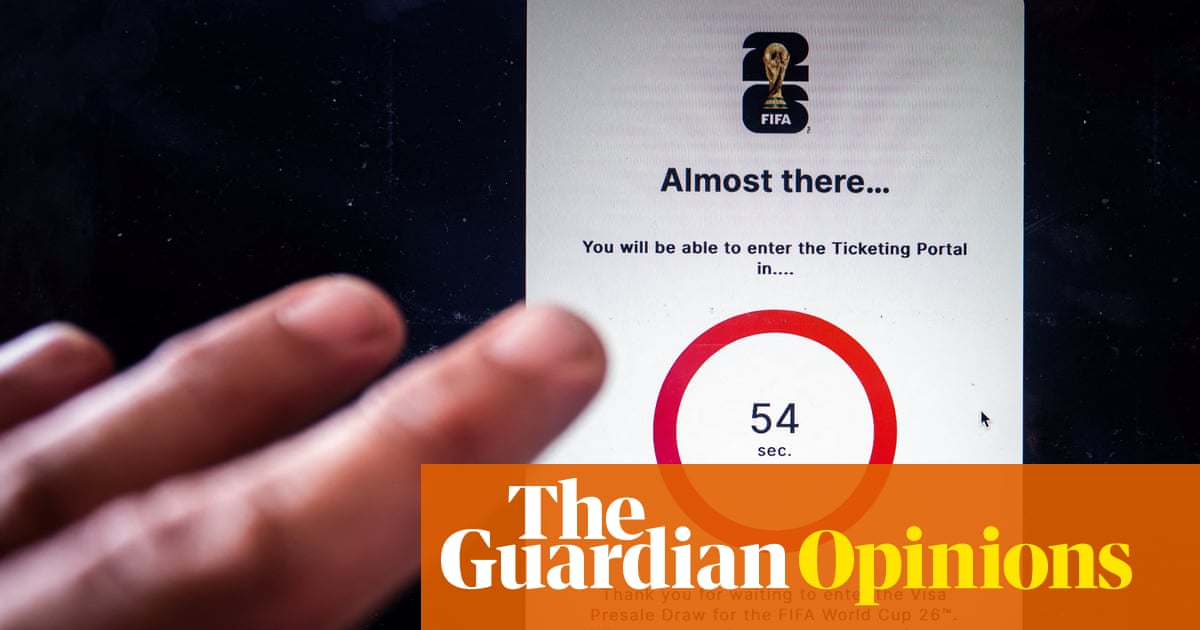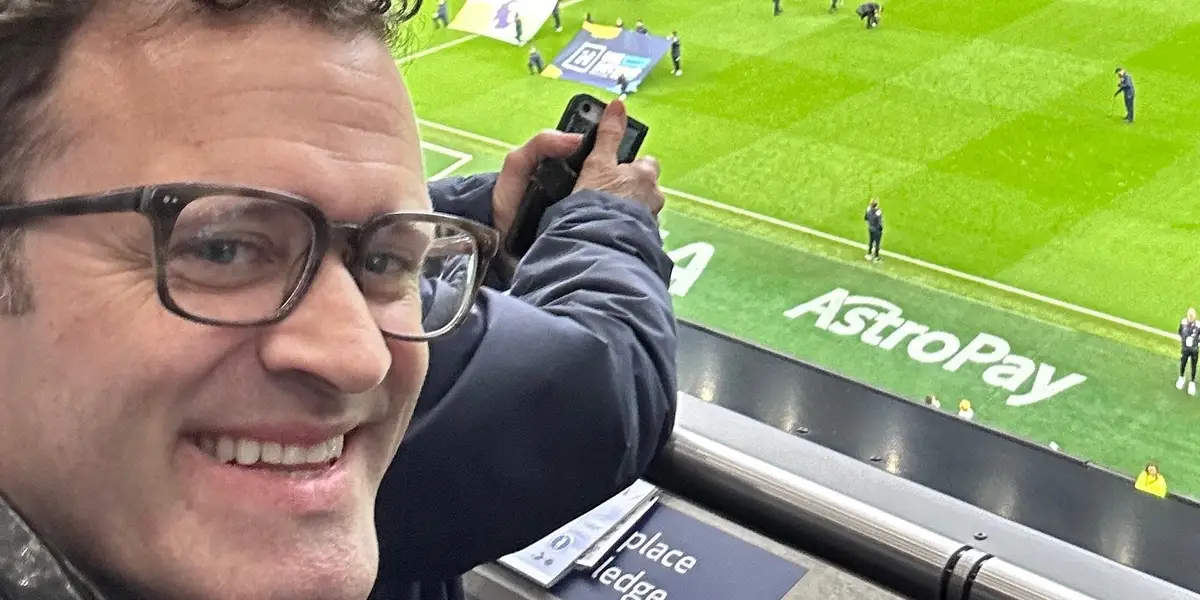
An avid soccer fan, the author scored lottery tickets to the FIFA World Cup. He knows he can make a hefty profit by selling them, but he says he won't.
Courtesy of Alfred Ryan Nerz.
When the email arrived that I'd won the FIFA lottery, I felt like I'd beaten the system.I had scored tickets to the 2026 World Cup, which were widely predicted to cost a fortune. My plan was simple: I'd pay a reasonable price for two tickets to the first group stage match in Miami, invite a lifelong friend, and scratch the ultimate milestone off my sports bucket list.Then, the siren song of late capitalism got in the way. After explaining my plan to a buddy, he sounded skeptical. "You know, I heard Juanes sold his tickets," he said. "Made like three grand."Really? I waited a week before checking StubHub. Sure enough, my $300 apiece tickets were selling for over $1,000. As a writer and adjunct professor, I'm not exactly swimming in liquid cash. Stadium parking starts at $175. God knows what a beer will cost once you're inside. It's probably smarter to flip them for a mortgage payment, groceries, and peace of mind. Right?The temptation to cash out is real. But I'm holding firm.Ticket prices are unhingedFIFA entered the tournament armed with dynamic pricing, which allows prices to surge based on demand. (Because nothing says "the beautiful game" like yield management software.) The results were predictable — the secondary ticket market went completely unhinged.Early group stage tickets have been averaging between $380 and $4,000. There's a $2,500 cover charge for Colombia vs. Portugal in Miami, and it's $2,700 to watch Messi's Argentina. If a fan from Argentina wants to see all three group stage games, the cost is around $10,000 for tickets and travel. And one ticket to the final will set you back between $11,000 and $33,000.