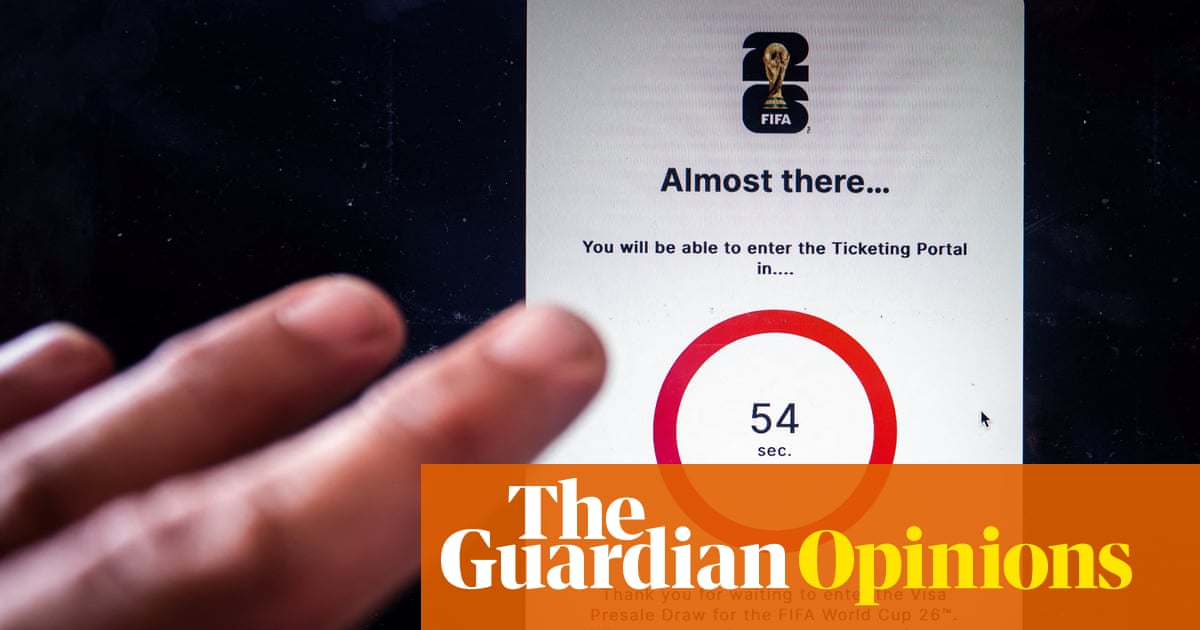
With ticket sales phases under way and prices reaching eye-watering levels, my experience raised a crucial question: who is this World Cup for?
F
or months, people in my life had been asking me when and where to get World Cup tickets. In the absence of any actionable information from Fifa before the first round of the pre-sale opened up, they hoped, I guess, that I had inside knowledge.
In truth, I only knew that Fifa would be using the universally despised dynamic pricing model, and that the bid book for the 2026 World Cup had promised an average group stage ticket price of $305. Mind you, that was seven and a half years ago and an awful lot of inflation has happened since then. In the bid, Category 4 tickets for the group stage – the cheapest seats available – were priced at $21. (As we would soon learn, the actual price would start at $60, and category 4 tickets are almost non-existent.)
I play over-40 pickup soccer with a group of a few dozen soccer-loving friends in New York’s Hudson Valley. In the group chat, anticipation built for the first round of general ticket sales in early October. Tidbits were traded. Links were shared. It was broadly accepted that the prices would be eye-watering – surely several hundred dollars per ticket, as this was the point of a North American World Cup, after all. Nineteen of us entered the Visa pre-sale lottery, as did 4.5 million others. Two of us, including me, won a time slot to buy tickets. It’s hardly a scientific sample at two people, but if our experiences are anything to go by, there are already serious questions around affordability at this World Cup (it makes sense an affordability-focused political candidate would make it an issue).