Press return to see results.
cmd / ctrl + k to open and close.
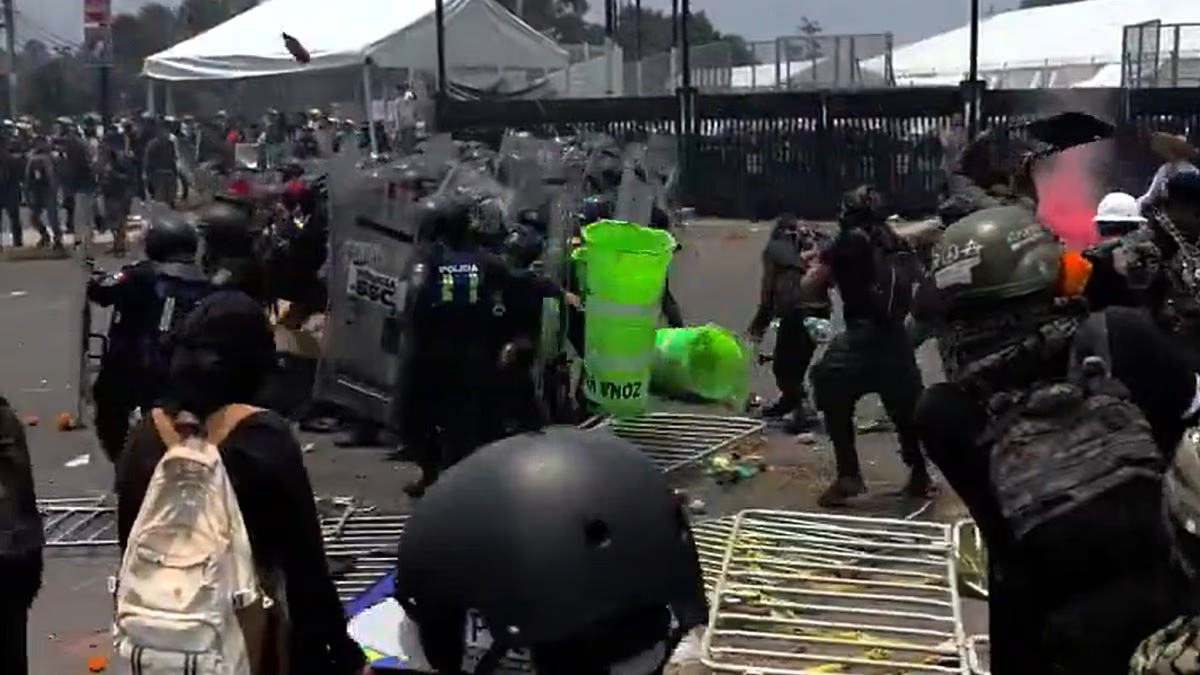
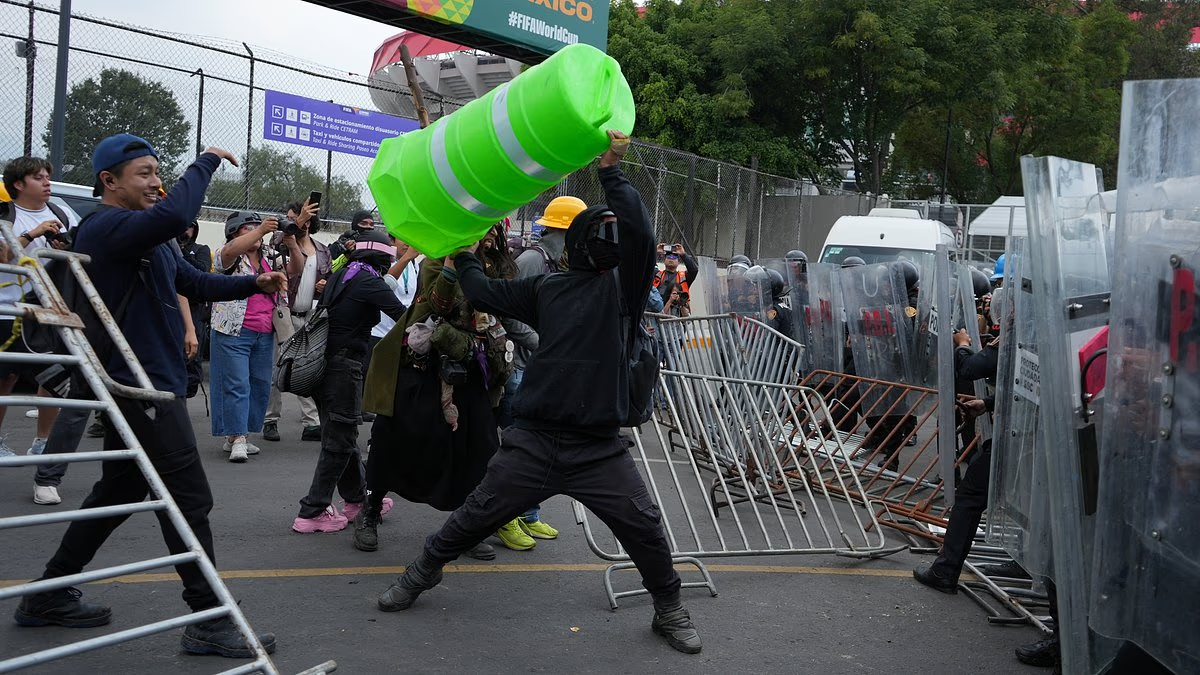
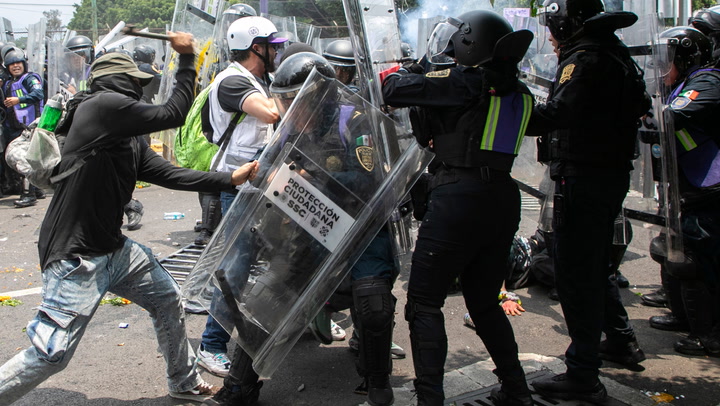
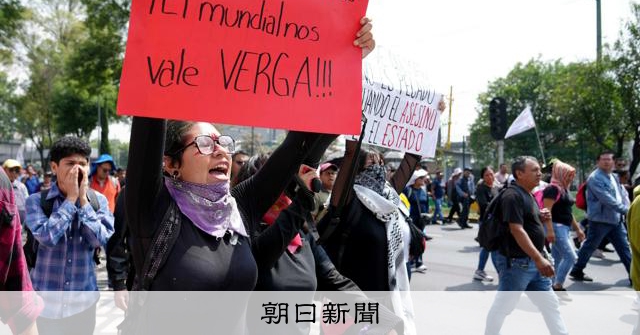
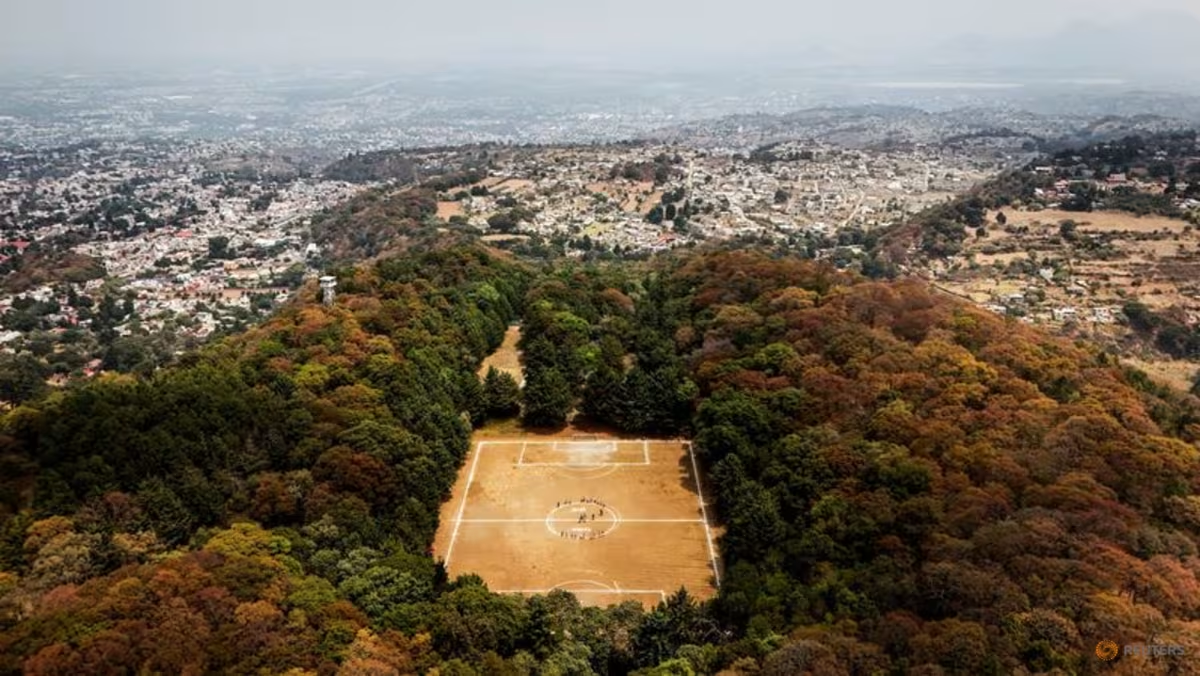
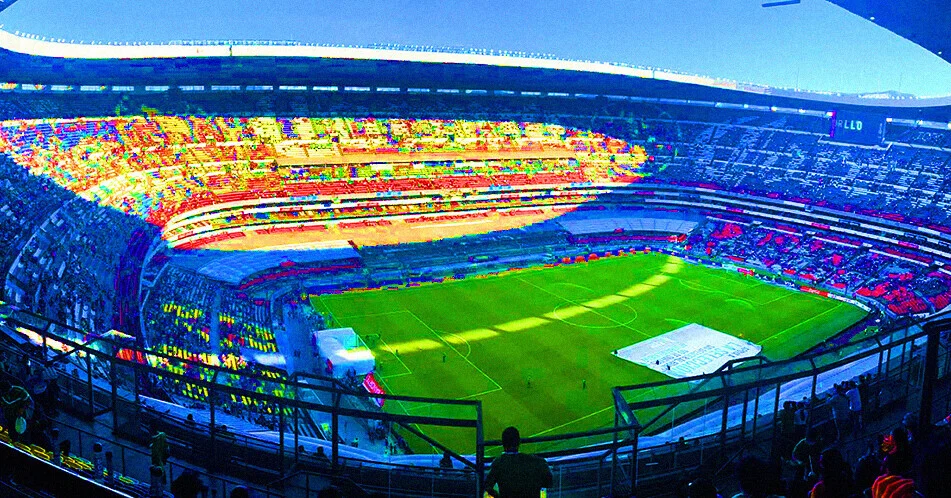
On a temperate Sunday morning this past March, a few dozen people gathered at an underpass in Mexico City for a pick-up soccer game. After a while, they decided to move out into the middle of bustling Tlalpan Avenue, where they cut off traffic, painted white lines across the road, and continued. This was not just an average street game. In the distance loomed the Estadio Banorte, more commonly known as Estadio Azteca, the enormous arena that will host the opening game of this summer’s FIFA World Cup, and the players—who have dubbed themselves the Anti-World Cup Assembly—were actually protesters.
“This is a space that we’ve named the Resistance Underpass,” Natalia Lara, a local organizer, told me. Since November, anti-gentrification activists and residents of Santa Úrsula Coapa, the neighborhood around the stadium, have made the weekly soccer game part of their ongoing campaign against the tournament, which they see not as an opportunity for joy and international unity but as a spectacular boondoggle, one that is draining public coffers, fueling state repression, turbo-charging gentrification and displacement, and worsening an already severe water crisis—all while corporations and private investors benefit handsomely. “On World Water Day,” as Lara told the assembled crowd in March, “we continue denouncing the privatization and extraction of water in the area as well as calling out the capital’s government for its negligence towards territorial problems in the city.”