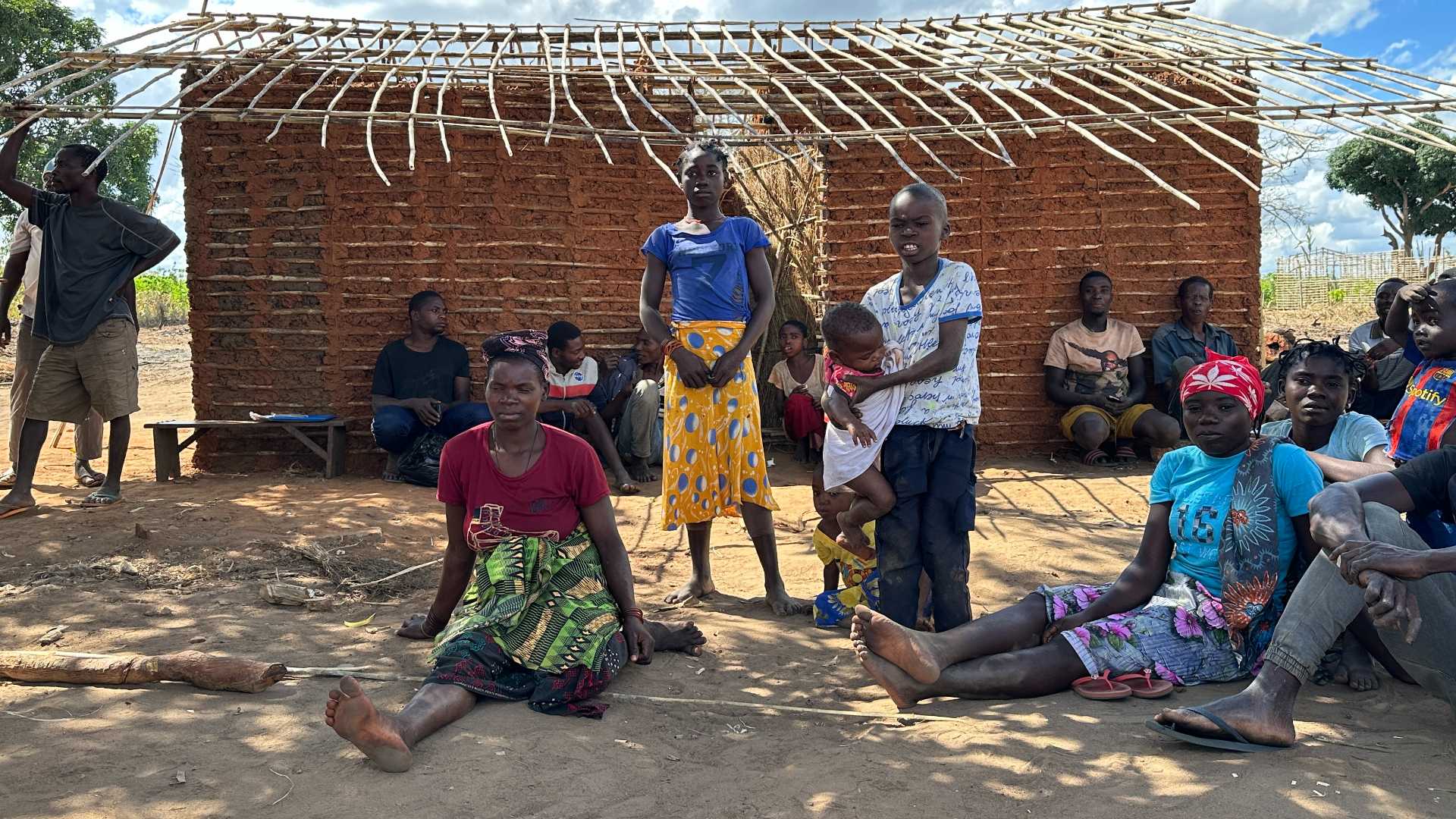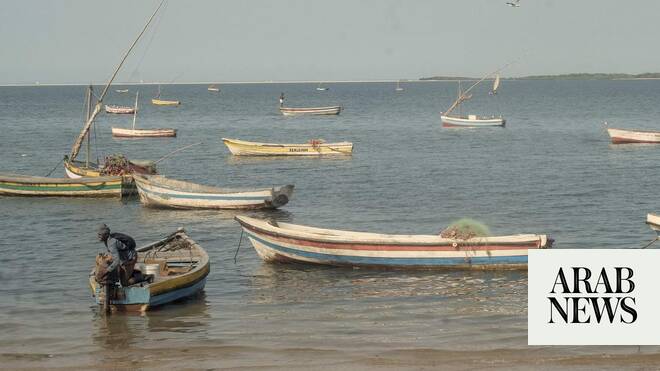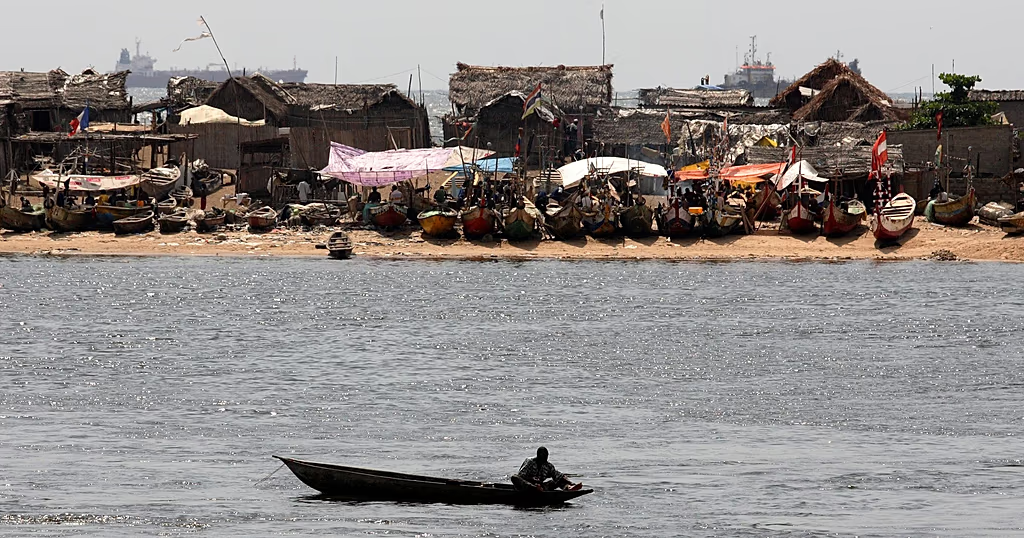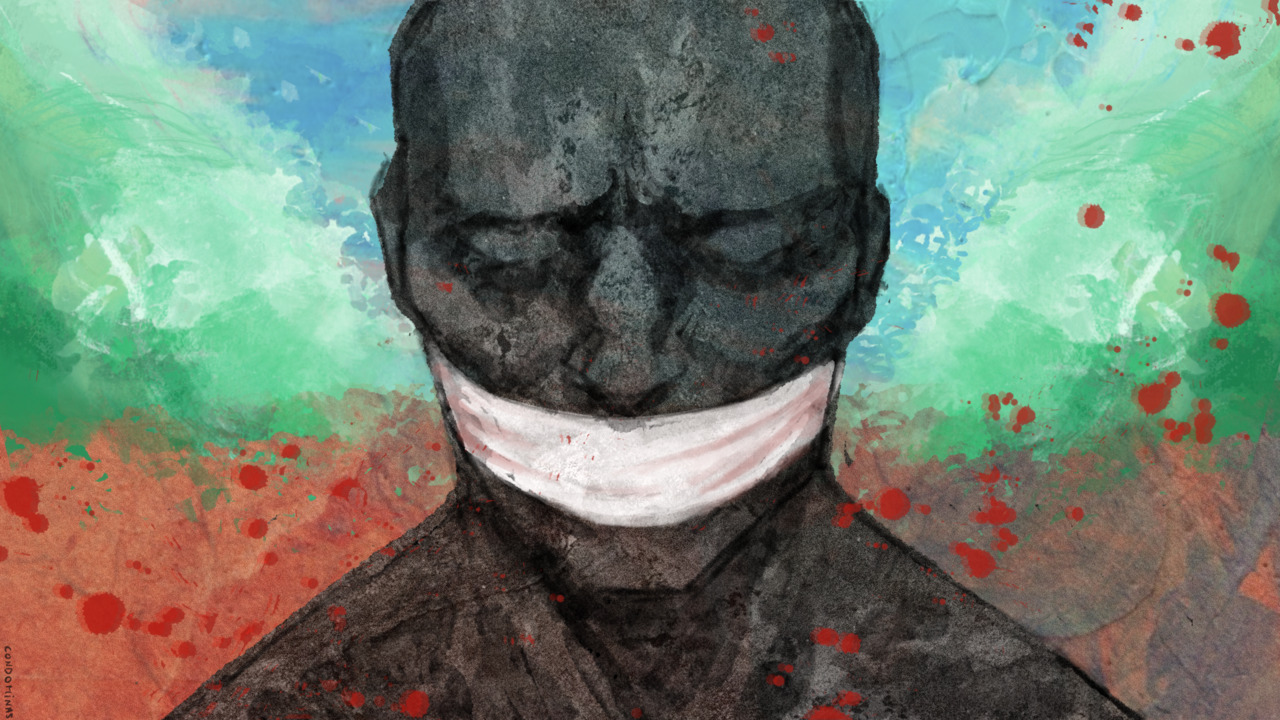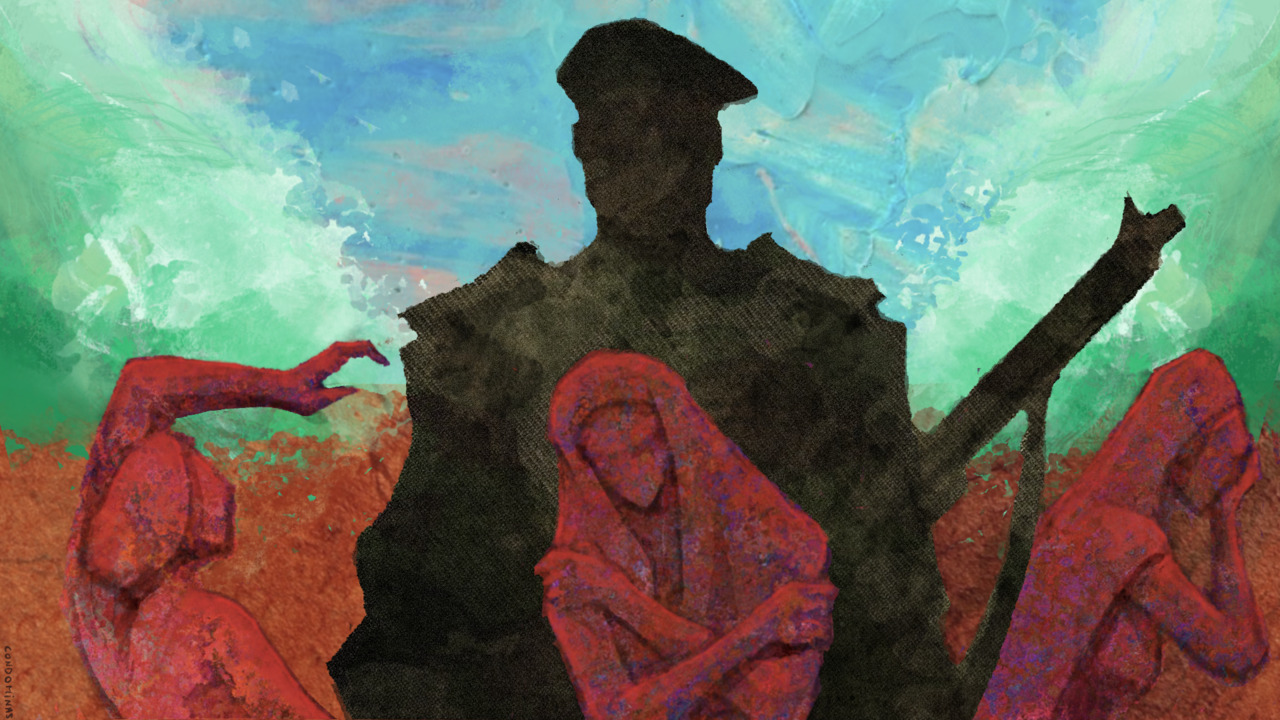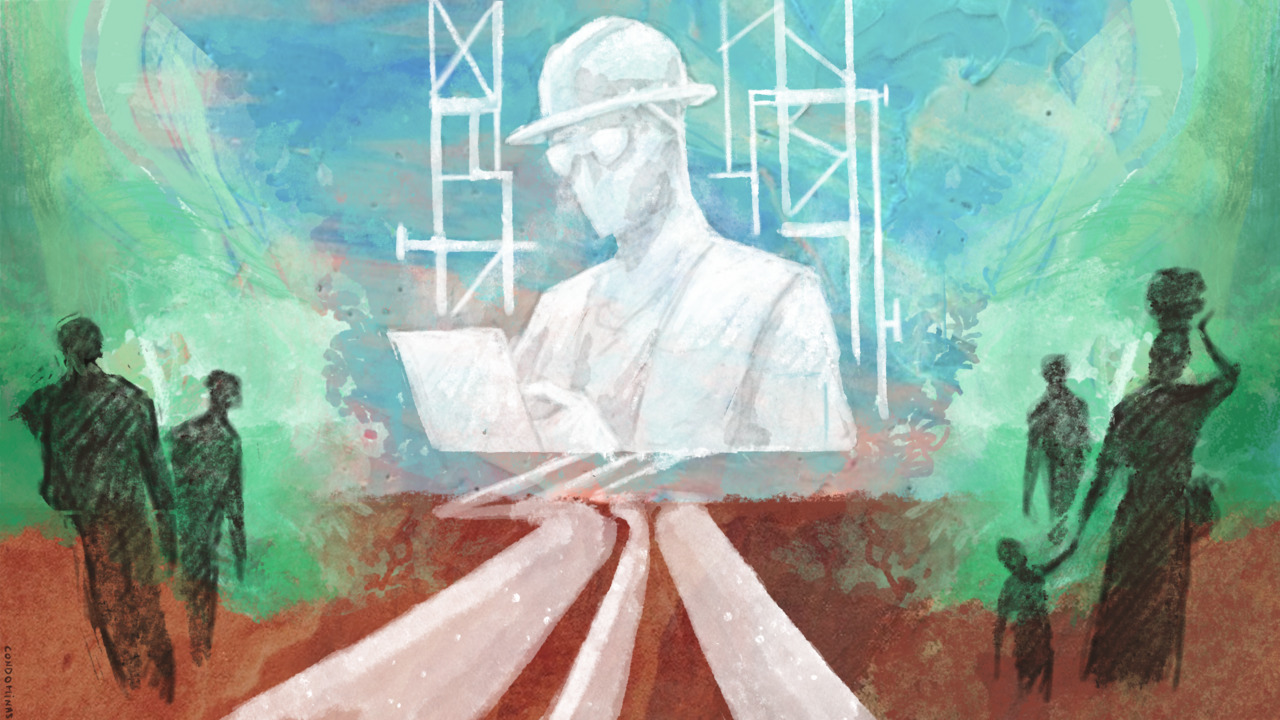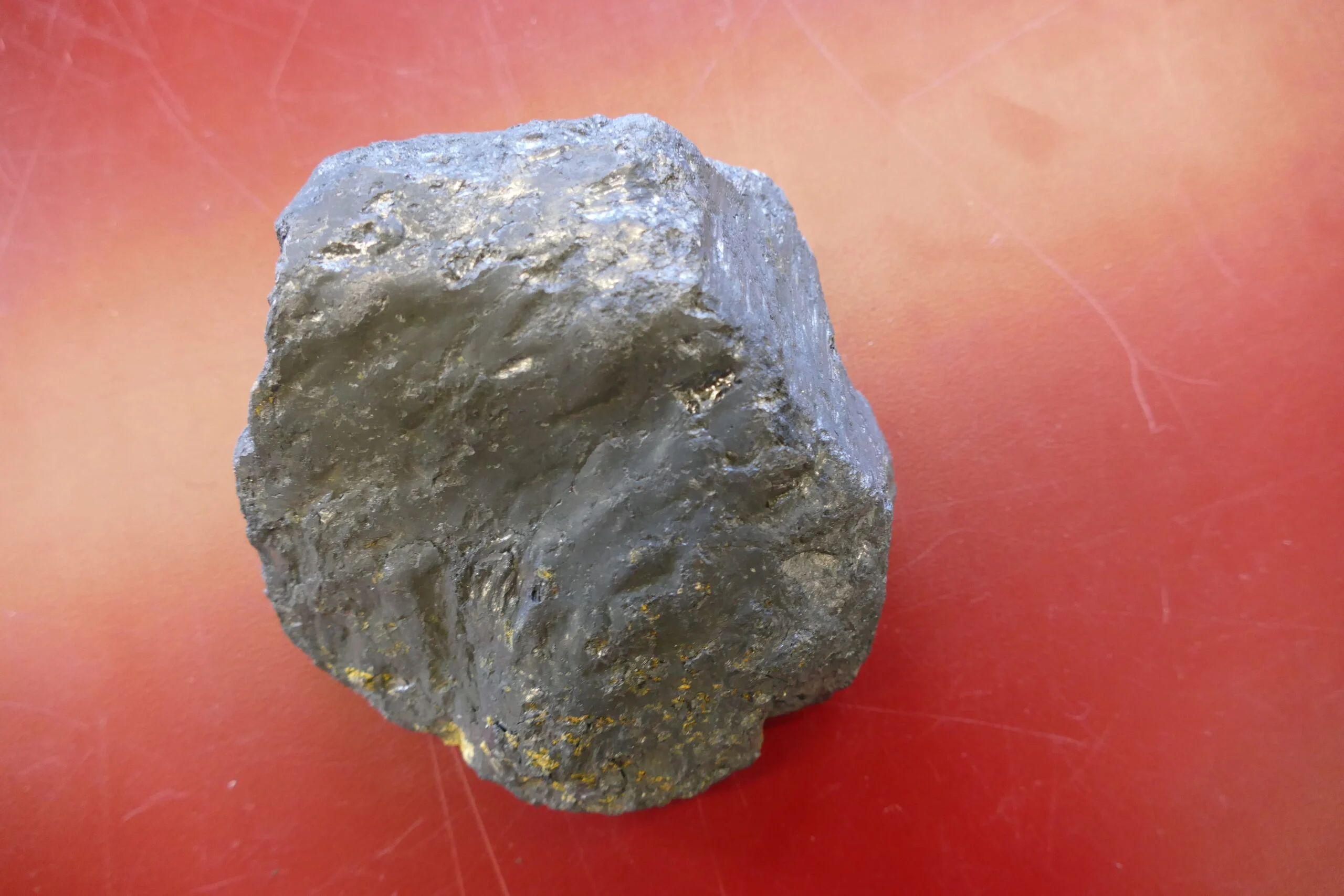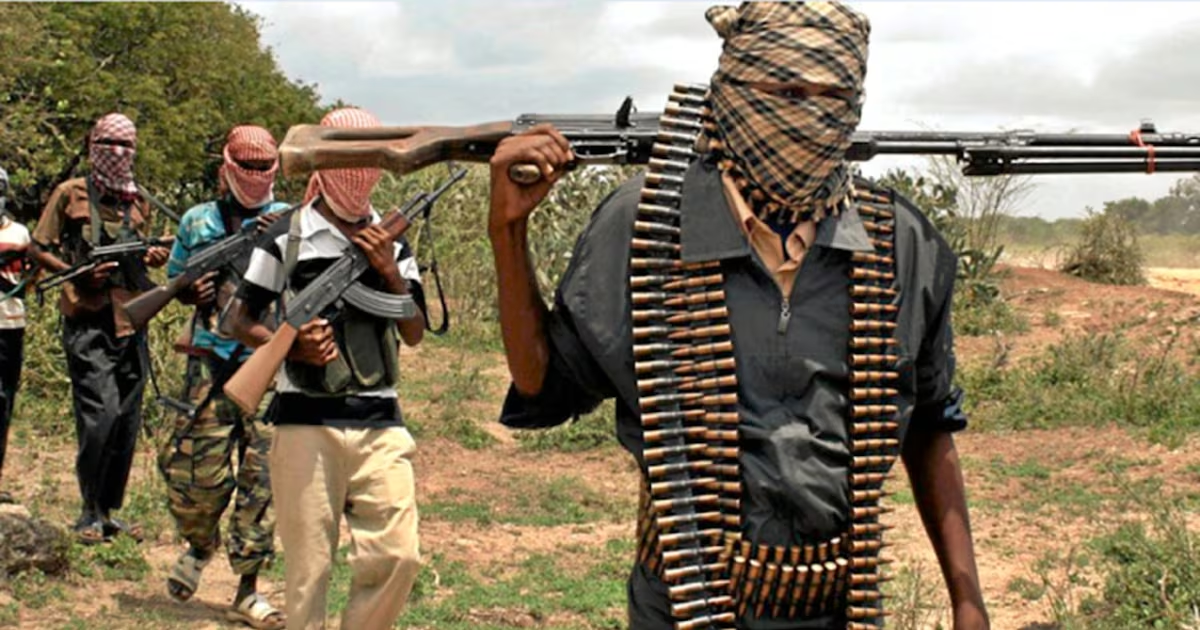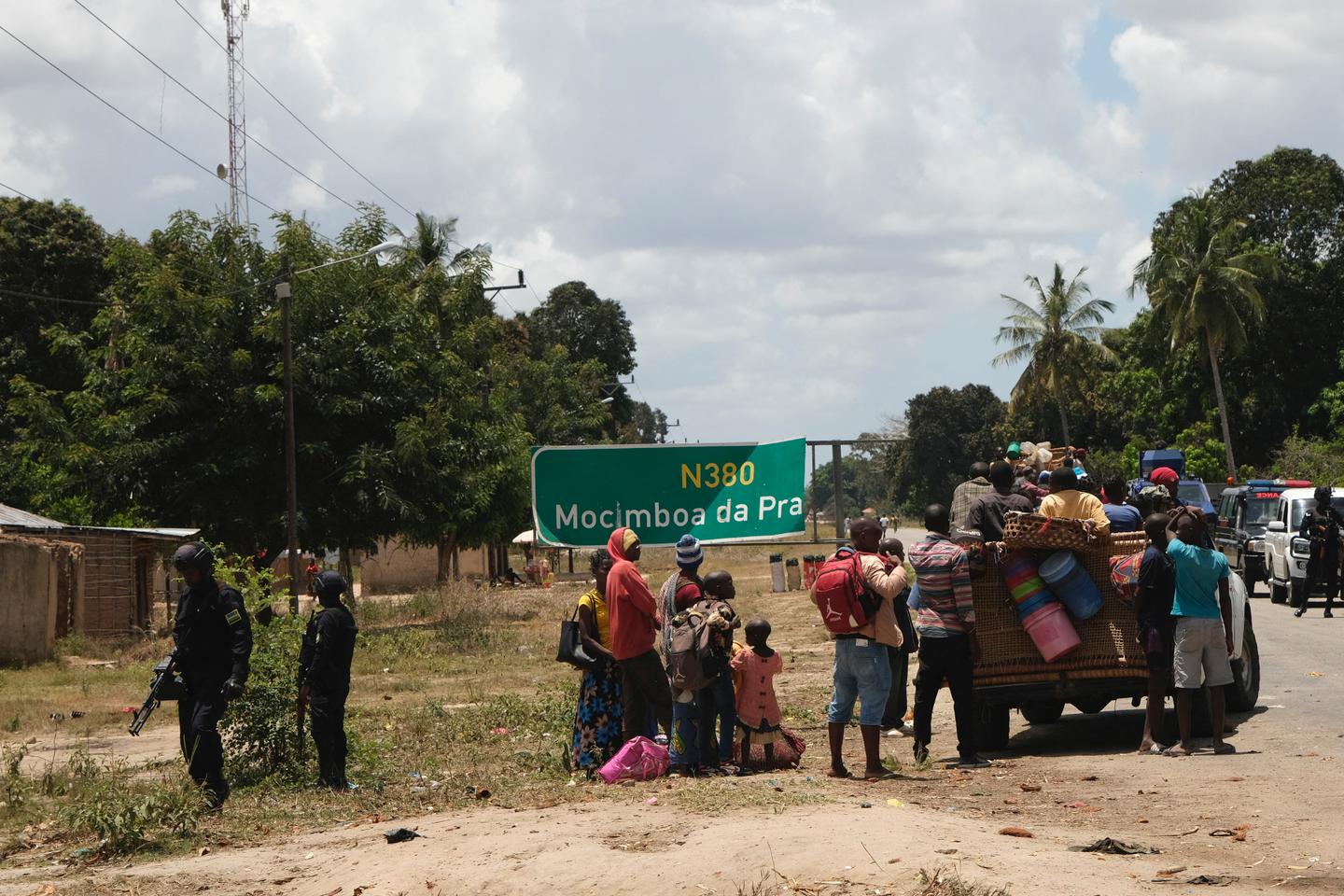
For almost a decade, an Islamist group has terrorised Mozambique's northern province of Cabo Delgado. Despite vast reserves of rubies, timber and natural gas, the region remains the country's poorest. This first instalment of Mozambique Exposed – an investigation coordinated by Forbidden Stories to which RFI contributed – examines how exploitation of the region's wealth, corruption and alleged abuses by security forces helped fuel the insurgency.
Rainy season had already begun in 2017 when thousands of artisanal miners working around Namanhumbir, near Montepuez in the northern Cabo Delgado province of Mozambique, saw security forces approaching. Many were arrested for what the authorities called illegal mining. Most of the miners, known locally as garimpeiros, came from outside the region. Some returned to their home districts or crossed into neighbouring southern Tanzania. Others joined a little-known armed group that was gaining strength in northern Mozambique – known locally as Al-Shabab and linked to the Islamic State group (although with no connection to the Somali militant group of the same name). "From then on, it was war," one miner recalled in a 2021 report by the International Crisis Group, a conflict prevention organisation. Grievances linked to natural resources became a powerful recruiting tool for the armed group. Control of natural resources by foreign companies is one of the main themes in Al-Shabab's messaging, according to Joao Feijo, a researcher with the Observatório do Meio Rural, a Mozambican rural affairs research institute. TotalEnergies in French court accused of failing to limit climate damage Ruby boom Among Cabo Delgado's most valuable assets are rubies. Deposits discovered in 2009 helped make the province the source of around 80 percent of the world's ruby reserves. One of the industry's main operators is Montepuez Ruby Mining (MRM), which received a 25-year concession in 2012, covering 10,000 square kilometres. MRM is a subsidiary of British mining company Gemfields Limited, owner of luxury brand Fabergé. Twenty-five percent of the company is owned by General Raimundo Pachinuapa, a senior member of Frelimo, Mozambique's ruling party since it gained independence from Portugal in 1975. In 2019, Gemfields agreed to pay €6.7 million in compensation to miners who dropped legal action accusing the company of human rights violations. The case was brought in London by law firm Leigh Day on behalf of 273 garimpeiros. It said physical and sexual violence, degrading treatment and killings were carried out by MRM security personnel and Mozambican security forces. Gemfields acknowledged violence had occurred around Montepuez, but did not accept responsibility. Abuses linked to mining operations have not stopped, said Aly Caetano, Cabo Delgado coordinator for the Centre for Democracy and Human Rights, a Mozambican civil society organisation. "Torture, illegal detention and killings continue," he said. "Meanwhile, the Montepuez-Pemba road remains the worst in the region. This feeling of being robbed feeds the terrorists' narrative." Mozambique swears in contested leader Chapo amid heavy security Timber trail Campaigners in Cabo Delgado also accuse authorities of profiting from the exploitation of the region's natural assets. Far to the north lies Niassa Reserve, a protected area that has also become a centre for trafficking in ivory and valuable timber species. In August 2020, Mozambican authorities seized 82 containers bound for China at the port of Pemba. Inside were logs that investigators said had been cut illegally. Four months later, the containers somehow escaped customs controls. The Environmental Investigation Agency (EIA), an international environmental watchdog, said 66 were later recovered while on their way to China. Mozambique's timber industry is heavily dominated by Chinese operators, and is closely linked to the business interests of senior Frelimo figures. One of them is José Pacheco, a former governor of Cabo Delgado and former agriculture minister. An EIA investigation into Chinese forestry companies reported financial ties between Pacheco and a businessman identified as Liu. The two men met several times, including during a Frelimo congress in the port city of Pemba. The World Resources Institute, a United States-based research organisation, said Mozambican timber worth more than $400 million reached Chinese markets in 2016. Mozambican customs authorities declared only $100 million in exports that year. France and Madagascar wrangle over sovereignty of Scattered Islands Capitalising on inequality More than 3,000 kilometres from the capital Maputo, Cabo Delgado remains Mozambique's poorest province. The United Nations Development Programme reported that average income remains below one dollar per person per day. Illiteracy affects 61 percent of residents, and 45 percent of children suffer from chronic malnutrition. Anger had been building for years in rural communities. One of the Al-Shabab movement's leaders, Maulana Ali Cassimo, was a former agriculture ministry official who travelled through the countryside on a motorbike denouncing forced evictions, police brutality and what he described as Maputo's control of Cabo Delgado's wealth.