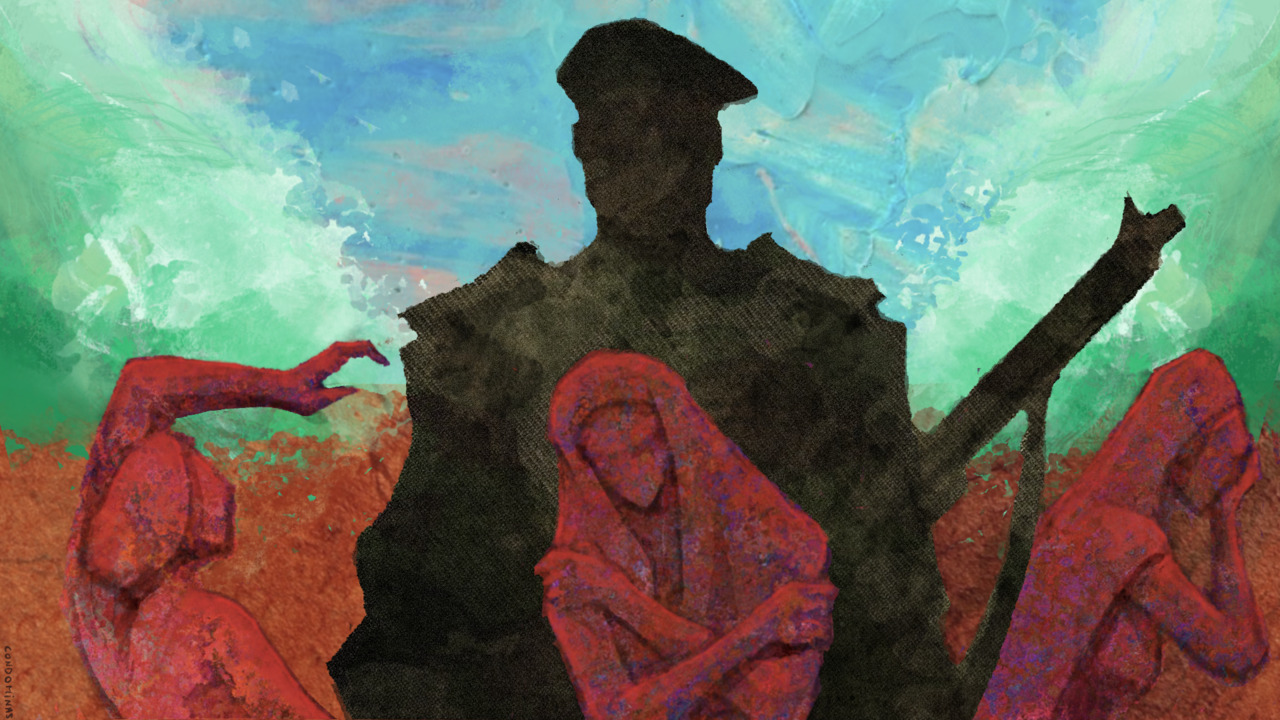
Sexual violence is surging in Mozambique's Cabo Delgado province, where women and girls are trapped between insurgents and soldiers after nearly a decade of conflict. Rich in natural gas, precious stones and lithium, the northern province has been scarred by attacks from Islamist militants and reprisals by Mozambique's armed forces. This seventh instalment of Mozambique Exposed – an investigation coordinated by Forbidden Stories to which RFI contributed – examines how women have paid the price.
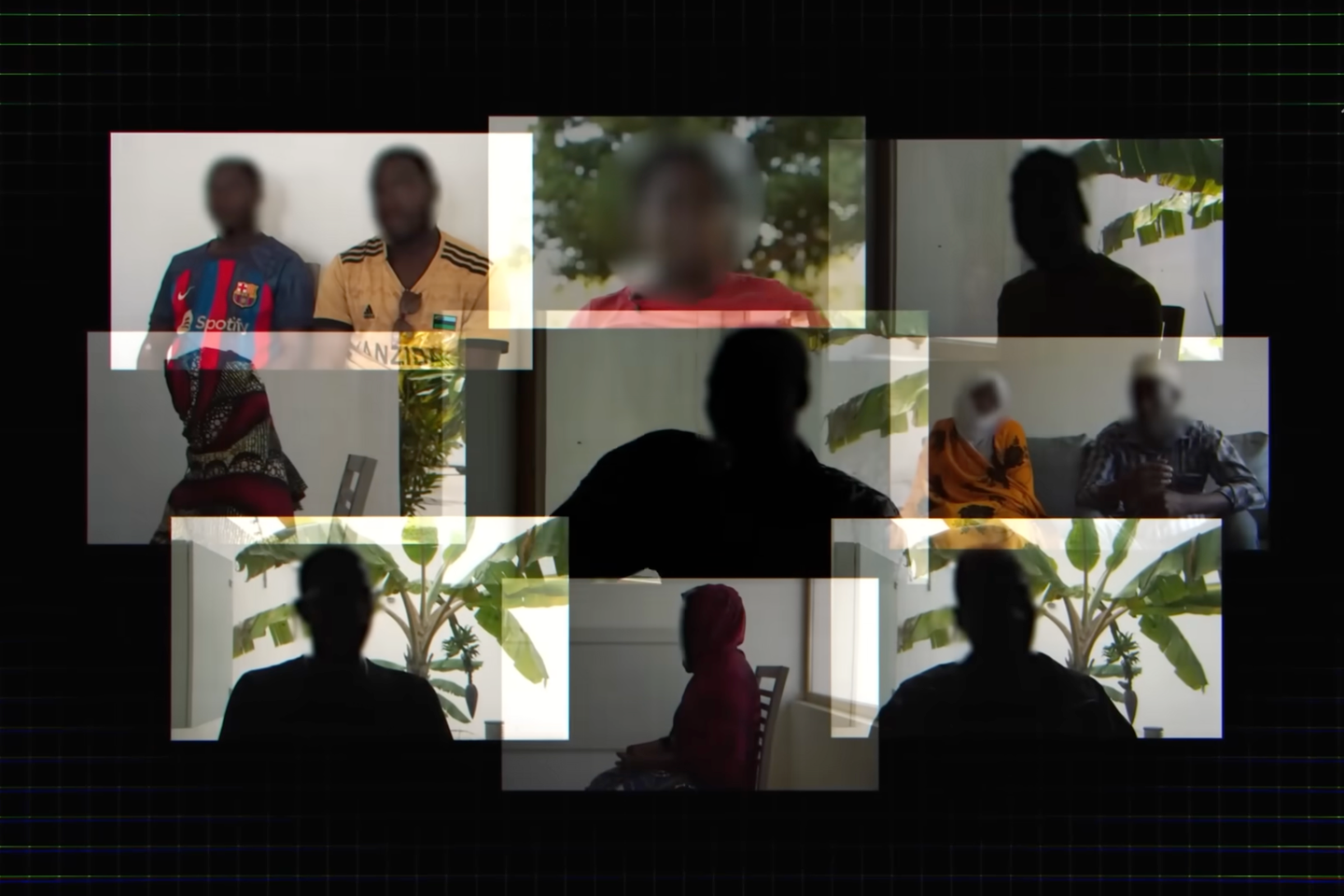
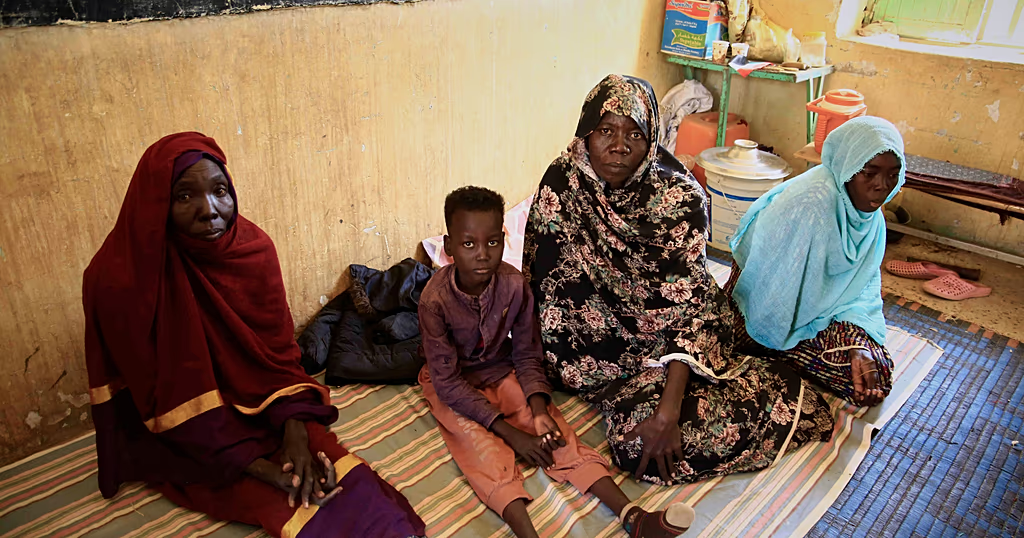
Just before dawn one morning in March 2021, gunfire woke Olessa Ibrahimou as armed men stormed her village near Palma in northern Mozambique. The 41-year-old was pregnant at the time. She tried to flee with her five children, but they were captured. "They separated the children from the adults," she recalled. "When they saw me, my three youngest children ran towards me. The bandits spared us because I was pregnant. But they took away my two daughters, who were 15 and 17." Olessa has not seen her daughters since. Now living in poverty in Pemba, the provincial capital, the only news she has received came from another woman who escaped captivity. "I found a neighbour who had been kidnapped and managed to escape," she told RFI. "She told me my youngest daughter had a child." Olessa's story is one of dozens recorded in a 2024 report by the United Nations Population Fund (UNFPA) titled The Voices of Mozambique. The report, which has never been made public, documents widespread gender-based violence in Cabo Delgado. UNFPA said it was not published because of quality concerns, without giving further details. Between January and April 2024, the agency interviewed more than 100 people in seven of Cabo Delgado's 16 districts. Victims, relatives, aid workers, community leaders and religious leaders all described the same pattern: sexual violence has risen sharply since the conflict began in 2017. Mozambique journalists face killings and silence as repression deepens Abduction and enslavement The report says large numbers of women and girls have been abducted and trafficked by armed groups. It also documents torture, extrajudicial killings and the use of women and children as human shields by a terrorist group known locally as Al-Shebab and linked to the Islamic State (although with no connection to the Somali militant group of the same name). "Once the girls are kidnapped, they are put online and the armed men make their choice," a social worker in Mocimboa da Praia, who asked not to be named, told RFI. "Those who are chosen are forced into marriage. The others become slaves of the group." Women are forced to carry fighters' equipment, cook and collect firewood. Some are also subjected to sexual slavery. "When they wanted to punish us, they tied our hands behind our backs and left us like that for three days," one survivor told UNFPA. "During that time, any man who wanted to could come and rape us." Escaping captivity does not always end the ordeal. Women who return home often face rejection from their own communities. "In towns occupied by the terrorists, such as Palma and Mocimboa da Praia, pregnant women can be discriminated against because communities suspect the father is one of the fighters," a gender-based violence specialist told UNFPA. Mozambique police accused of using spy networks to pursue government critics Soldiers and impunity The UN report also accuses Mozambique's armed forces (FADM) of committing widespread sexual violence. It documents numerous cases of sexual assault and rape. "Yesterday, an officer bought drinks for a girl aged 15 or 16," one witness told UNFPA. "He asked her to repay him. When she said she had no money, he forced her to sleep with him. There's a motel right next door. You could hear her screaming and crying." People interviewed by RFI in Cabo Delgado also described repeated abuses by government soldiers. "They have no respect," said Saviana Talessa, president of the health committee in Mocimboa da Praia's 30 June neighbourhood. "They often come at night. They drink. They fire their weapons into the air. We're afraid of them." The report says members of the armed forces also harass women in public. "At the markets, they touch women's breasts and buttocks," one UNFPA source said. "They take whatever they want without paying."