Story audio is generated using AI
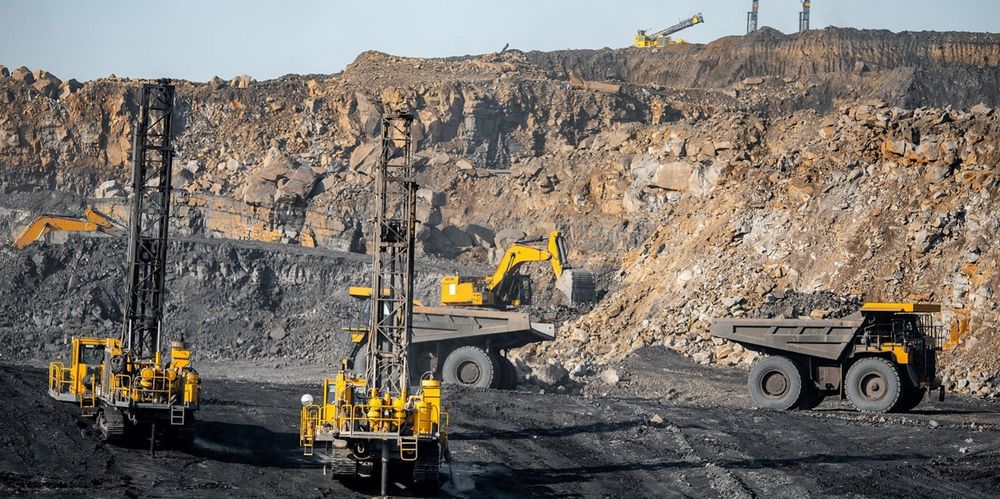
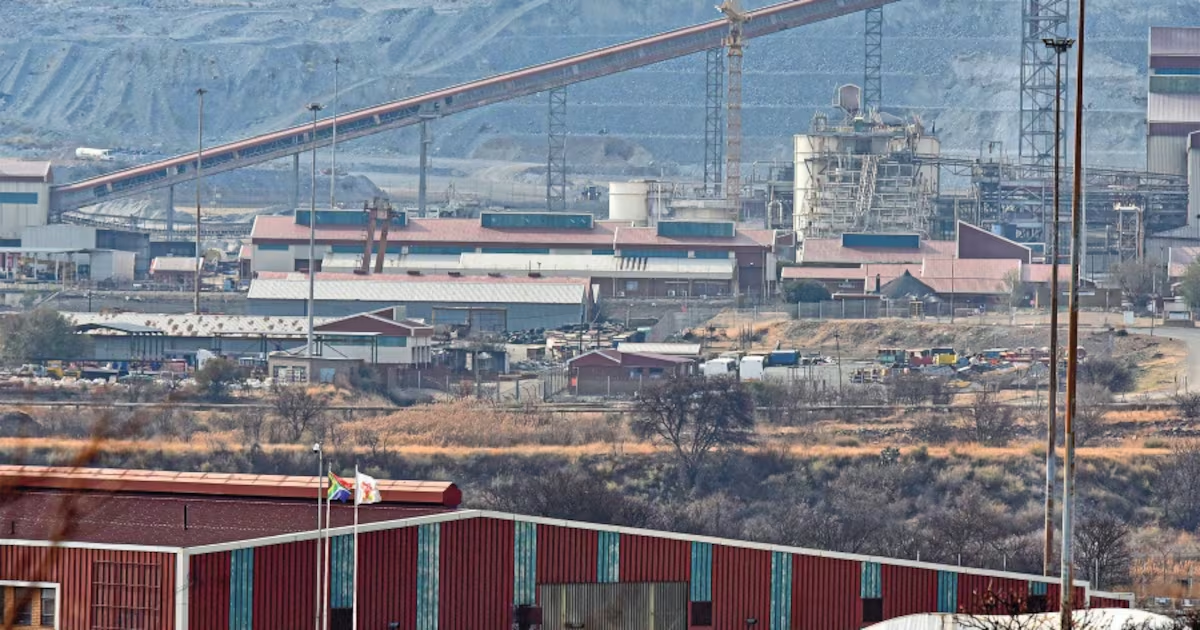
A grueling two months for JSE-listed Gemfields culminated in the sudden exit of CEO Sean Gilbertson as chaos continues to cripple the ruby mining districts of Mozambique’s Cabo Delgado province.While war between Islamic insurgents and Mozambican security forces has been ongoing for nearly nine years in Cabo Delgado, the nearness of recent attacks has escalated the firm’s security concerns, according to a statement published on Tuesday.Between late April and June, the company has eyed with growing concern a barrage of attacks on villages scattered around its Motepuez Ruby Mining (MRM) operations.Attacks on a number of nearby villages, including the village of Mesa and Naniviji, and some as close as 15km from MRM, saw churches and village homes burnt. At one point in early May, the company was forced to pause operations for about 20 hours to prepare for the possibility of a direct encroachment.Some civilians, seeking to take advantage of the situation, impersonate insurgents to scare villagers out of their homes.“The perpetrators appear to have exploited the prevailing security concerns by imitating the presence of insurgent groups, prompting residents to flee before looting property and setting fire to homes,” said Gemfields. “In addition to the risk of organised insurgent groups, threats also arise from locally driven criminal activity, the presence of illegal ruby mining syndicates and broader destabilising factors in the region, including difficulties in delivering adequate rule of law.”The chaos of war has brought a shambolic lawlessness to the region, which poses an ongoing threat to workers and communities at MRM.MRM is a massive deposit, accounting for about half of the world’s ruby supply, which makes it a target for criminal groups and illegal miners.Gemfields estimates that about 700 individuals break into the site every day, posing a “considerable safety risk to MRM’s personnel, contractors and community members”.They also degrade MRM’s ruby resources and recovery grades, which fell from 0.06 carats per tonne last year to just 0.03 carats per tonne in the five months to end-May.MRM is known for the quality of its premium rubies, which typically account for about 70% of its revenue.Gemfields warned that the violence surrounding MRM would negatively impact the operation’s production levels this year, particularly as heavy rainfall and a shoddy set of components recently installed at MRM dealt a blow to the site’s first-quarter performance.Certain components apparently arrived with “higher-than-anticipated wear”, while some original equipment in the second scrubber of MRM’s new processing plant were so defective that they will require a “full rebuild”, with a replacement scrubber expected to arrive in August.“These issues have had a material impact on plant availability and consistency of operation but are being addressed as part of the final commissioning and stabilisation process,” said the firm.Local tax issues have added to the burden. The group said MRM is owed $28.3m (R463.23m) in value-added tax refunds, which haven’t been paid since October 2024.Additionally, new VAT regulations introduced earlier this year “materially increased” the asset’s VAT burden, but also allows for more refunds to qualifying extractive companies such as Gemfields as part of a special tax regime.The company expects to receive $370,000 (R6.05m) in August from tax authorities. “Reliable reimbursement of MRM’s input VAT is of considerable importance to MRM’s future cashflow,” it said.Separately, Gemfields announced that Sean Gilbertson had agreed to step down as CEO and chairperson after more than eight years at the helm.Former CFO David Lovett will serve as interim CEO while the firm begins a formal process to find Gilbertson’s successor.“The board believes that this interim arrangement provides continuity of leadership and ensures ongoing focus on the company’s operational and strategic priorities.“During this interim arrangement, non-executive chairman Bruce Cleaver has agreed to dedicate additional time to supporting the business and the management team,” said Gemfields.The insurgency in Cabo Delgado, which started in 2017, has killed and wounded hundreds of civilians, who have often been the main target of attacks by militant Islamists in the country.A report by the UN Office for the Coordination of Humanitarian Affairs in October warned that violence continues to escalate in the Cabo Delgado and Nampula regions, displacing more than 200,000 people last year and deepening humanitarian needs.Business Day