– Kat Bradshaw
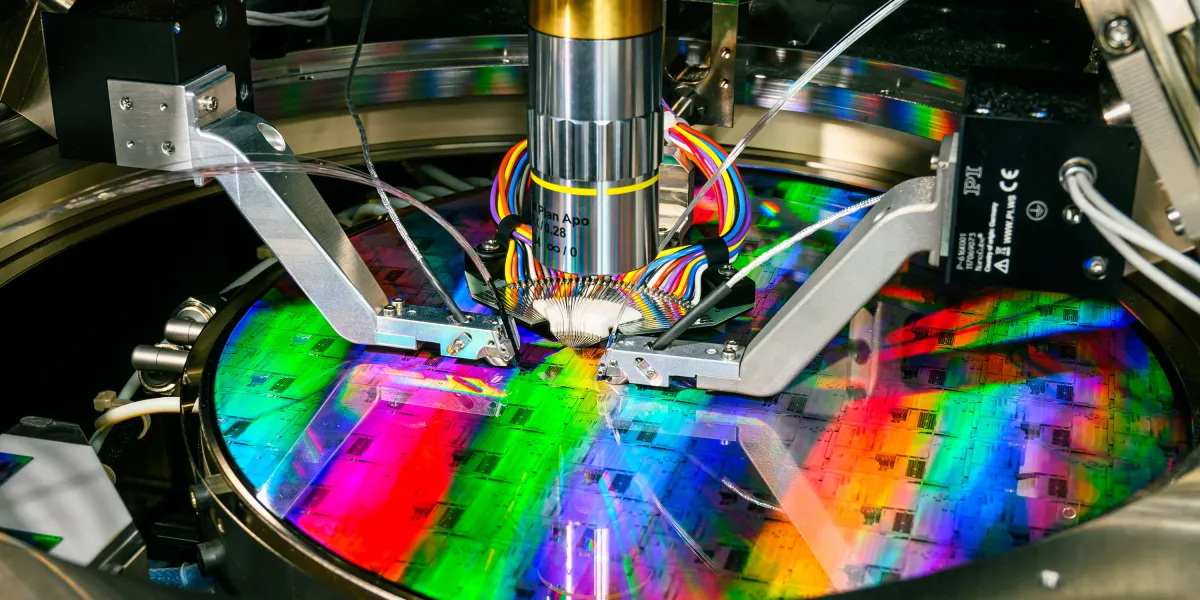
"The chip industry is the most complex that you could imagine, and quantum computing, intrinsically, is based on some of the most complex, non-intuitively understandable math that humankind has ever discovered, and now you're bringing that together,” says Sven Beyer, a distinguished member of technical staff at chip manufacturer GlobalFoundries.
It isn’t quite the famous Richard Feynman quote from 1964 – “If you think you understand quantum mechanics, you don't understand quantum mechanics” – but the sentiment remains the same.
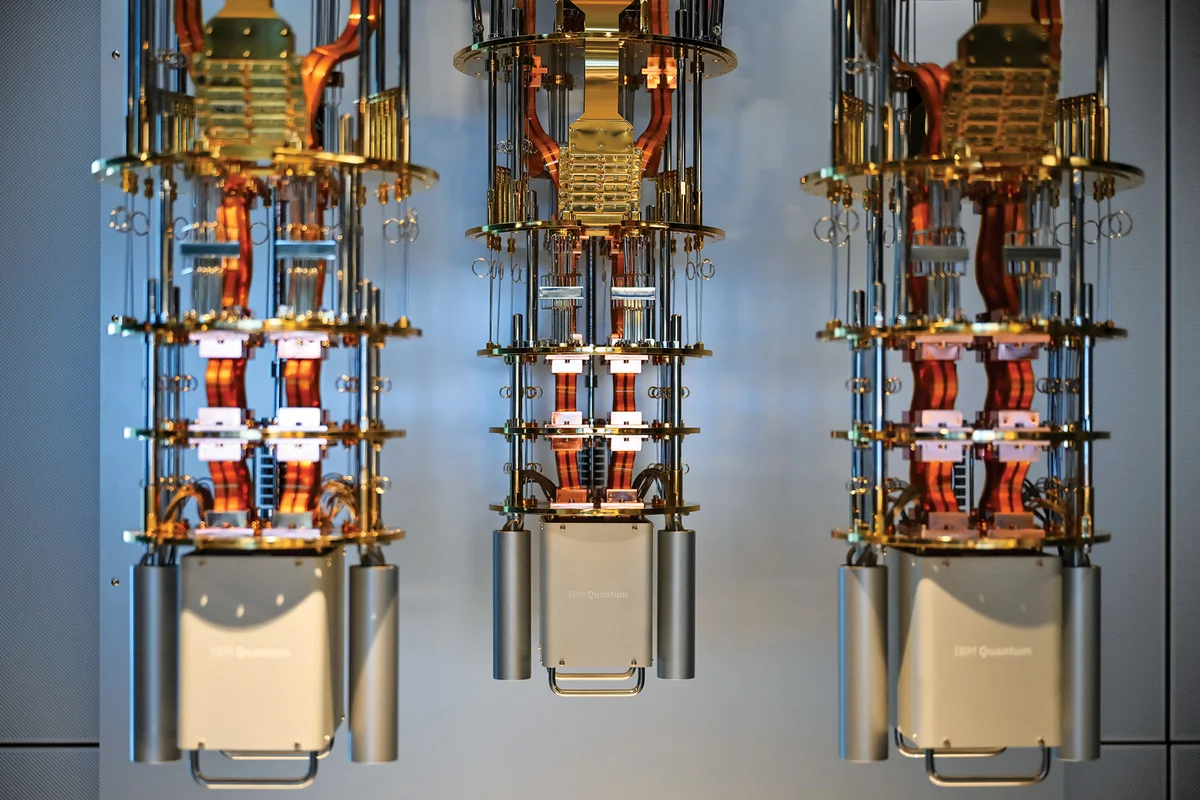
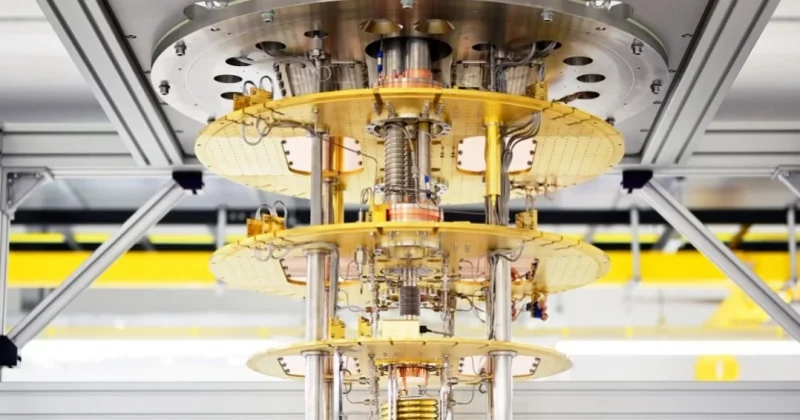
Given the immense computational power quantum computers are theoretically capable of, perhaps one of the more surprising realizations about the technology is that, unlike classical supercomputers that are powered by tens of thousands of processors, quantum computers are powered by just a single QPU, which contains both the physical qubits – the chips that store quantum information – and the supporting control hardware.
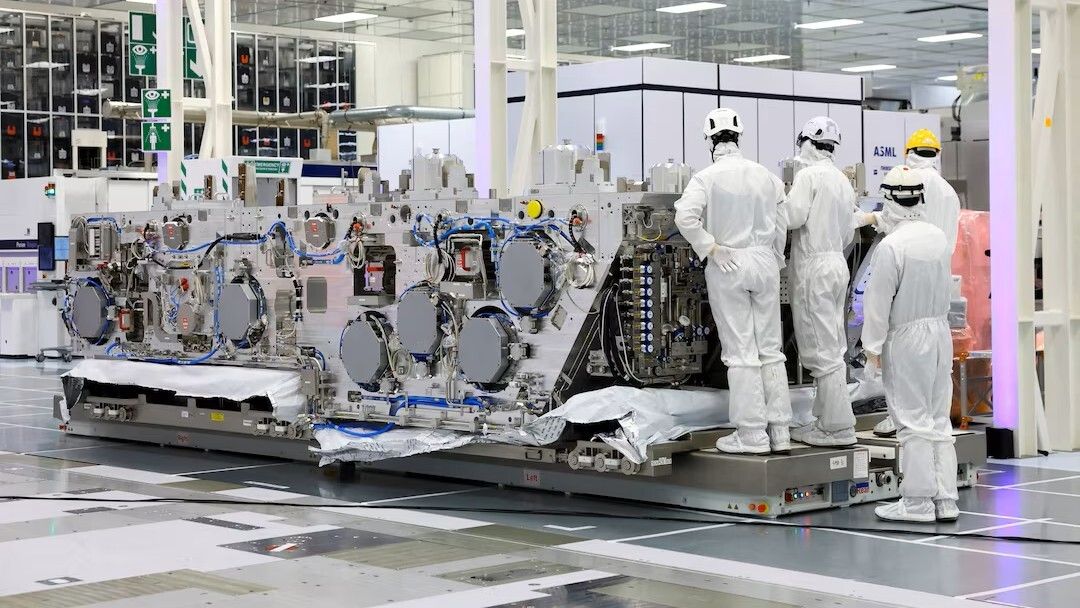
In 2025, TSMC reportedly produced more than 17 million 12-inch silicon wafers, up from 13 million in 2020, and a figure only likely to increase further as the chipmaker brings additional manufacturing capacity online at sites across the US, Europe, and Asia. Nvidia, the world’s largest chip company, reached a $5 trillion market cap last year, posting data center-specific revenue of $51 billion in the final quarter of 2025 alone.