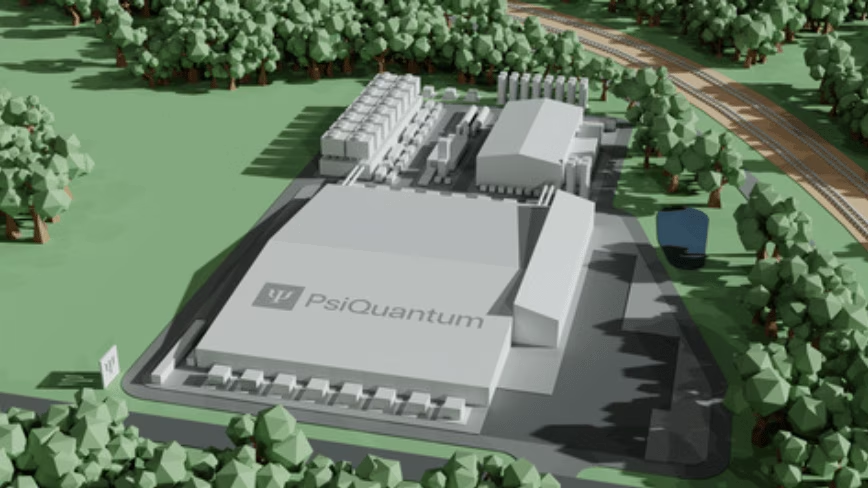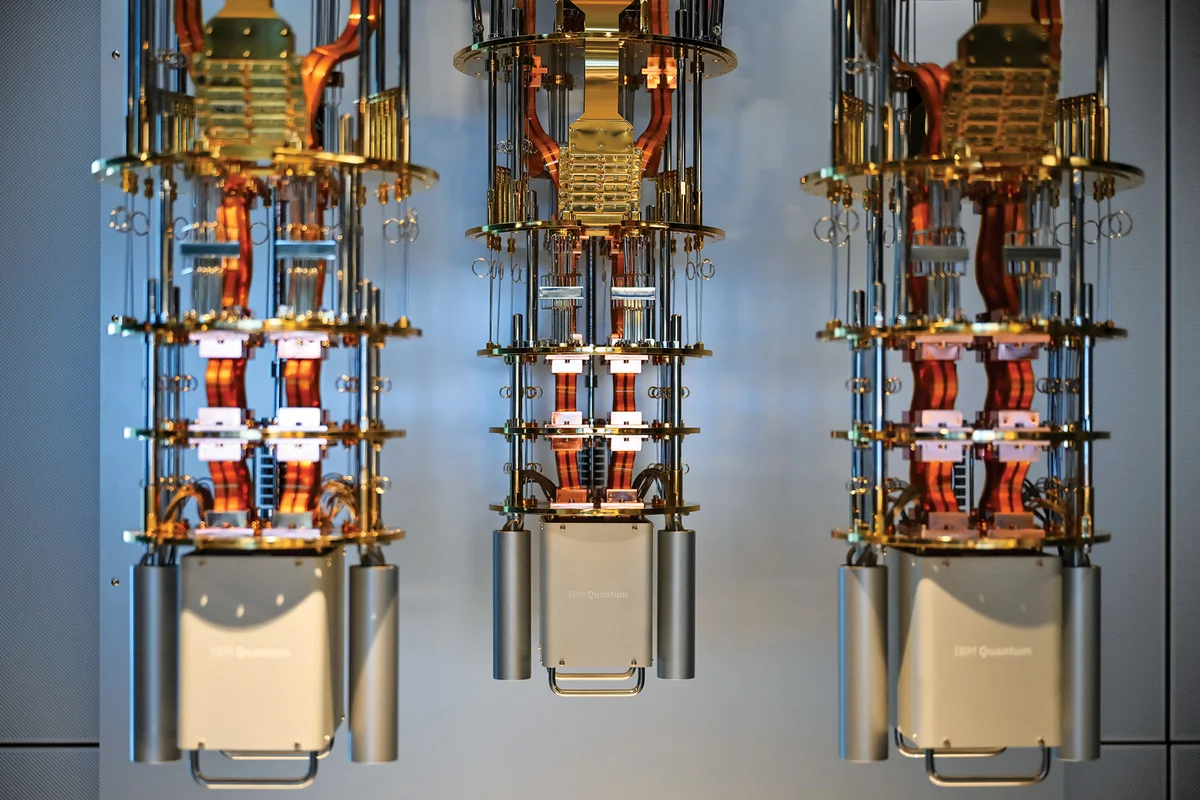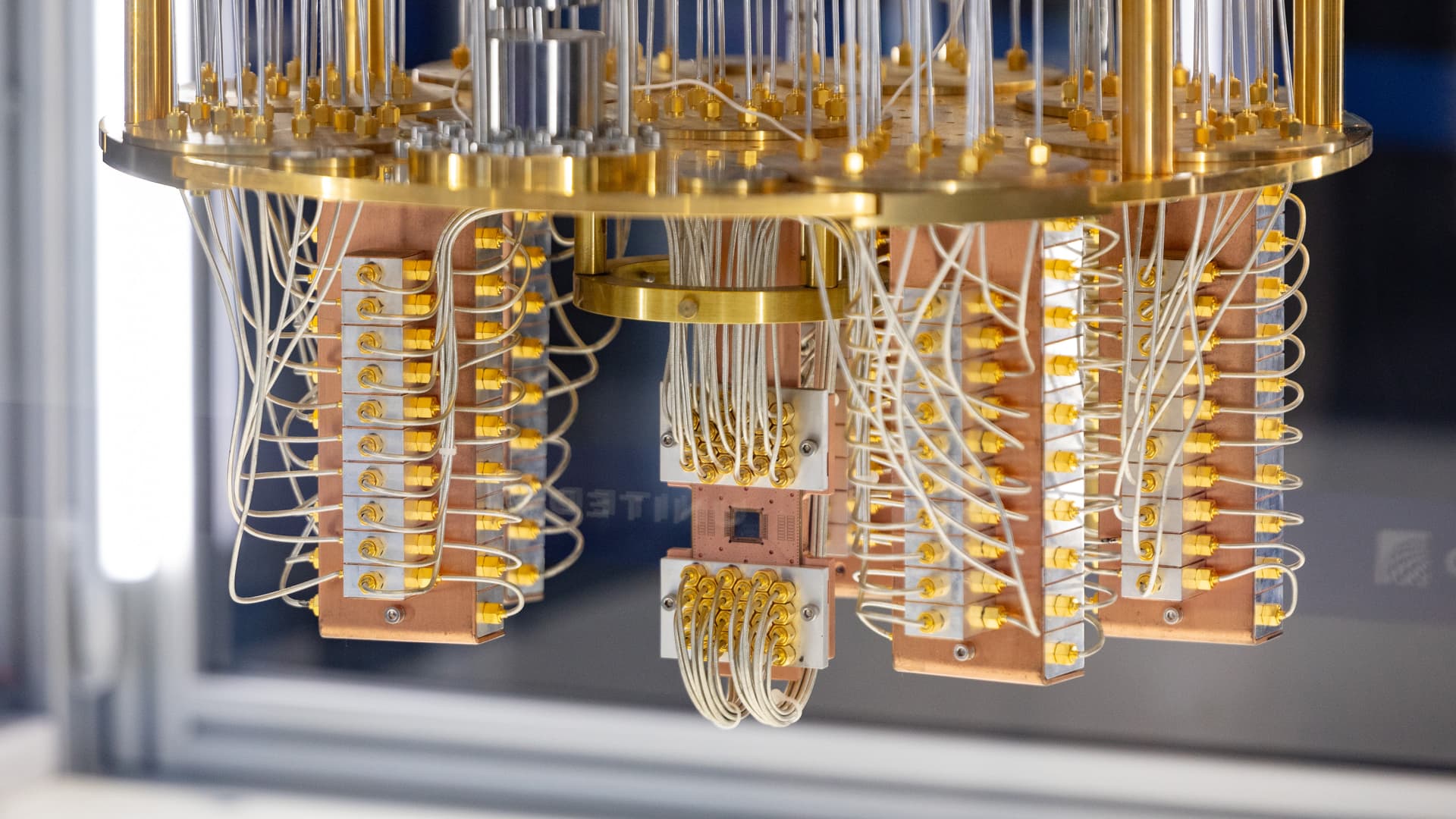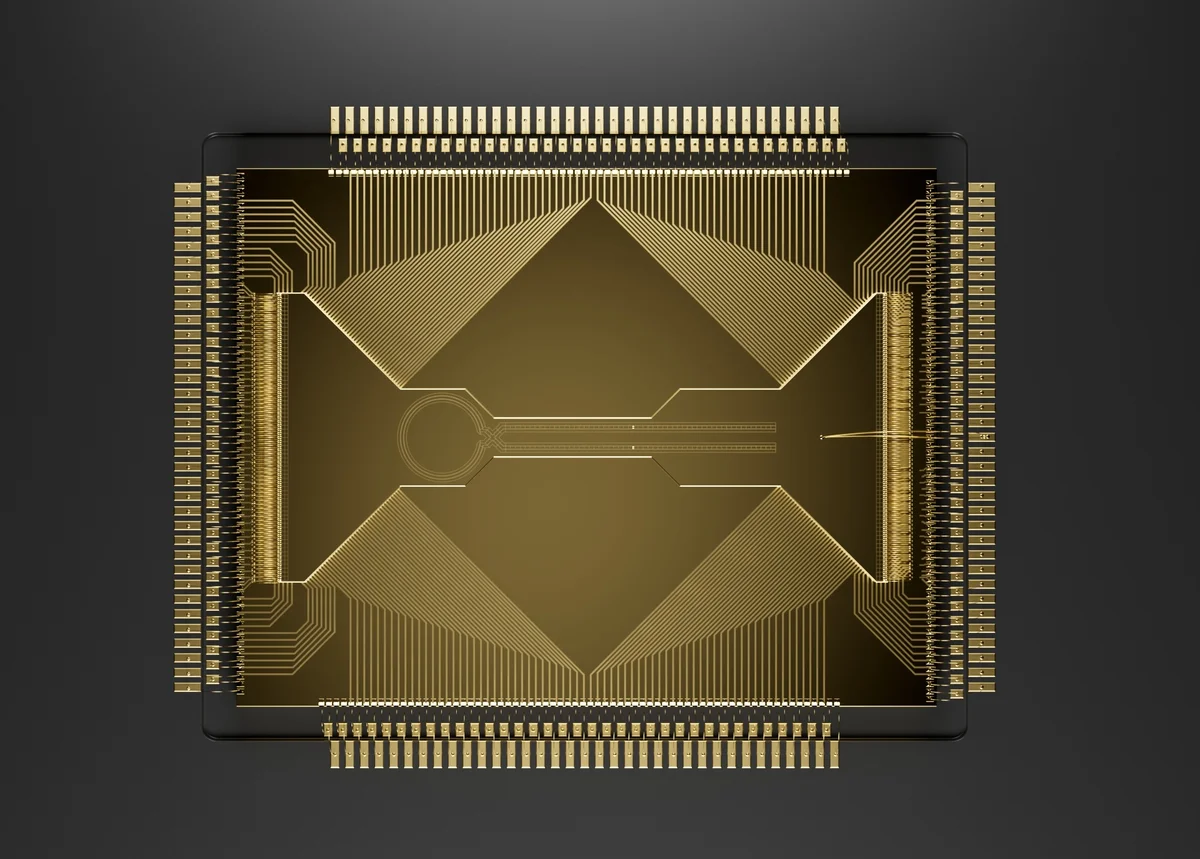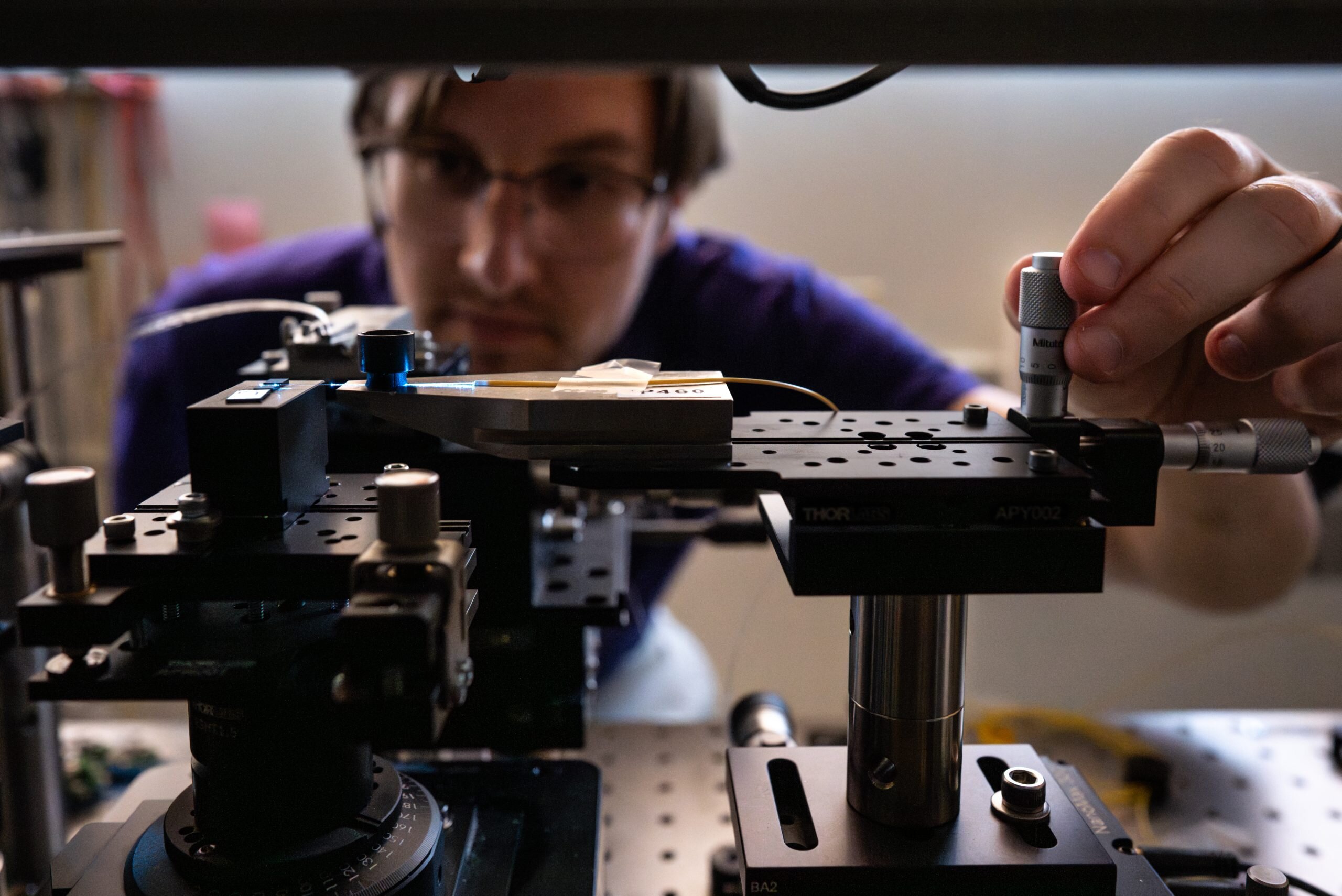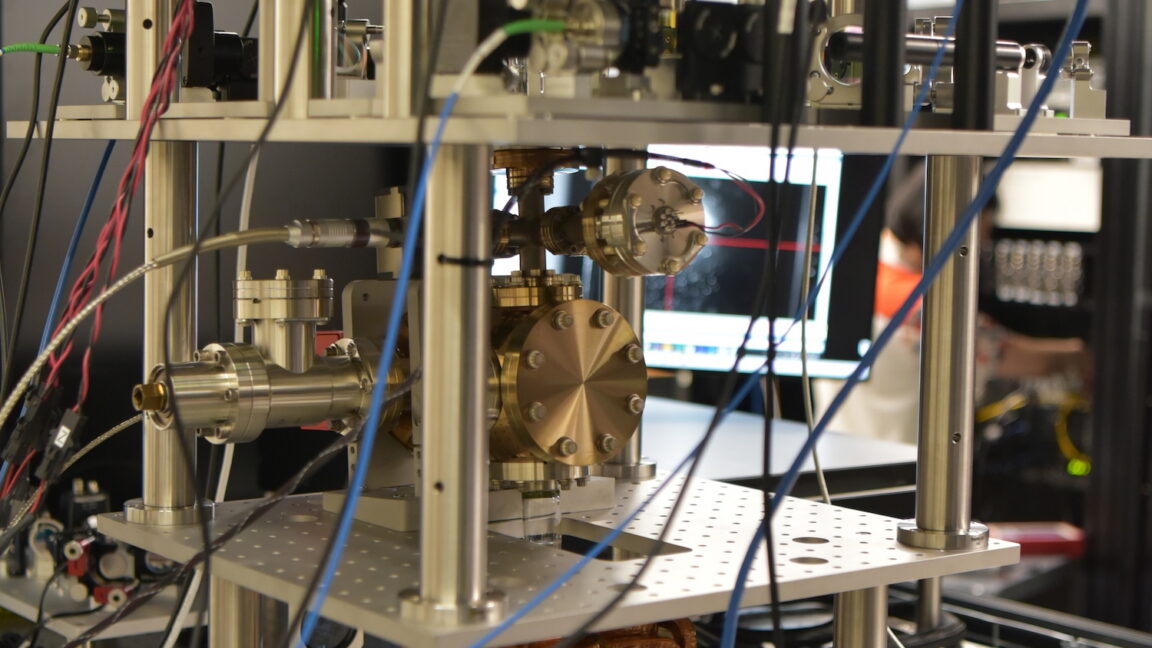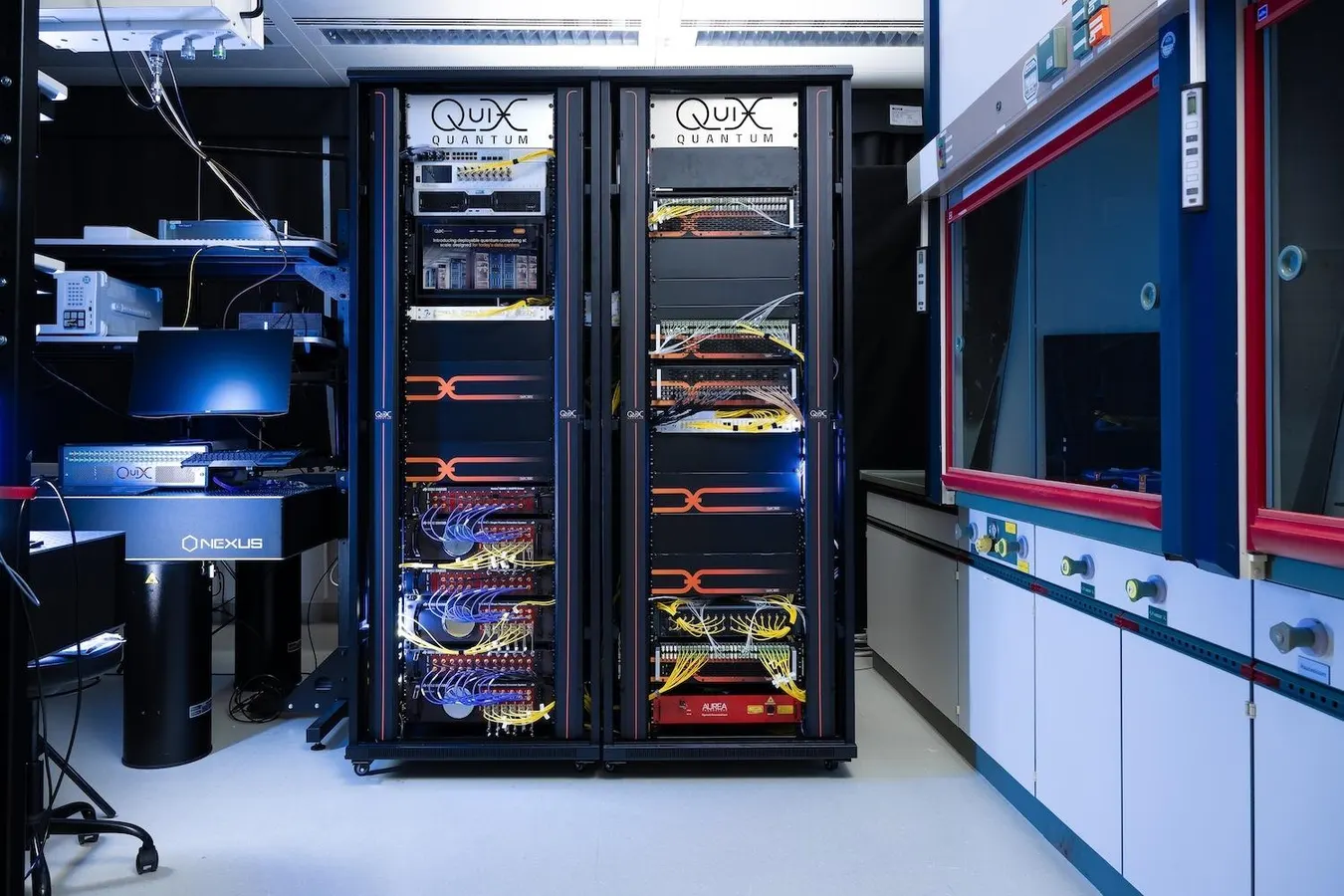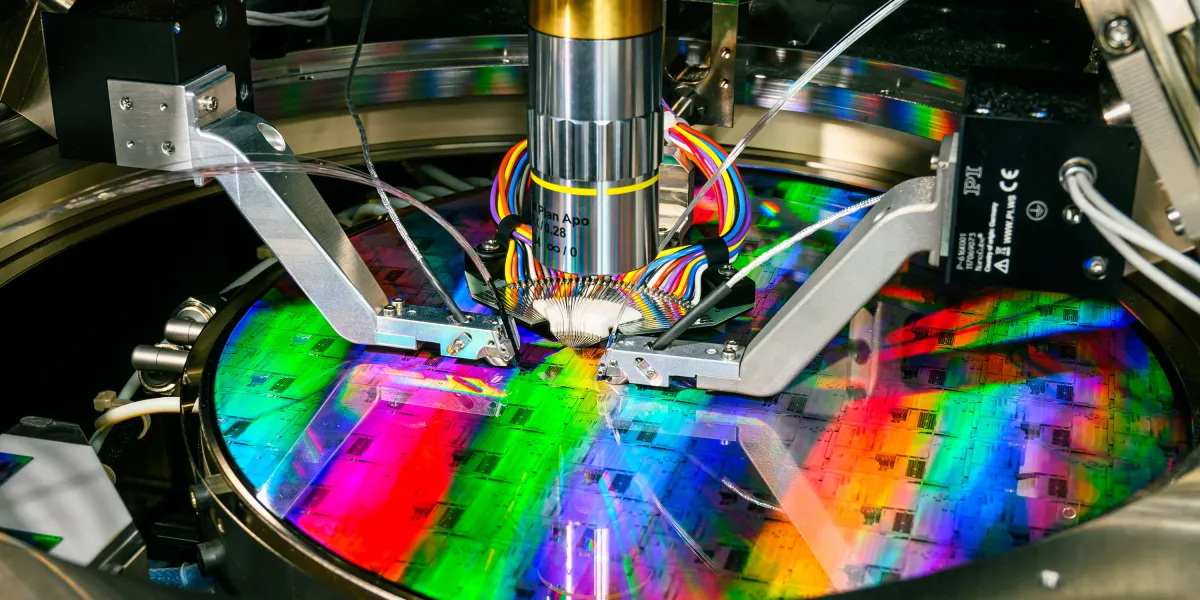
The machine that could change the world will be housed in a room that looks like a data center crossed with an ice cream factory. Inside will be some 100 stainless-steel cabinets, each about six feet tall and connected to a supply of liquid helium that keeps them only a few degrees above absolute zero. Inside those cabinets will be hundreds of chips, and on those, thousands of particles of light flying through a maze of optical switches and beam splitters. Each photon must be accounted for, because precisely measuring where it ends up will help answer questions that current computers might take millions of years to solve. This computer, as described, does not exist. It’s the brainchild of a company called PsiQuantum, founded in 2016 by four physicists from UK universities. In a crowded field of deep-pocketed competitors with similarly fantastical visions, the company aims to be first to fulfill its promise. In the years since the physicist Richard Feynman first envisioned them in 1981, quantum computers have promised to speed up everything from medical research to AI by harnessing the qualities of quantum particles. Unlike normal computer bits, which can be either a 1 or 0, quantum bits can exist in multiple states at once. And combining enough of those quantum bits together could produce a computer capable of tasks well beyond the reach of today’s conventional machines. But even today’s best quantum prototypes are too small and error-prone to do anything useful. That makes PsiQuantum’s promises for what its computers will ultimately do all the more bold. Consider the company’s hopes for predicting the effects of cytochrome P450 enzymes, which often break down drugs in the body. If pharma companies knew more precisely how they would work on a particular molecule, they could design more effective medications faster. Estimating this for a specific drug can take over 10 years with today’s methods, says Philipp Ernst, vice president of quantum applications for PsiQuantum, but “we aim to get it down to four minutes.” The company's chips will be contained in large cabinets. A quantum computer powerful enough to be commercially useful is expected to require roughly 100 of these cabinets connected together.COURTESY OF PSIQUANTUM In a field full of such claims, PsiQuantum has attracted unusual investment and scrutiny for two reasons: It is one of the few companies aiming directly at building a large and useful machine, and it is already working with a major chip manufacturer to build its systems using existing semiconductor fabs. Its vision has attracted momentum: Last year, PsiQuantum raised $1 billion in funding and broke ground in Chicago on a site it’s building in partnership with local governments. It also has a second site in the works in Australia, which it promises will be operational—meaning hardware-ready—in 2027. And it's one of just two companies (along with Microsoft) to reach the third stage of an intensive government evaluation program to see which quantum companies might succeed. Evaluating whether PsiQuantum will do what it says is harder than, say, judging a drugmaker by its clinical trial results: Advances in quantum computing are incremental, opaque, and tough to verify from the outside. But the company is now approaching its prove-it moment, when years of closed-door work and hundreds of millions in investment will either culminate in a useful quantum computer or fall short. We could start to know which as soon as next year.
PsiQuantum has a plan to make a massive quantum computer out of light
The company has drawn governments, a major chipmaker, and the Pentagon into an effort to control fragile photons and build a useful quantum machine. It aims to be the first.
3,622 words~16 min read