Skip to content
GQINewsNews – RecentNews Archive 2025News Archive 2024News Archive 2023News Archive 2022News Archive, 2021News Archive, 2020News Archive, 2019News Archive, 2018News Archive, 2015-2017AnalysisQnalysisPlayersPublic CompaniesPrivate/Startup CompaniesUniversitiesGovernment/Non-ProfitVenture CapitalVenture Capital – Sorted by Quantum CompanyResourcesConferencesToolsOther Websites and Industry AssociationsEducationBooksScorecardsGate Level Software PlatformsIBM Qiskit, Rigetti Forest, Microsoft QDK, Project QReview of the Cirq Quantum Software FrameworkQubit Implementation DashboardQubit CountQubit QualityQubit TechnologySoftware/Startup PartnersCloud Platform Hardware PartnersPodcastsAboutQCR Alerts Sign-Up FormAdvertising InquiriesQCR in the NewsContactPrivacy PolicyMembership
Beyond a Single Quantum Chip: Why the Future of Quantum Computing is Modular
Guest Post by Zeynep Koruturk, Dr. Kris Naudts, and Donald Harmitt of Firgun Ventures
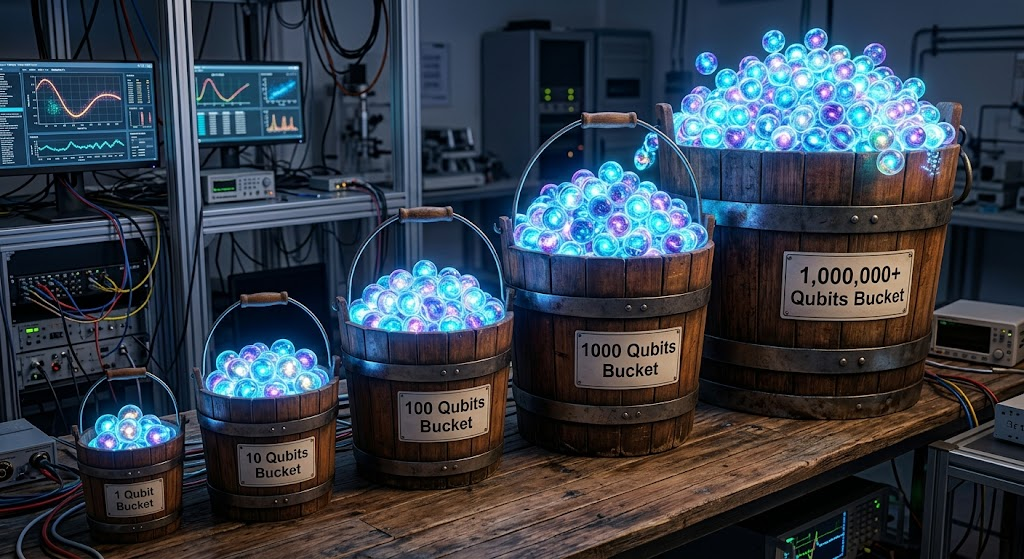
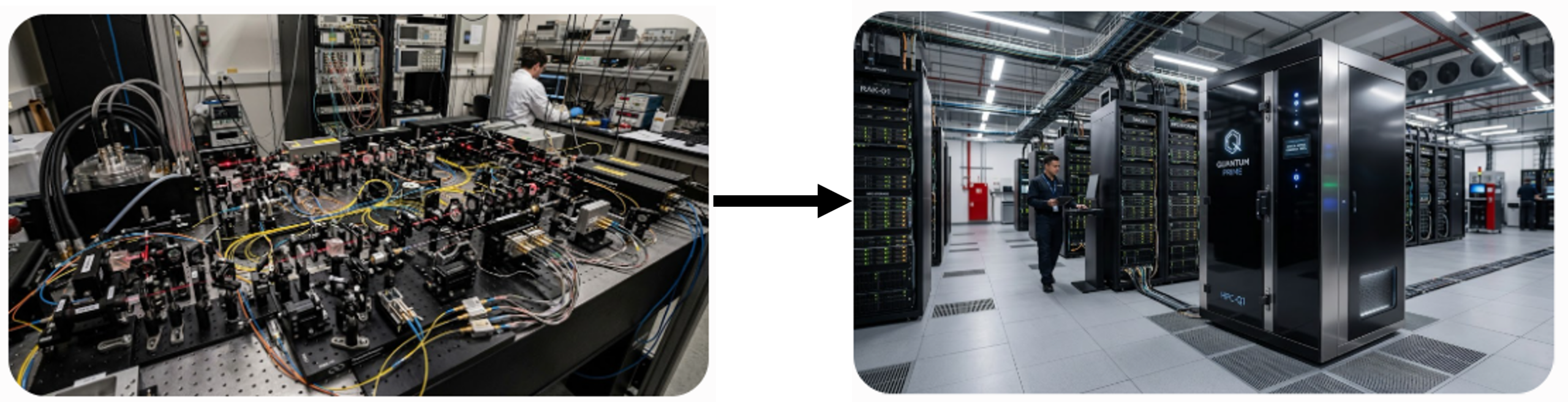
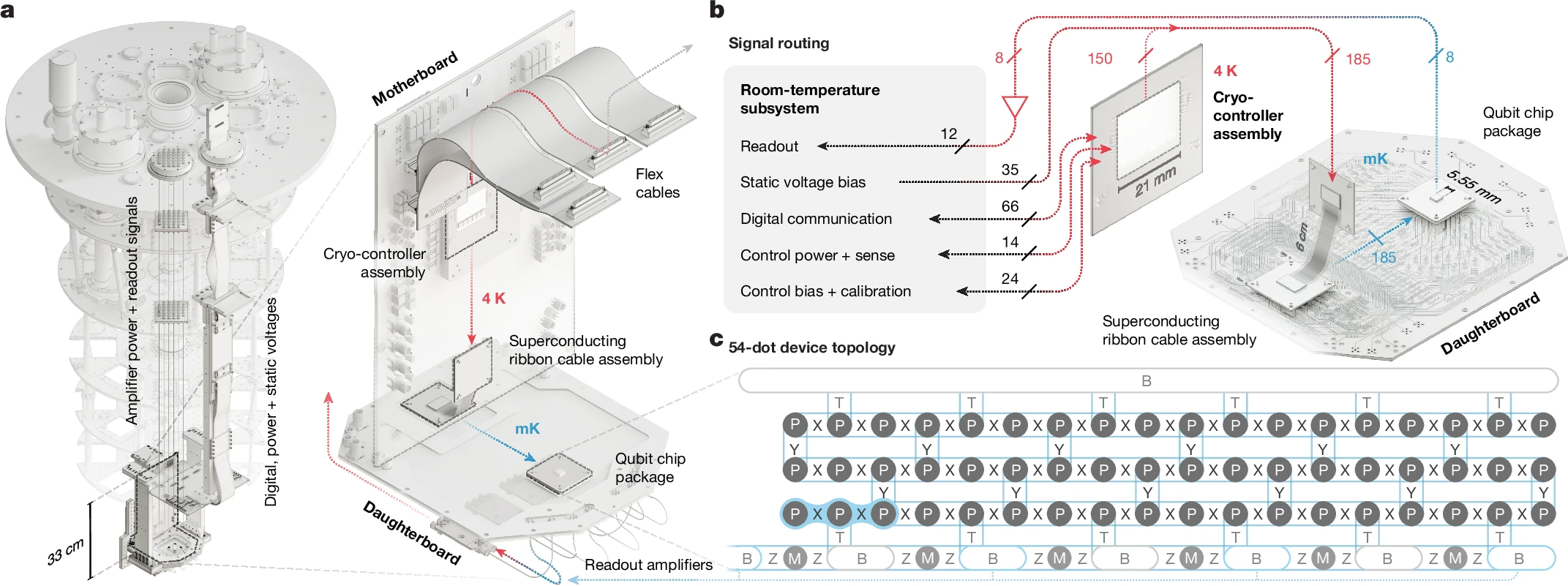
For years, the headline metric in quantum computing has been a simple one: how many qubits can a company fit onto a single chip. Qubits are the basic units of quantum information, and increasing their number signals that the field is moving beyond laboratory prototypes. The race produced steadily larger processors, but it is widely believed that increasingly fitting a significant number of qubits onto a single chip will eventually run into a wall that physics and manufacturing impose together. Beyond a certain size, fabricating a flawless monolithic chip becomes punishingly difficult, and wiring every qubit to every other qubit grows harder with each addition.