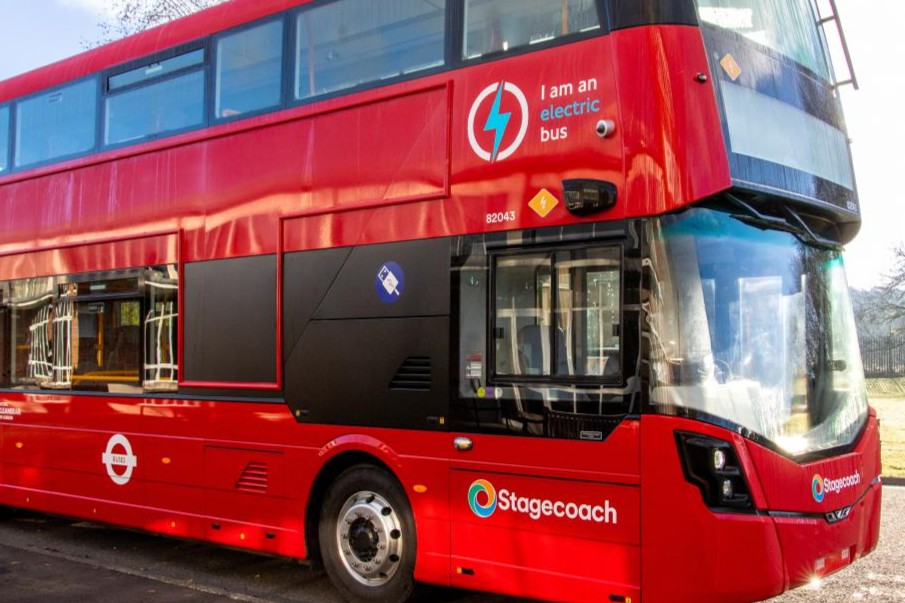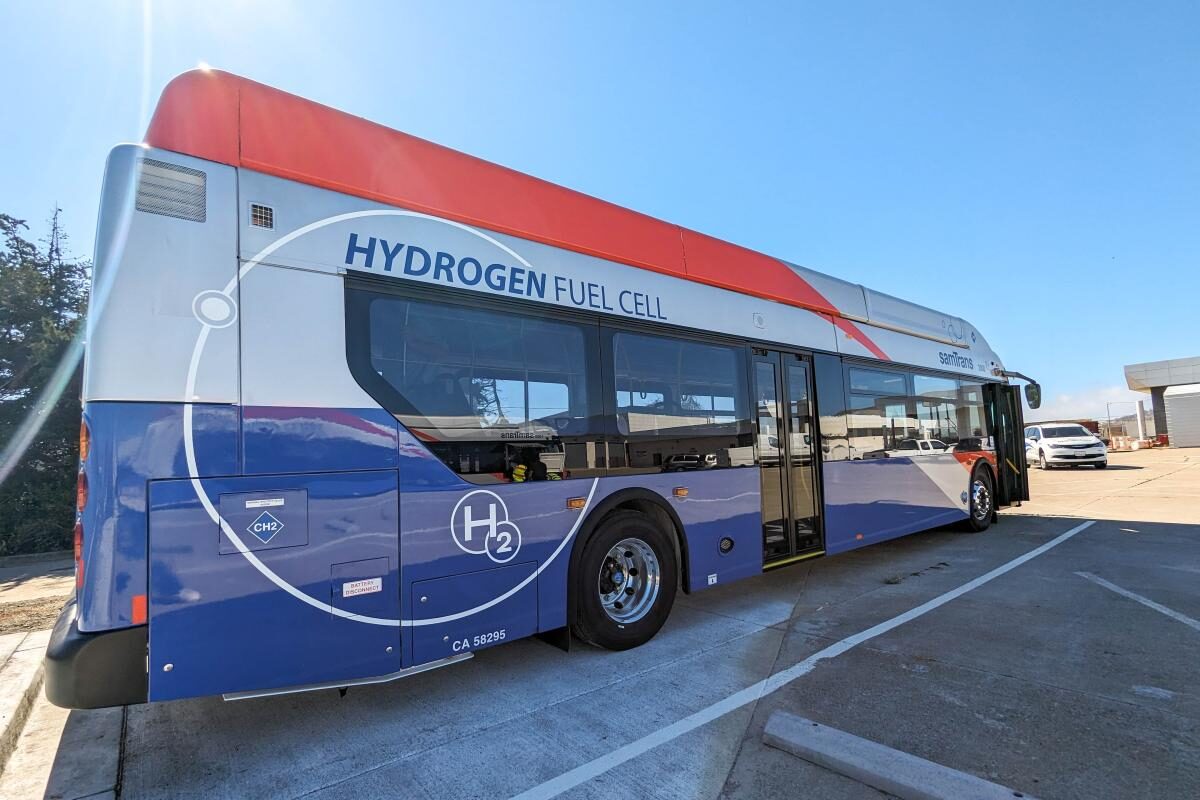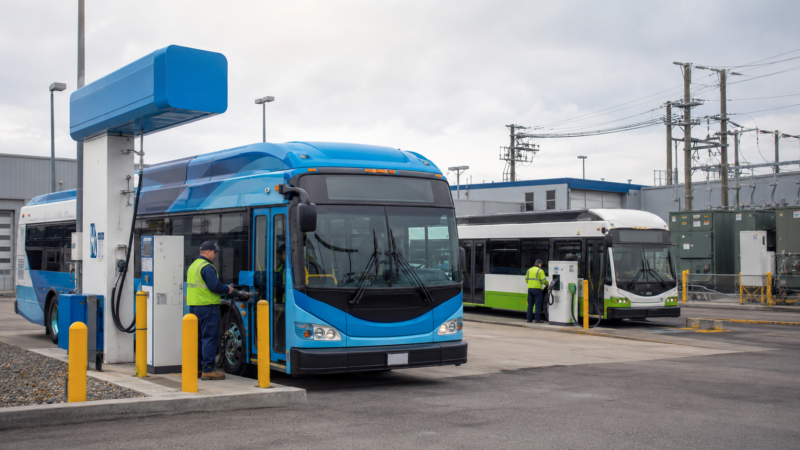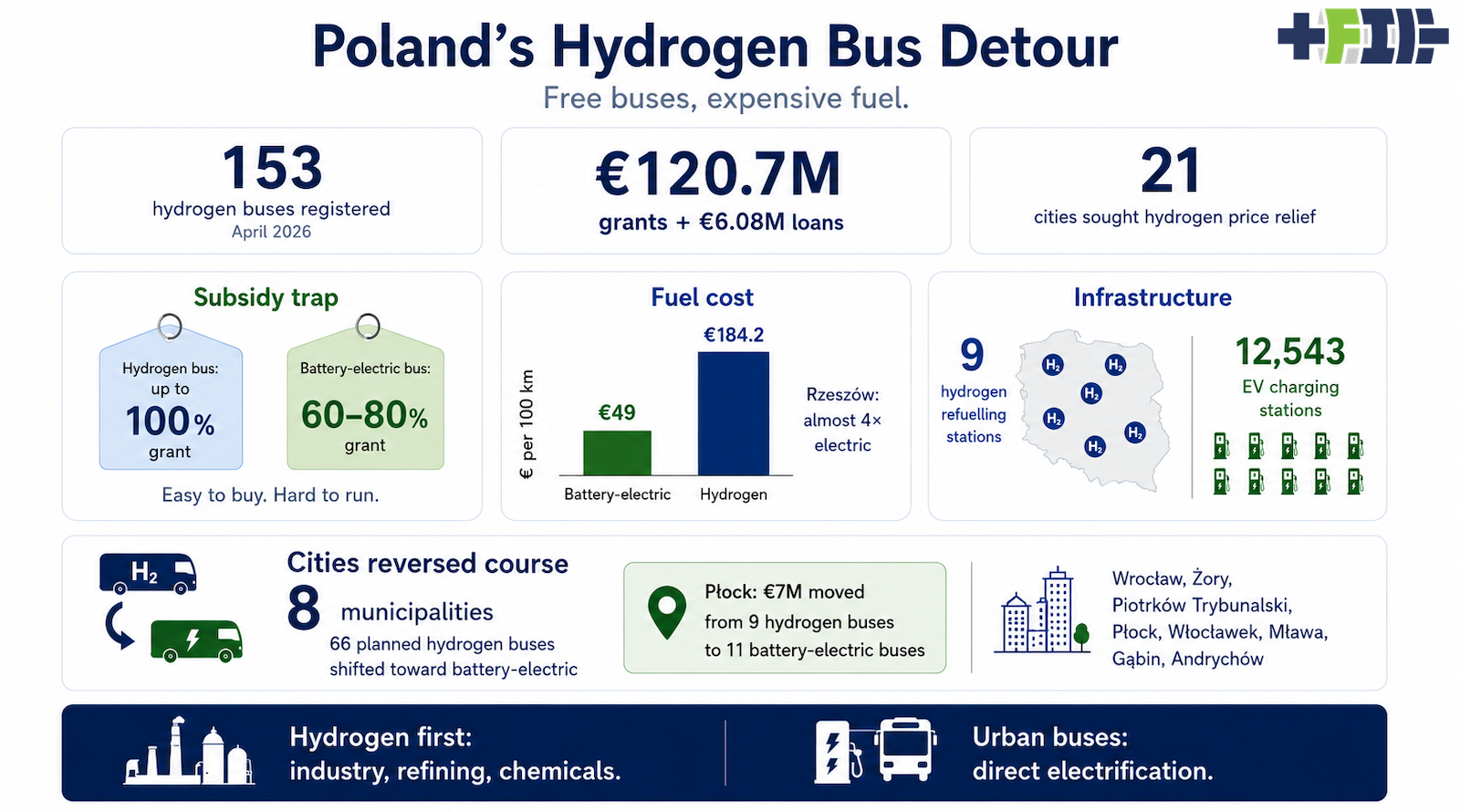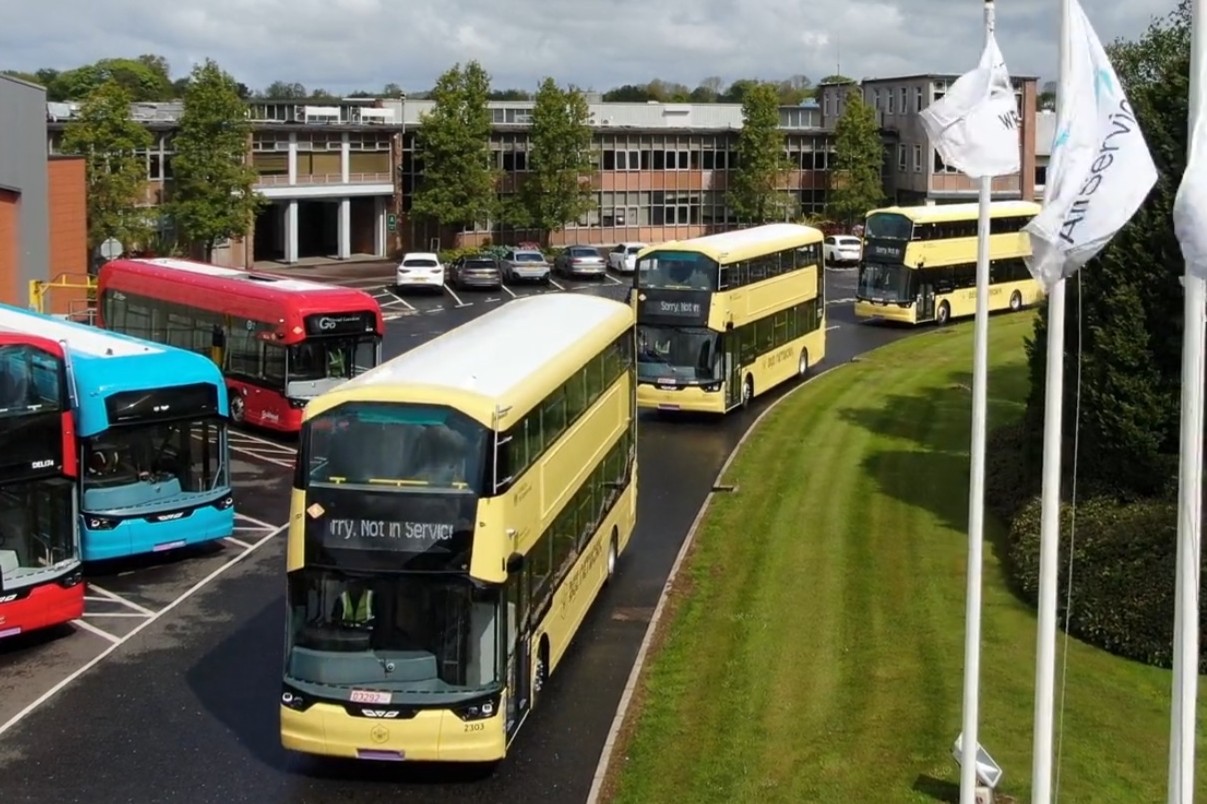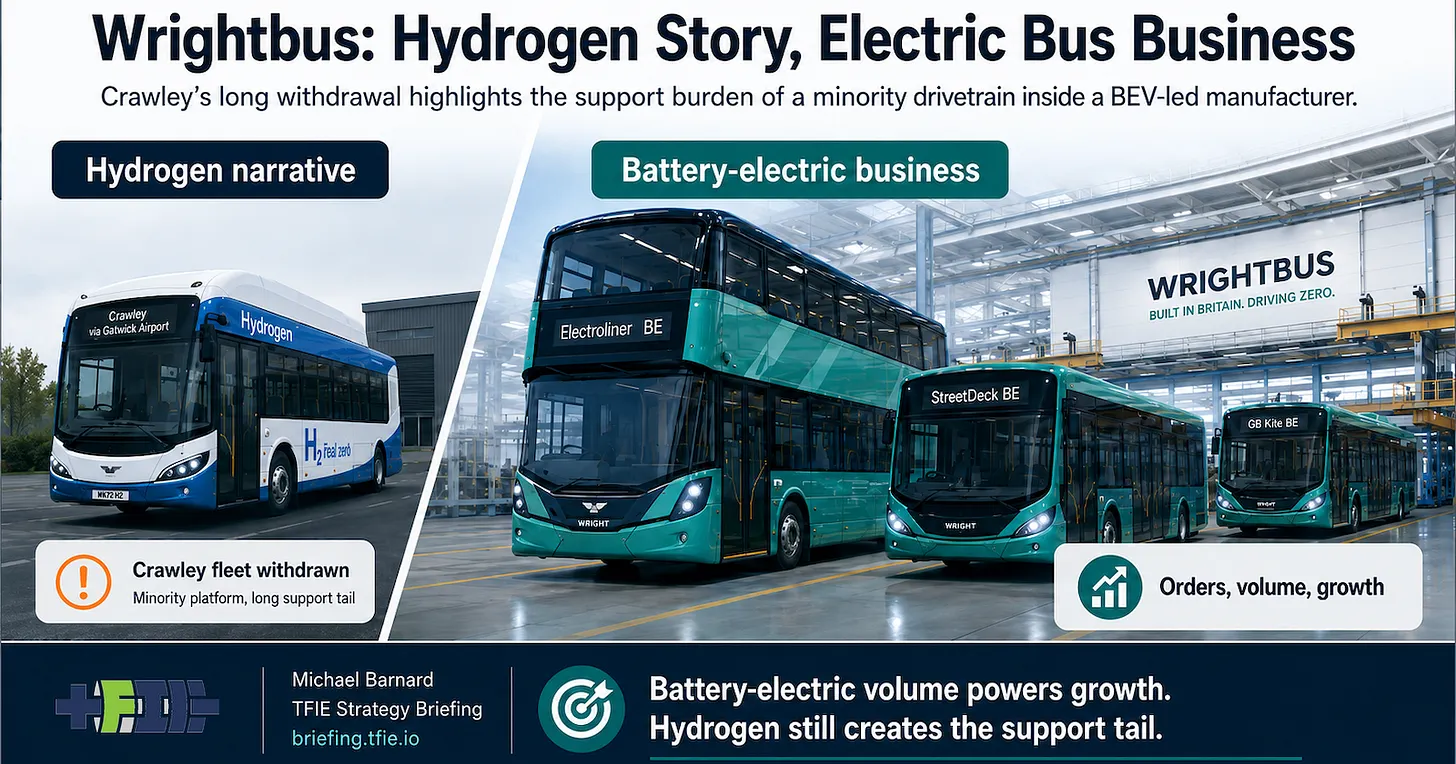
Hero image caption:
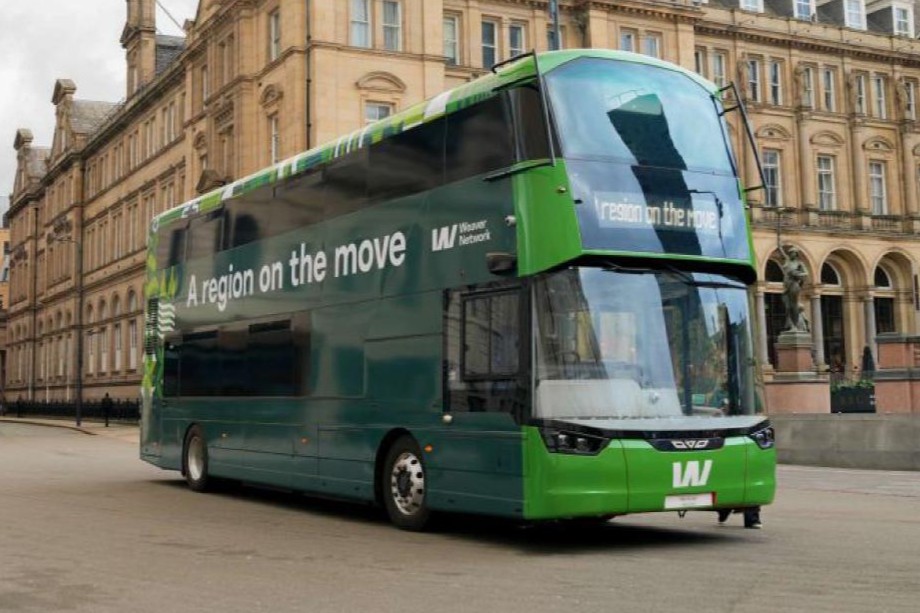
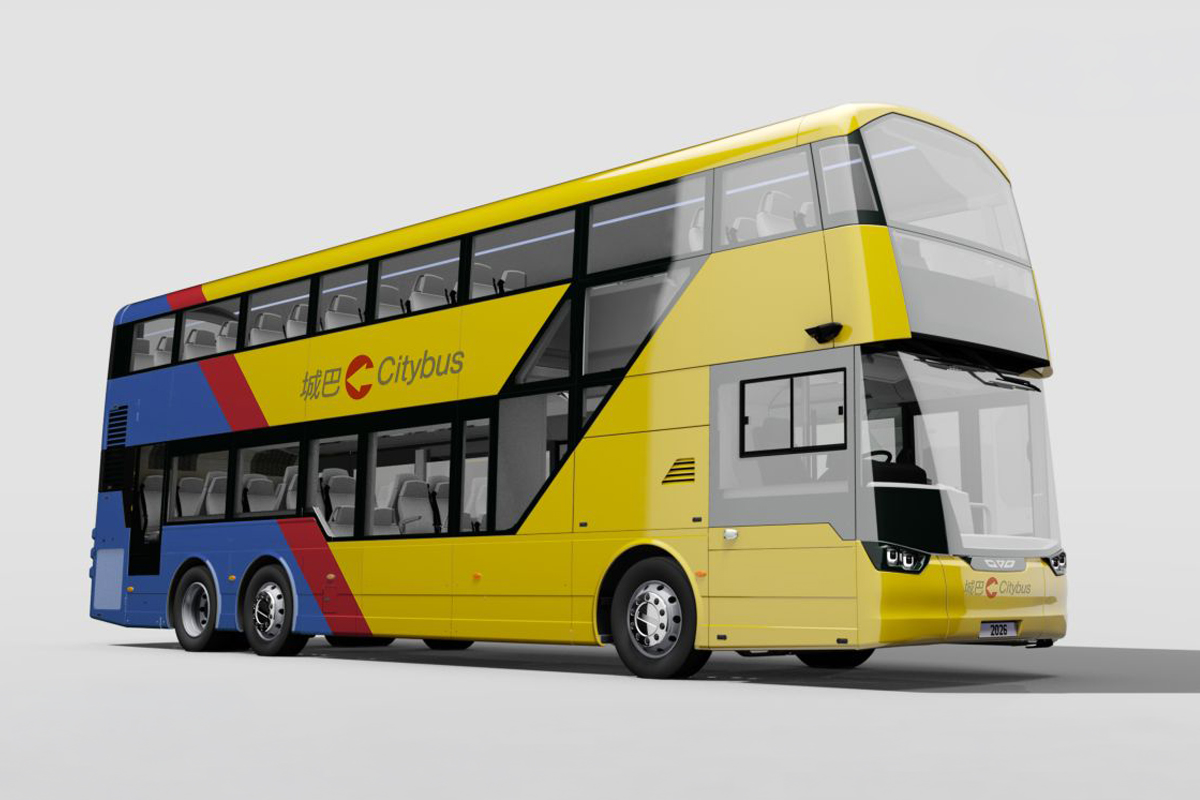
Wrightbus’ hydrogen narrative helped frame the company’s rebound, but battery-electric bus orders are carrying the commercial scale.
Support CleanTechnica's work through a Substack subscription or on Stripe.
A hydrogen bus fire in Crawley should not be turned into a simple hydrogen-cause story. That would be sloppy, and the investigation needs to run its course. But it is a useful hook for the real transit lesson: a small hydrogen fleet can create a large operational support problem, and that support problem gets harder to justify when the manufacturer’s commercial center of gravity is battery-electric buses.
Crawley and Gatwick were supposed to be one of Britain’s stronger hydrogen bus showcases. Go-Ahead, Metrobus, Wrightbus and Air Products had the right ingredients for the story: UK-built zero-emission buses, a liquid hydrogen refuelling station, airport-area routes, government-supported decarbonization, and a visible link to domestic manufacturing. The initial fleet involved 20 Wrightbus GB Kite Hydroliner buses for routes around Gatwick, Crawley and Horley, with hydrogen stored at the Metrobus Crawley depot in liquid form before being converted to gas for the buses. A further 34 buses were planned, taking the project well beyond a token demonstration and into the territory where fleet operations start to matter.