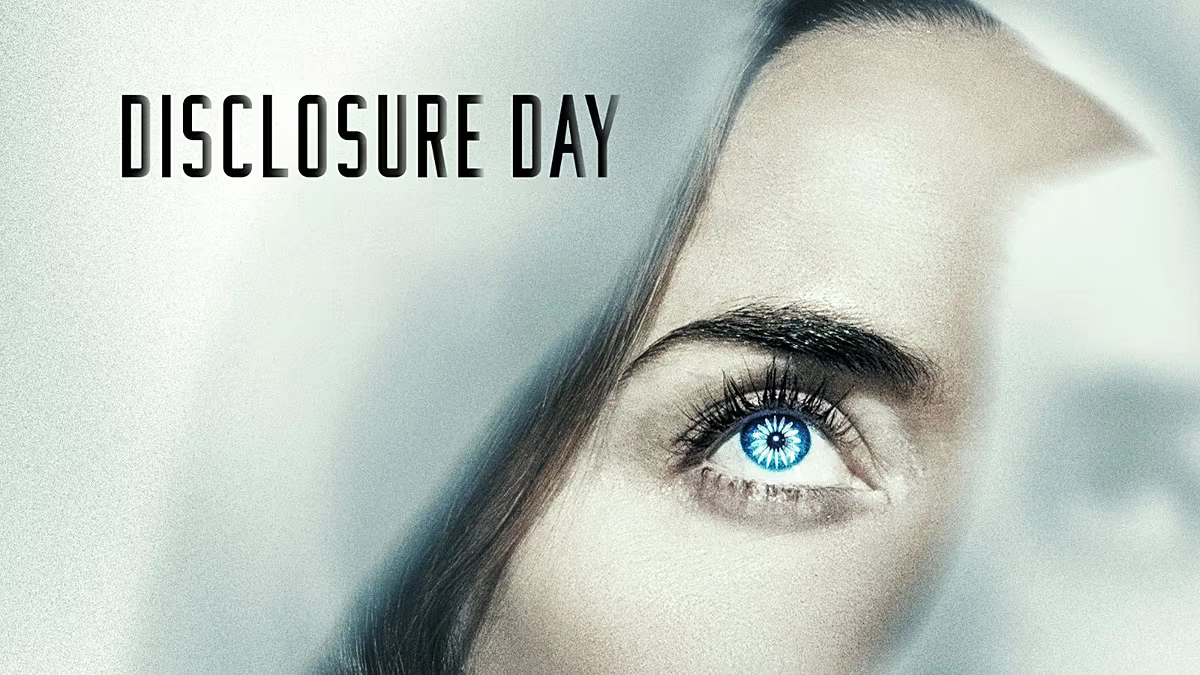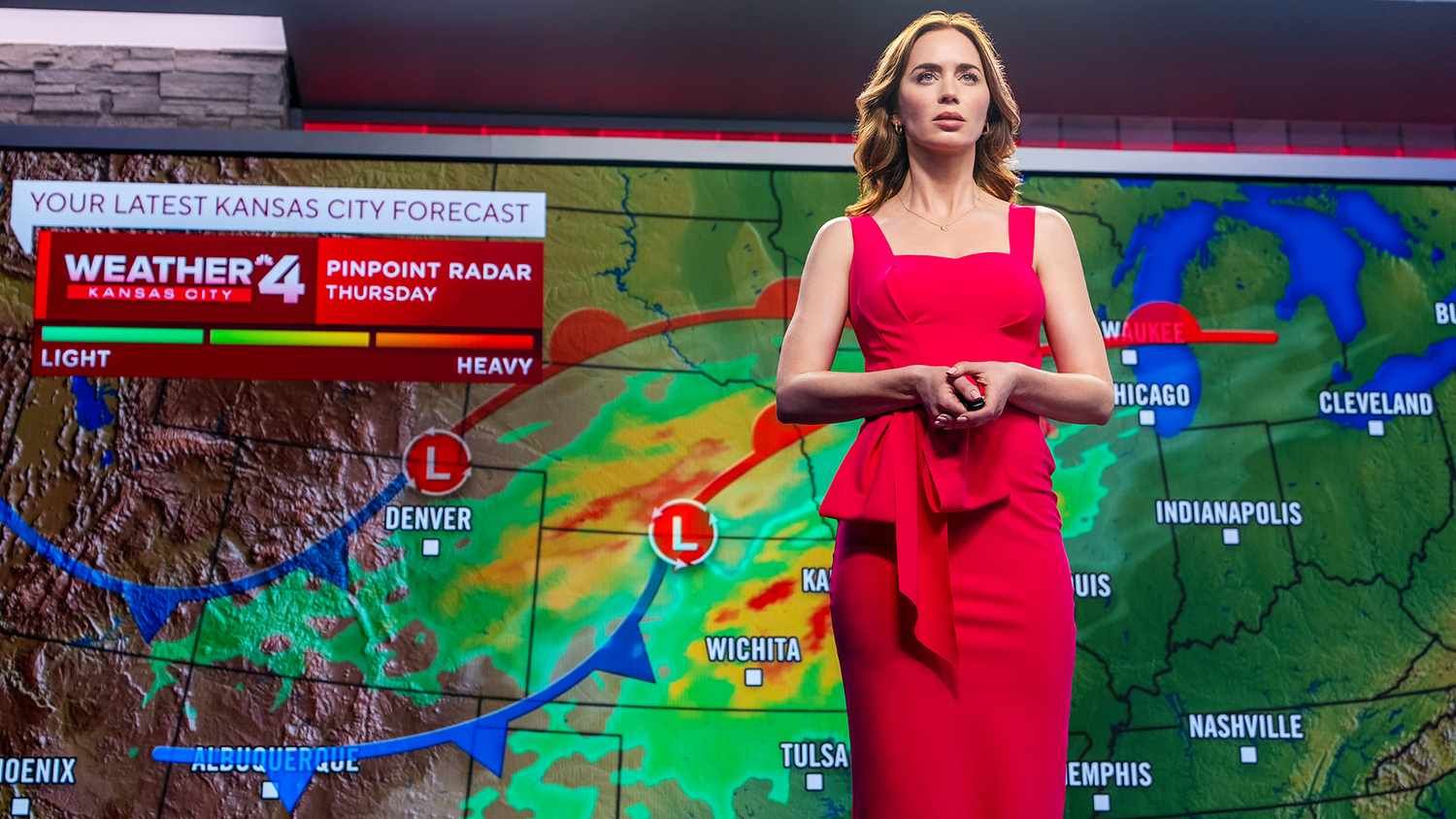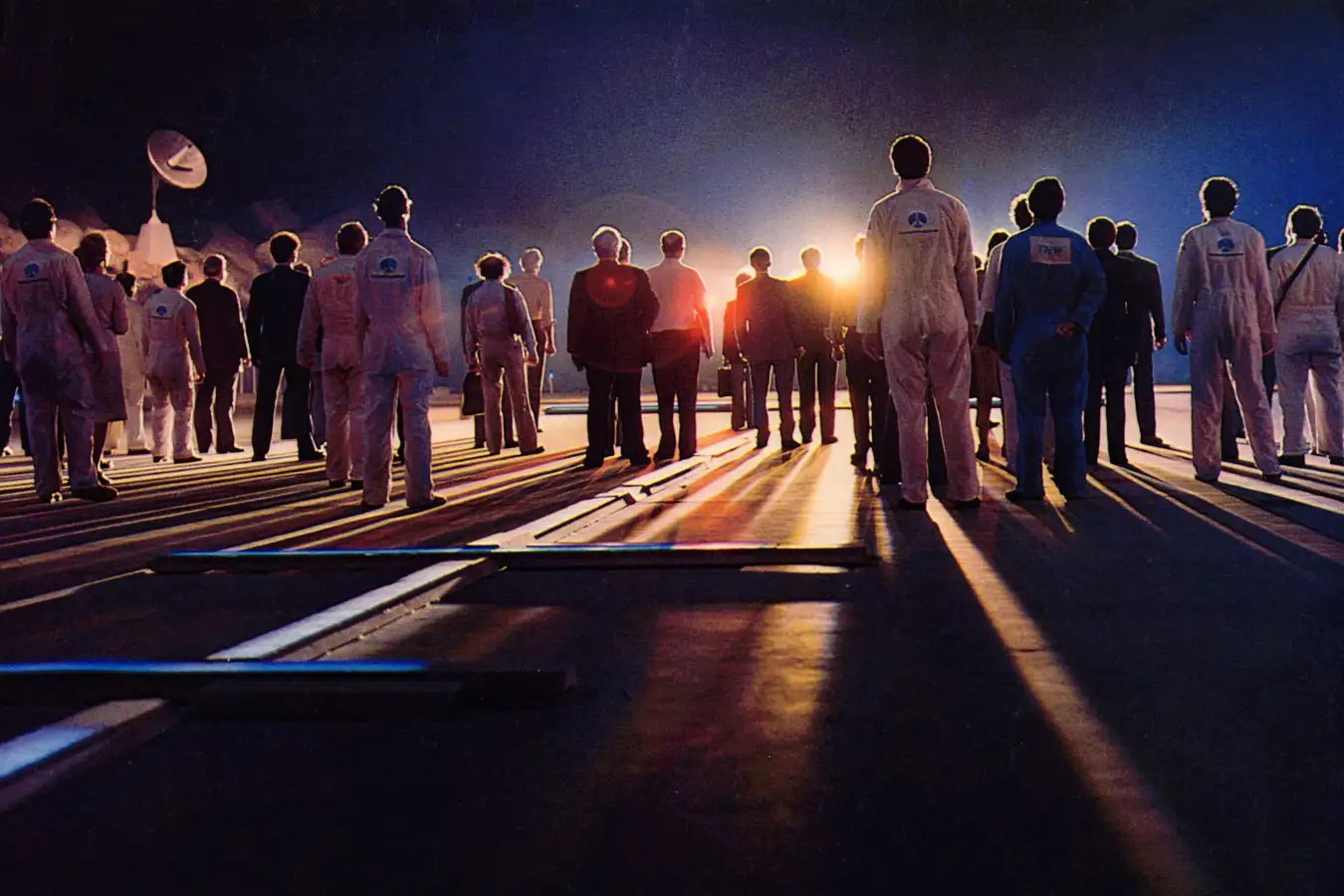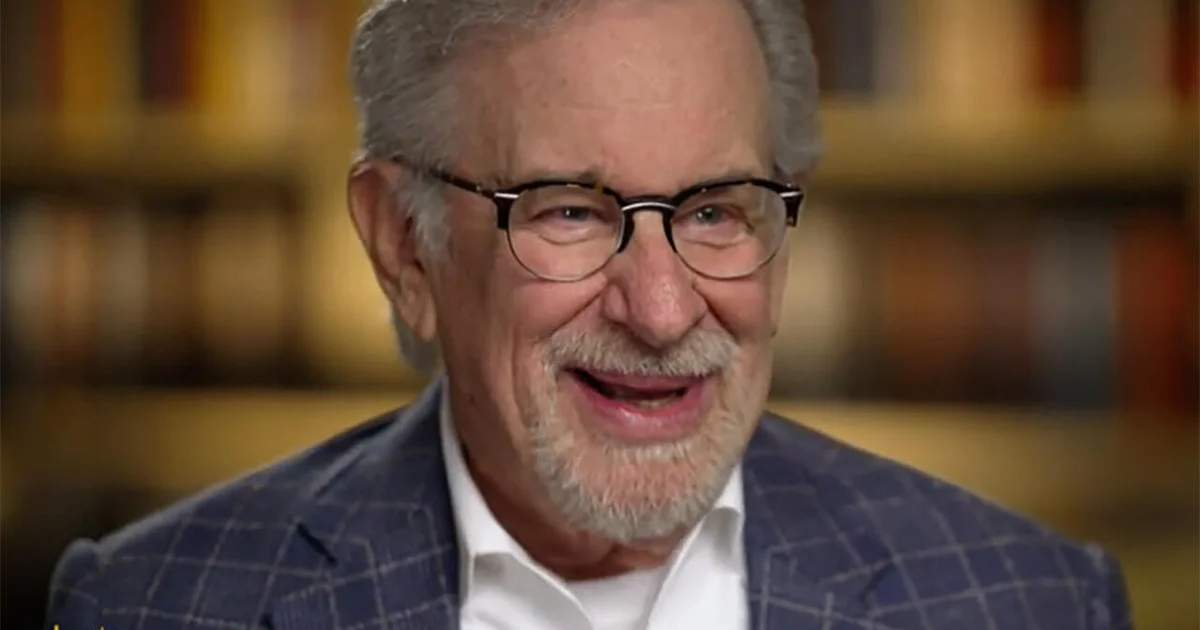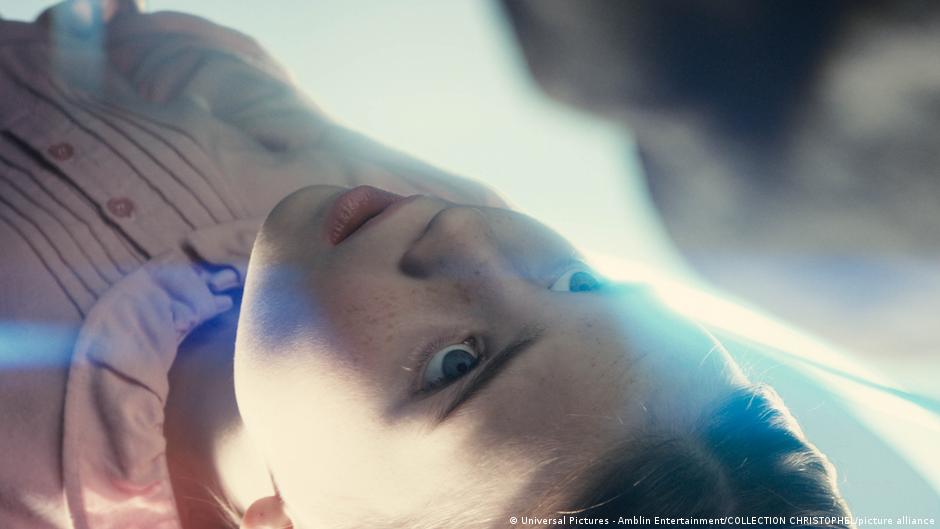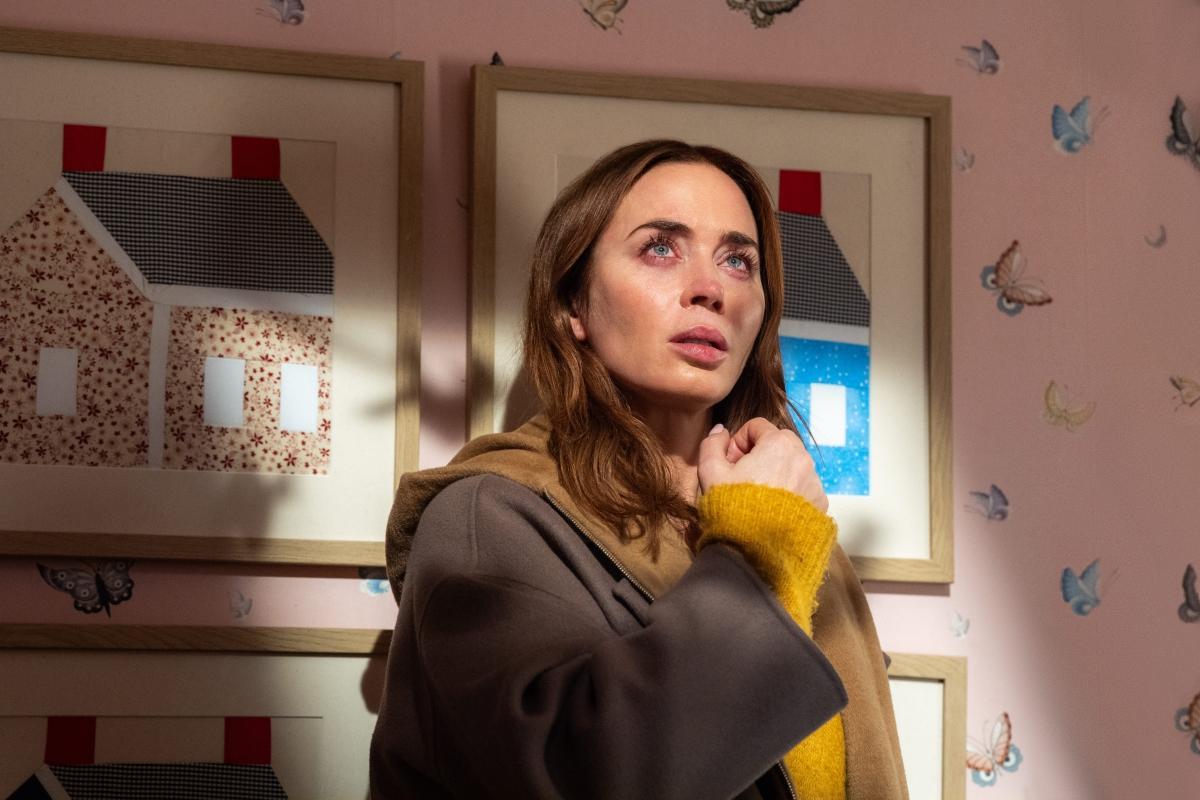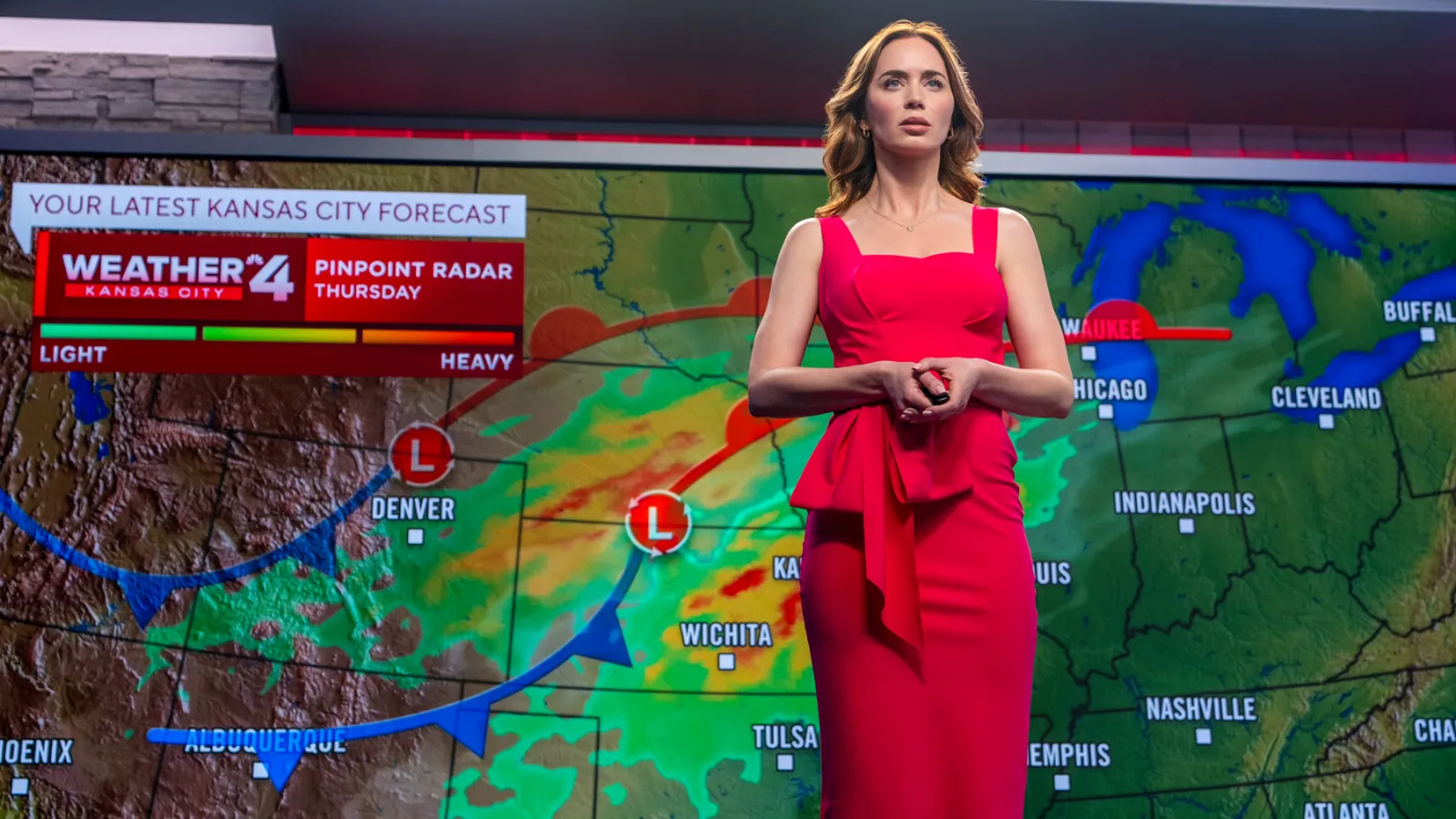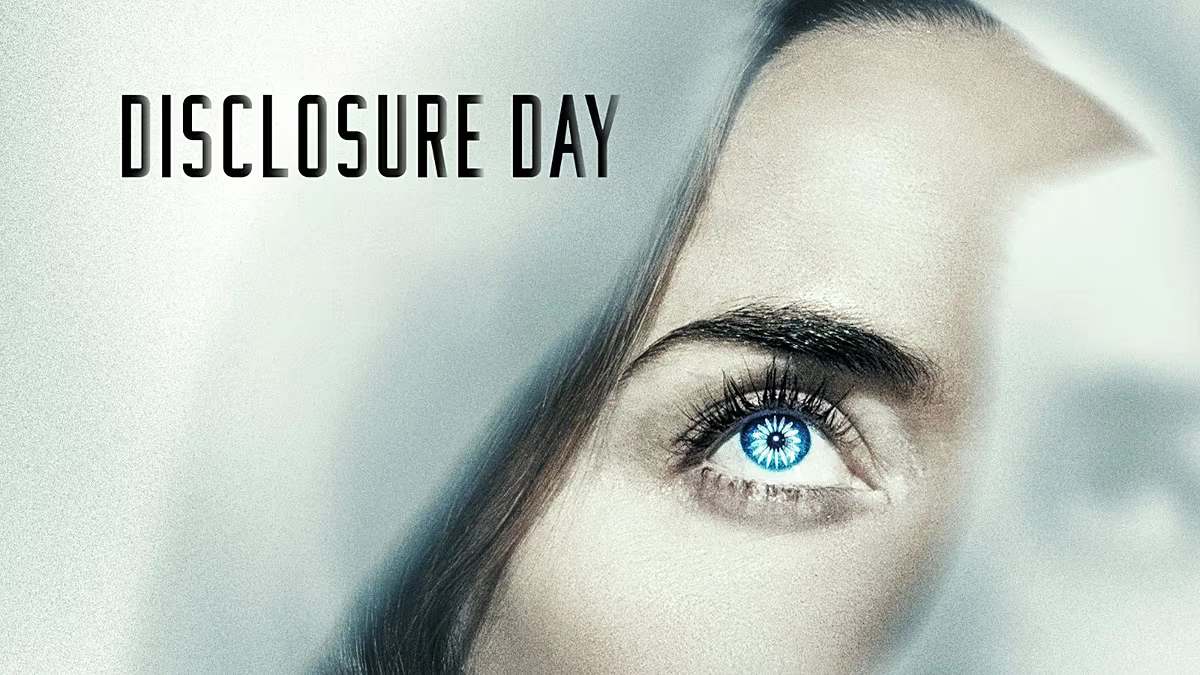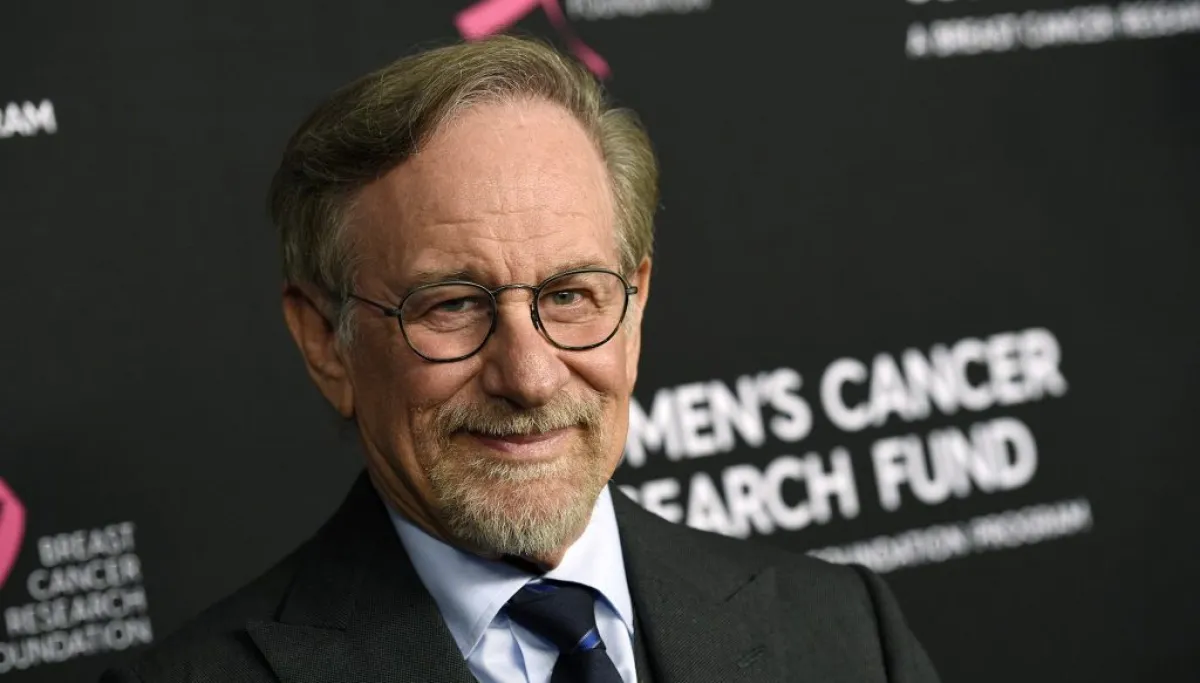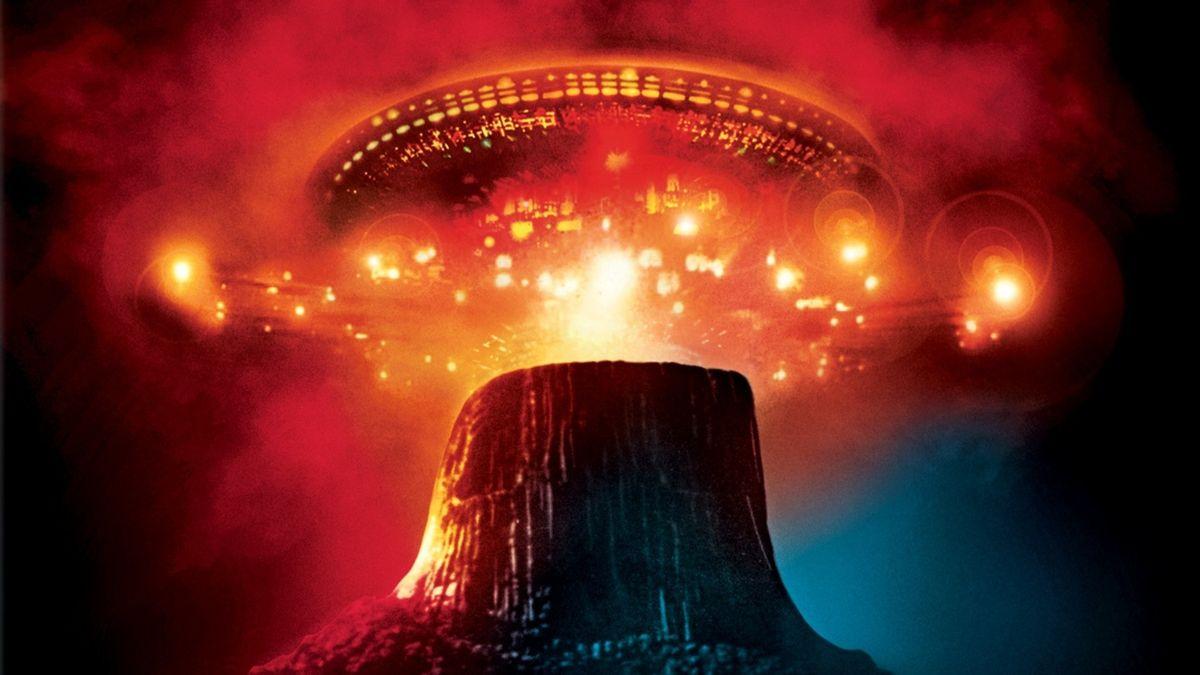
When Steven Spielberg releases Disclosure Day this week, his first alien film in over two decades, he will be returning to the obsession that helped define his career. The veteran American filmmaker who transformed Devils Tower, Wyoming into a beacon for cosmic pilgrims in Close Encounters of the Third Kind and turned a homesick alien into a beloved cultural icon in E.T. the Extra-Terrestrial, now finds himself at a curious moment in history. Unidentified aerial phenomena (UAP), the bureaucratically sanitised successor to the UFO, have migrated from grainy VHS footage to very serious U.S. congressional hearings and Pentagon investigations. The border between conspiracy theories and institutional scrutiny has grown increasingly porous of late, placing Spielberg’s prodigal return alongside a broader public reckoning with the oldest question in the cosmos: are we alone?Though ostensibly focused on extraterrestrial life, first-contact stories have consistently explored humanity’s attempts to understand forces beyond familiar systems of knowledge. Across more than a century, extraterrestrials have played the roles of invaders, gods, refugees, mirrors, parasites, colonial powers, ecological warnings, and philosophical riddles. The shape of the alien has changed with each generation because the fears and aspirations projected onto it have evolved with time.The earliest modern template came in 1898 when H.G. Wells published The War of the Worlds. Wells instinctively understood something many later imitators would spend decades rediscovering — the terror of contact emerged from powerlessness. His Martian invaders treated humanity with the same brutal apathy European empires had shown colonised peoples across Africa, Asia, and the Americas. The novel appeared during the height of British imperial expansion, yet its staying power came from forcing readers to imagine themselves on the receiving end of that violent conquest.
The long road to ‘Disclosure Day’: How first-contact cinema taught us to imagine the Third Kind
For over a century, science fiction has used aliens to talk about empire, paranoia, language, and power — here’s how first-contact cinema became a mirror for humanity’s shifting fears and ambitions, ahead of Steven Spielberg's Disclosure Day
1,048 words~5 min read