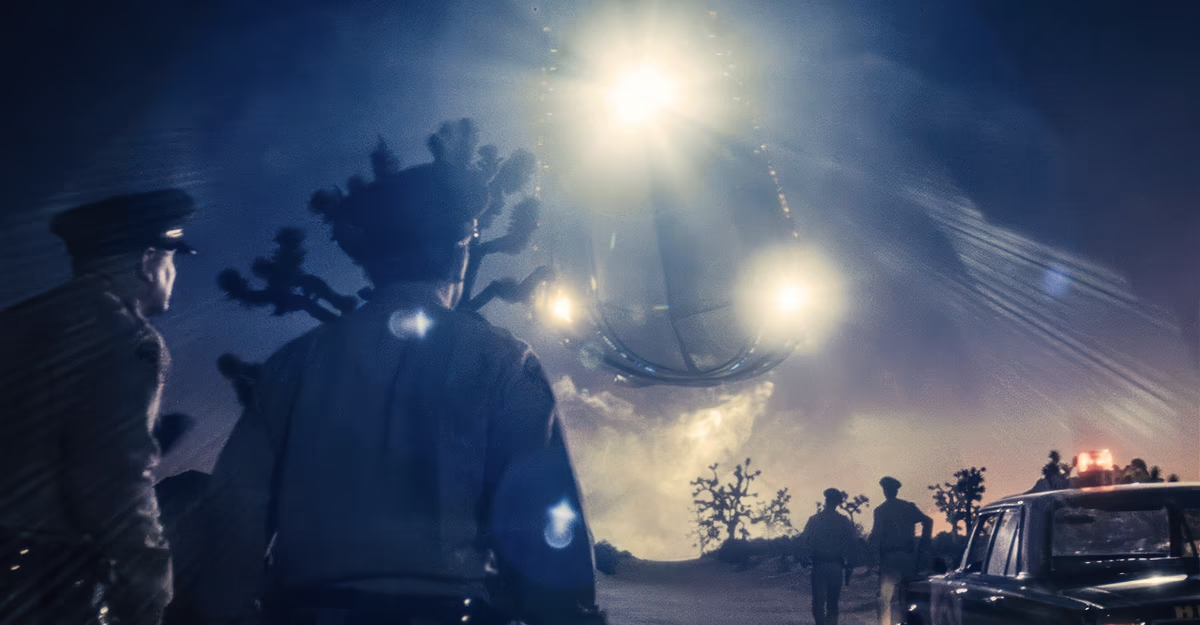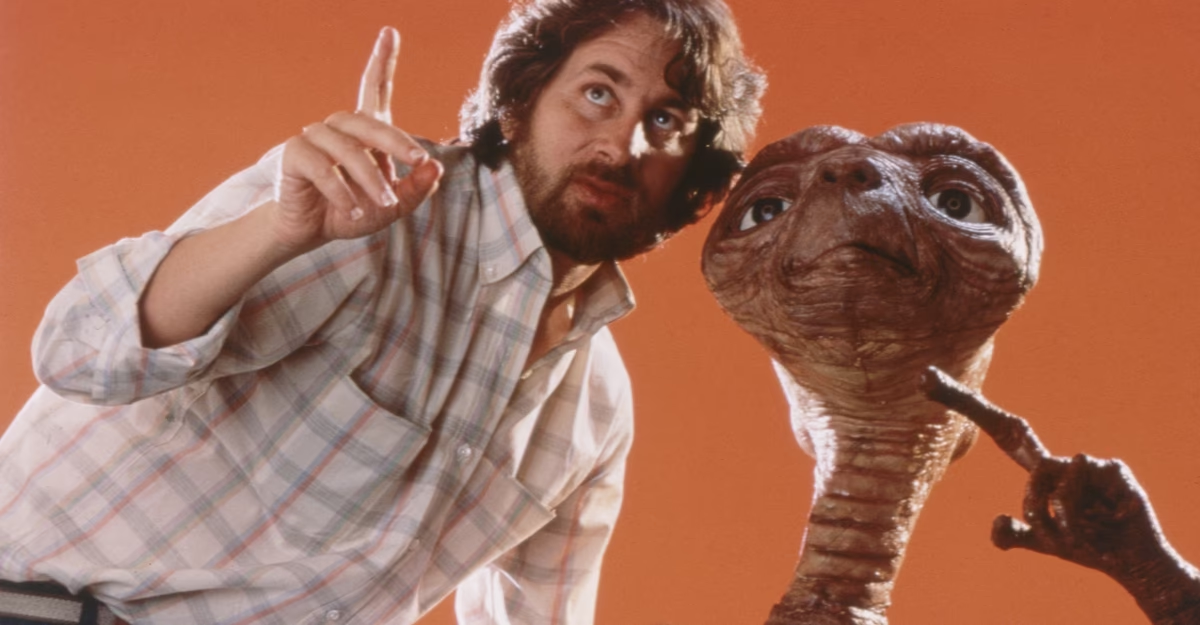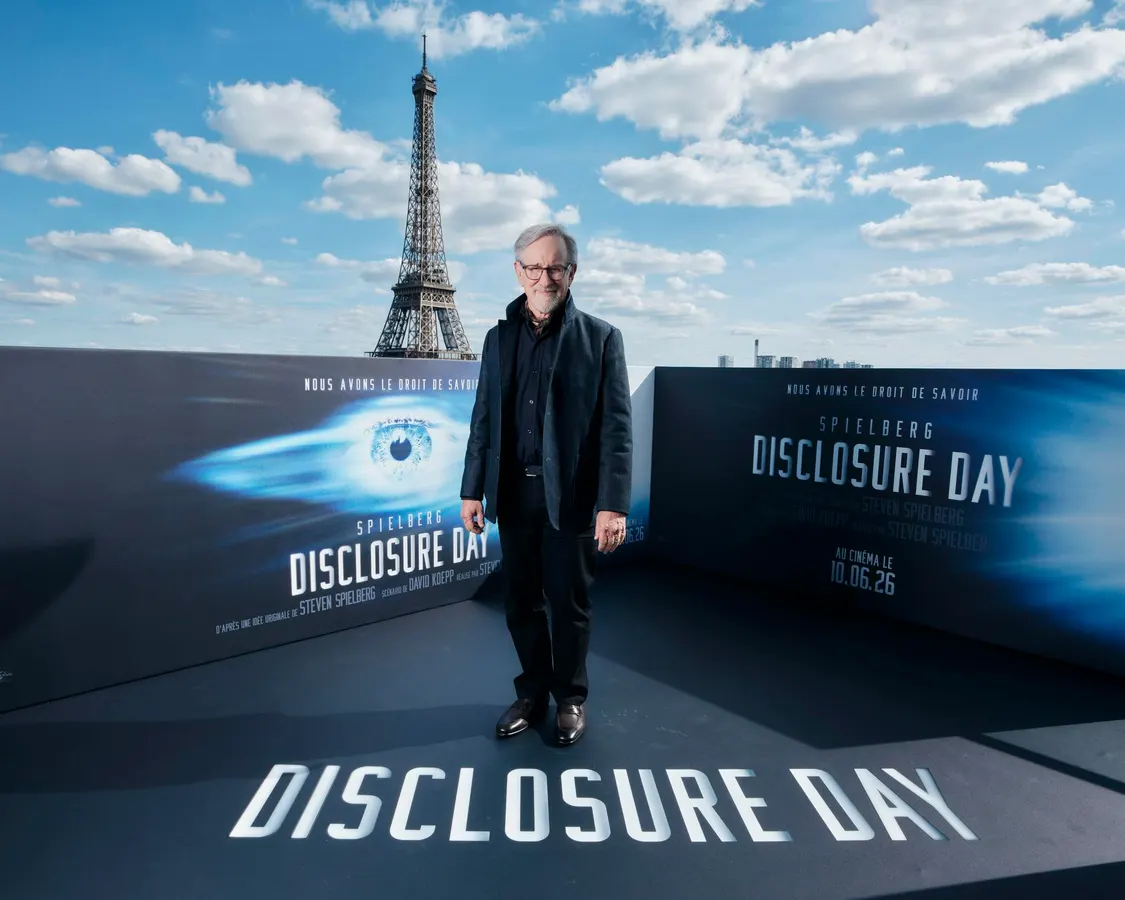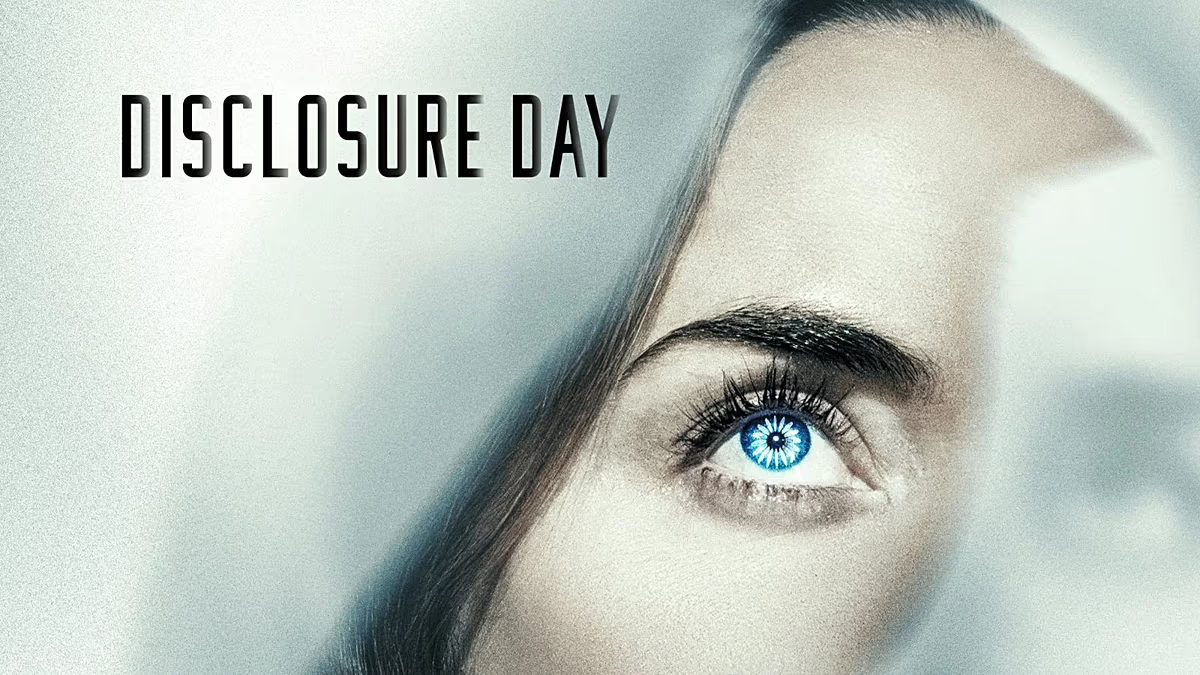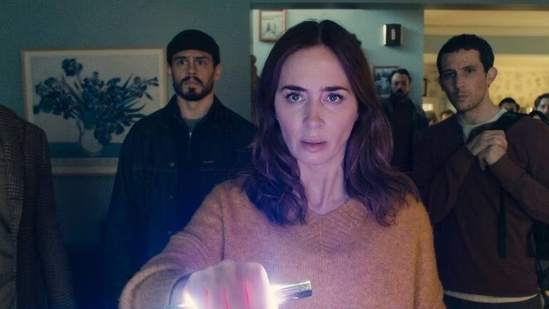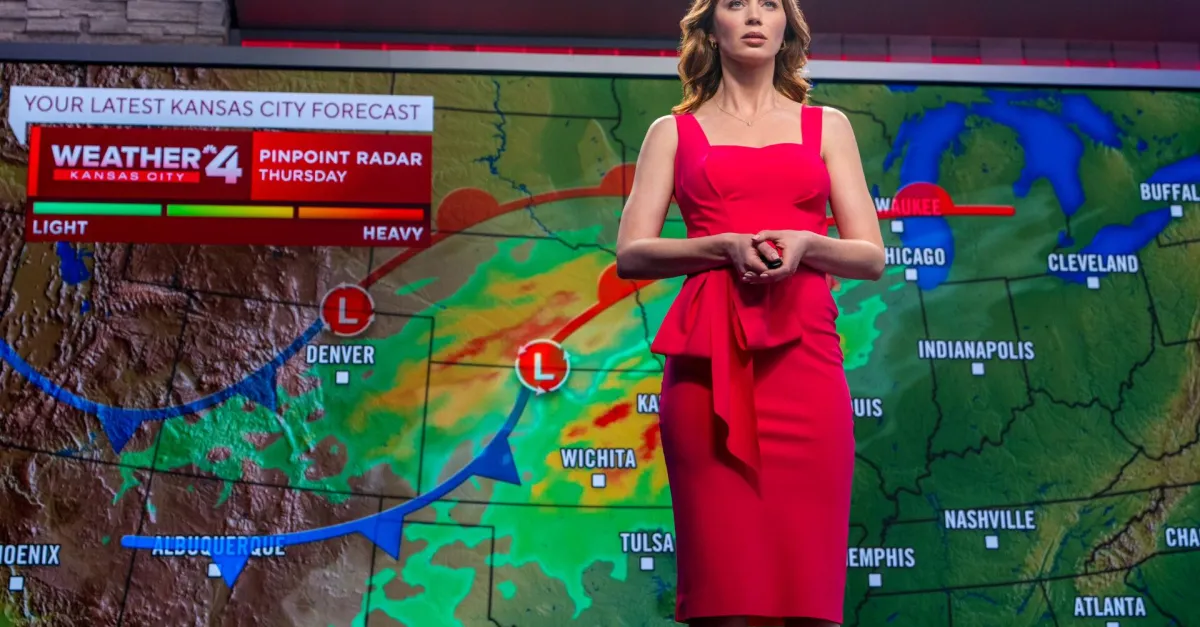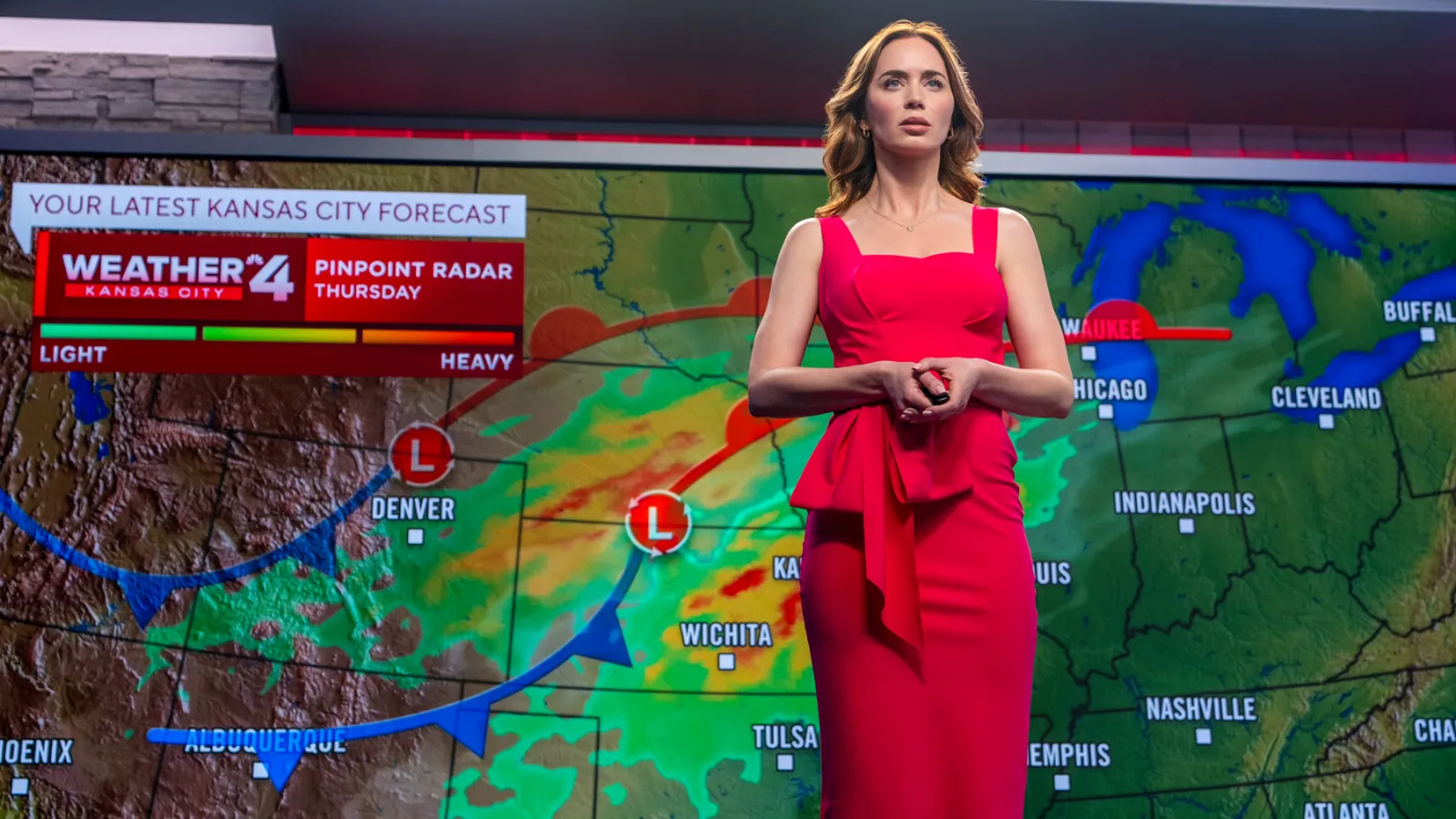
Steven Spielberg has long been fascinated by extraterrestrial life. In the veteran director’s vivid and idealistic imagination, aliens typically arrive not as hostile invaders, but as benevolent, inquisitive visitors — with scant exceptions.It is with these same optimistic, if somewhat jejune, principles that his latest film, Disclosure Day, unfolds. Sharing some of its conceit with 1977’s influential Close Encounters of the Third Kind, alongside a dose of Minority Report’s skepticism toward surveillance and institutional power, Spielberg delivers another alien film in which humanity plays the villain.The broad premise revolves around a shadowy government defense contractor led by a bearded Colin Firth, whom I struggle to take seriously as a tech villain. The firm’s purpose is never properly fleshed out, beyond the suggestion that it has sole jurisdiction over alien artifacts, corpses, and even living sentient beings collected through years of mysterious crash landings — conveniently, all on American soil — for secret research and development.
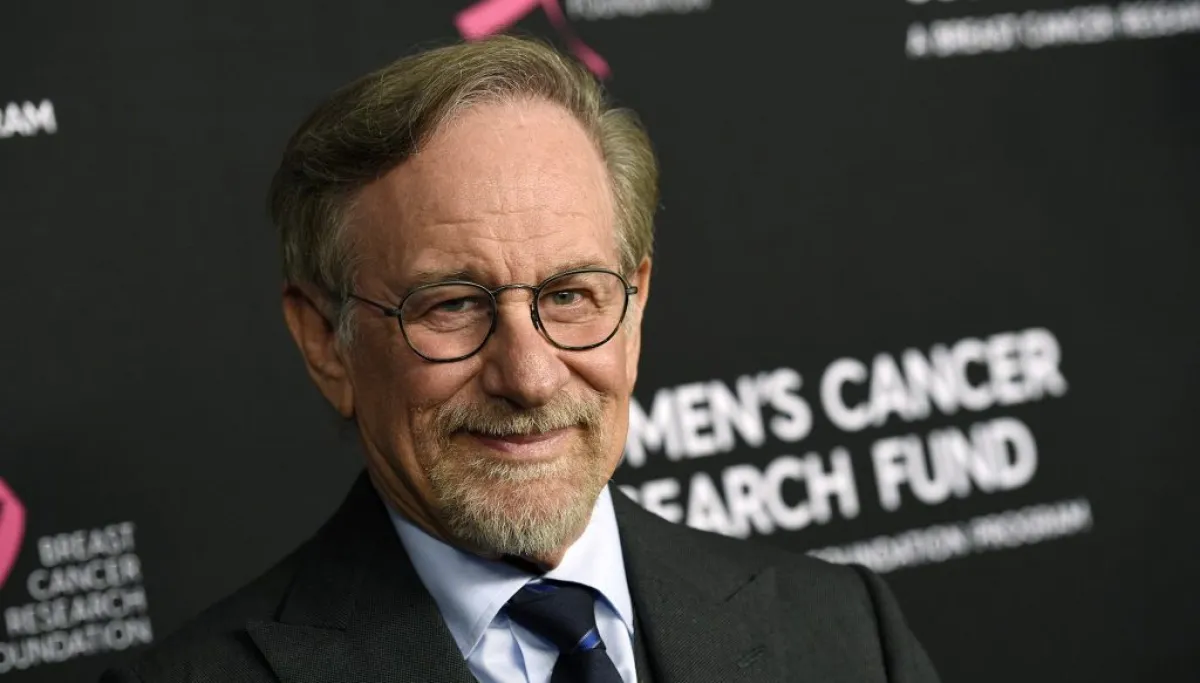
It also possesses a magic alien rod with surveillance powers, allowing the person wielding it to look at anyone’s photo and immediately tap into their mind anywhere in the world, like a Teams call you can’t decline. The script tells us little else about its capabilities, which means the alien plot gizmo conveniently discovers new powers whenever the story requires them. For a Spielberg movie, this sort of narrative gimmickry feels uncharacteristically hackneyed.Rife with moral qualms, cybersecurity math geek Dr. Daniel Kellner, played by Josh O’Connor with the perfect dose of paranoia and conviction, decides to blow the entire operation open. Like some self-righteous Edward Snowden, he steals troves of confidential documents and flees to the press. Hence the title of the film.Its narrative shortcomings aside, Disclosure Day is palpably a Spielberg and John Williams production. With Williams now in his mid-90s, it is still a treat to receive new feature-film work from this indelible duo. Disclosure Day is not quite an action movie, but its few car-chase sequences — brilliantly framed, shot, and propelled by riveting orchestration — remind you why these two remain the Lennon and McCartney of Hollywood spectacle.The tragedy is that all this storytelling prowess is placed in service of a dubious moral framework, one that invents an unconvincing universal right to classified information and then challenges it only through a misguided understanding of faith. The alleged crimes proposed by David Koepp and Spielberg’s screenplay are essentially twofold: first, that the government concealed the existence of aliens from the public; and second, that it interrogated — bleeding hearts will deem it tortured — aliens for information.But given that much of humanity has a hard enough time getting along with other humanity, it is not obvious that confirming the existence of alien life would do anything to pacify the world. The mere whiff of the Epstein files, despite the lack of evidence supporting many of the internet’s most lurid fantasies, set off an unstoppable moral panic. Imagine telling Candace Owens there is real proof of alien life. Haven’t Emmanuel Macron and Erika Kirk been through enough? If aliens exist, their existence is a matter of national and global security, and therefore a legitimate government secret.In this Thursday, Feb. 28, 2019, photo, filmmaker Steven Spielberg poses at the 2019 “An Unforgettable Evening” benefiting the Women’s Cancer Research Fund, at the Beverly Wilshire Hotel, in Beverly Hills, Calif. Reports that Spielberg intends to support rule changes that could block Netflix from Oscars eligibility have provoked a heated and unwieldy online debate. | (Chris Pizzello/Invision/AP)