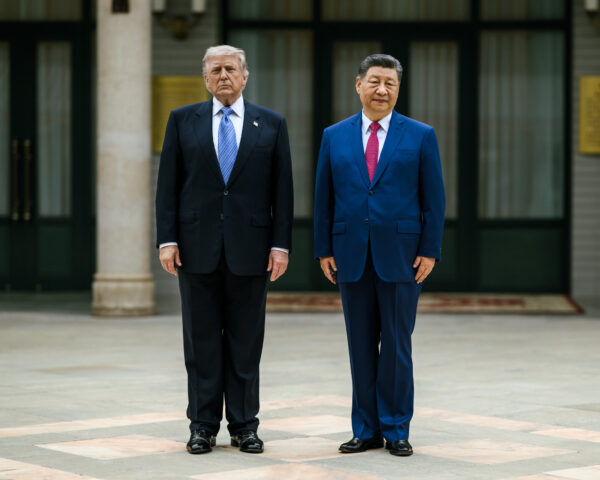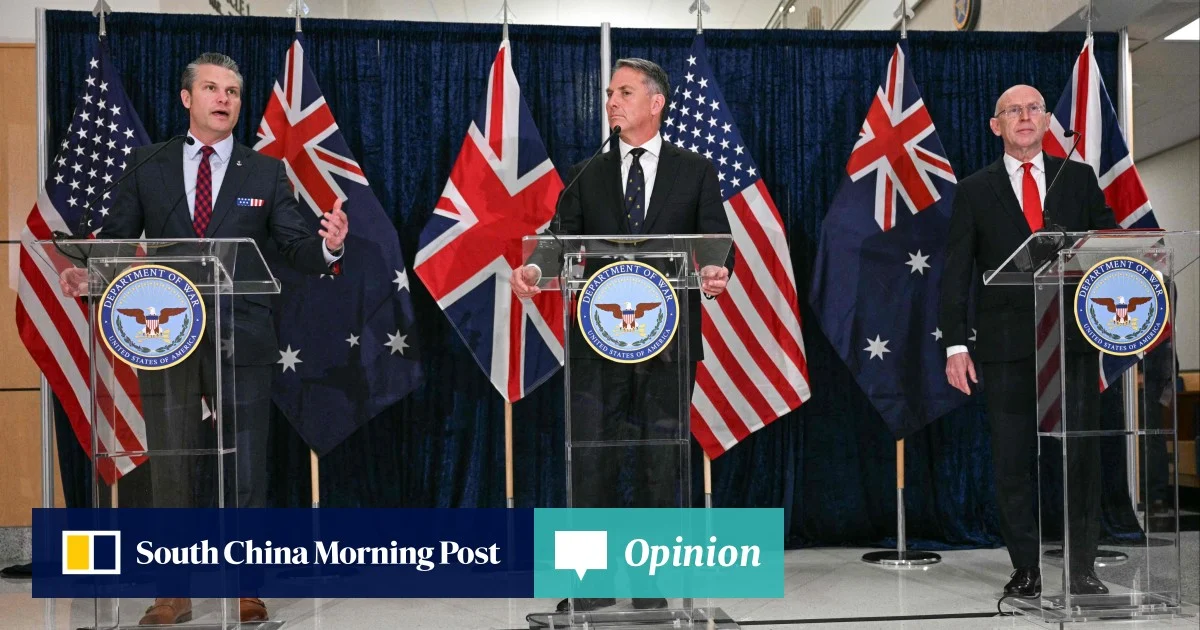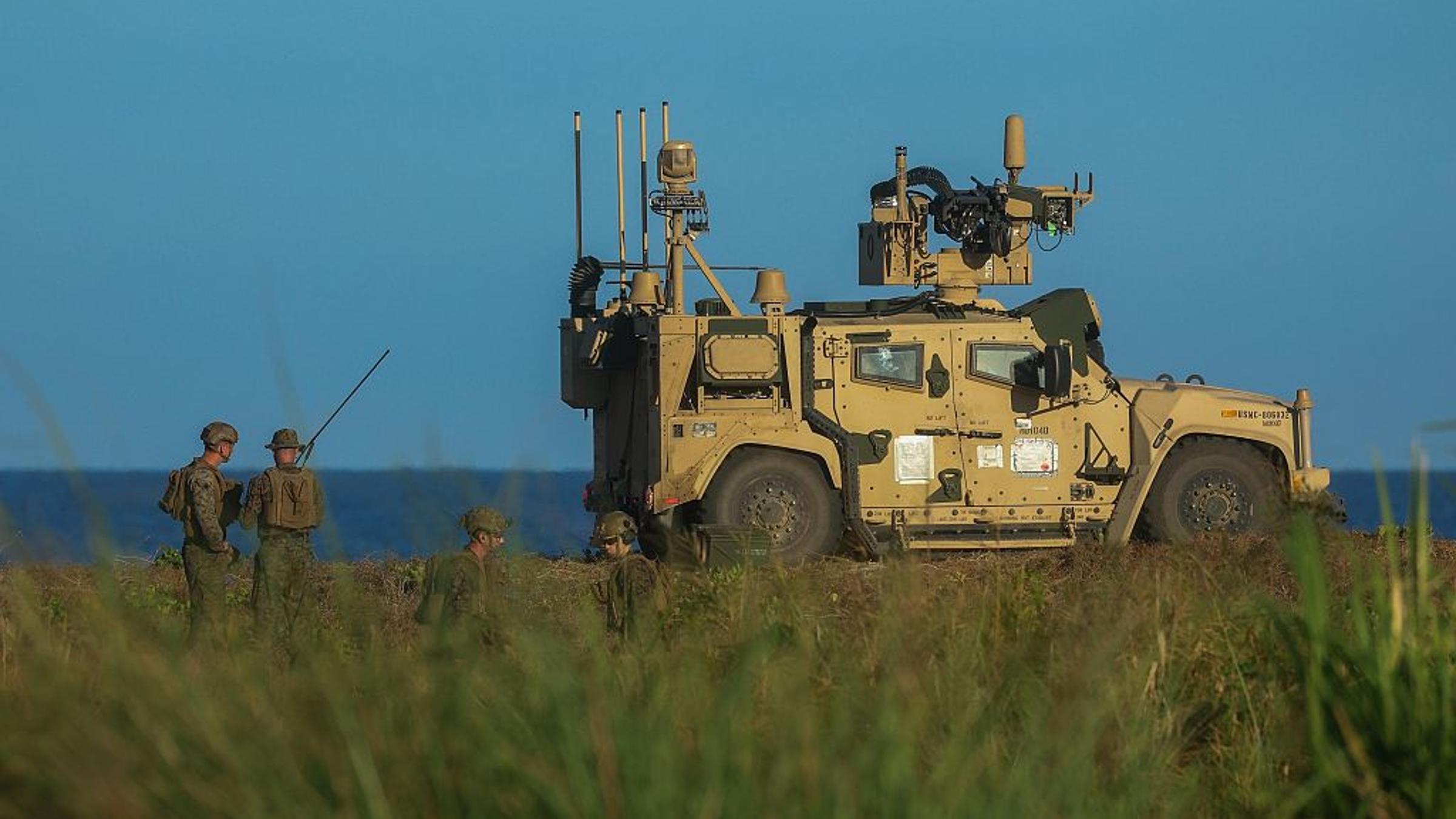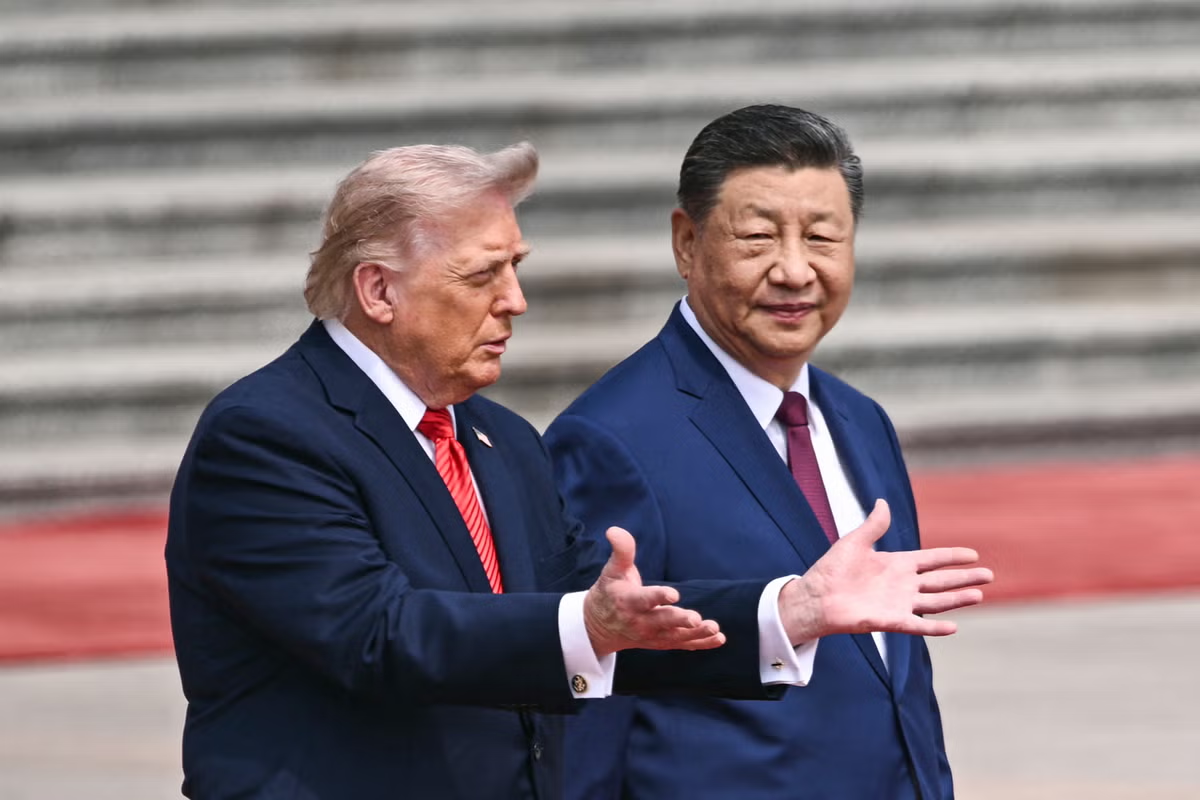
In recent weeks, U.S. allies have experienced two seismic shifts. While still on Chinese soil, U.S. President Donald Trump announced that he was considering holding up a $14 billion arms sales package to Taiwan of vital defense articles that Congress had already authorized. Separately, without substantial consultations with Congress or European allies, the Trump administration announced, backtracked on, and then pressed ahead with plans to reduce U.S. assets assigned to Europe.
Together, these actions raise questions about Washington’s willingness to sell arms and deploy troops, the two most critical ways that the United States has historically backstopped its allies and partners.
European and Asian allies both expressed concern about these developments, but their reactions to Washington’s policies have diverged over the last year. NATO allies have pulled more closely together in the face of U.S. threats to abandon their security through vehicles such as the coalition of the willing that supports a multilateral force in Ukraine. They have begun to form a backup plan through bilateral pacts with one another, as in the case of Britain and Germany and Britain and France, and launched the SAFE mechanism to support European defense manufacturing. All of these are intended to build resilience in case the United States continues to rethink its commitment to trans-Atlantic cooperation.