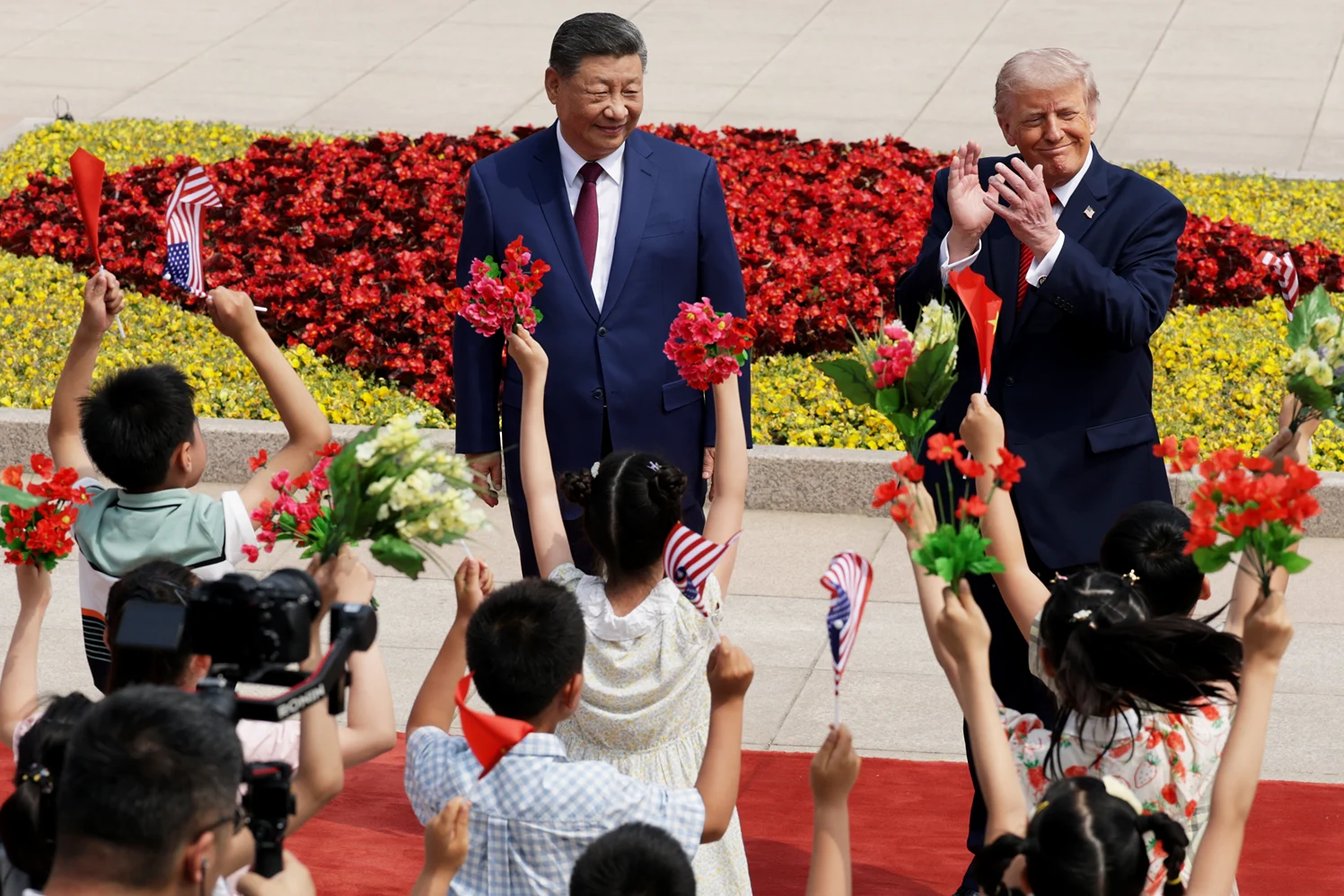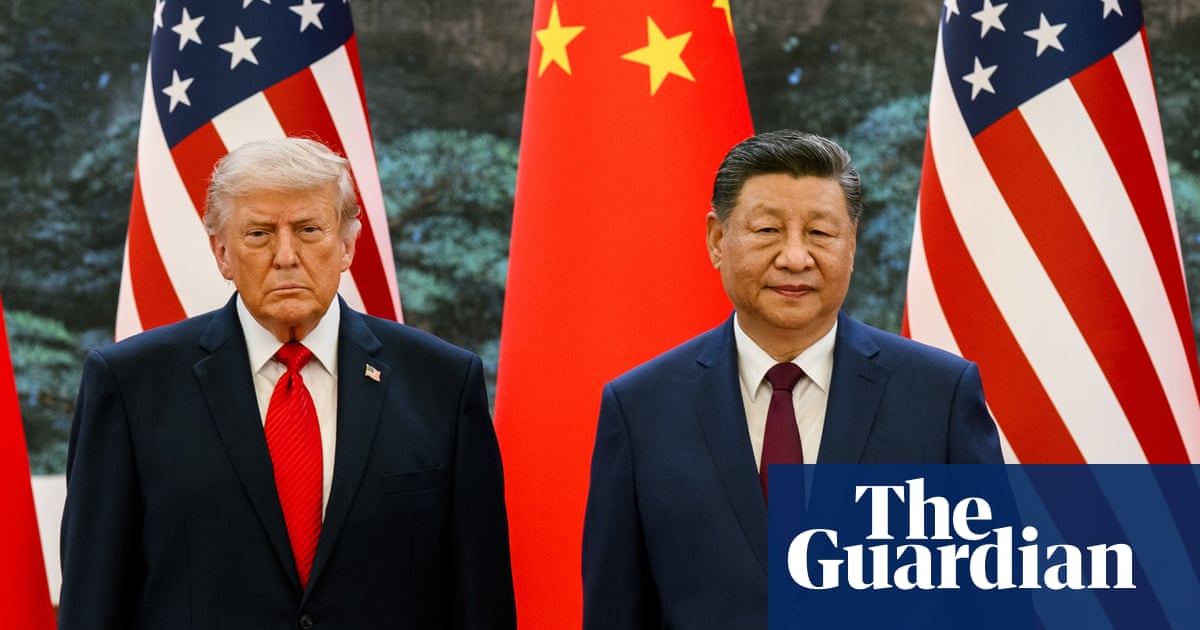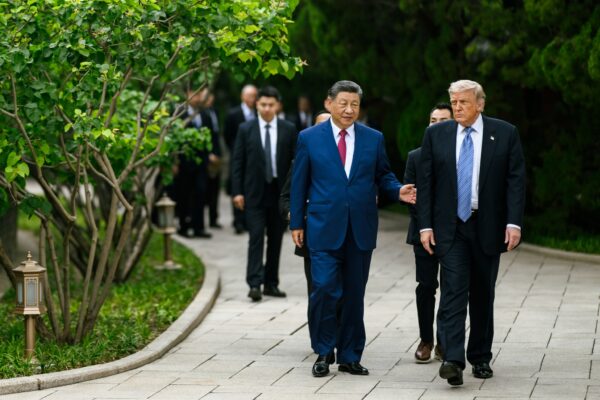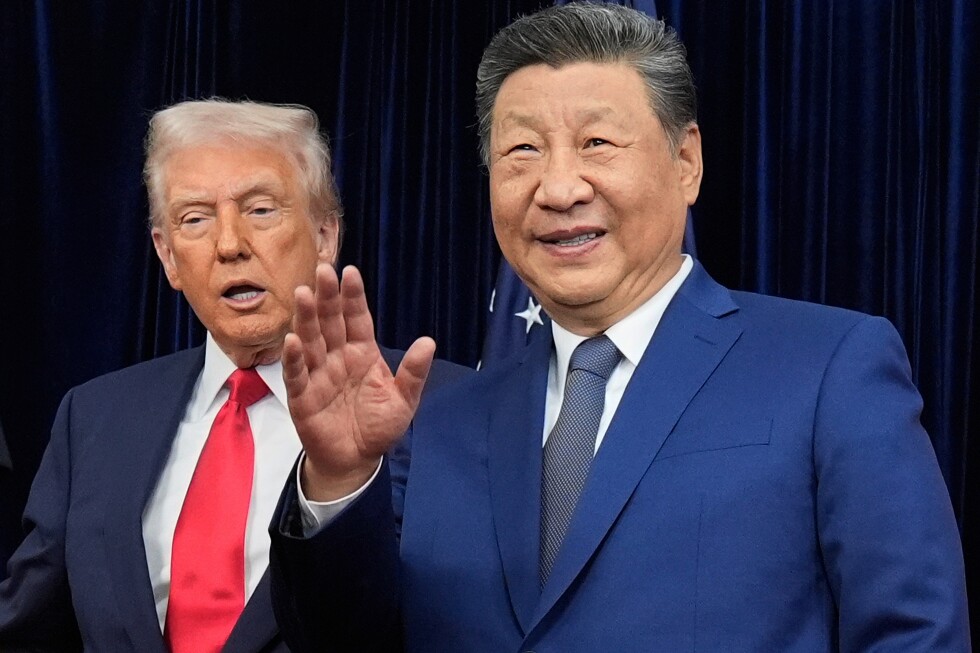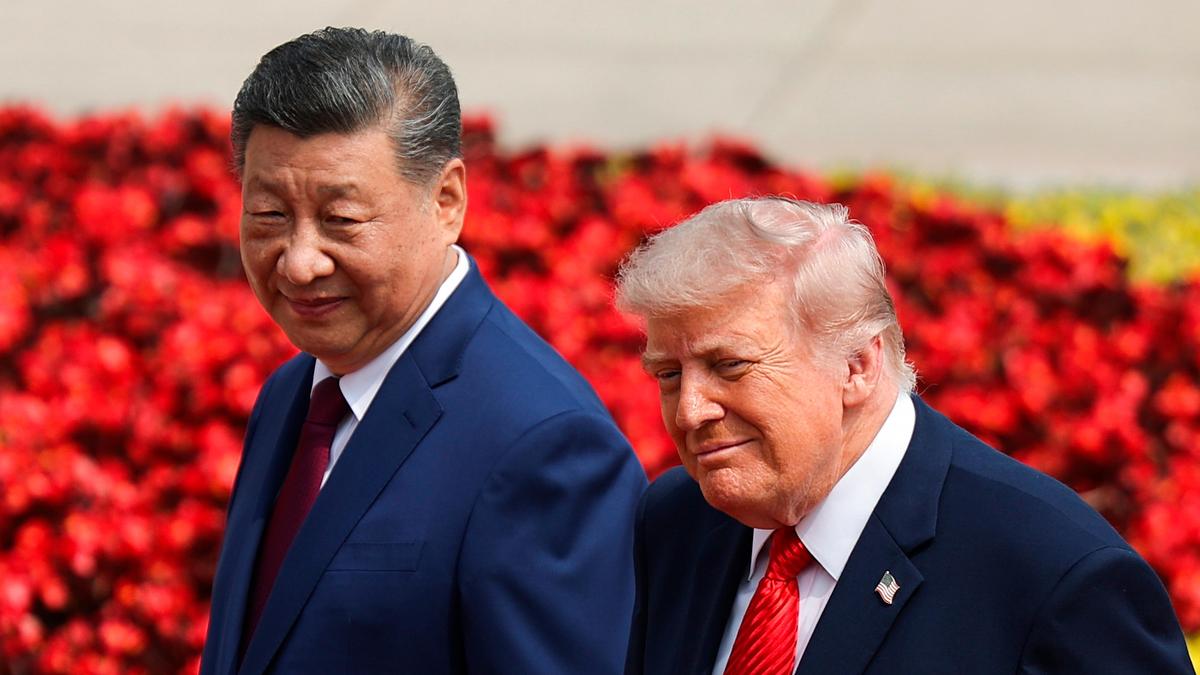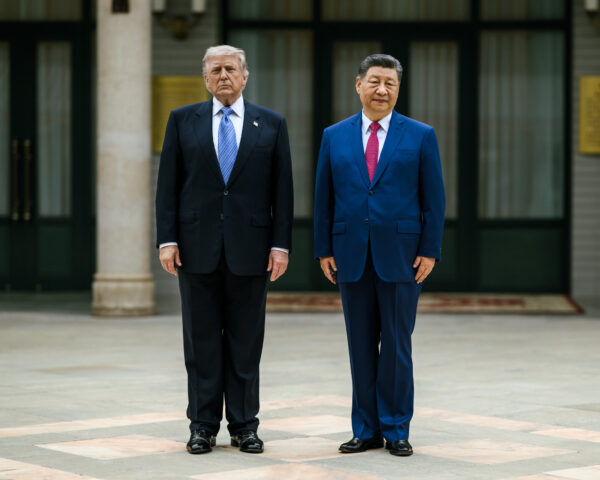
In May 2026, U.S. President Donald Trump and Chinese President Xi Jinping held a highly anticipated summit in Beijing. The meeting immediately fueled debate about the future of China-U.S. relations, cross-strait stability, and Washington’s commitment to Taiwan. Yet while much of the discussion focused on the implications for great power relations and regional security, far less attention has been paid to how Taiwanese themselves interpret these developments. Recent survey data suggest that many Taiwanese fear that Taiwan’s interests could be overlooked or sacrificed as Washington and Beijing seek to stabilize their relationship.
Because public perceptions can shape how democratic societies respond to external challenges, understanding how Taiwanese interpreted the Trump-Xi summit is particularly important. To examine these views, the Institute for National Defense and Security Research (INDSR) commissioned the Election Study Center at National Chengchi University to conduct a nationwide telephone survey between May 28 and May 31, 2026. The survey interviewed 1,127 adults aged 18 and above across Taiwan, including both landline and mobile phone samples. At the 95 percent confidence level, the margin of error is ±2.92 percentage points.