Read The Diplomat, Know The Asia-Pacific
As rising seas threaten its territory, the Pacific nation is leading an unprecedented effort to ensure sovereignty can survive climate change.
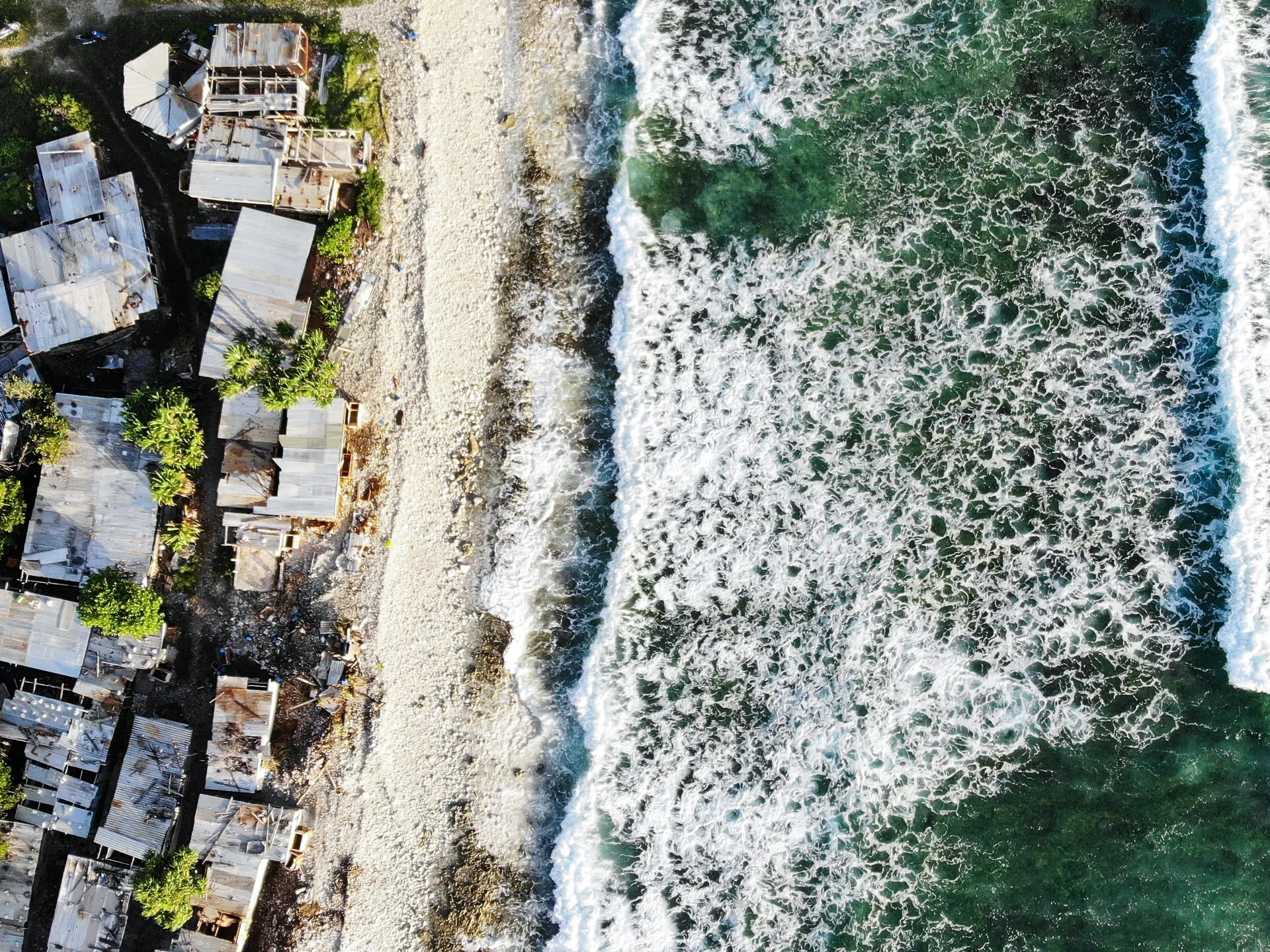
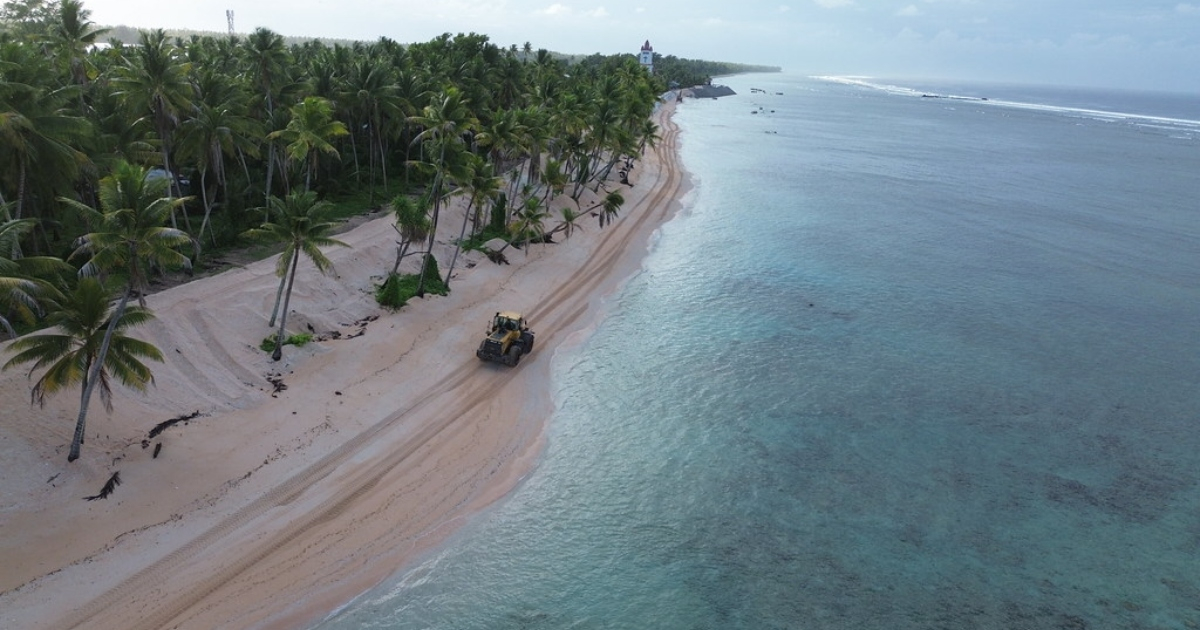
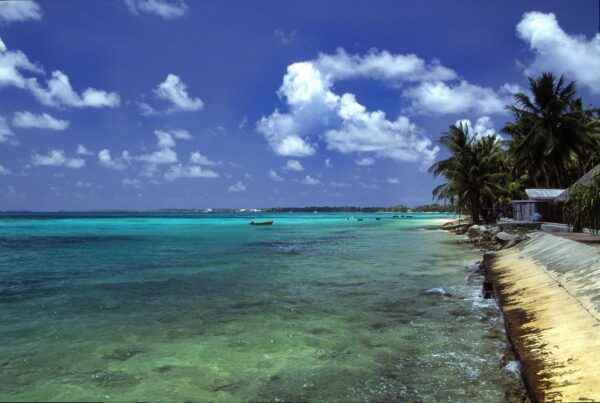
A beach at Funafuti atoll, Tuvalu, on a sunny day.
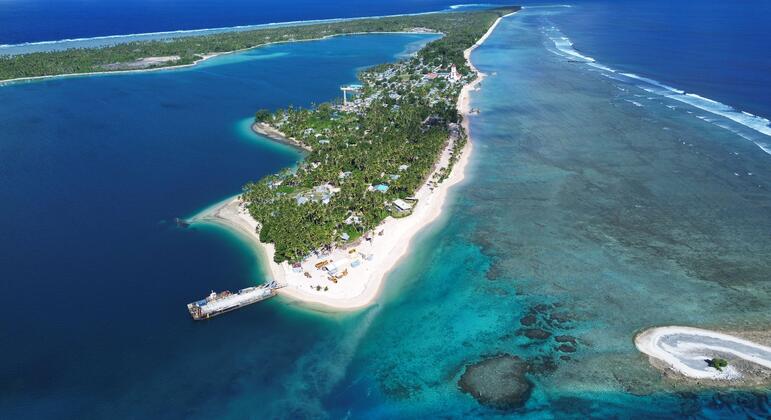
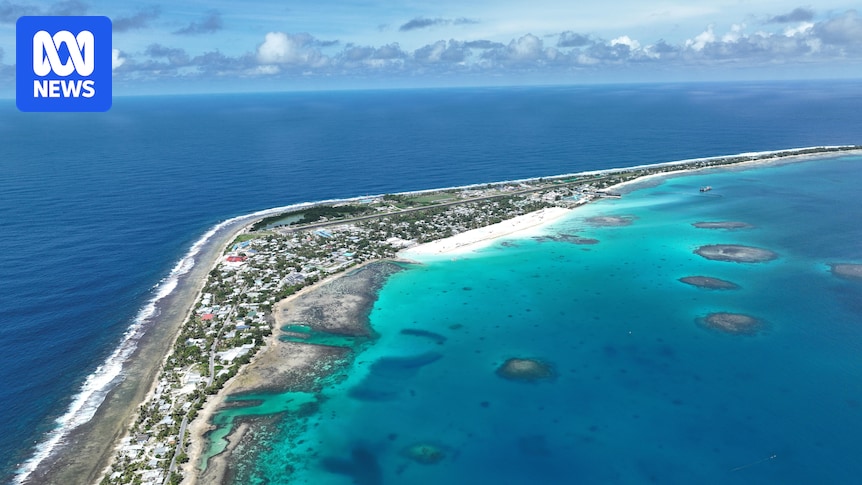
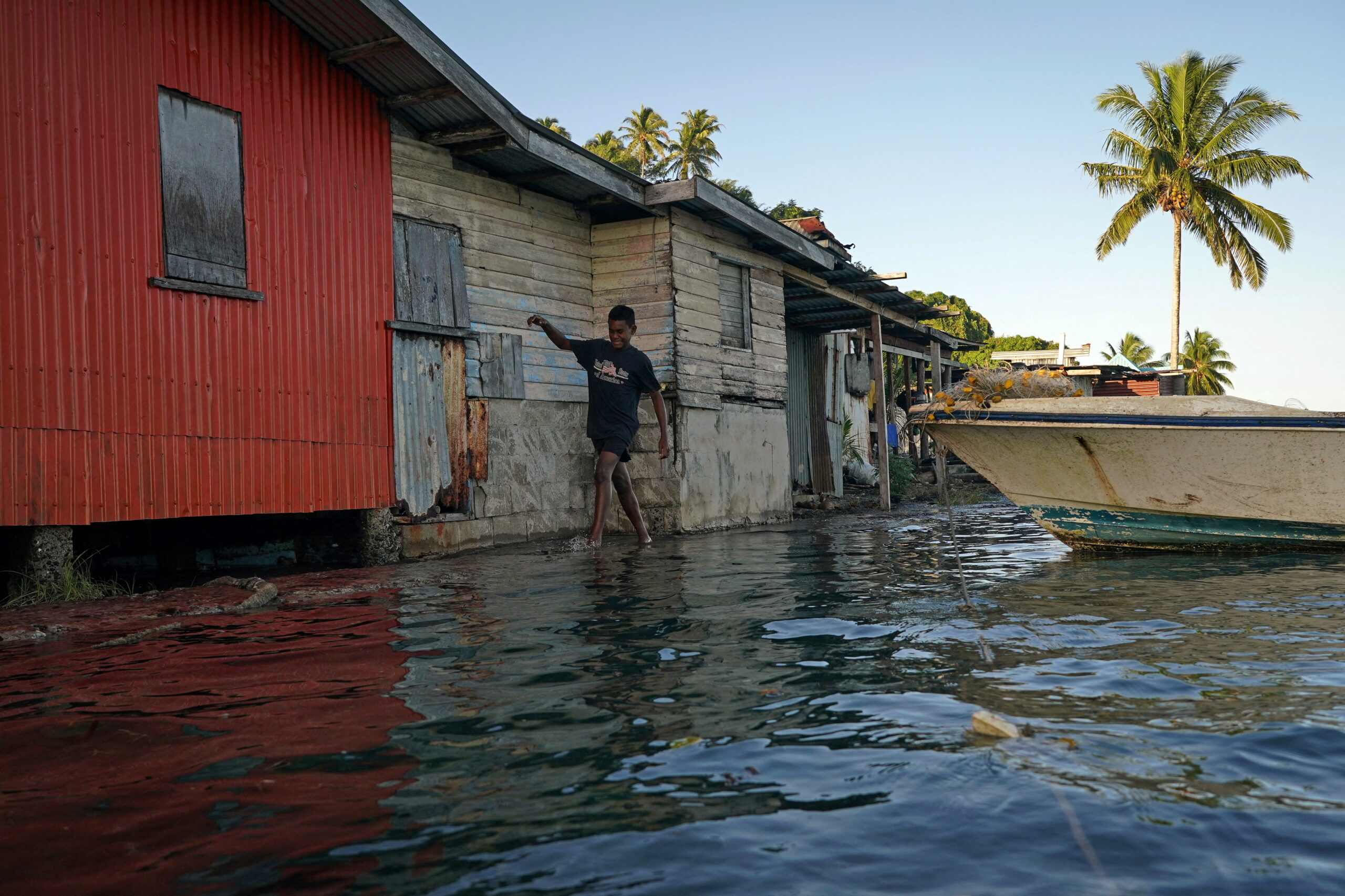
On a narrow strip of coral in the central Pacific, residents of Tuvalu are confronting a question no country has ever had to answer: What happens to a nation if its land disappears?
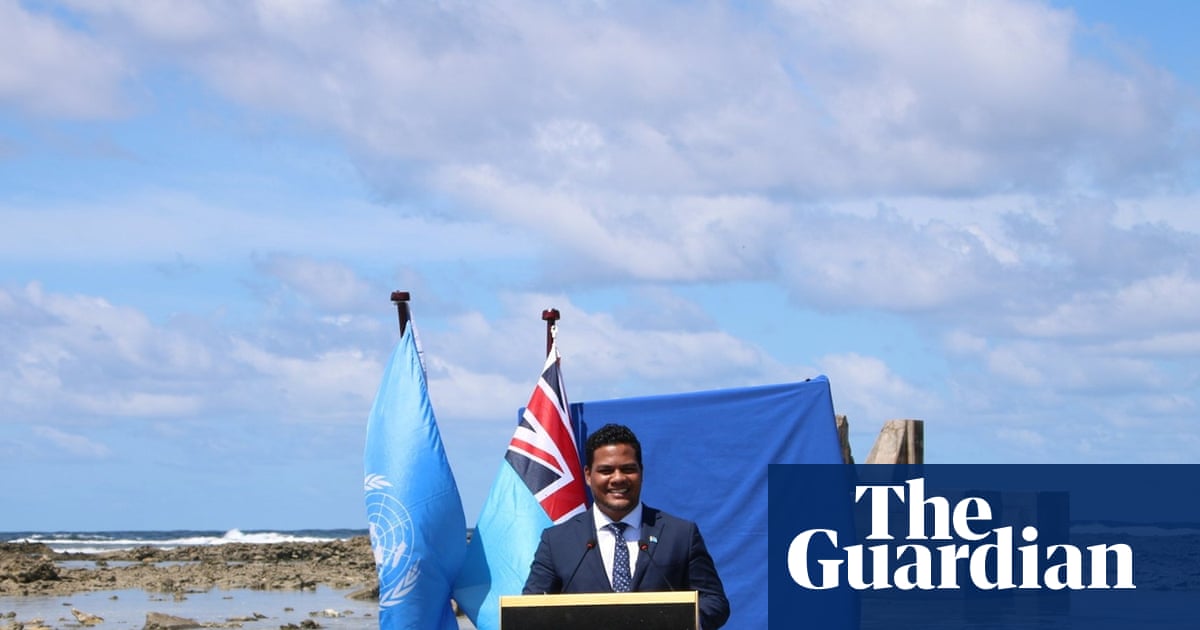
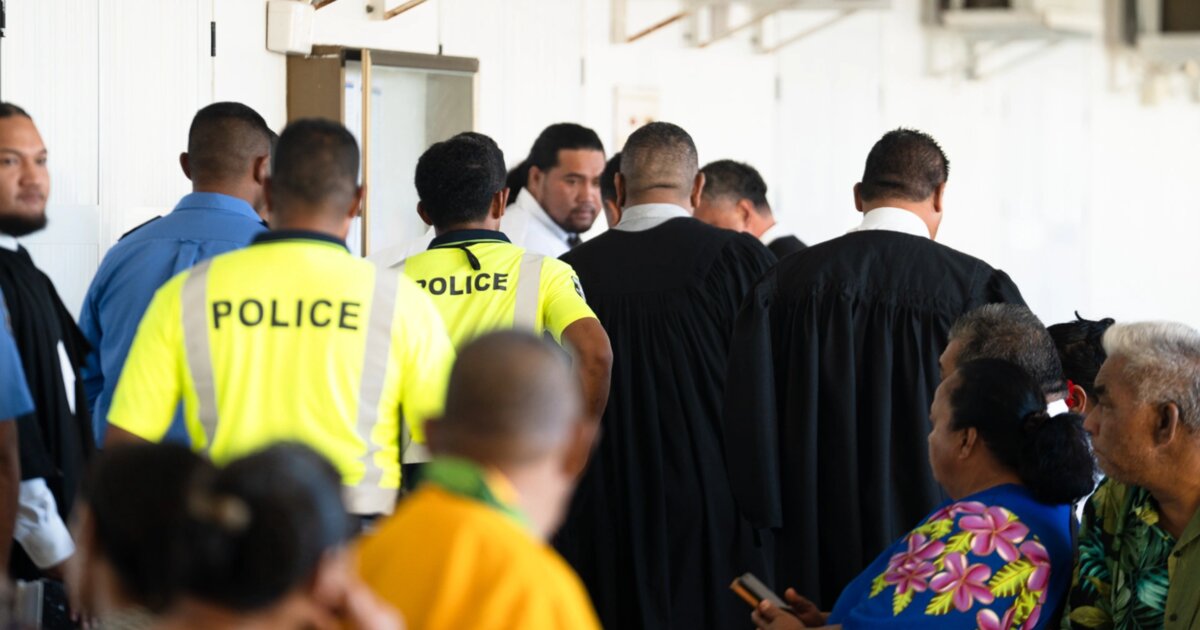
The issue has taken on new urgency in 2026 as United Nations member states negotiate a landmark Declaration on Sea-Level Rise, scheduled for adoption by the General Assembly in September. The declaration is expected to address the scientific, economic, and legal consequences of rising seas, including questions surrounding statehood and maritime rights. In May 2026, as formal negotiations began in New York, Tuvalu’s Permanent Representative to the United Nations, Ambassador Tapugao Falefou, reaffirmed the country’s position that sea-level rise cannot extinguish statehood, sovereignty, or international legal personality. For Tuvalu, the negotiations represent more than a diplomatic process. They are an opportunity to help shape international norms that could determine the country’s future for generations to come.