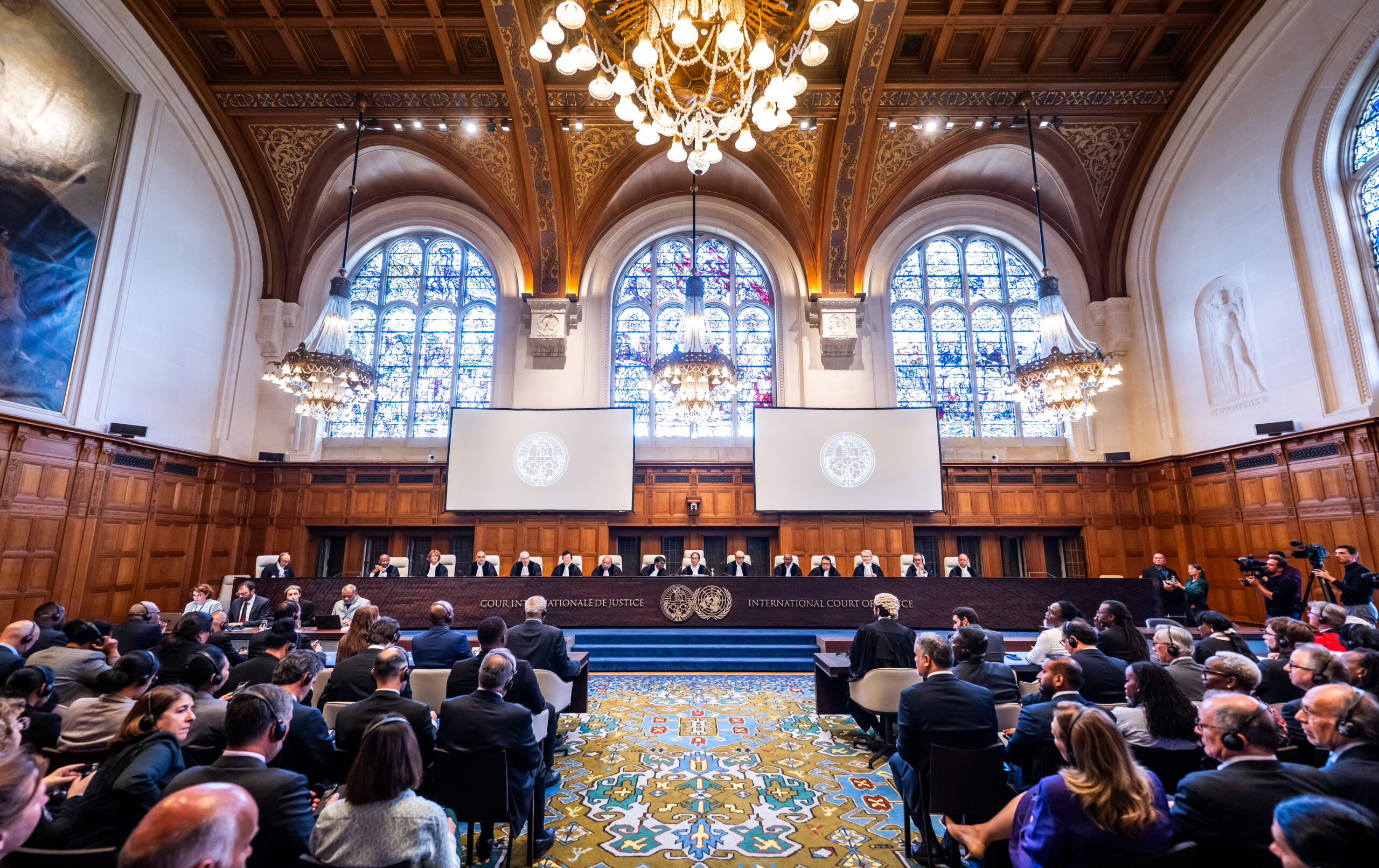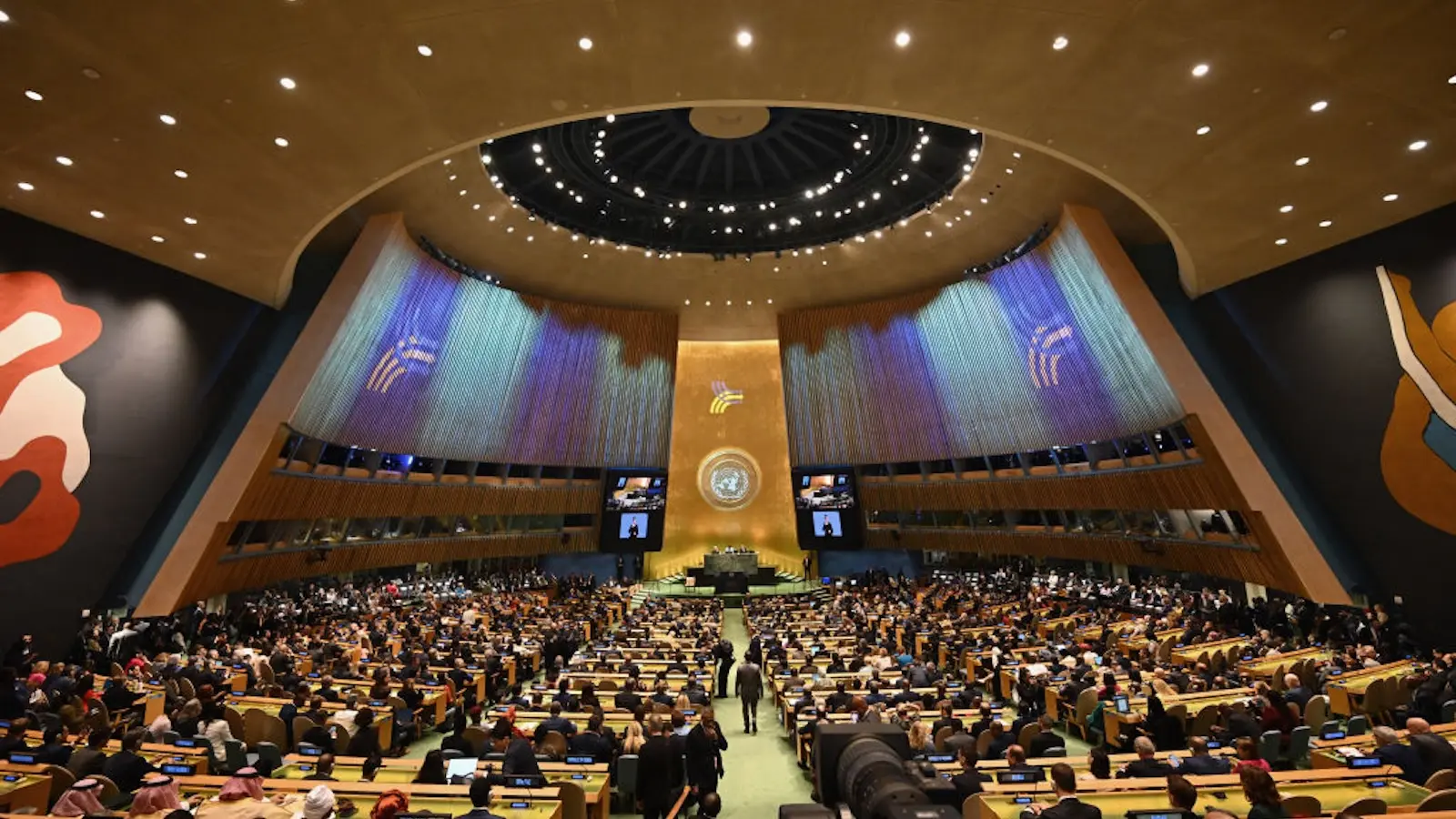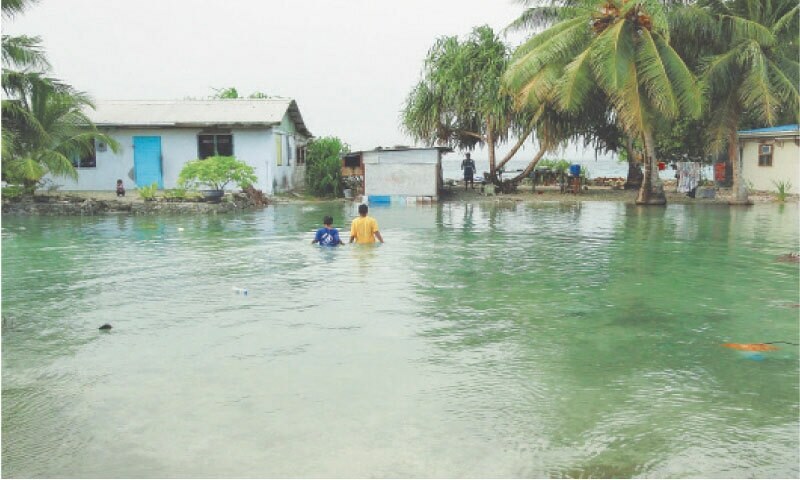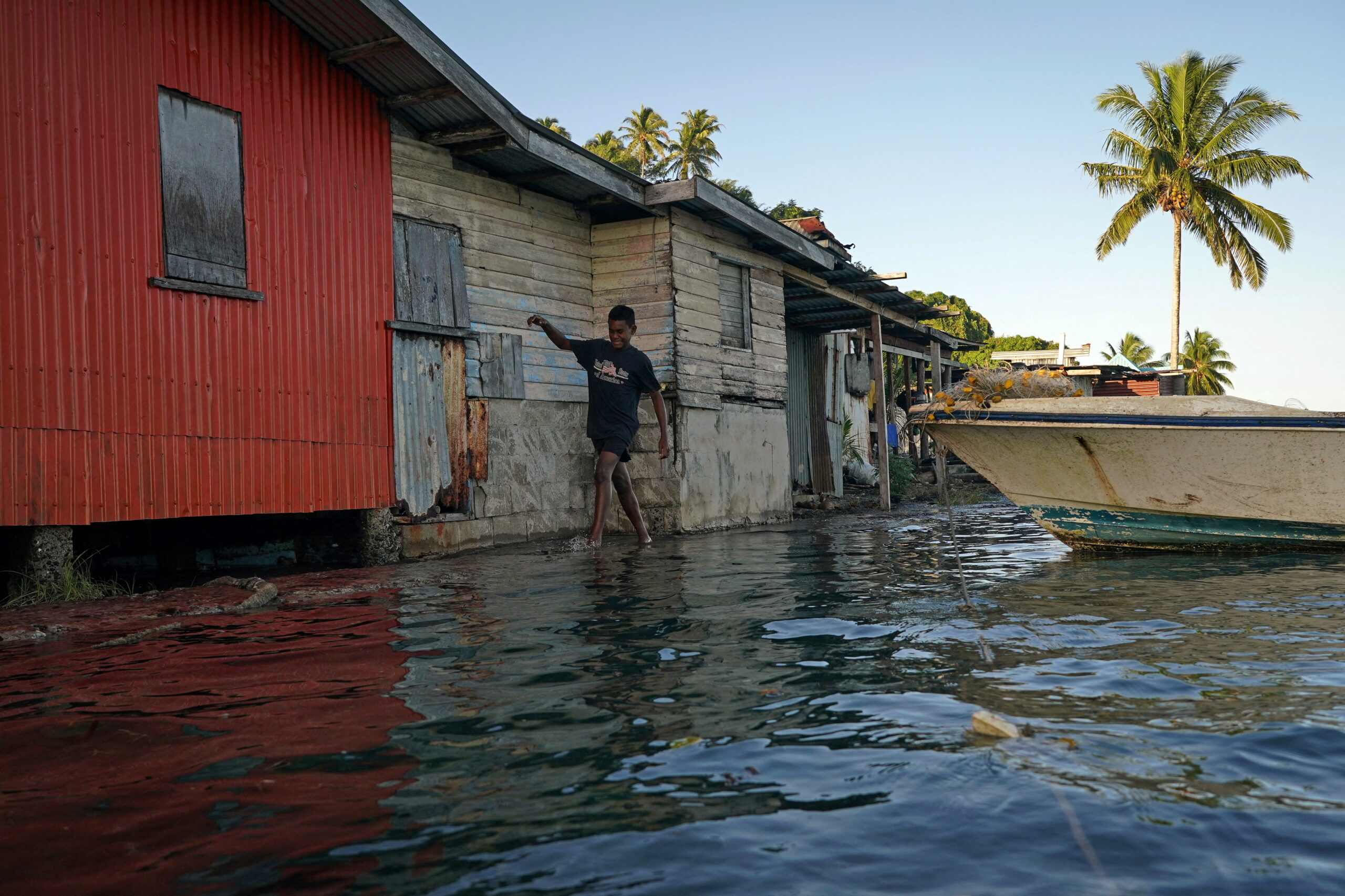
Vishal Prasad is director of Pacific Islands Students Fighting Climate Change.When the International Court of Justice (ICJ) delivered its advisory opinion on climate change last year, it marked a turning point not just for the Pacific, but for international climate law. The court was unambiguous: states have legal obligations to protect the environment from greenhouse gas emissions, and they face accountability when they fail. For those of us who carried this campaign from a classroom in Vanuatu to Europe and New York, it was a moment of profound validation.World’s top court opens door to compensation from countries responsible for climate crisisBut we have always said that the advisory opinion was a tool, not an endpoint. The ICJ affirmed what many in the Pacific have been saying for some time. Now we have a legal blueprint, we must carry this momentum from the courtrooms to the negotiating rooms.Potential to shape climate politicsThe advisory opinion has already begun to reshape the climate landscape. At COP30 in Belém, we saw countries that had supported the campaign citing the opinion in their interventions, while those blocking progress were clearly concerned of its implications. Its potential to shape climate politics and policy is significant.This year we have arrived at the mid-year climate negotiations in Bonn not only with the advisory opinion, but with a UN General Assembly resolution endorsing it. Despite a fierce campaign from the usual suspects, just eight countries, including the USA, Saudi Arabia, Russia and Iran voted against. That is a victory for multilateralism at a moment when multilateralism is under strain.UN General Assembly backs “climate obligations” set by world’s top courtBut we know that advisory opinions alone are not enough. Legal clarity will not automatically translate into reduced emissions, increased finance flows or stronger national climate plans. That translation requires political will in the negotiating rooms, both here in Bonn and all the way through Fiji and finally in Antalya this November. What the Pacific needs from this negotiating yearThe Pacific put significant political capital into the joint Australia-Pacific bid for COP31. It is fair to say that the compromise of Australia holding the role of president of negotiations while the COP is held and presided over by Türkiye is not what we imagined.But we in the Pacific are used to looking for silver linings. Both Australia and Türkiye have acknowledged the important role the Pacific will have at COP31, through the appointment of Pacific champions and the hosting of a Pacific Pre-COP in Fiji with a leaders event in Tuvalu. These are genuine opportunities to bring the world to our shores and ensure that Pacific issues are front and centre going into the final negotiations.But we are not naive. Envoy positions and meeting locations are just the architecture of goodwill. We need to see that goodwill converted into concrete negotiating outcomes and finance.COP31 leaders unveil global targets, with spotlight on electrificationThe Pacific helped put Australia's climate minister Chris Bowen in this important position, so we expect to see Australia advocate not only for us, but to turn a mirror towards itself as one of the world’s biggest fossil fuel exporters. At Bonn, and then in Antalya, we need ambition on mitigation that reflects the ICJ's clarity on state obligations and the science. That means action on fossil fuels. We need climate finance that is new, additional and accessible to the countries that need it most. In the Pacific we have already demonstrated what that looks like.The Pacific Resilience Facility is the first climate finance facility designed, governed and managed by Pacific people, built specifically to reach the grassroots and community initiatives that larger funds routinely bypass. We need the international community to meet that ambition with contributions that reflect climate justice, starting with pledges to meet the $500-million capitalisation goal.And we need the oceans - which are the lifeblood of the Pacific and a critical part of the global climate system - treated as a central element of the negotiations rather than a thematic aside.Energy crisis driven by imported fossil fuelsThe days of speaking about climate and fossil fuels purely as a moral issue are long gone. Pacific ministers recently adopted the Tassiriki Call for a Fossil Fuel Free Pacific, in the context of a deepening energy crisis that has triggered states of emergency in several Pacific nations. Our dependence on imported fossil fuels is both a climate and an economic vulnerability. Conflict in the Middle East is pushing our region into an energy crisis. We are dependent on imported fossil fuels for 80% of our energy needs. My home country of Fiji could see an increased fuel bill of nearly three times our annual healthcare budget. Comment: COP31 must persuade countries to make fossil fuel transition plans We need the technical and financial support to transition to 100% renewable energy. Not only because it is what the world owes us for decades of carbon pollution that continue to render parts of our home uninhabitable, damaging ecosystems and culture. But because we must be part of that transition. Fossil fuels have proven to be the greatest source of damage to our climate, and with their volatility, to our sovereignty as well.What next?The demands have not changed. Greater action on mitigation, adaptation, finance, loss and damage: these remain the substance of what the Pacific requires from the international community. What has changed is the legal foundation beneath them.The ICJ has affirmed that these are not requests. They are obligations. The task this year is to make the negotiations reflect that.
The Pacific made history in the courts - now we must do it in the negotiations
Legal clarity alone will not lead to reduced emissions, more finance or stronger national climate plans - political will is key to meeting states' obligations
919 words~4 min read