https://arab.news/psp5q
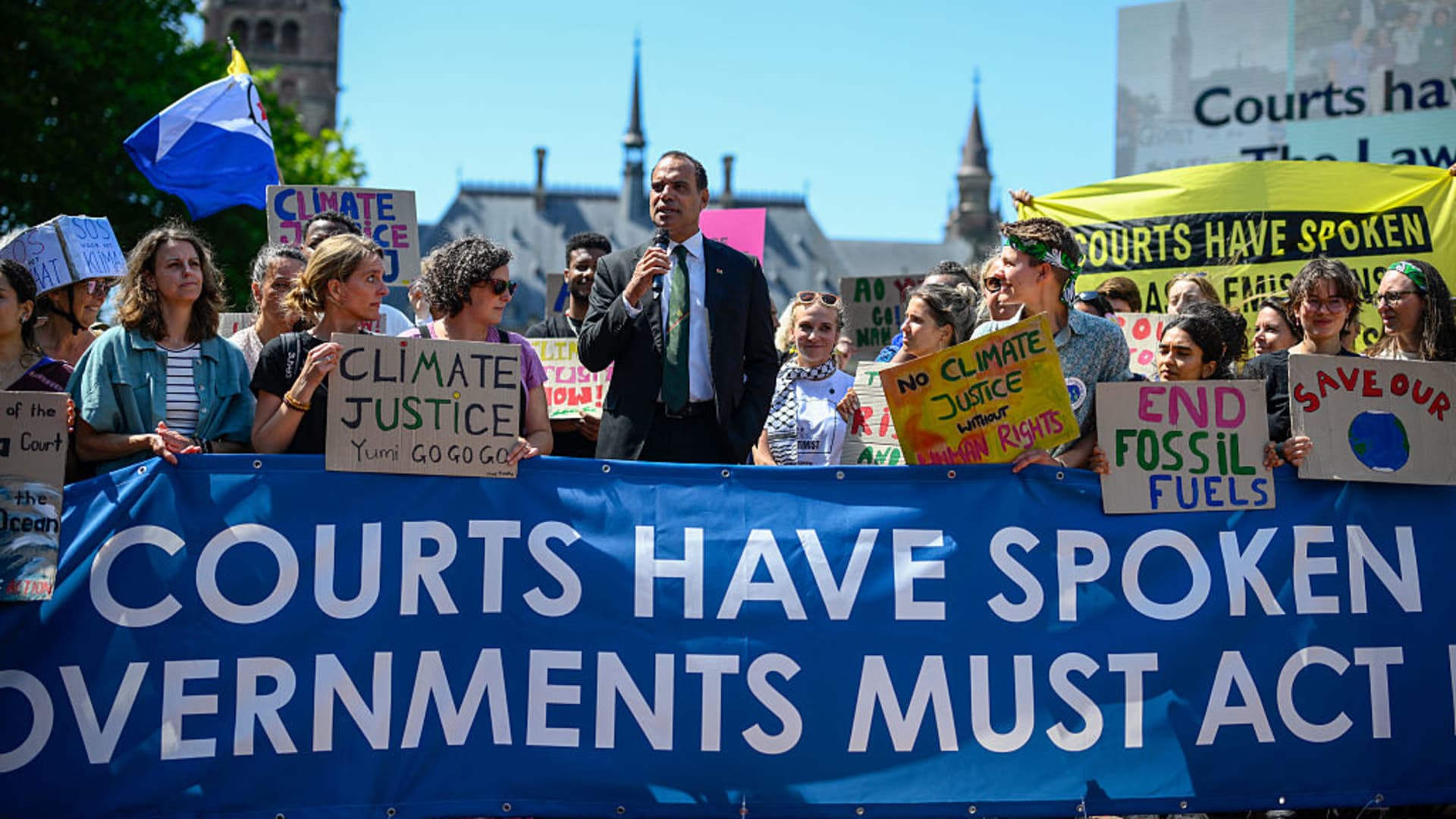
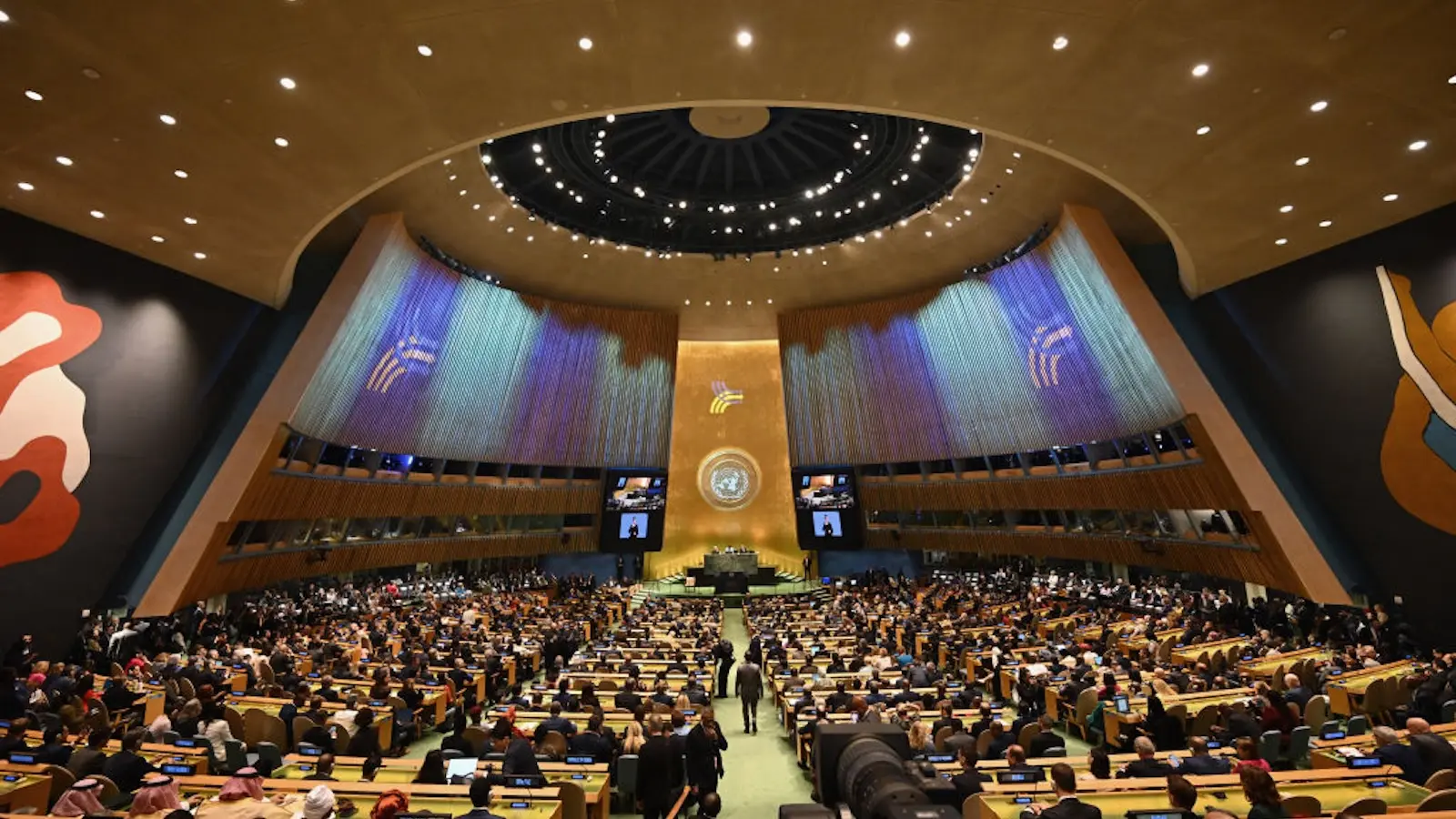
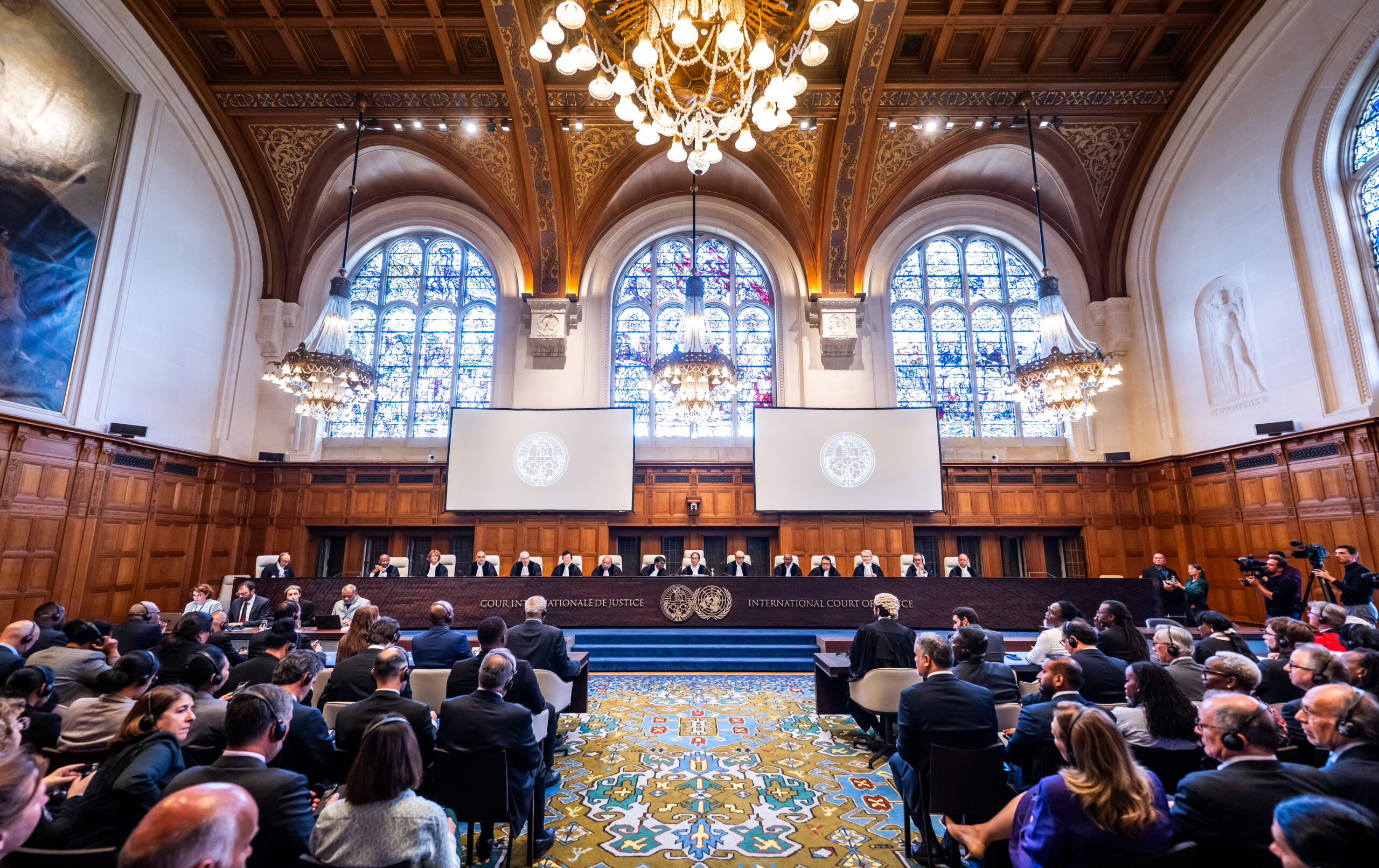
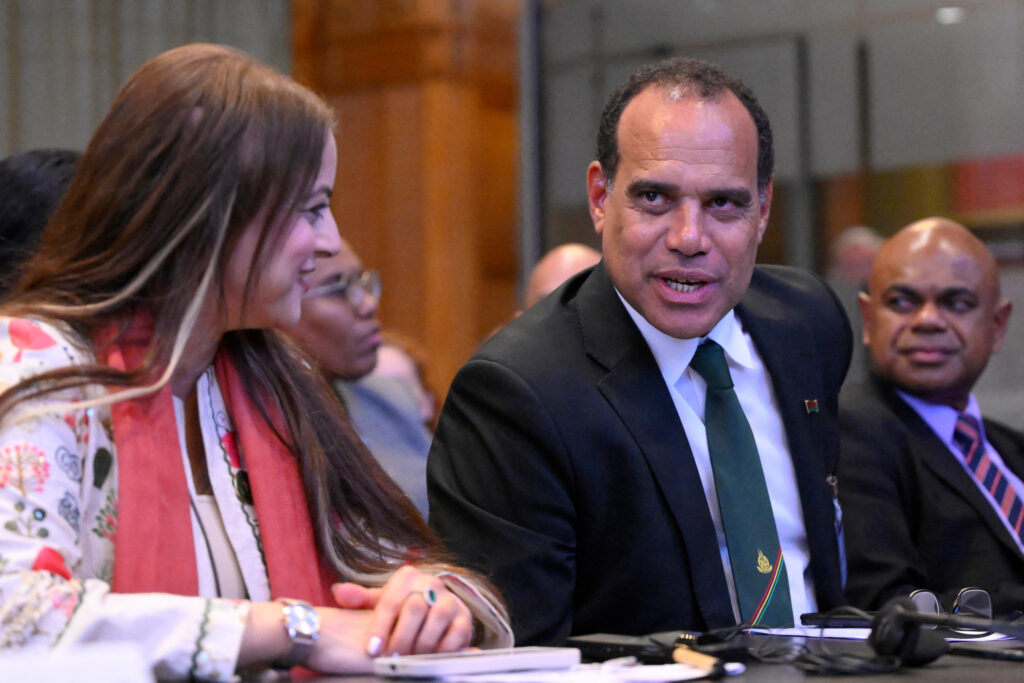
Although the International Court of Justice turned 80 this year, there is a sense in which it has never felt younger. In a David versus Goliath moment, the tiny Pacific Island state of Vanuatu recently changed international law forever by bringing the world’s most important issue before its highest court. The result was last month’s advisory opinion on “the legal obligations of states in respect of climate change,” as requested — at Vanuatu’s urging — by the UN General Assembly (with 132 states co-sponsoring the resolution).
The questions posed to the court were as simple as they were seismic: What obligations, under international law, do states have to tackle climate change? And what are the legal consequences if they fail to do so?
The answer was unequivocal. States have a duty to protect their citizens from climate change — a duty rooted not only in treaties like the Paris Agreement, but also in environmental law, human rights law and customary international law. “Climate change,” said the court’s president, Yuji Iwasawa, speaking from the Peace Palace in The Hague, “is an urgent and existential threat of planetary proportions.” “The science is clear,” noted John Silk, the Marshall Islands’ representative to the UN, “and now the law is, too.”