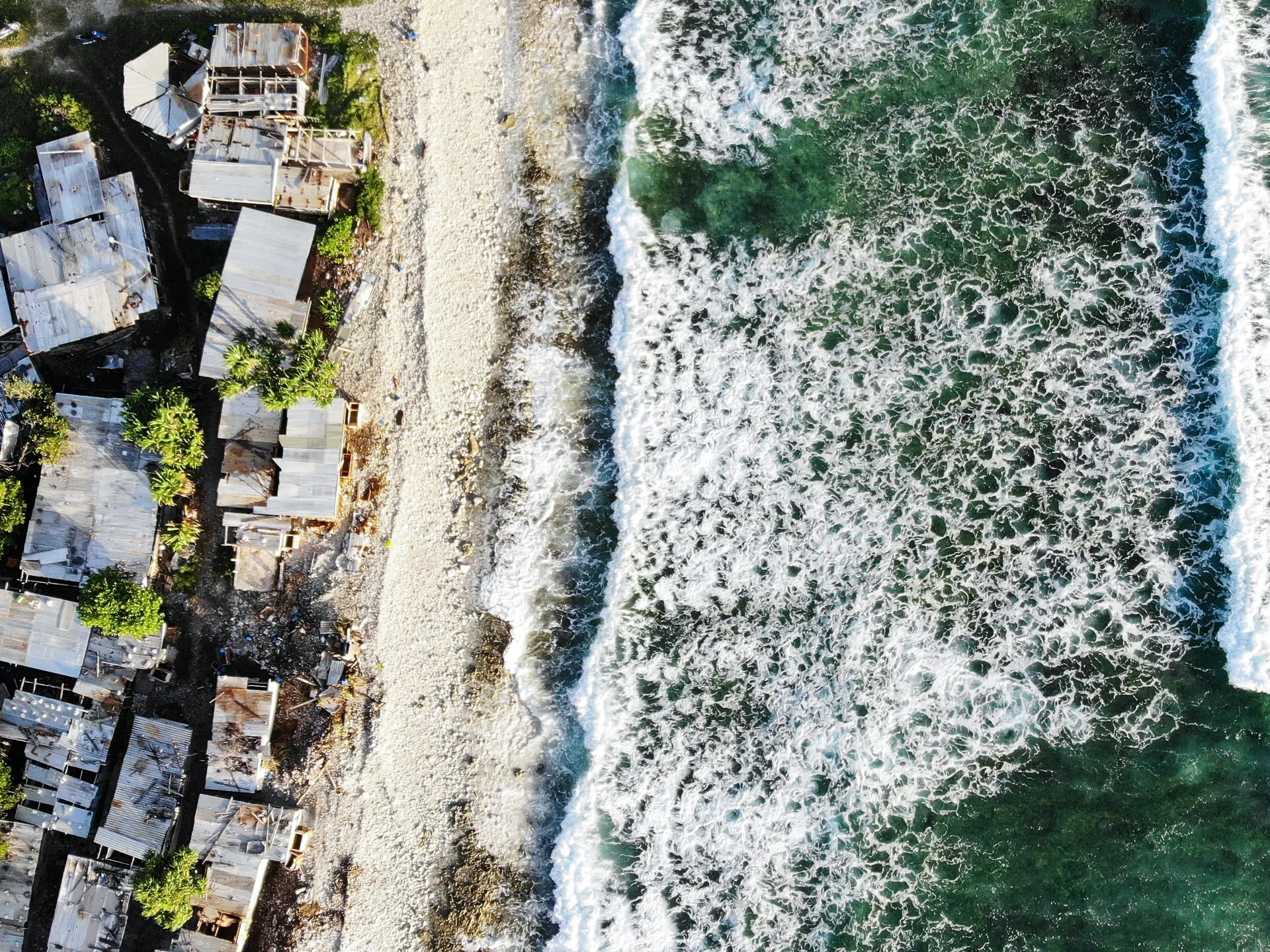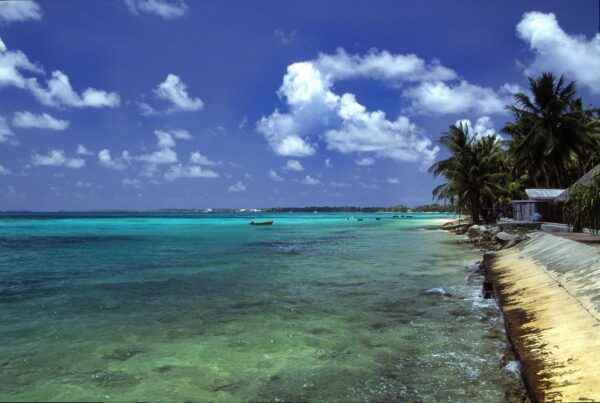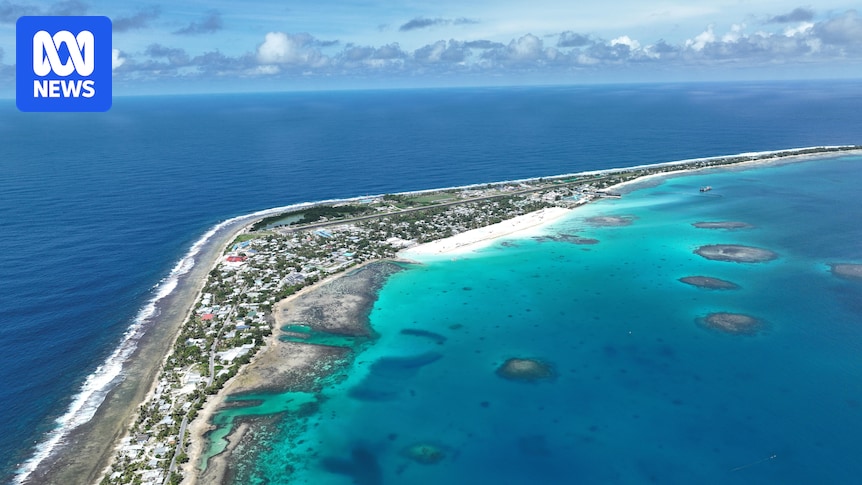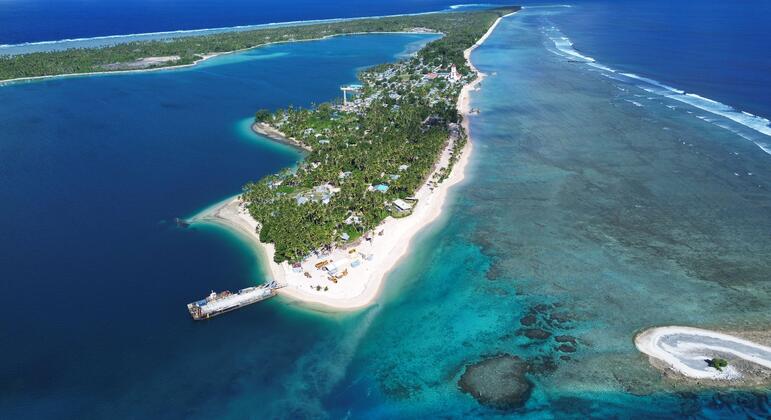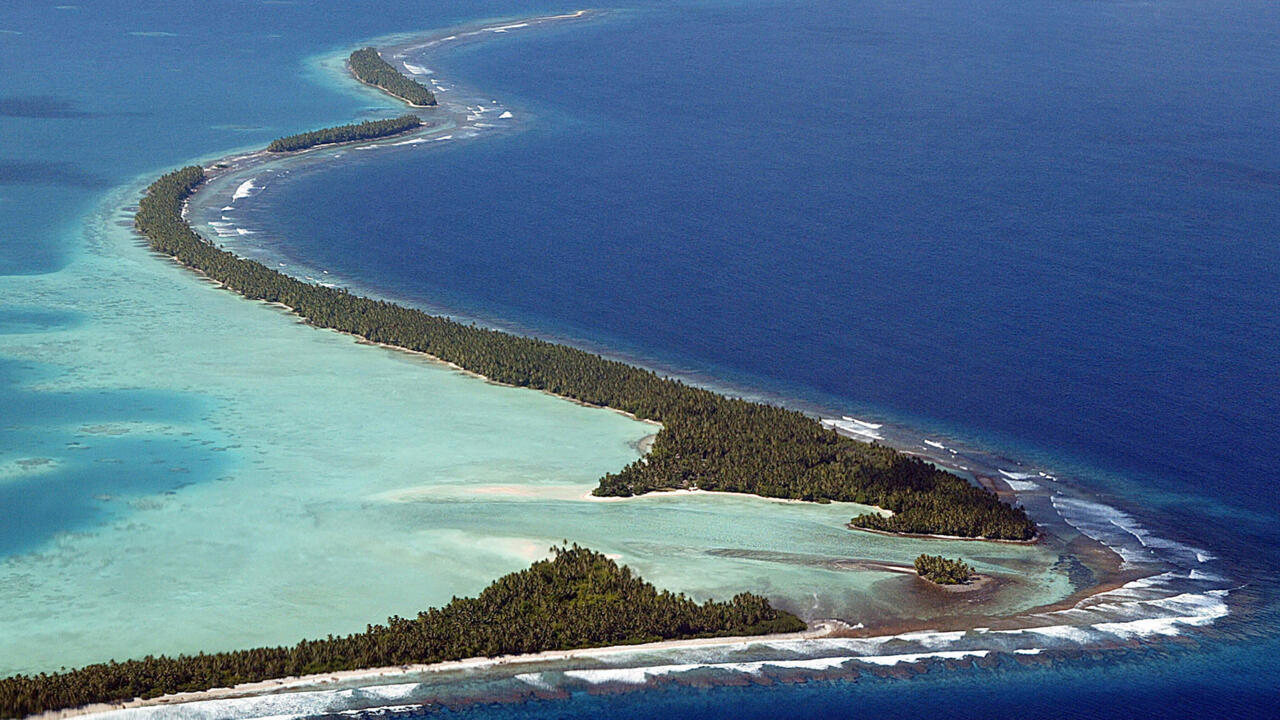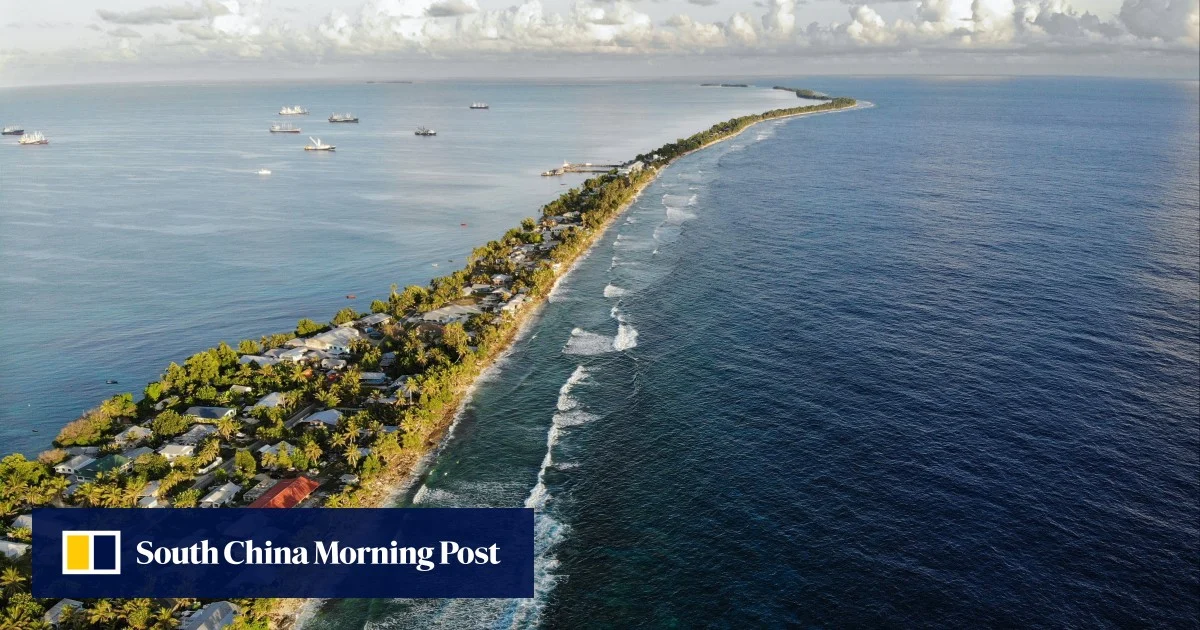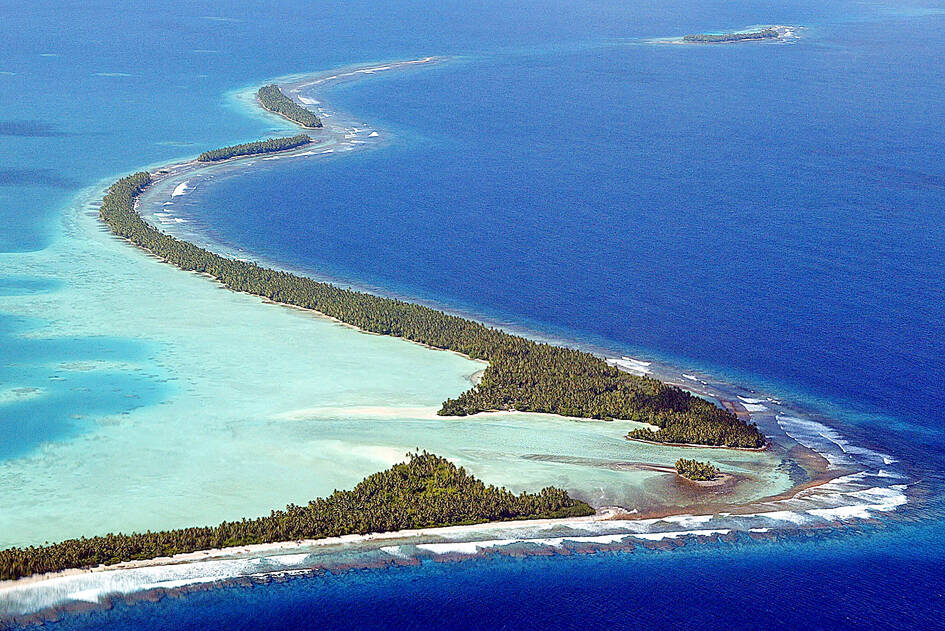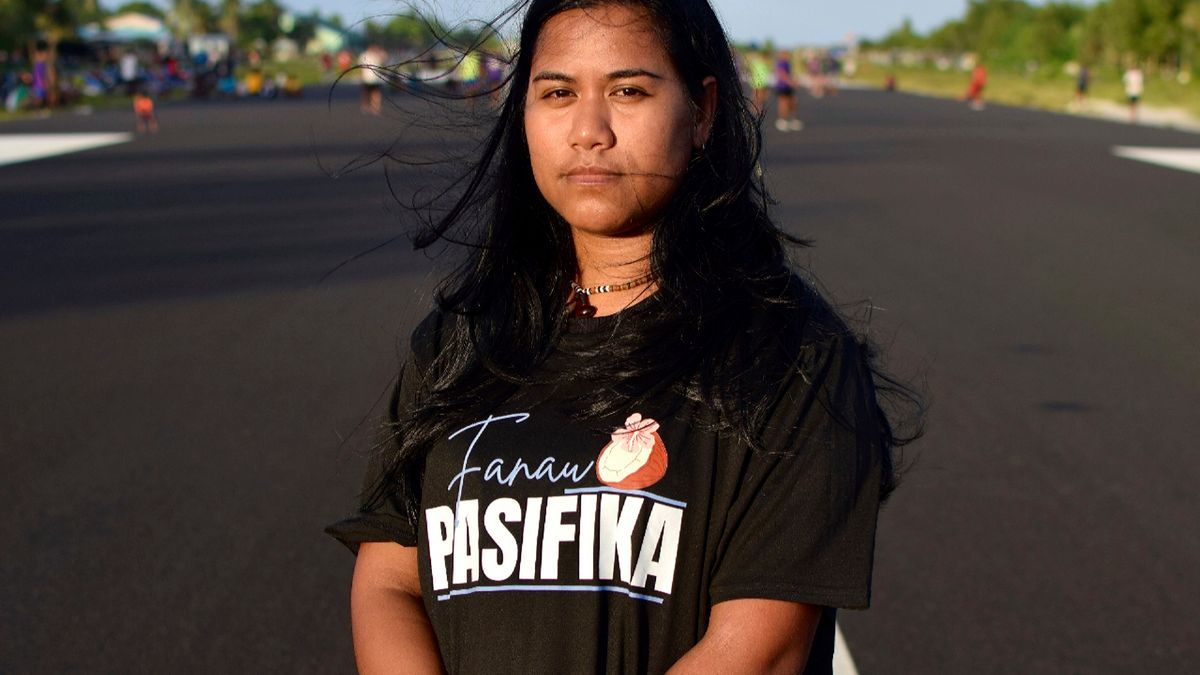
The island lies there like an elbow – the forearm thin, the upper arm wiry. A bend of coral rock, lapped by the largest ocean in the world. At its narrowest point, Fongafale measures only 20 meters across; at its widest, a few hundred.There, in the crook of the elbow, a propeller plane from Fiji – two and a half hours away – lands five times a week. A siren sounds to clear the runway of motorcycles, and when the landing gear touches down, the pigs in the nearby pens startle from their midday nap.
"Our survival depends on this small piece of land,” says Maina Talia. "Twenty-six square kilometers, no mountains.”
DER SPIEGEL relies on support from its readers. To enjoy the rest of this story, please consider signing up for a subscription to The German View, our English-language channel on Substack. The article can be found here and our Substack channel can be found here . Alternatively, you can sign up for a SPIEGEL+ subscription below.
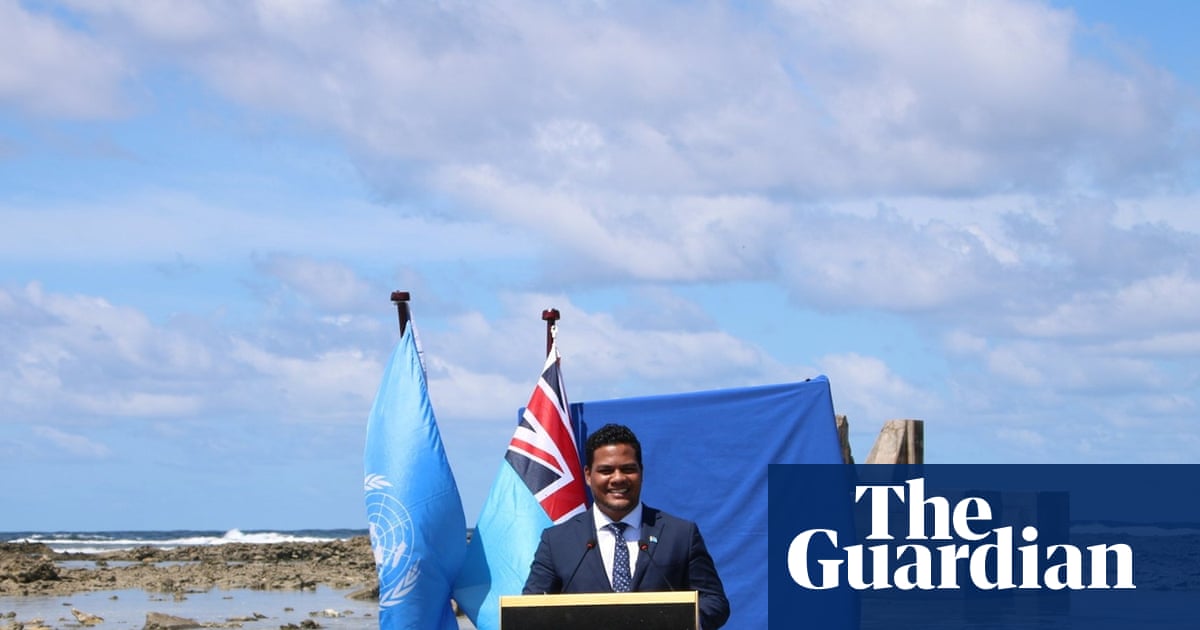
Talia, the climate change minister of the Pacific island nation of Tuvalu, receives visitors in his office in the government building right next to the airfield, dressed in a shirt and flip-flops. A small wooden canoe sits on his table; behind him, a tie hangs on a coat hanger. After the conversation, he will walk the 50 steps to the tiny terminal, suitcase in hand, and board a plane to travel to an ocean conference in Portugal.