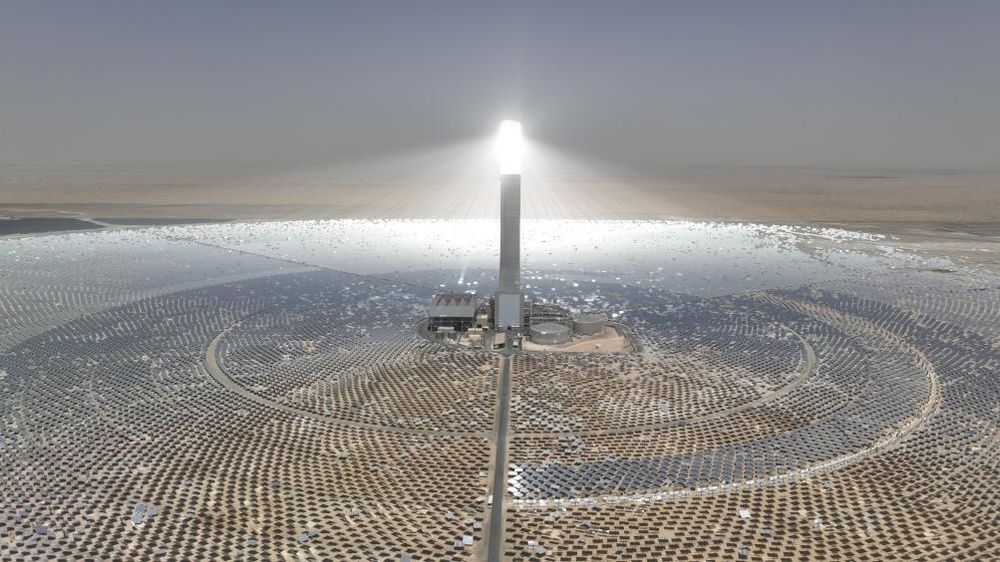
An aerial drone photo taken on Sept. 2, 2024 shows the 4th phase project of the Chinese-built Mohammed bin Rashid Al Maktoum Solar Park in Dubai, the United Arab Emirates.
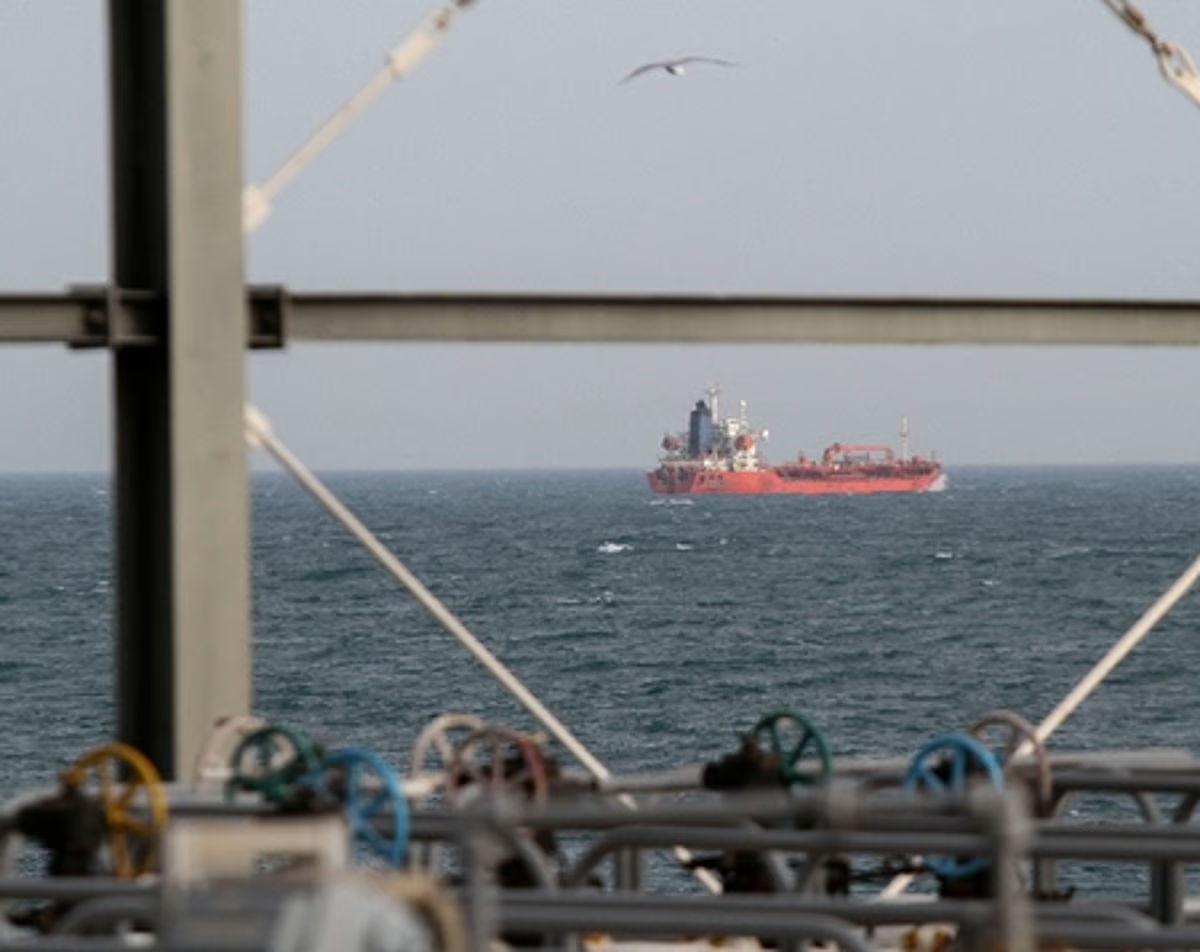
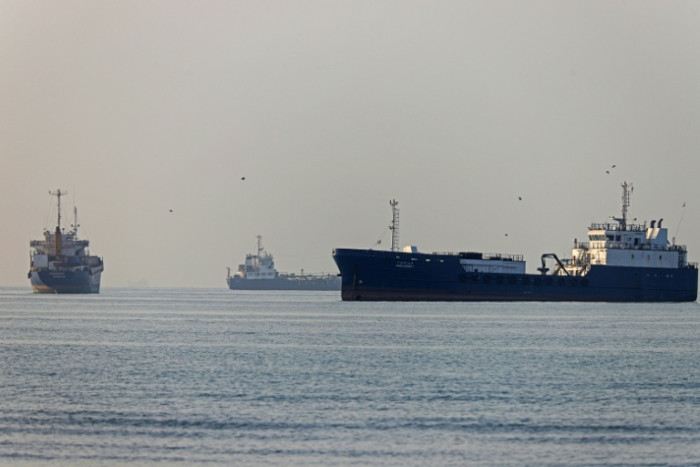
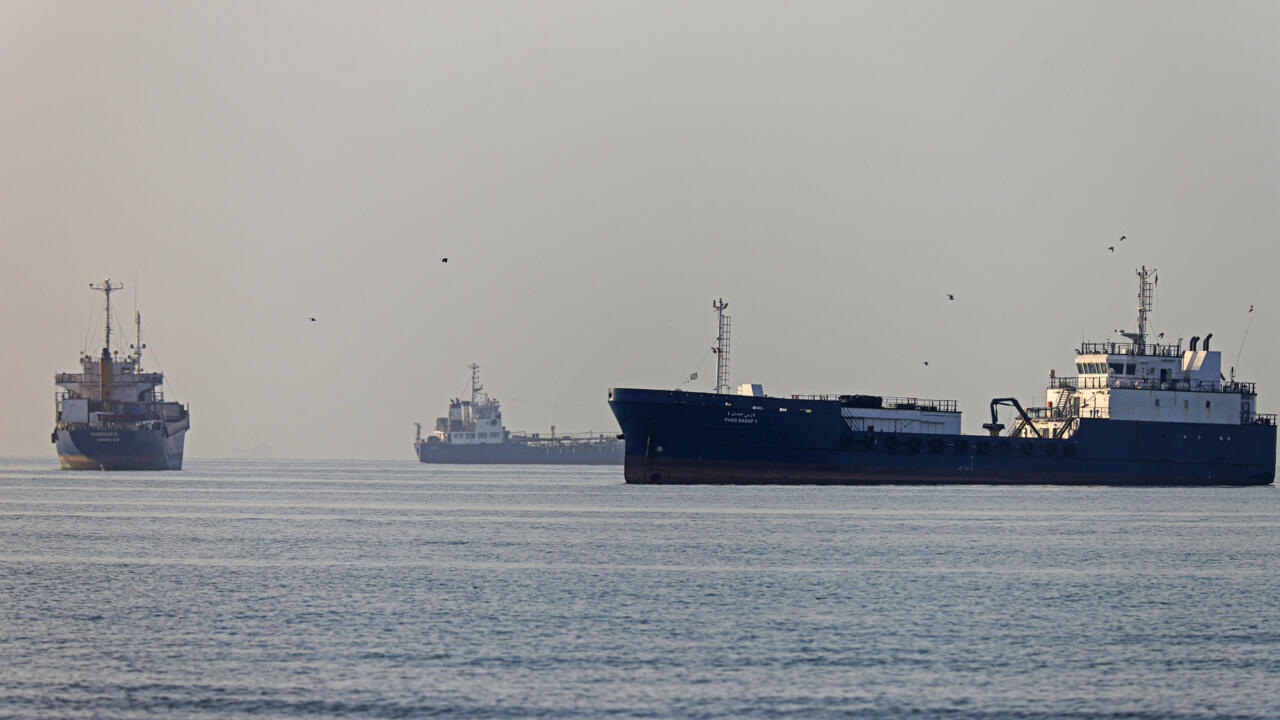
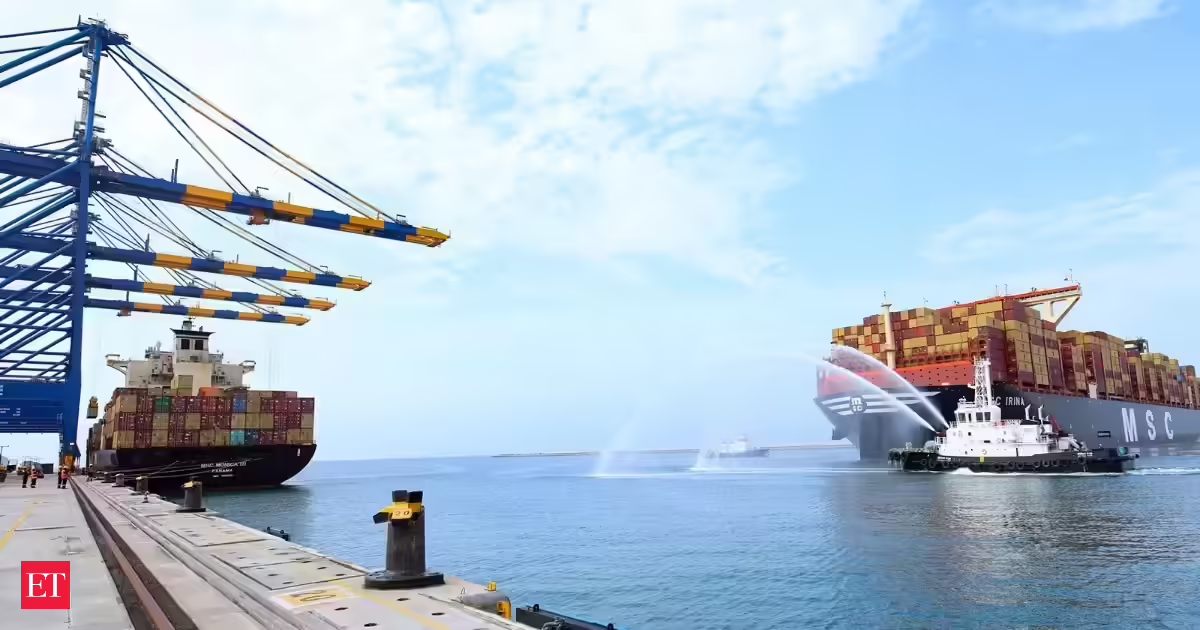
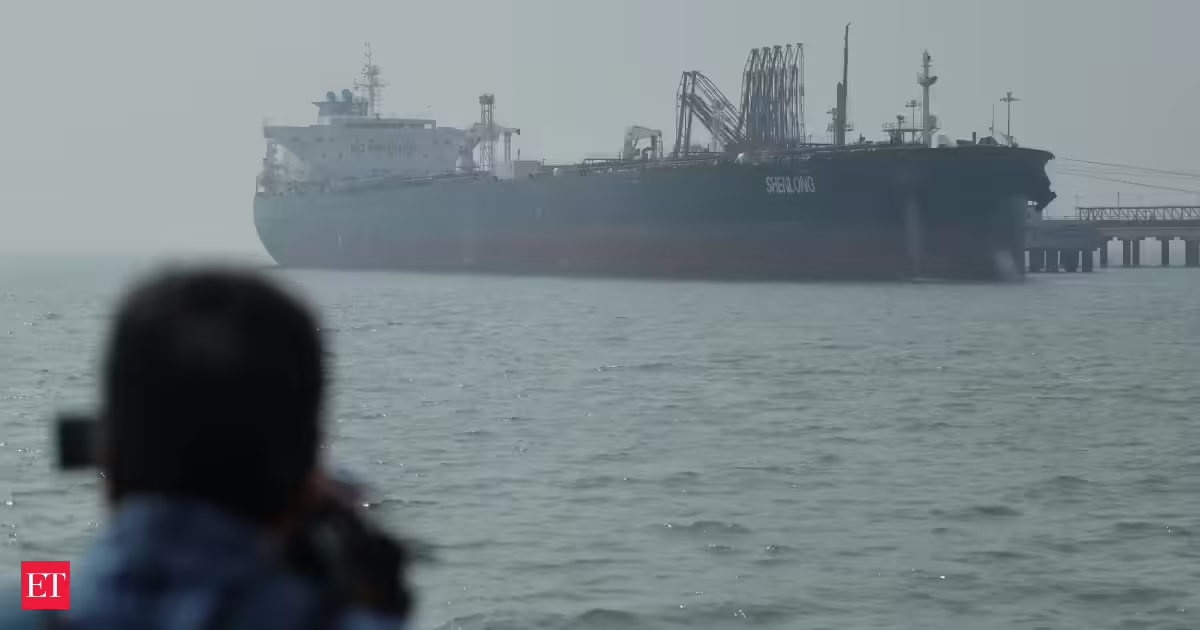
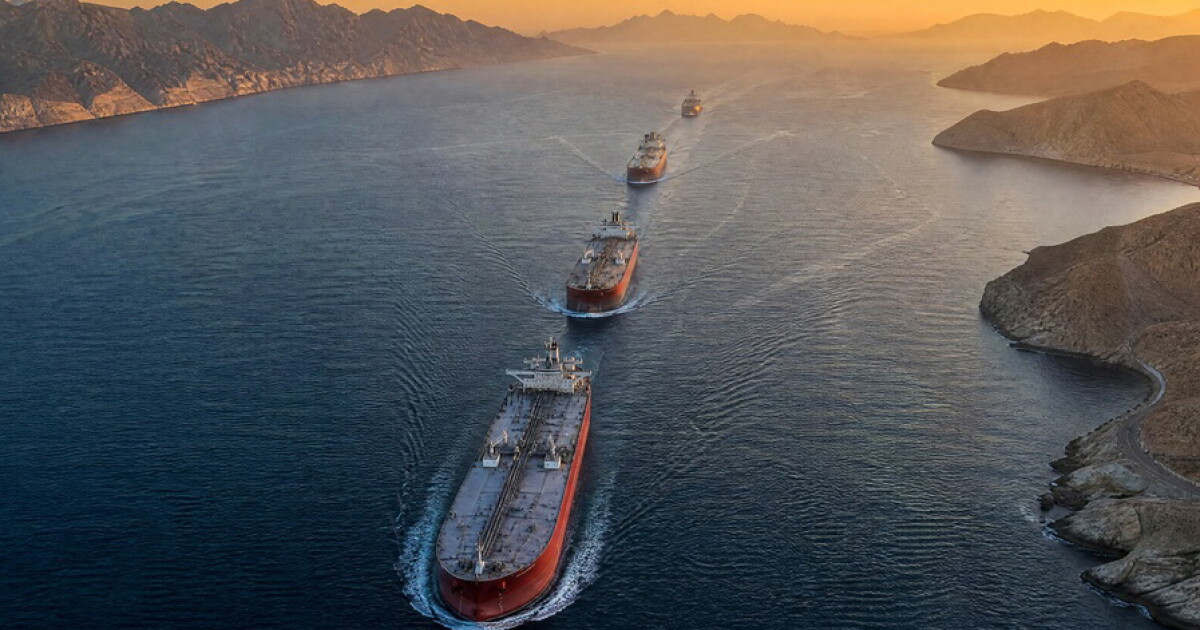
Crises have a way of clarifying what matters. The Hormuz disruption, now well into its fourth month, with global oil markets experiencing what analysts at Wood Mackenzie have described as the largest supply shock in decades, has focused the world's attention almost entirely on what is blocked: tankers, liquefied natural gas cargoes, fertiliser shipments. Less noticed, but arguably more consequential for the long term, is what is still moving: the Gulf's clean energy transition, which has proven more resilient than many predicted.
The evidence is tangible. In late April, Alterra, the UAE-backed climate investment vehicle launched at COP28 with a $30 billion sovereign commitment and an ambition to mobilise $250 billion in clean finance by 2030, announced a fresh commitment to KKR's Global Climate Transition Strategy, directing capital into renewables, energy storage and electrification across North America, Europe and Asia. The deal added another tier-one asset manager to a portfolio that already includes BlackRock, Brookfield and TPG. Sovereign capital, the message was clear, does not panic.