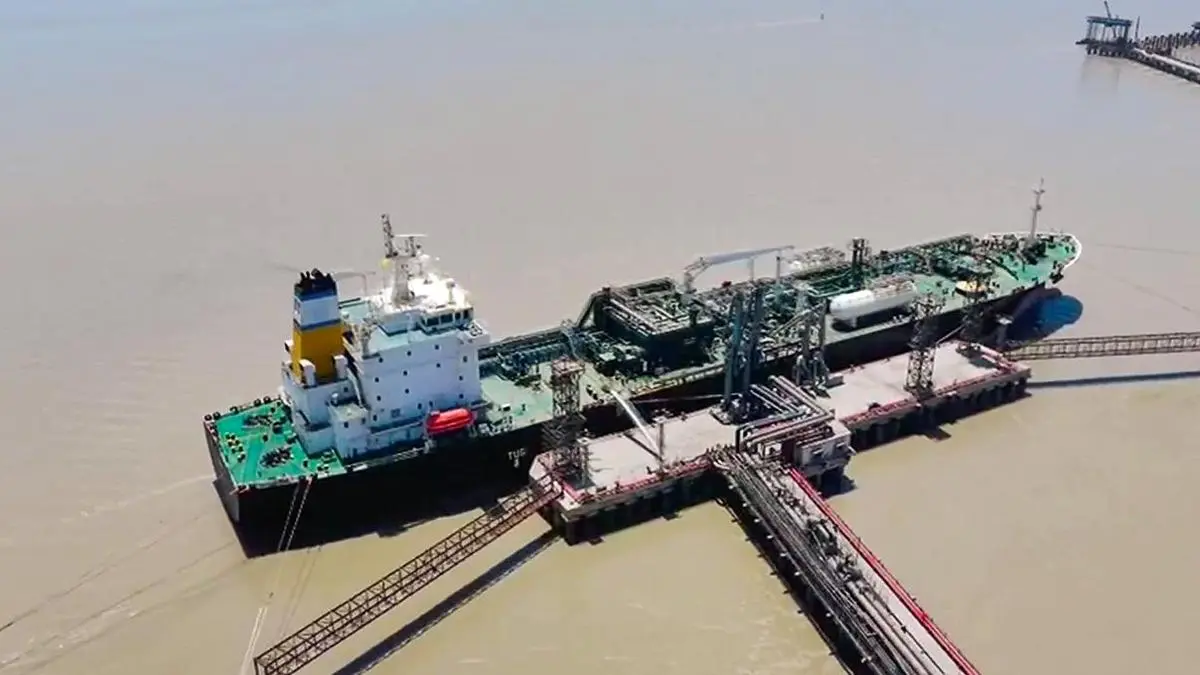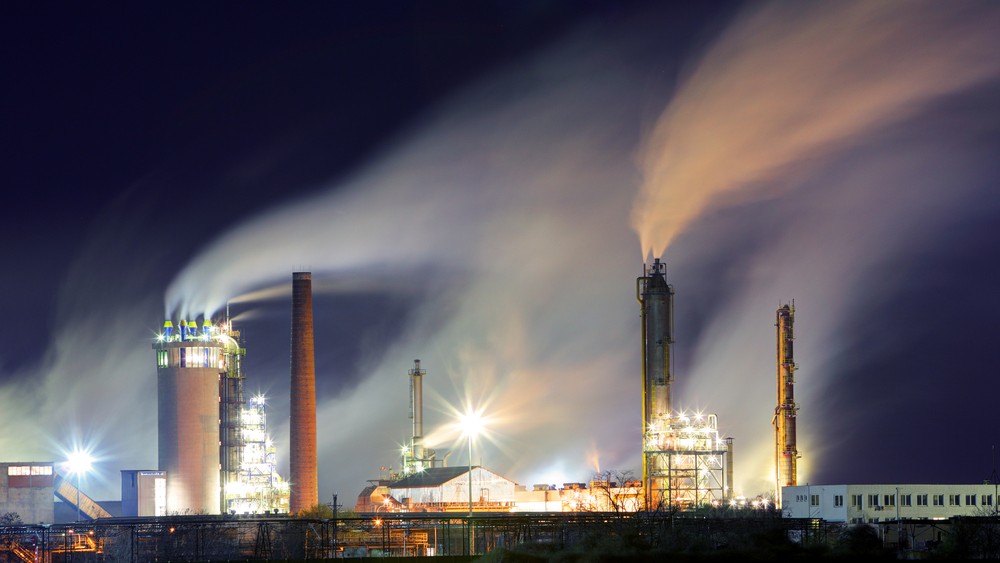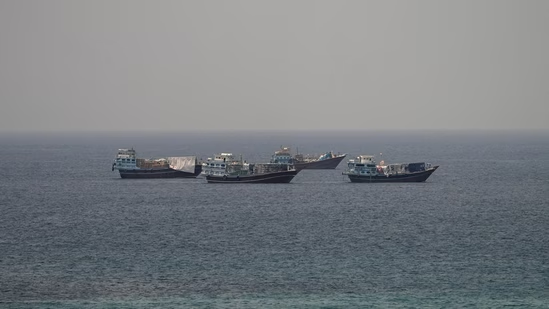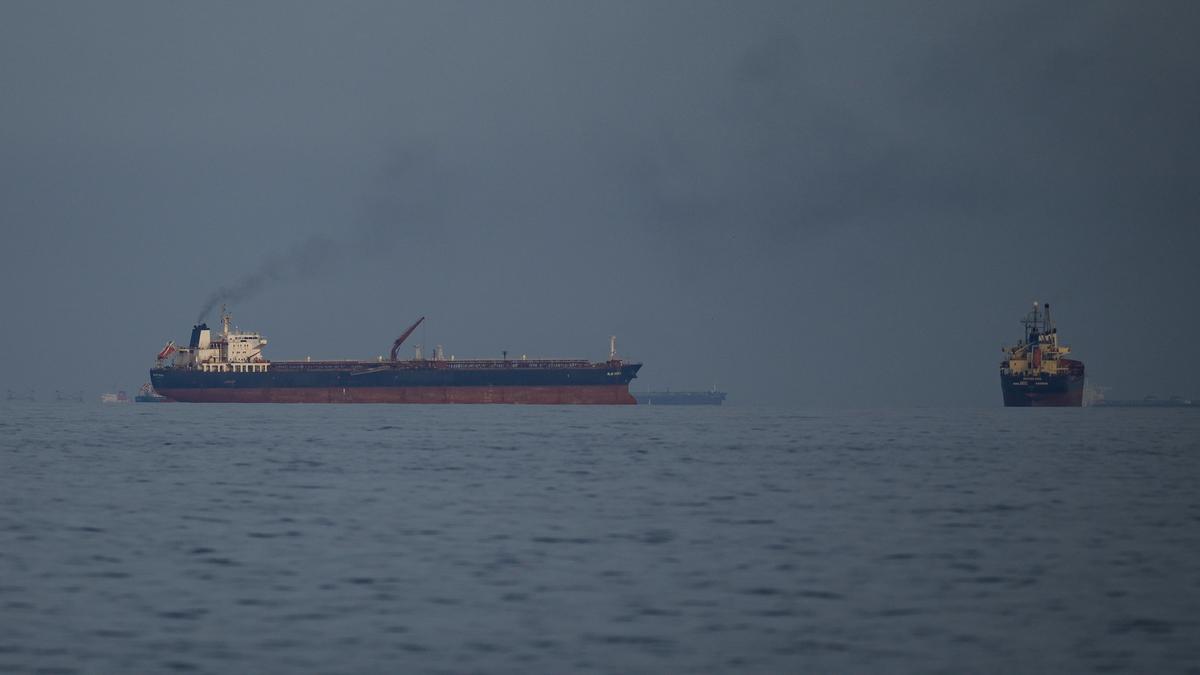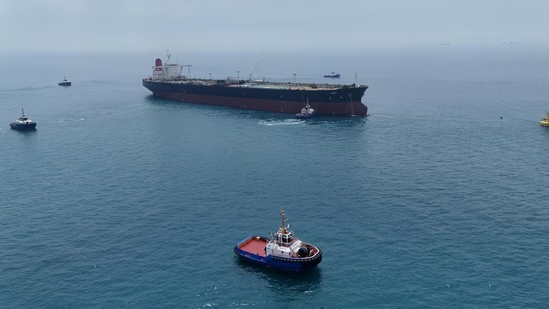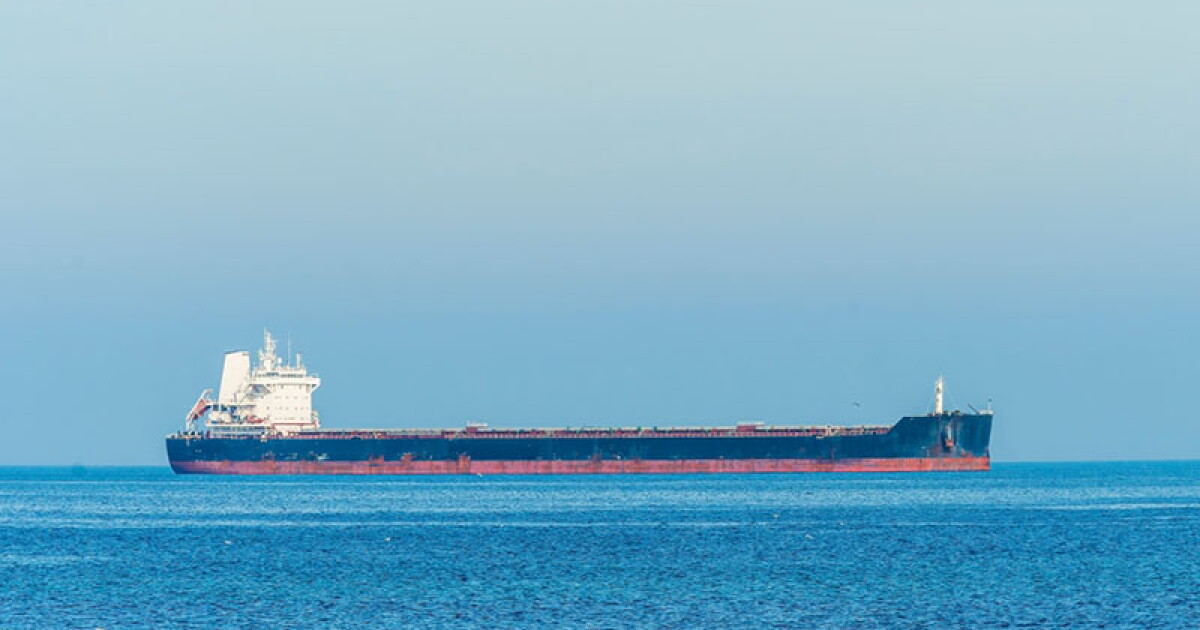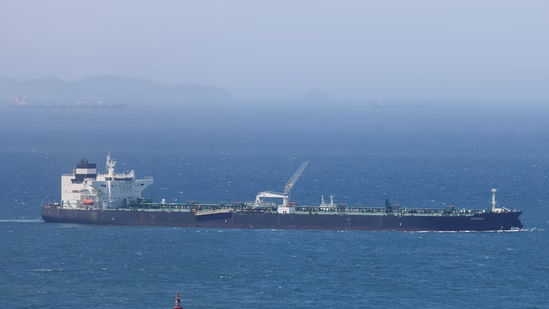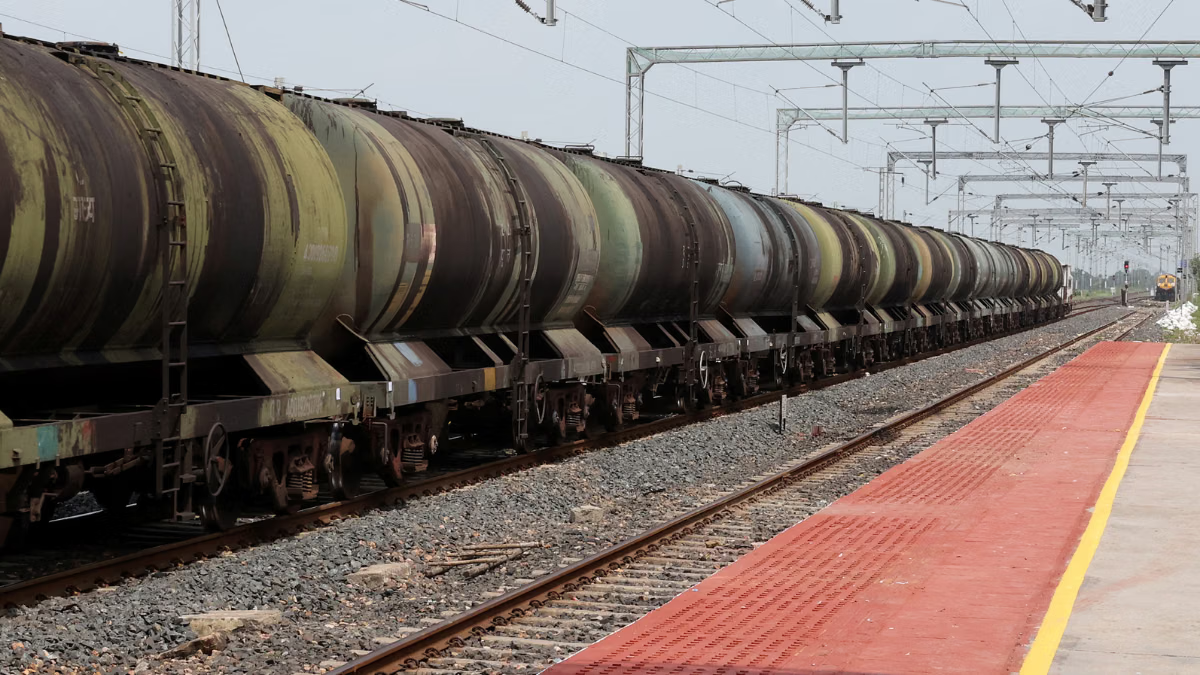
Every so often, a crisis arrives that does not merely test resilience but redefines it. The prolonged disruption in the Strait of Hormuz was one such moment, and among the most significant stress tests for global energy security in years. The strait carries around a quarter of the world’s seaborne crude and petroleum products and about a fifth of global LNG trade. As tensions escalated, markets reacted at once: Brent crossed US$120 a barrel, war-risk premiums and tanker freight rates spiked, and energy-importing governments braced for shortages, inflation, and slower growth.
For India, dependent on imports for nearly 88 per cent of its crude, 51 per cent of its natural gas, and around 60 per cent of its LPG, the risk looked acute. Conventional assessments would have placed it among the most exposed economies, facing supply shocks, inflationary pressure, and economic dislocation. Yet the energy crisis everyone expected never fully arrived.Through months of unprecedented volatility, India avoided fuel shortages, managed pressure on LPG supplies, and moderated the impact of rising global prices on consumers. It did so by combining swift policy interventions, coordinated institutional action, and active energy diplomacy to hold both supply security and market confidence.