Home
Storia in 1 fonti
BRICS+ Series: The Gulf's Green Transition Faces Its First Real Test
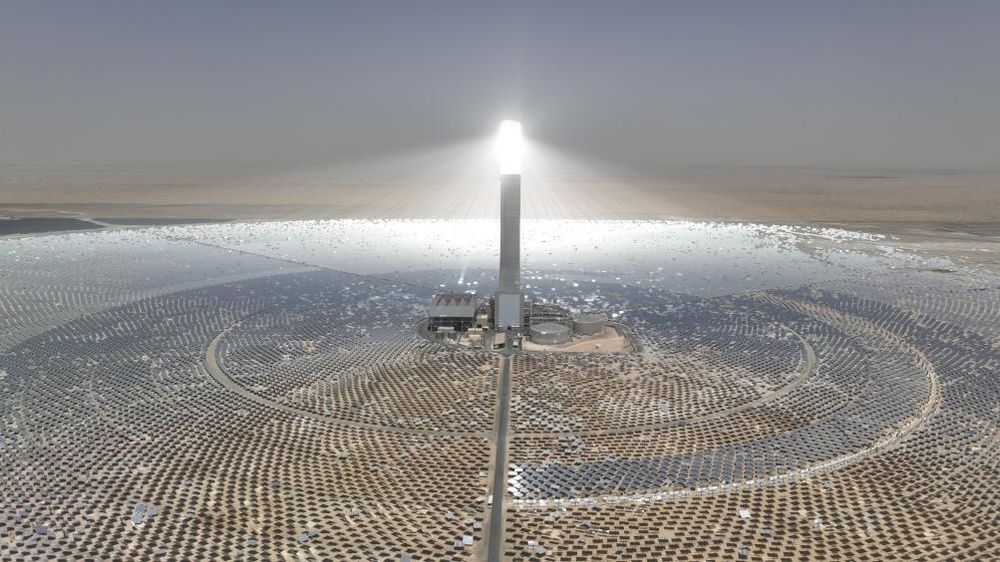
Crises have a way of clarifying what matters. The Hormuz disruption, now well into its fourth month, with global oil markets experiencing what analysts at Wood Mackenzie have described as the largest supply shock in decades, has focused the world's attention almost entirely on what is blocked: tankers, liquefied natural gas cargoes, fertiliser shipments. Less noticed, but arguably more consequential for the long term, is what is still moving: the Gulf's clean energy transition, which has proven more resilient than many predicted.
Raccontata da iol.co.za