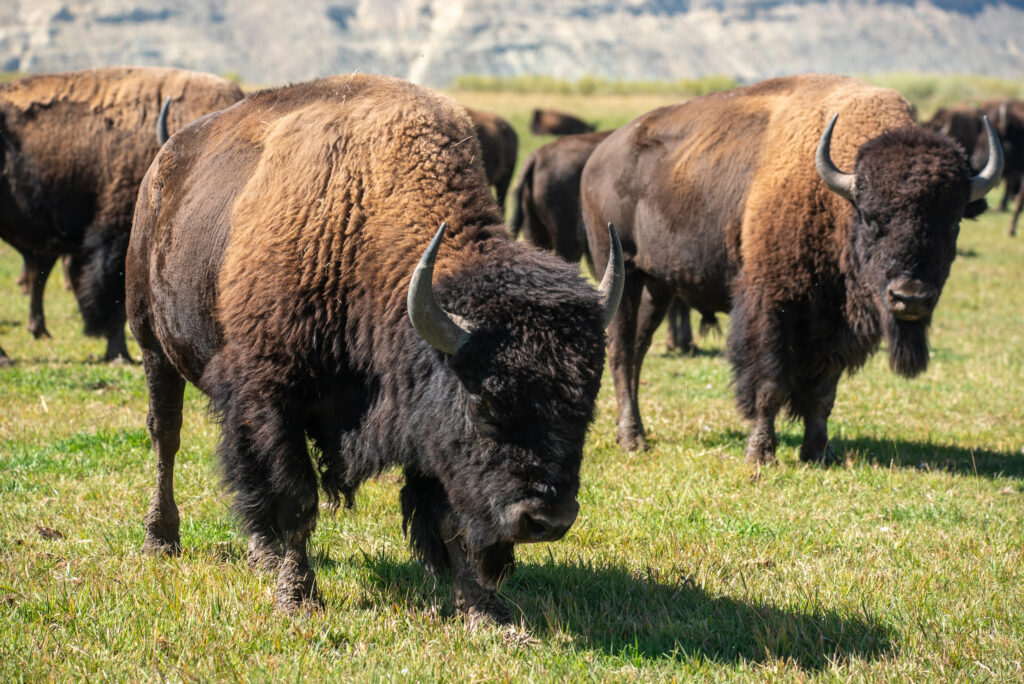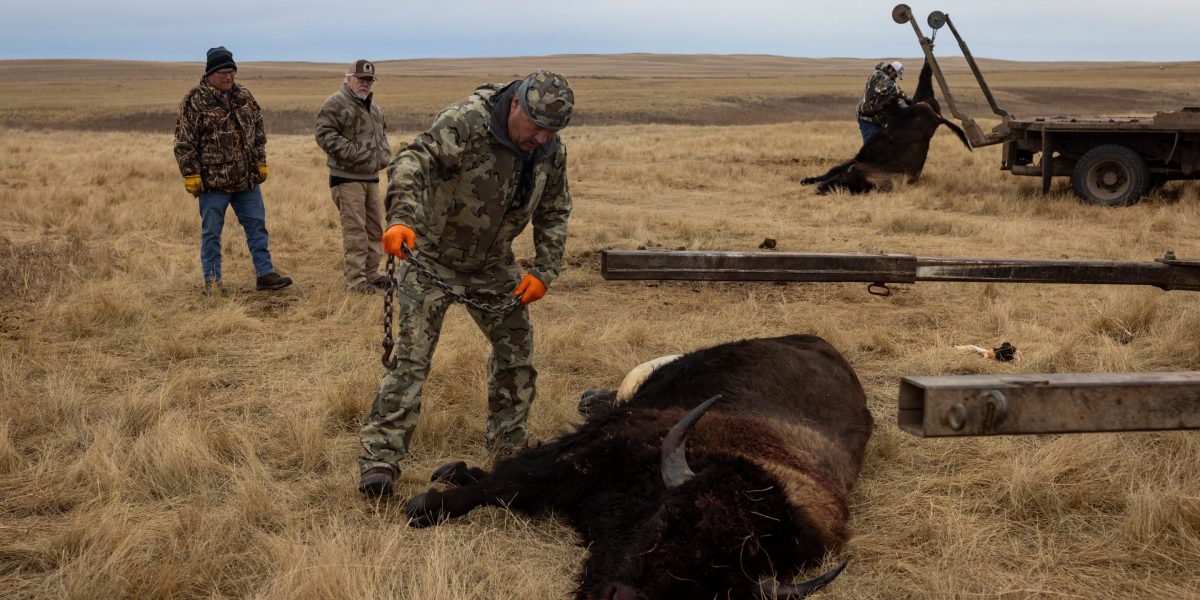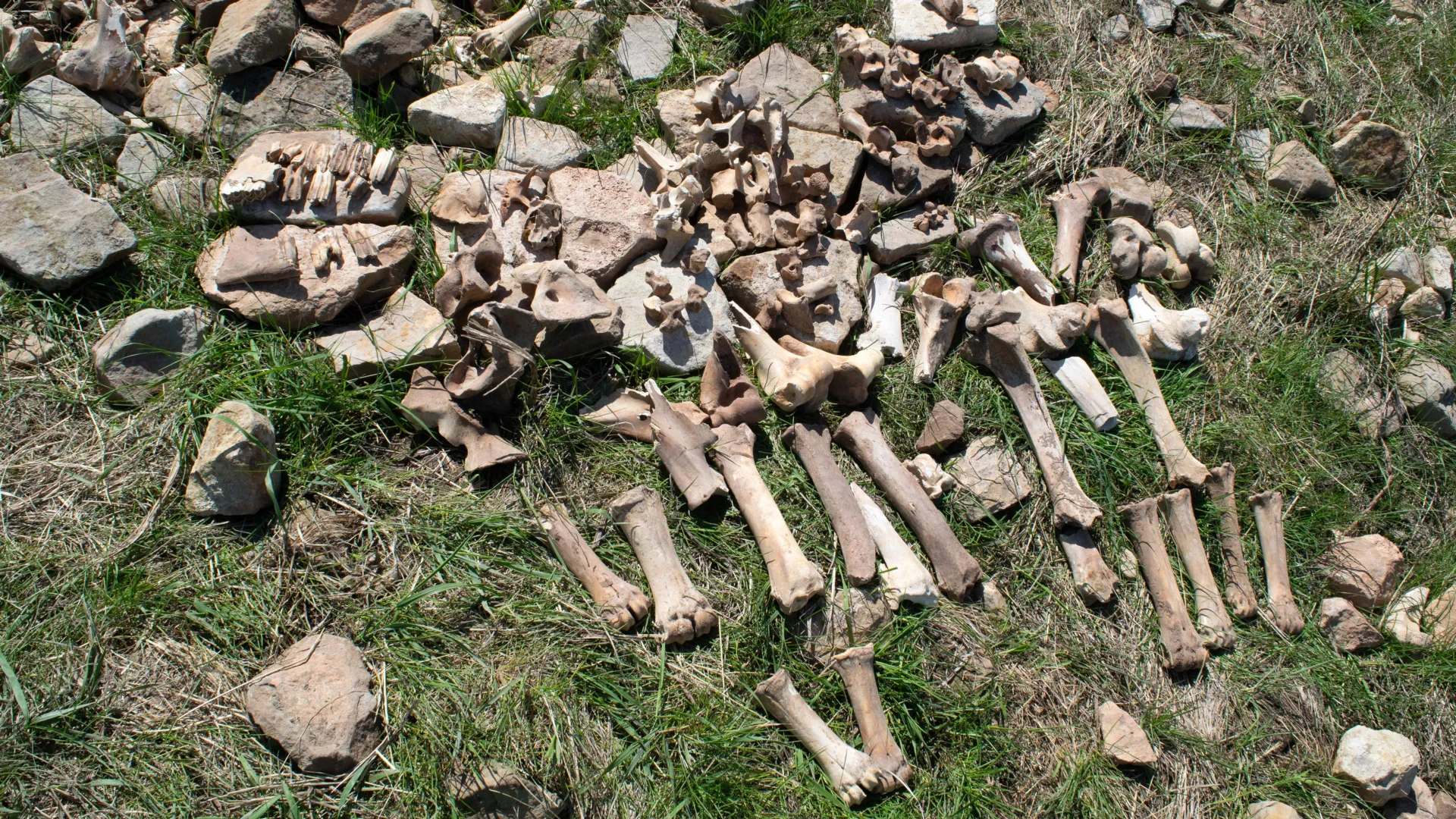
For thousands of years, bison roamed the Great Plains of North America and were an essential resource for Indigenous hunters. Those hunting traditions continued until the late 1800s, when overhunting drove bison populations to the brink of extinction. Long before that collapse, however, hunters relied on a variety of strategies and locations to harvest bison, sometimes shifting from one site to another.
A new study has examined why hunters stopped using one particular location in central Montana known as the Bergstrom site. Although bison remained plentiful in the region, the site was used intermittently for about 700 years before it was eventually abandoned. The findings were published in Frontiers in Conservation Science.
"We found that bison hunters ceased using a kill site in central Montana around 1,100 years ago," said first author Dr. John Wendt, a paleoecologist and assistant professor of rangeland ecosystem management at New Mexico State University. "It appears that hunters stopped using it because severe, recurring droughts reduced the water available for processing animals at a small nearby creek. Site abandonment was a response to environmental stressors and changing social and economic pressures."