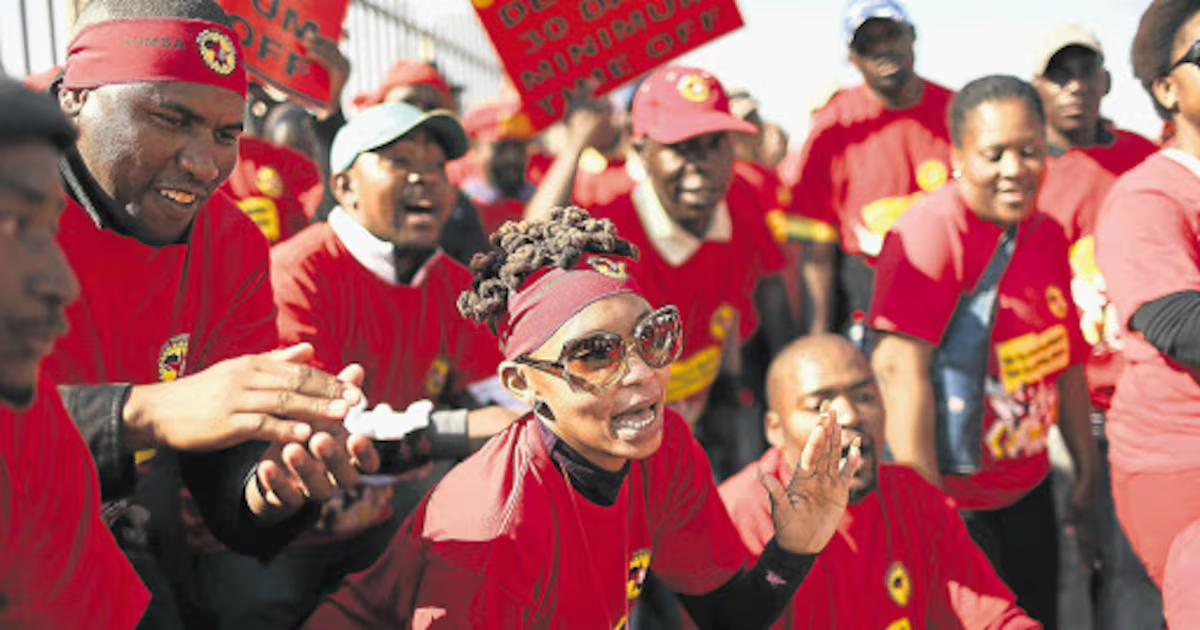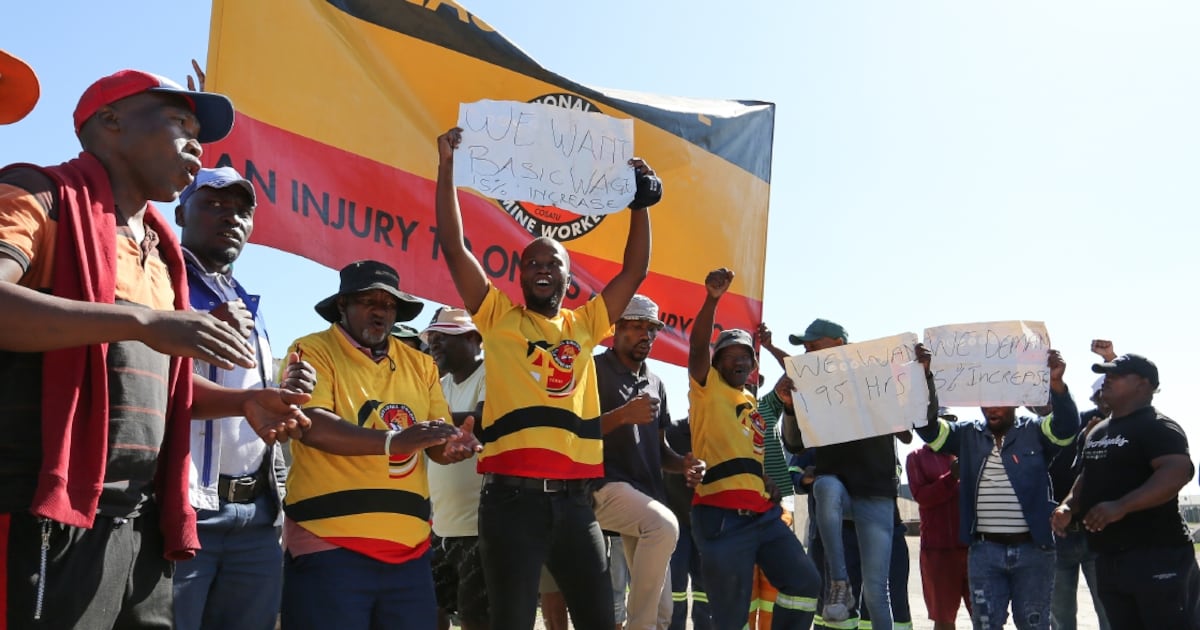
Metalworkers’ union Numsa has rejected a multiterm wage deal that the National Union of Mineworkers (NUM) and Solidarity accepted at Eskom, for increases of 7% each year for three years, and the deadlock is now headed for the Commission for Conciliation, Mediation and Arbitration (CCMA). Eskom concluded the 2026 wage negotiations in April and because the NUM and Solidarity represent 75% of employees in the central bargaining forum, the wage agreement was binding on all employees in the bargaining unit, including those affiliated with Numsa, which has declared a wage dispute at the CCMA. Eskom spokesperson Daphne Mokwena said the three-year pay deal effective from July 1 was viewed as establishing a “predictable environment that reduces the volatility associated with annual bargaining cycles”. She told Business Day that after declaring the wage deadlock, Numsa referred the dispute to the CCMA. “Eskom is currently waiting for the CCMA to issue a Notice of Set Down for conciliation,” Mokoena said. Numsa general secretary Irvin Jim and CCMA spokesperson Annah Mokgadinyane did not immediately respond to requests for comment. Eskom reported a profit after tax of R16bn for 2025, its first profit in eight yearsSouth Africa’s annual inflation rate quickened to 4% in April 2026 from 3.1% in the prior month and was slightly above the expected 3.9%. Unions previously demanded increases of up to 15% before revising their demands down. Jim has said the wage deal with Eskom was “unacceptable and provocative”, saying Numsa demanded 8%. “In 2016 we settled with Eskom for an 8.5% to 10% salary increase when Eskom made a profit of R4.6bn. In 2018 Eskom made an offer of a 0% wage increase to workers, and we settled on 7.5%. In 2019 we settled on 7% and in 2020 we settled on 7%,” Jim said previously. “This was at a time, from June 2018 to 2022, where the economy and the country experienced devastating rolling blackouts that cost the economy not less than R500bn. In 2021 we were victims of Covid-19, and Eskom took advantage of the prevailing conditions and unilaterally imposed a 1.5% wage increase. In 2022 we settled at 7% when Eskom was making a loss of R24bn. This was when rolling blackouts further cost the economy not less than R800bn from 2022 to 2023,” said Jim. Numsa bemoaned what they claimed were 100% increases for top executives and bonuses of more than R2m. Eskom reported a profit after tax of R16bn for 2025, its first profit in eight years. Profit before tax was R24bn. The turnaround was supported by government debt relief, higher electricity tariffs and a significant decrease in load-shedding, which led to lower diesel costs. Eskom received a R254bn relief package from the National Treasury in 2023 in a programme that enjoined local government to pay their dues to Eskom. Municipalities owe Eskom more than R100bn. Business Day
Eskom wage fight heads to CCMA after Numsa rejects three-year pay deal
Numsa has challenged a wage deal granting 7% annual increases
475 words~2 min read