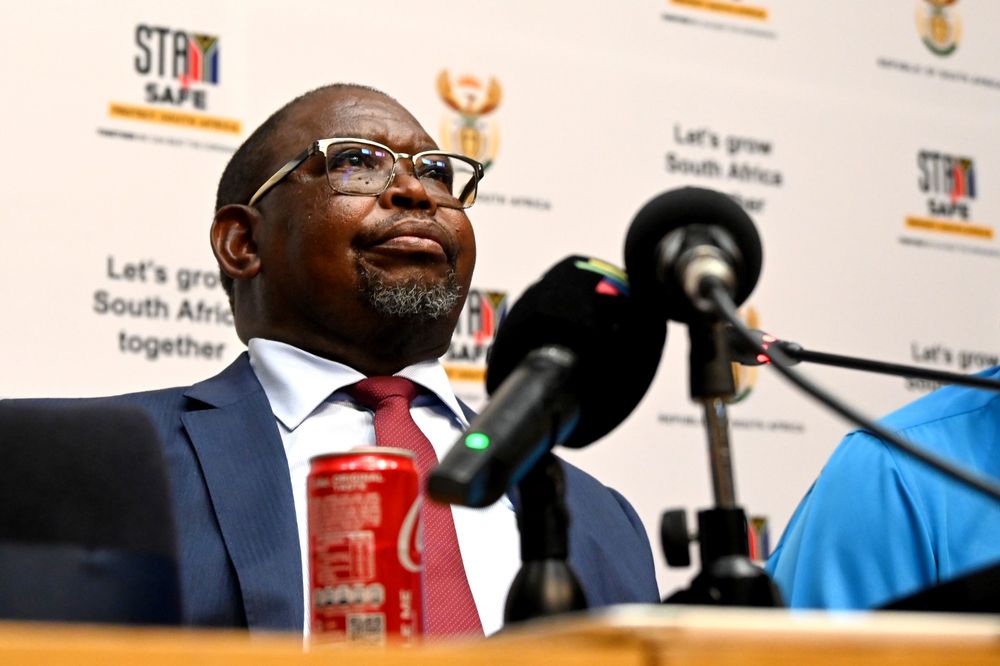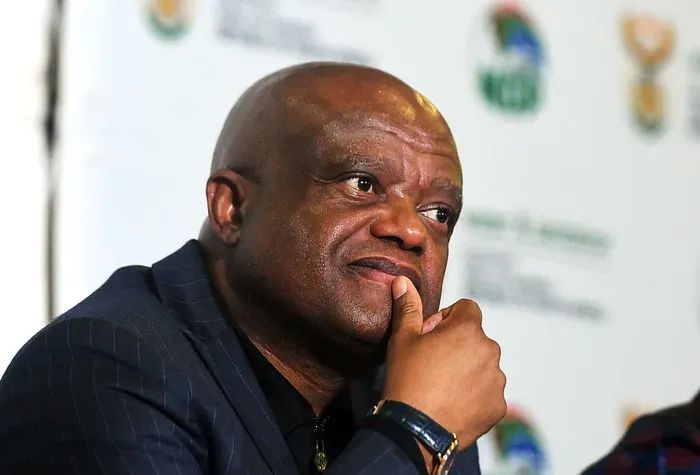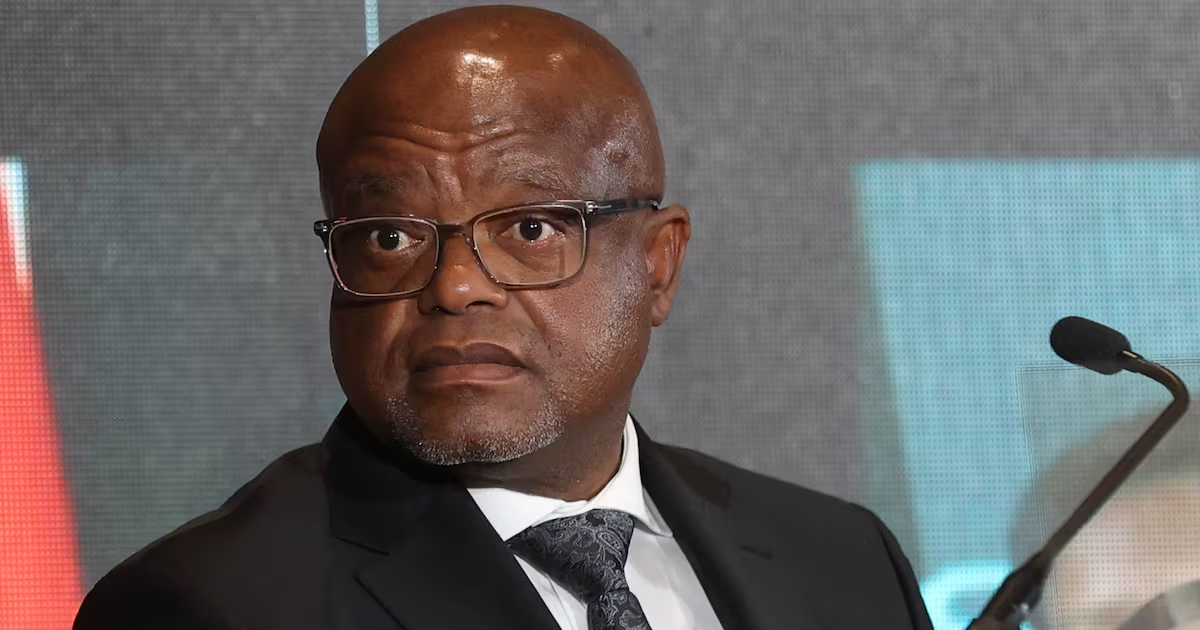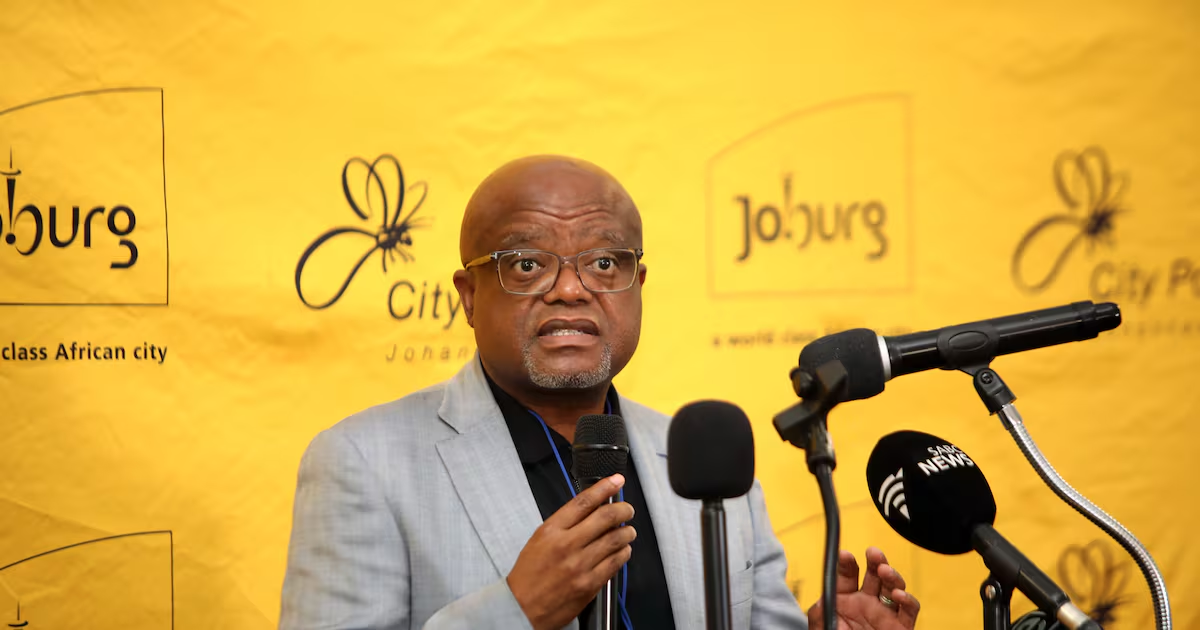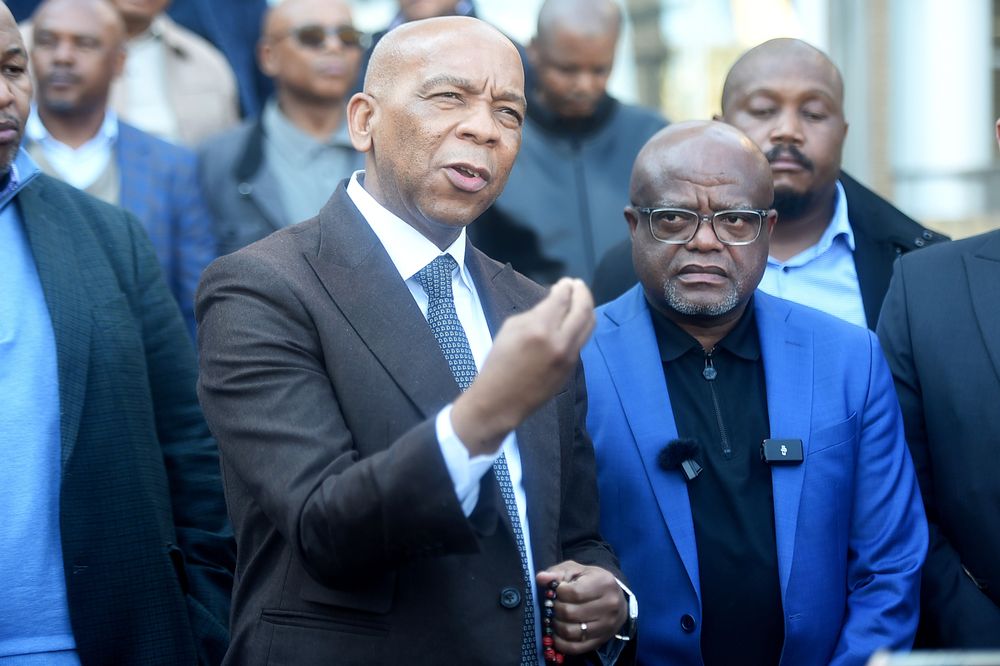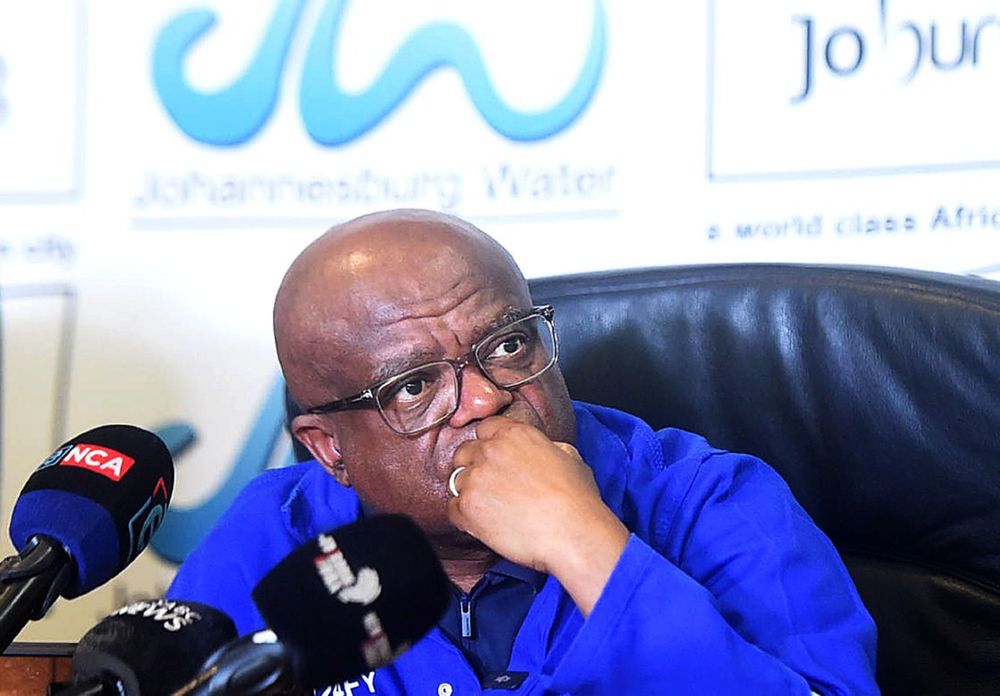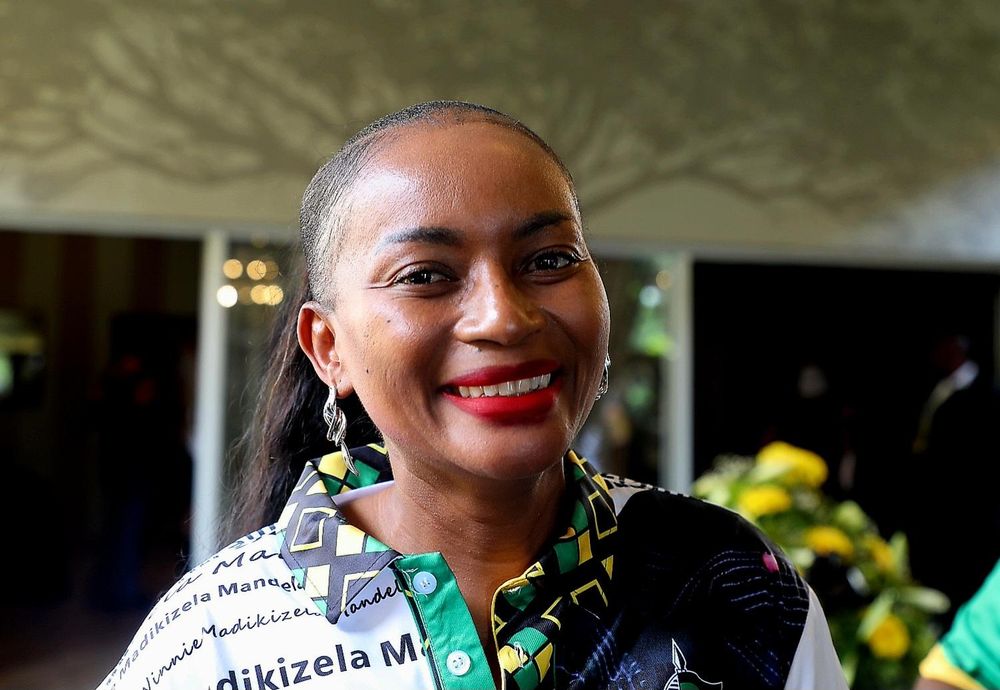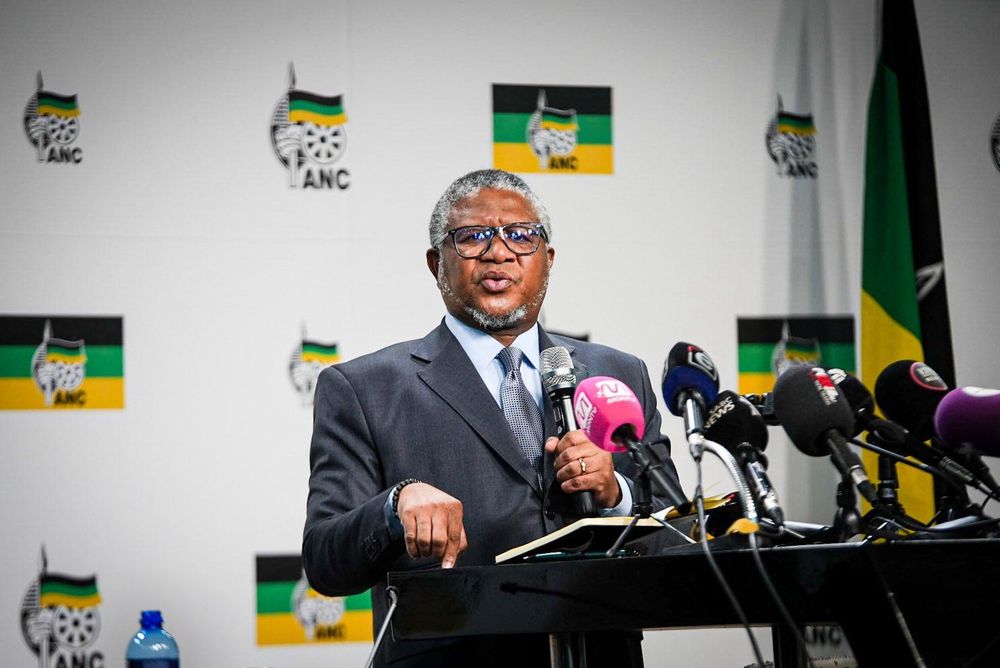
The City of Johannesburg and the National Treasury are on a collision course over the R10.3bn wage agreement the metro signed with its disgruntled workers last year.Mayor Dada Morero and his deputy Loyiso Masuku this week dug in their heels, saying the city would go ahead and implement the wage agreement it entered into with workers, who had threatened to down tools before the G20 summit last year.Both said workers in the council needed to be adequately compensated. This is despite finance minister Enoch Godongwana ordering the metro to scrap what he described as an “illegally signed agreement”.Godongwana threatened to withhold the July 2026 equitable share instalment of R8bn if the deal were not scrapped, a move that could severely affect service delivery for the city’s more than 6-million residents.In a letter recently, Godongwana said he was worried about the city’s financial governance failures. He said the council could ill afford the increases, which were entered into a politically facilitated agreement (PFA) with the union late last year and aimed at aligning staff salaries with those of employees in other metropolitan municipalities.Municipal workers’ union Samwu is affiliated with Cosatu, a key ally of the ANC which has always campaigned for the former liberation movement during elections since 1994.The city owes creditors R25.2bn while holding just R3.9bn in cash, prompting the Treasury to declare the budget unfeasible. Masuku, in her maiden budget speech as finance MMC on Wednesday, supported the wage agreement with Samwu, the biggest union in the local government sector representing 160,000 of the country’s estimated 350,000 municipal workers, saying the metro employees needed to be “adequately compensated”. “Our workforce is our most valuable resource and must be adequately compensated. Equally, we want a professional workforce, reliable, efficient and productive in service of our people. The PFA budget allocation addresses historic and legacy salary disparities,” Masuku said. “The ANC-led government of local unity has demonstrated its commitment to ensuring that workers receive fair compensation with the intention of accelerating service delivery, strengthening revenue collection and improving customer interface through a motivated and skilled workforce.” Morero backed his deputy in the budget debate on Thursday.“The PFA is a matter that this council approved in July 2024. The leadership of this council, the mayoral committee, will continue to support and implement the PFA as part of a facilitated agreement and, second, as part of a mediation [process] between labour and the city, which was facilitated by senior counsel Terry Motau.”Morero said the process “confirmed that workers had been shortchanged by the City of Joburg”. “The discussion on affordability will continue to take place, but at the same time we must continue to fund this commitment.”However, analysts have warned this could backfire and score the ANC heavy losses at the local government elections on November 4. They say the ANC finds itself between a rock and a hard place in the matter.On the one hand, it has to side with a traditional ally it urgently needs before the elections. On the other, it has to consider the figures and views of its fellow members of the government of national unity.Stellenbosch University political analyst Prof Amanda Gouws said the PFA was done “with an eye on the upcoming municipal elections, and this might not serve them very well”.For the city leadership to rally behind the PFA despite Godongwana’s position on the matter was Morero and Masuku saying to the finance minister, “We don’t really care what you say; we are going to go ahead with this agreement.”“We have all heard how much money the city owes Eskom. There is no explanation for where this money is going to come from. People are desperately unhappy about the state of infrastructure in Joburg, the potholes, and nonfunctioning street and traffic lights, so to then say we are going to throw money at a union is a very unwise decision which might score them [ANC] heavy losses at the upcoming polls,” she said.In the deal the metro committed to pay a minimum of R1.2bn and up to a maximum of R2bn by March 2026; a minimum of R5bn and up to a maximum of R6bn by July 2026; and R4.1bn by July 2027. City of Johannesburg spokesperson Nthatisi Modingoane said: “The agreement is being implemented. It is binding; you can’t just abandon an agreement that is binding; it would be too costly for the city to do that.” Tebogo Mosala, spokesperson of the SA Local Government Association (Salga), an employer body representing the country’s 257 municipalities, said: “Salga does not have a position or input on the matter, as this relates to an internal City of Johannesburg administrative and labour matter. We would therefore not be in a position to comment.”The National Treasury and Samwu were approached for comment but had not responded at the time of publishing. Godongwana’s letter comes barely nine months after the finance minister wrote a damning letter to Morero demanding a plan to rein in the metro’s unauthorised, irregular, fruitless and wasteful expenditure. Godongwana had already flagged a crisis of accountability after uncovering R1.4bn in authorised outlays, R22bn in irregular spending and R705m in fruitless and wasteful payments. Opposition parties including the DA, ActionSA, and Rise Mzansi have all criticised the PFA, saying it would decimate the city’s finances, which were already in a parlous state. “Much has been said of the PFA, and strong anti-worker sentiments have found expression among opposition benches,” Masuku said.“With the responsibility of incumbency that is upon us, we have and will always act with reason, diligence and accountability. In this regard, we will continue our engagements with the National Treasury and minister Godongwana. We are committed to ensuring that we maintain fiscal discipline and integrity of the city while meeting our obligations.” The city is technically insolvent as revenue collection levels do not meet budgeted targets, and it has an overexpenditure of about R3.9bn on employee-related costs, bulk electricity purchases, inventory consumed and operational costs. The council’s finances are severely constricted, with poor revenue collection resulting in its failure to meet service delivery targets. It desperately needs the equitable share from the Treasury to enhance service delivery ― especially in an election year. In April, GCR Ratings revised the city’s ratings outlook from stable to “rating watch negative” because of the metro’s delays in finalising its annual financial statements. The city, responsible for 16% of South Africa’s GDP and employing 12% of the national workforce, also has to contend with an infrastructure backlog of more than R200bn, adding to the water challenges facing the city. On Tuesday, electricity and energy minister Kgosientsho Ramokgopa said revenue collected by the city from electricity purchases will be ring-fenced from July 1 and channelled back to Eskom in a bid to address the metro’s R5.3bn outstanding debt. Eskom issued a notice to the metro and City Power a week ago of its intention to reduce, interrupt or terminate the supply of electricity to certain bulk supply points because of the outstanding debt plus a current account of R1.6bn. In her budget speech, Masuku tabled a budget of R79.1bn for the 2026/2027 financial year, with sharp tariff increases that will see consumer earnings severely eroded. She said operating revenue for 2026/2027 was R90.4bn, operating expenditure (R88.3bn), projected surplus R2.1bn (before tax and capital grants), and capital budget (R8.8bn, rising to R25.3bn over the medium-term). Rise Mzansi Johannesburg mayoral candidate Lukhona Mnguni said the budget represented the final account of an administration that asked for forgiveness while “preparing to squeeze the middle class and the poor even further”.The budget “asks the long-suffering residents of Johannesburg to pay more for less, while the city’s political leadership fails to plug the massive leaks — water and financial — draining our city’s future".“This administration stands before us at the end of their political term admitting to a catastrophic R220bn infrastructure backlog (against a capital expenditure budget of R8.8bn), a staggering 44.7% loss in non-revenue water, and 27% electricity losses. No amount of political framing can hide the truth: Johannesburg is bleeding municipal and financial resources. We do not just have an infrastructure problem; we have a leadership collapse,” Mnguni said.“A city cannot function when the money we pay is swallowed by split accountability, institutional fatigue, and outright criminality in council and the administration. This budget shifts the burden of their failures to the pockets of residents through inflation-linked tariff hikes.”
Joburg digs in on R10.3bn wage deal despite Godongwana calling it illegal
Mayor Dada Morero and his deputy support wage deal, saying staff must be ’adequately compensated’
1,396 words~6 min read