Story audio is generated using AI
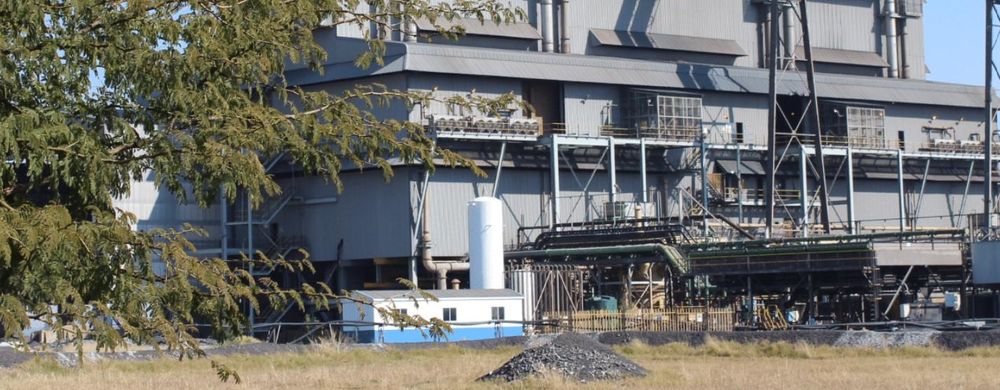
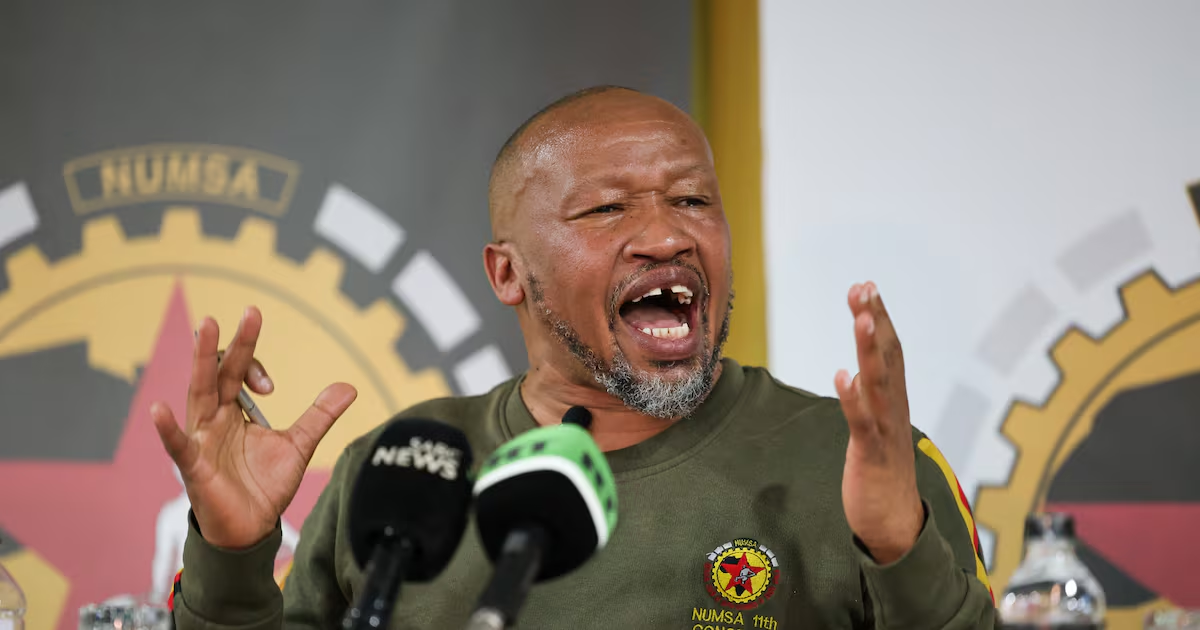
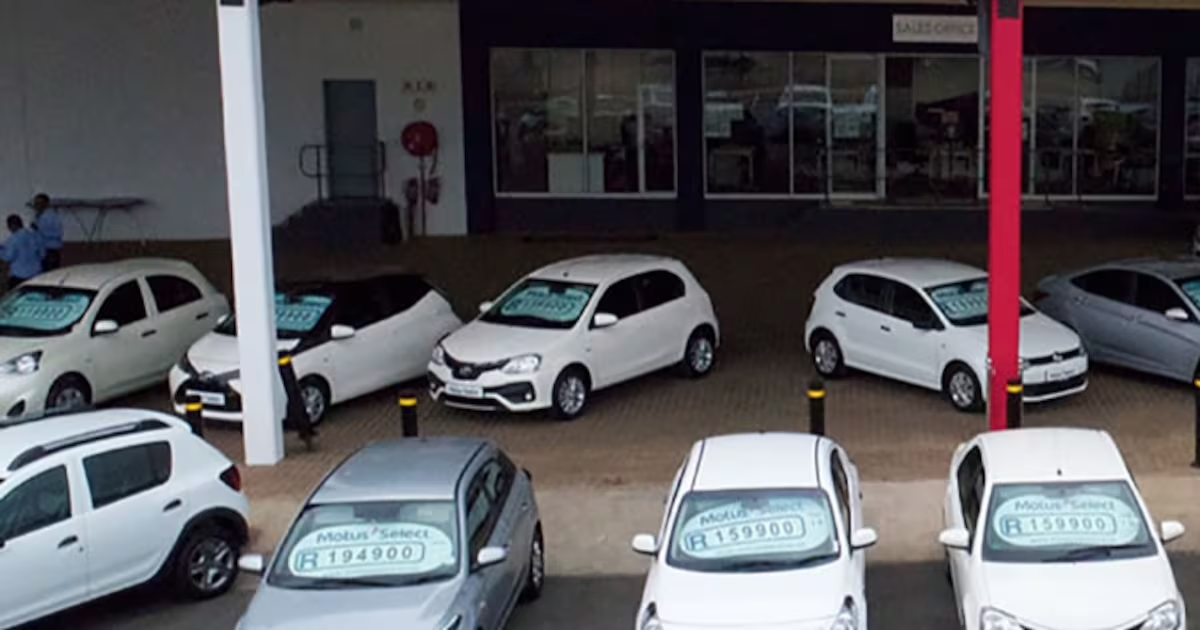
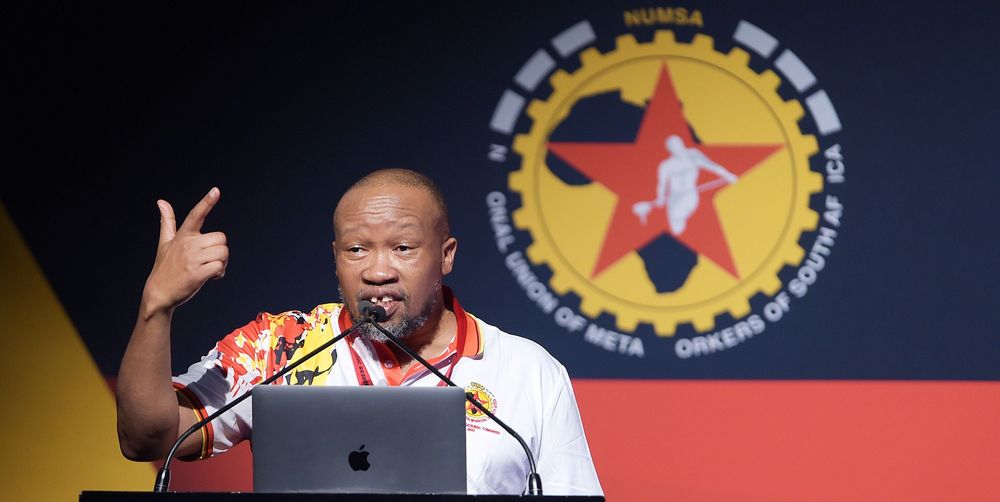
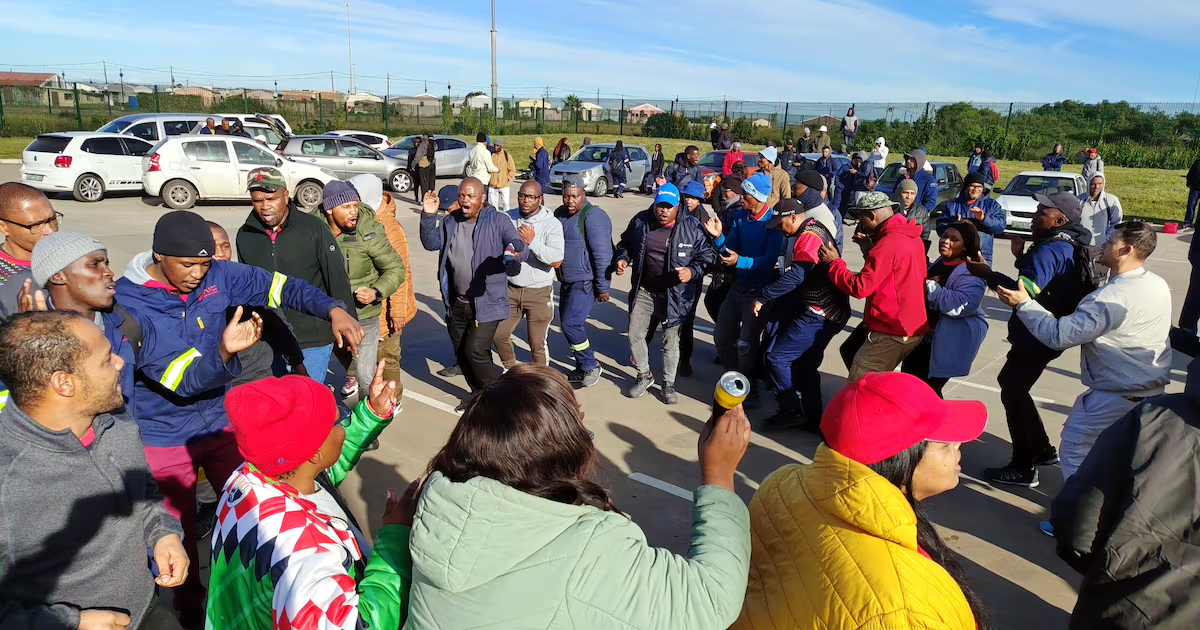
The National Union of Metalworkers of South Africa (Numsa), which has been on strike at BAIC (Beijing Automotive Group) in Gqeberha for the past eight days, has called on the Chinese vehicle manufacturer to “correct” the rates of pay per hour and comply with standard terms and conditions applicable to all other original equipment manufacturers (OEMs). South Africa’s vehicle manufacturing sector, which contributes nearly 5% to GDP and supports more than 130,000 direct and indirect jobs and generates over R150bn in annual export revenue, is dominated by seven OEMs, comprising Toyota Motors South Africa, Nissan, Isuzu, Ford, VW South Africa, BMW SA and Mercedes-Benz. Numsa, the largest union in the country with more than 400,000 members, is demanding that skill level 1 employees earning R40-R48 per hour be paid R121 per hour. The union wants spray painters who earn R84 per hour and welders (R48 per hour) to earn R163.24, “with the qualified skill level 4 rate set at R180.53 per hour”, Numsa Eastern Cape regional secretary Mziyanda Twani said. BAIC is actively expanding in South Africa’s vehicle sector, with an assembly plant in Gqeberha and a growing national network of dealerships. Twani said acting team leaders who had been in the position for six months were to be “permanently appointed to these positions. Additionally, they must receive backdated acting allowances in line with established vehicle industry rates, rather than continuing to earn the current R48 per hour.” The union said fixed-term contract workers who had been employed for more than three months must be made permanent. “Since its arrival in South Africa, this Chinese company has engaged in brutal and superexploitative practices against its workforce,” Twani said. “In June 2025, BAIC laid off workers under the pretext of refurbishing the plant. When these workers were recalled in August 2025, the company slashed their hourly rate [from R121] to R48, representing an unacceptable reduction from their original terms and conditions of employment. “Since then, Numsa has made exhaustive efforts to rectify this injustice, only to be met with absolute intransigency from BAIC management. While Numsa’s overarching demand remains that the company must fully comply with the standard terms and conditions applicable to all other OEMs, our immediate focus is on correcting the rates of pay per hour. The second phase of our struggle will address the alignment of other benefits standard across the broader automotive sector as a whole.” BAIC spokesperson Ameena Sheik Hassan did not immediately respond to questions.