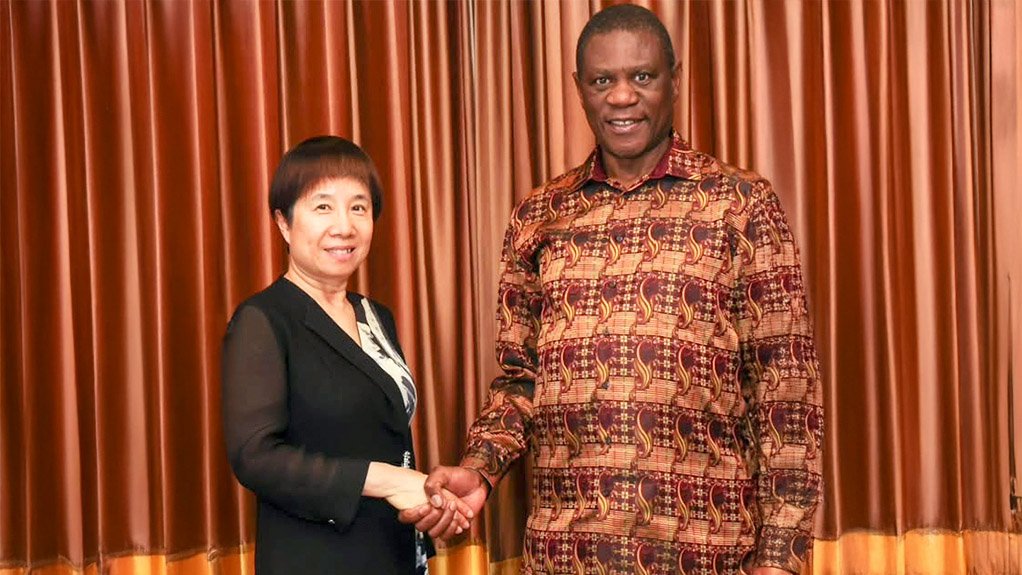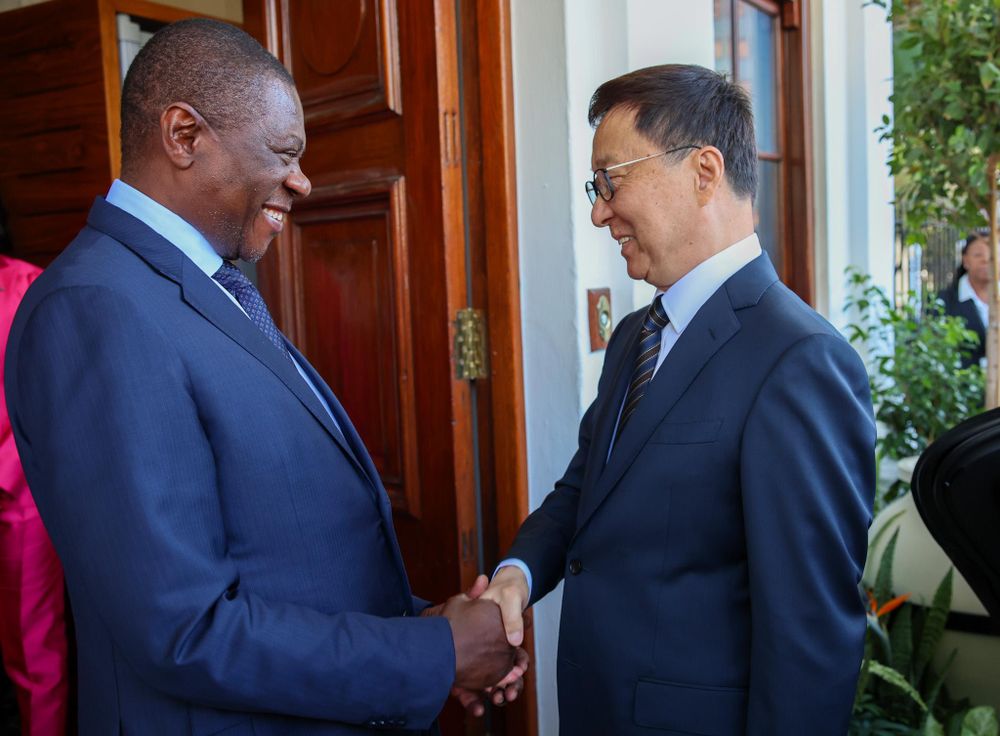
South Africa's Deputy President Paul Mashatile and the People’s Republic of China Vice President Han Zheng, at Tuynhuys, Cape Town on March 26. The two leaders co-chaired the 9th South Africa-China Bi-National Commission (BNC). The emerging dispute between BAIC and NUMSA should be approached not as a contest between Chinese investment and South African workers, says the writer.
Zamikhaya Maseti
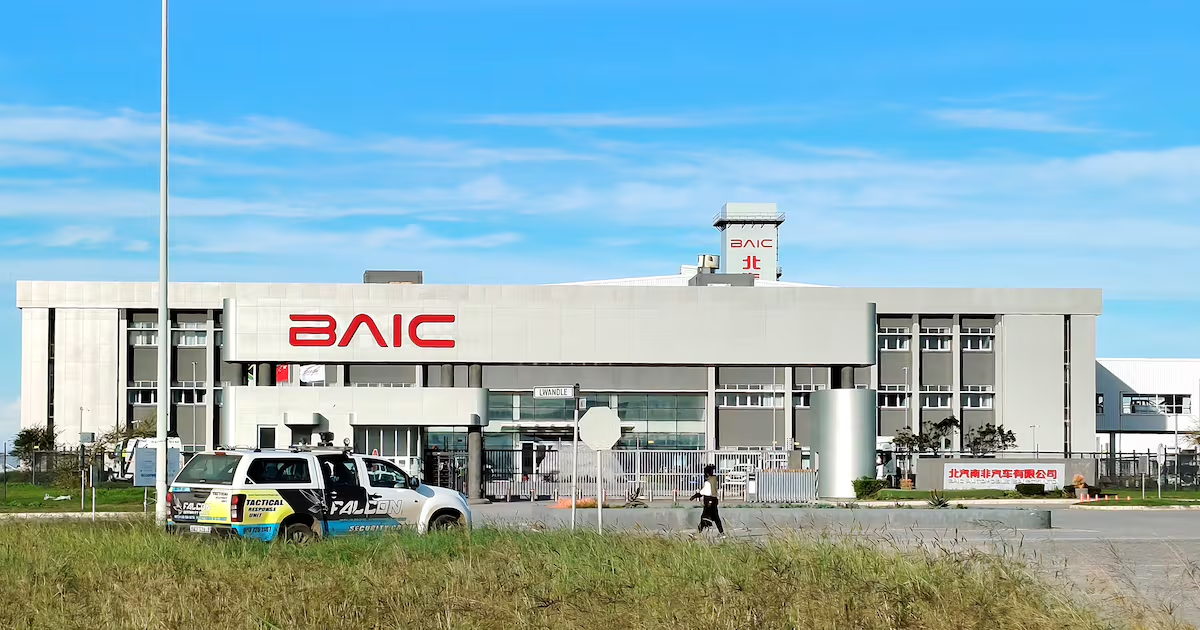
The looming labour dispute between BAIC, the Chinese automotive manufacturer, and the National Union of Metalworkers of South Africa (NUMSA) is undoubtedly unsettling.
It comes at a time when South Africa's economy is struggling to attain higher levels of growth, investment and employment creation. Yet the significance of this dispute extends beyond the immediate disagreement over wages. It raises fundamental questions about the nature of industrialisation, labour relations and economic development in a democratic South Africa.
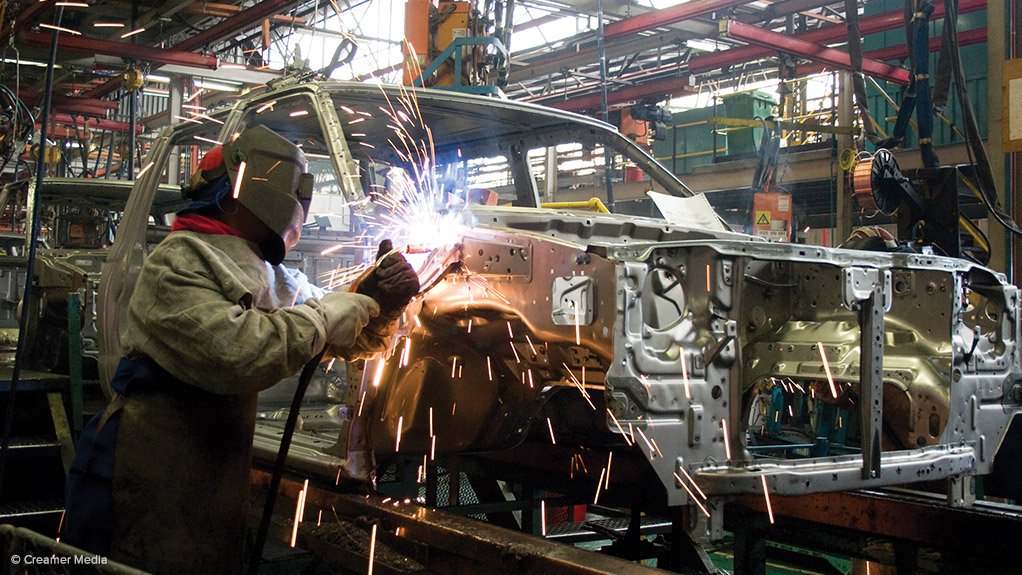
The automotive sector occupies a strategic position within the South African economy. It is one of the country's most important manufacturing industries, contributing significantly to national output, exports and employment. More importantly, it remains one of the few sectors that have consistently attracted large-scale foreign direct investment despite prevailing economic headwinds.