Story audio is generated using AI
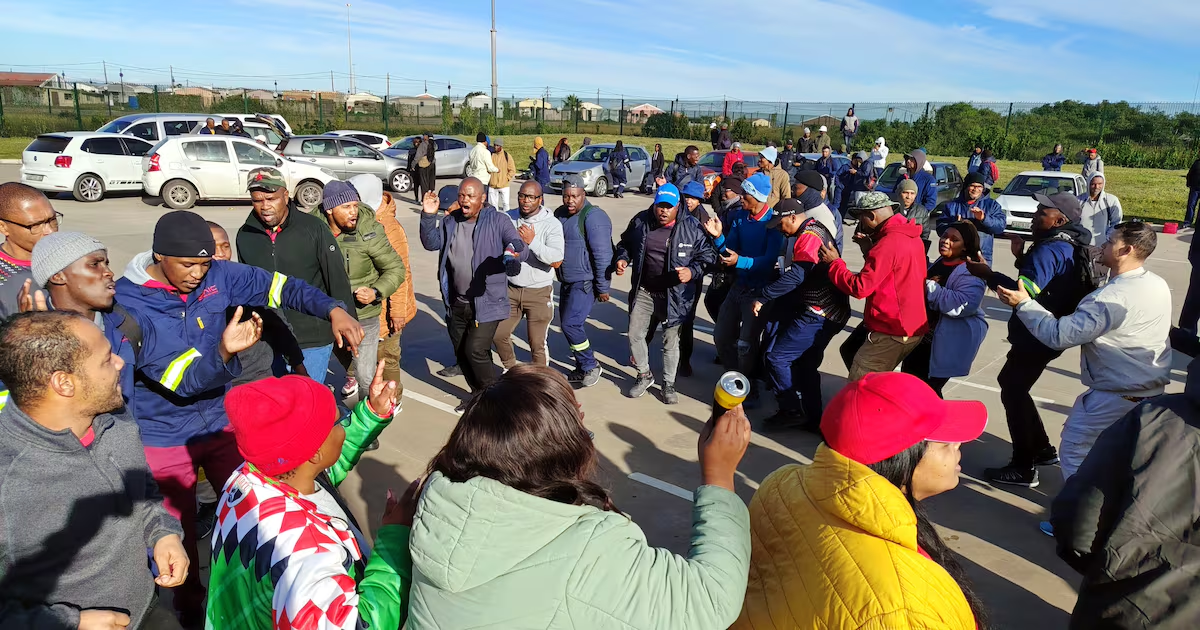
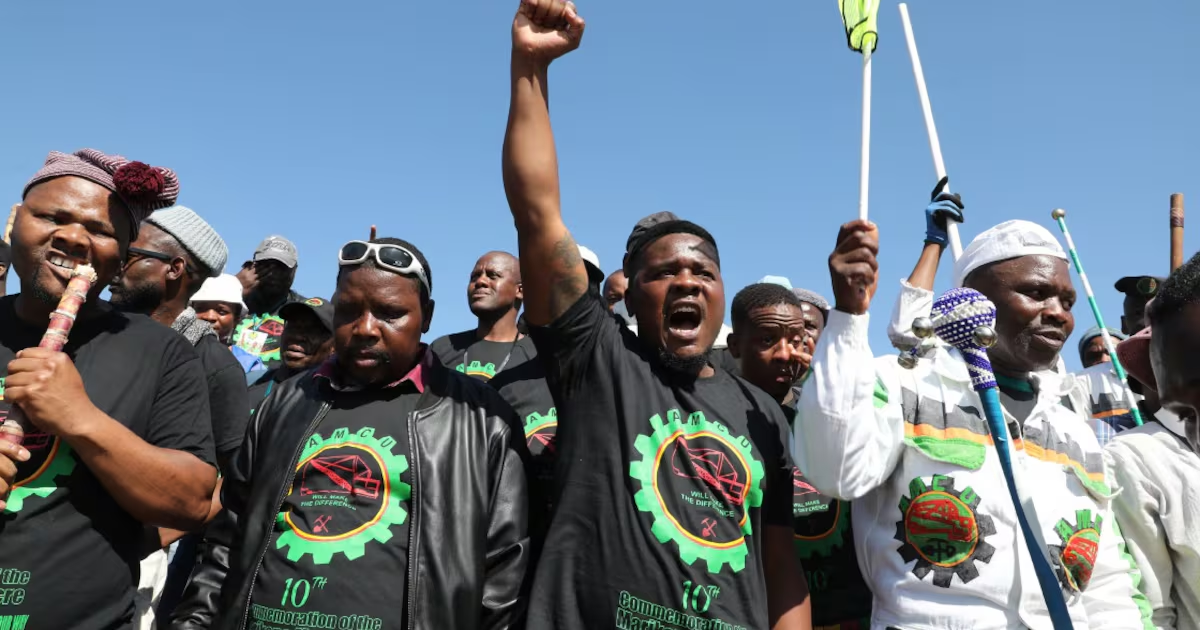
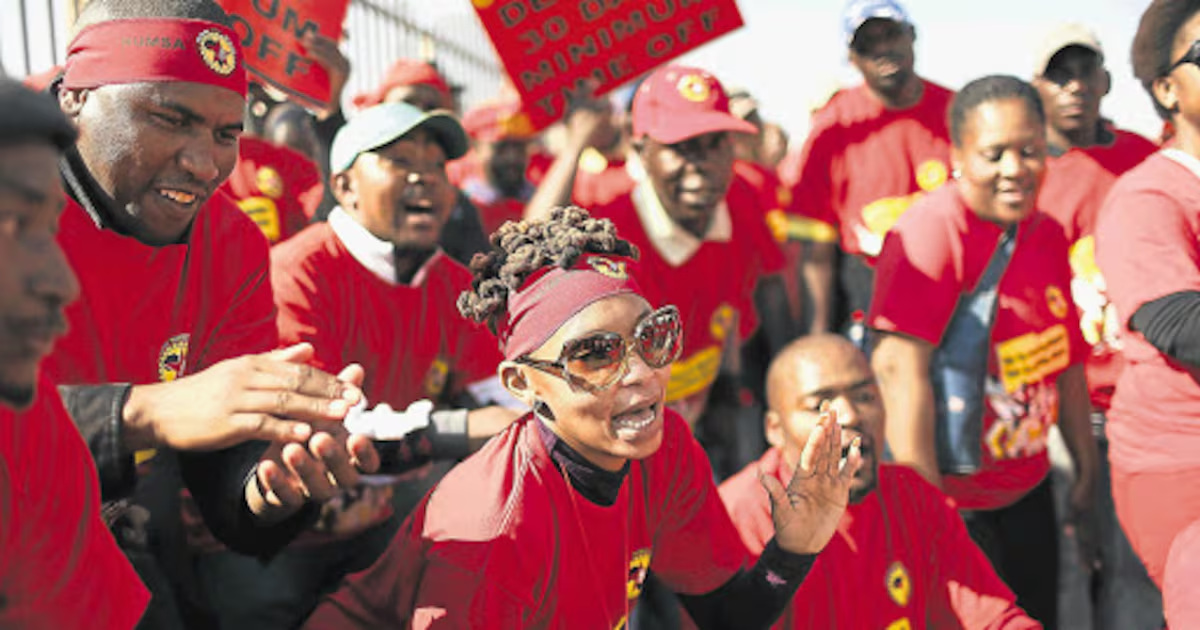
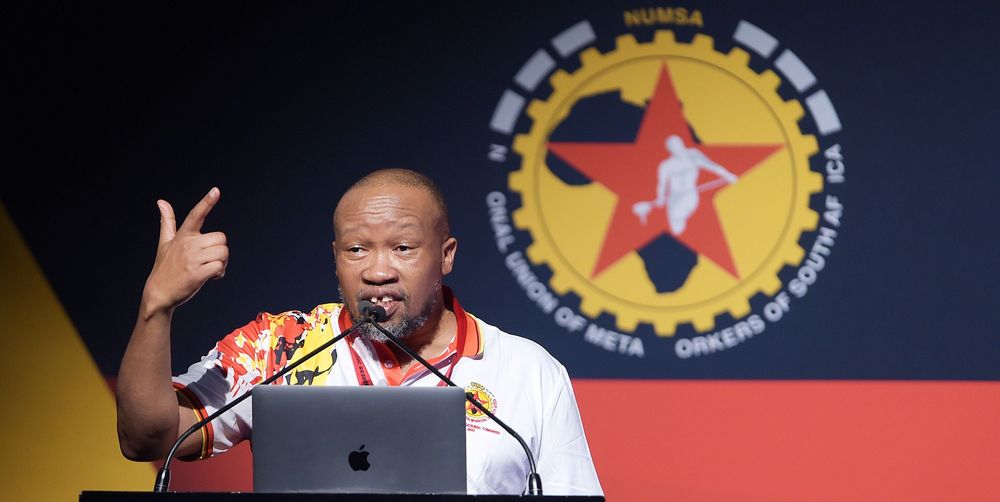
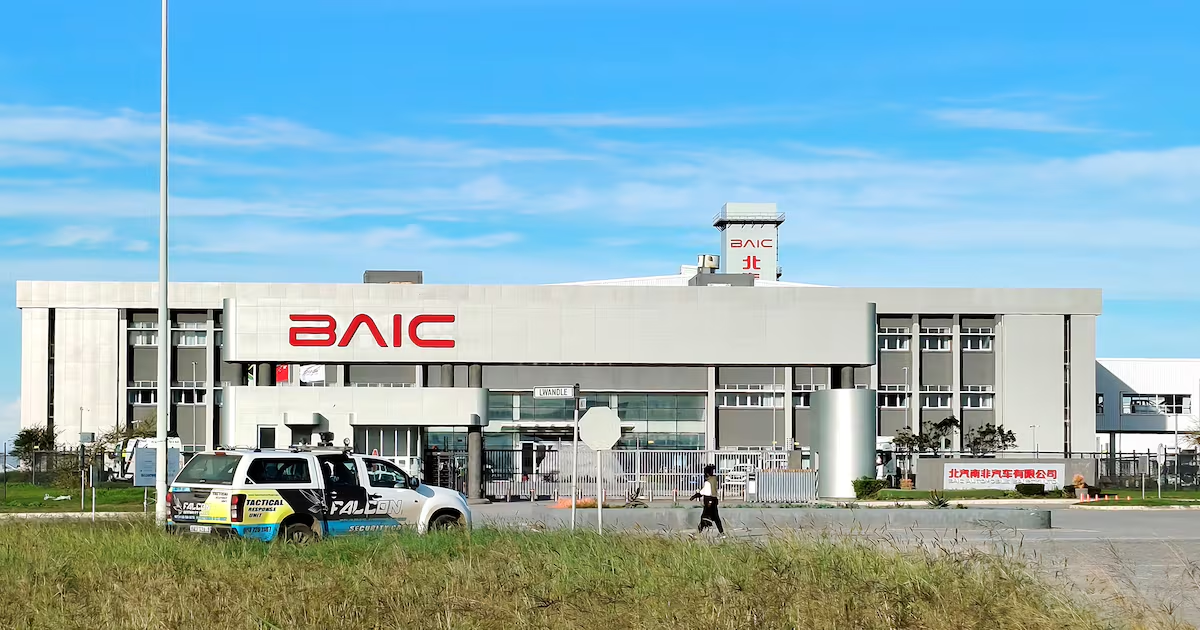
Negotiations between BAIC South Africa and the National Union of Metalworkers of South Africa (Numsa) have reached another dead end, with the vehicle manufacturer withdrawing from talks at the 11th hour as a month-long strike continues to cripple operations at its Coega plant.Unconfirmed claims have emerged that some senior Chinese executives may have left the country.The collapse in talks came just as the company was expected to table its proposal during negotiations facilitated by the department of employment & labour last week, leaving workers and officials searching for answers as pressure mounts for a resolution.According to insiders, home affairs officials were set to conduct a surprise visit at the plant earlier this month. However, the visit was cancelled when it was reportedly discovered that some senior Chinese executives had left the country. This was ahead of the March and March protests on June 30. Officials from home affairs, the department of employment & labour and BAIC SA would not confirm if Chinese senior executives had left the country or if their departure affected negotiations with Numsa.BAIC’s Gqeberha plant assembles the BAIC B40 Plus and Beijing X55 Plus SUV models. The current models are made using a semi-knocked-down process, assembling large, partially assembled and imported components into a complete car. Numsa general secretary Irvin Jim said members at BAIC SA had been fighting for what he described as legitimate demands, including that the company aligned salaries, benefits and working conditions with the auto sector agreement. “The strike is to put pressure on BAIC to meet this demand,” Jim said. Industrial Development Corporation (IDC) spokesperson Tshepo Ramodibe said they were in continuous discussions with BAIC SA and Numsa to find solutions to end the strike.“As a [minority] investor, it is in our interest that the two parties resolve these issues to avoid value erosion to the business,” Ramodibe said. “We have confidence in BAIC management’s capacity to address the challenges standing in the way of a constructive resolution.” Ramodibe declined to comment on why BAIC SA had failed to submit its proposal during the negotiations and had instead opted to withdraw.“We do not wish to comment on the specifics of the matter or the guidance provided thus far as this may risk undermining the ongoing process,” he said. “However, we remain confident that the two parties will resolve the deadlock.” On Wednesday, the IDC said it was aware of the concerns raised by Numsa and affected workers. “As a shareholder and funding partner, the IDC expects its investee companies to operate in full compliance with applicable labour laws, collective bargaining agreements and regulatory frameworks,” the IDC said.“We note that BAIC SA is engaging directly with the union on the issues raised, including matters relating to wages and conditions of employment. “We encourage continued constructive engagements between the parties to ensure that concerns are addressed in a lawful, fair and sustainable manner, without further disruption to operations.”The IDC said it would continue to monitor developments closely in line with its governance and oversight responsibilities.The parties initially took their dispute to the Commission for Conciliation, Mediation and Arbitration (CCMA) but it was then taken over by the department of employment & labour. The department assigned a local manager, Thembinkosi Dike, to facilitate talks. Dike declined to comment and referred questions to his seniors. The list of demands Numsa submitted as part of the negotiations included:A minimum of R144 per hour;Closure of the Auto Sector National Bargaining Council wage gap by June 30 2028;A guaranteed 13th cheque; andPension or provident fund benefits for all BAIC SA employees. These demands mirror those of workers who have been on strike since June 15 after failing to reach an agreement with management over salary disparities.The strike took place after Numsa local organiser Vukile Mangwana notified management about its intention to participate in industrial action. According to Mangwana’s notice, workers withdrew their labour in compliance with the provisions of section 64(1) (b) of the Labour Relations Act. Mangwana said issues in dispute included compelling the company to agree to implement the bargaining forum agreement in terms of wages and conditions of employment. “The industrial action is in support of the employees’ demands subject to the dispute which remained unresolved at the CCMA,” Mangwana wrote. Numsa Eastern Cape secretary Mziyanda Twani said one of the key grievances was that welders in the body spray painting shops were earning R84 an hour. “The demand is that their hourly wages be increased to between R163 and R180, including a 10% allowance in line with industry norms,” Twani said.He said team leaders also wanted to be paid salaries equivalent to those earned by their colleagues in the industry. Other demands included: Fixed-term contract workers should be made permanent after three months and granted the full benefits afforded to other employees; andTrainees employed through the Presidential Youth Employment Services’ 12-month programme should be absorbed into permanent positions once the programme concludes as they are already contributing to the company’s production activities.Twani said management failed to respond and the strike would continue indefinitely until the employer returned to the negotiating table.He said the company was severely affected. “Production is affected. We don’t discount the fact that the employer may find all other means to downplay our strike. Numsa represents 100% of the workers employed there. There is no rival union — only Numsa is organising at BAIC SA.“These are members involved in production activities, including assemblers, body shop workers, press shop workers, paint shop workers, logistics workers and all the other categories of employees found in a typical vehicle assembly plant.”Twani said their engagements with the company started in late 2020 and continued in 2021. “It reached boiling point last year when they revamped the factory,” he said. “They laid off about 80 workers in June 2025 who were earning R120 an hour. When those workers were re-employed on new contracts in August, they were brought back at R42 an hour. That is why we are here.“Everyone else who came after August was given R40 an hour irrespective of the shop they worked in.” BAIC SA spokesperson Ameena Hassan had not responded to questions by the time of publication. The Herald