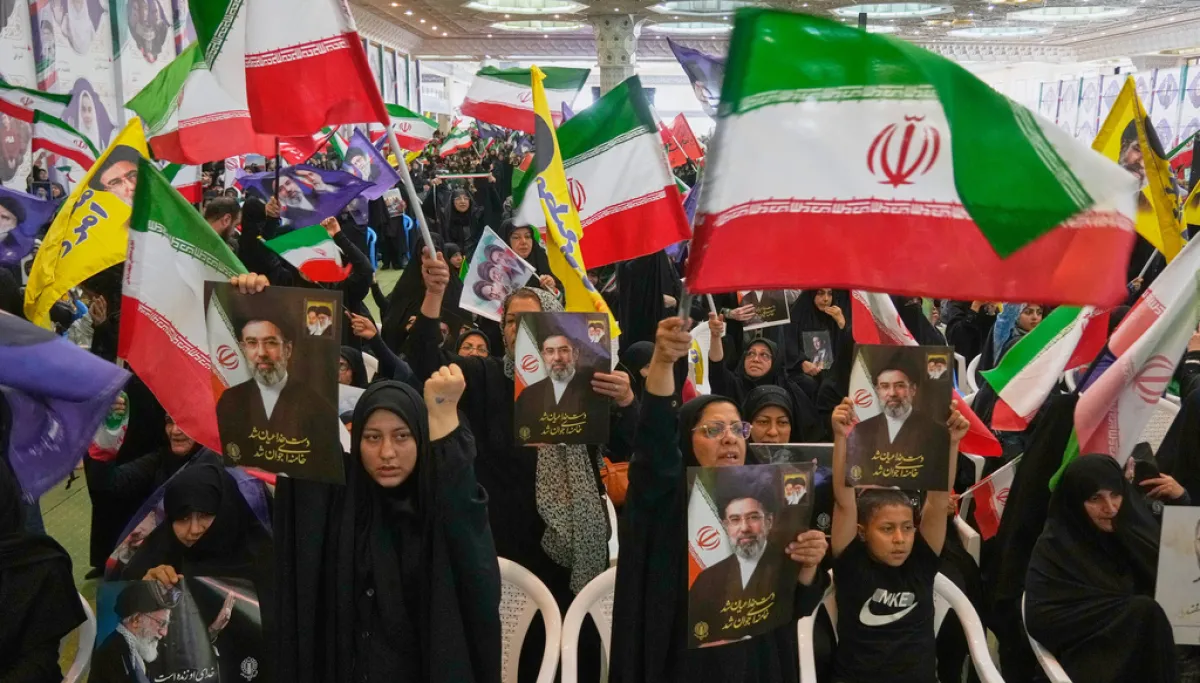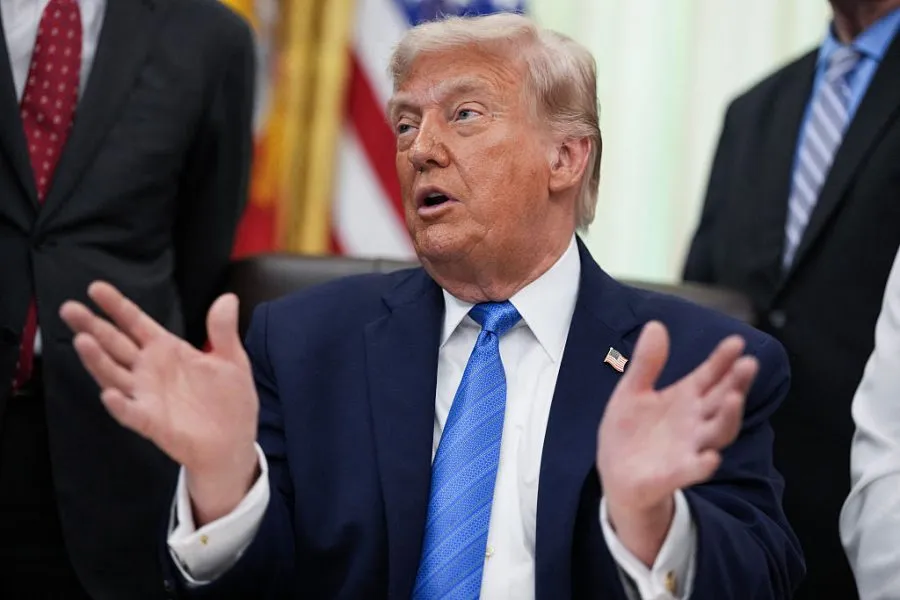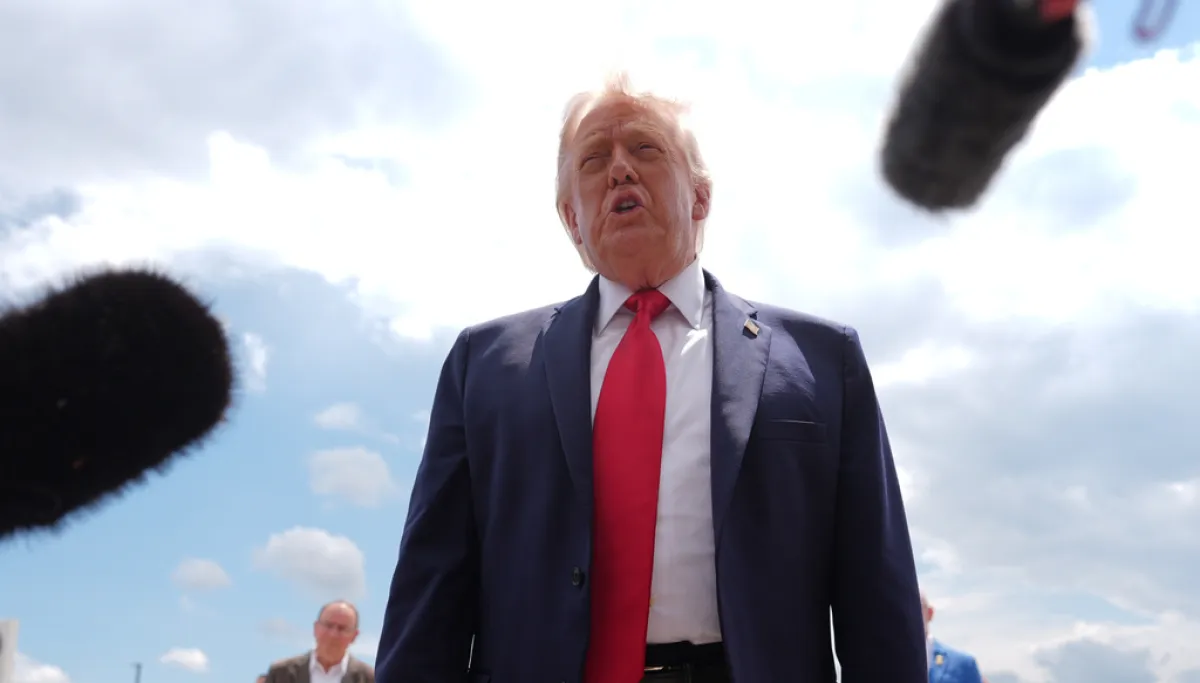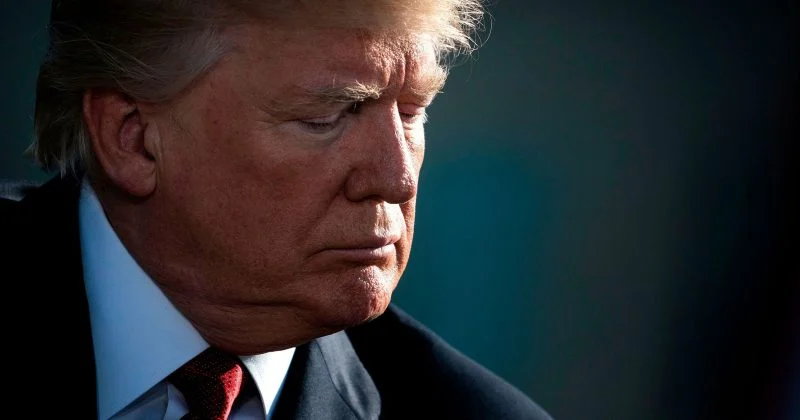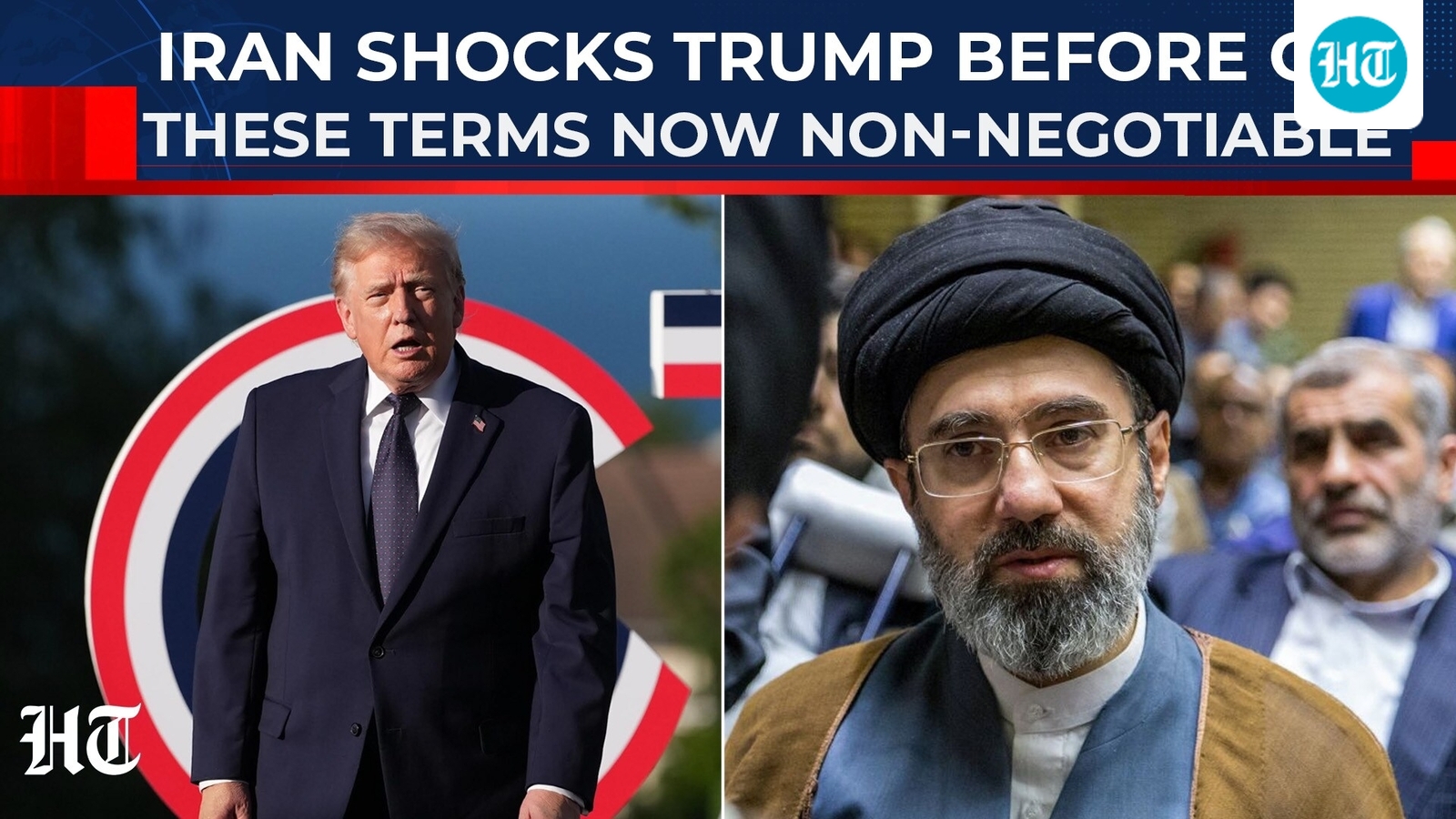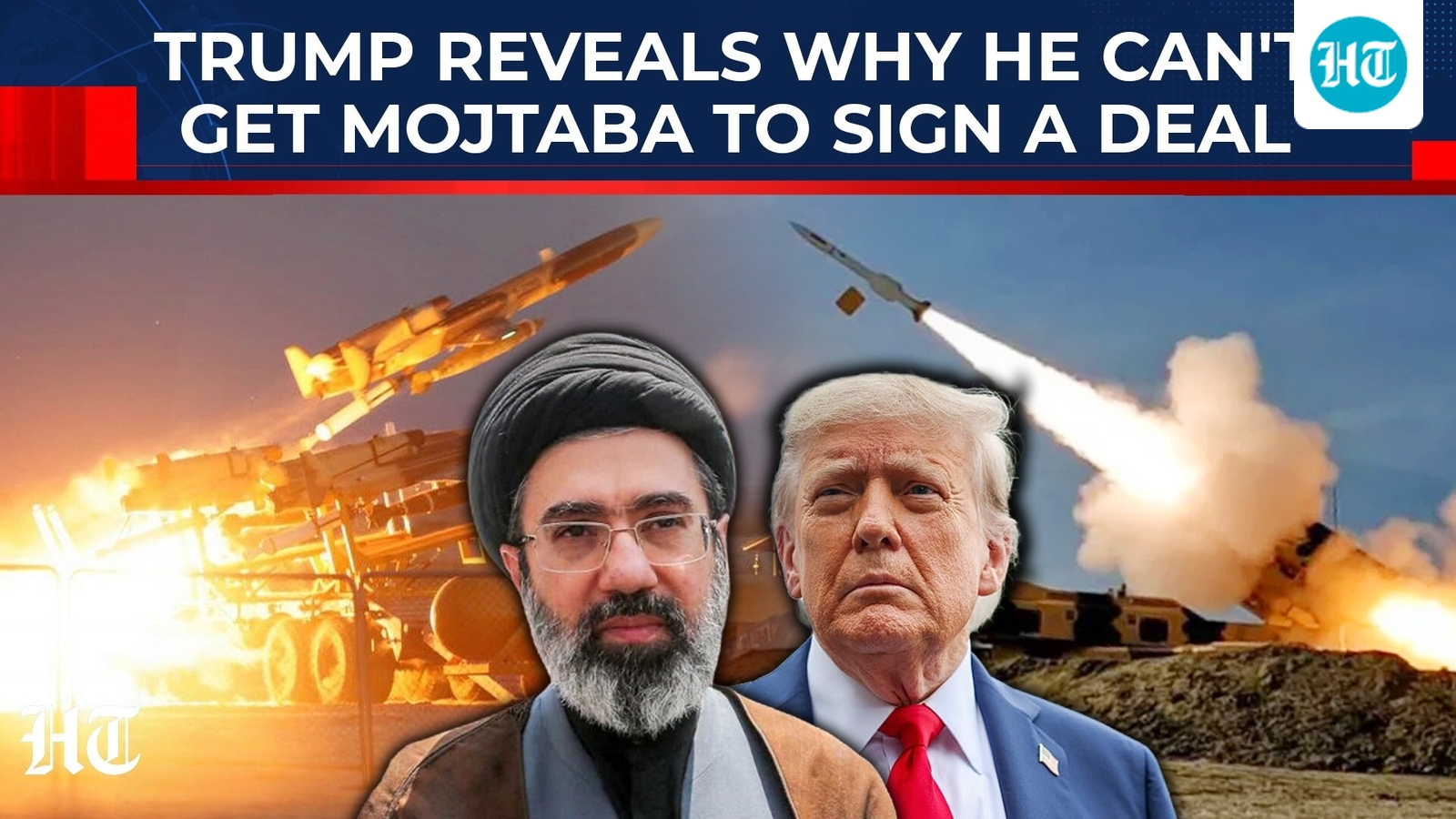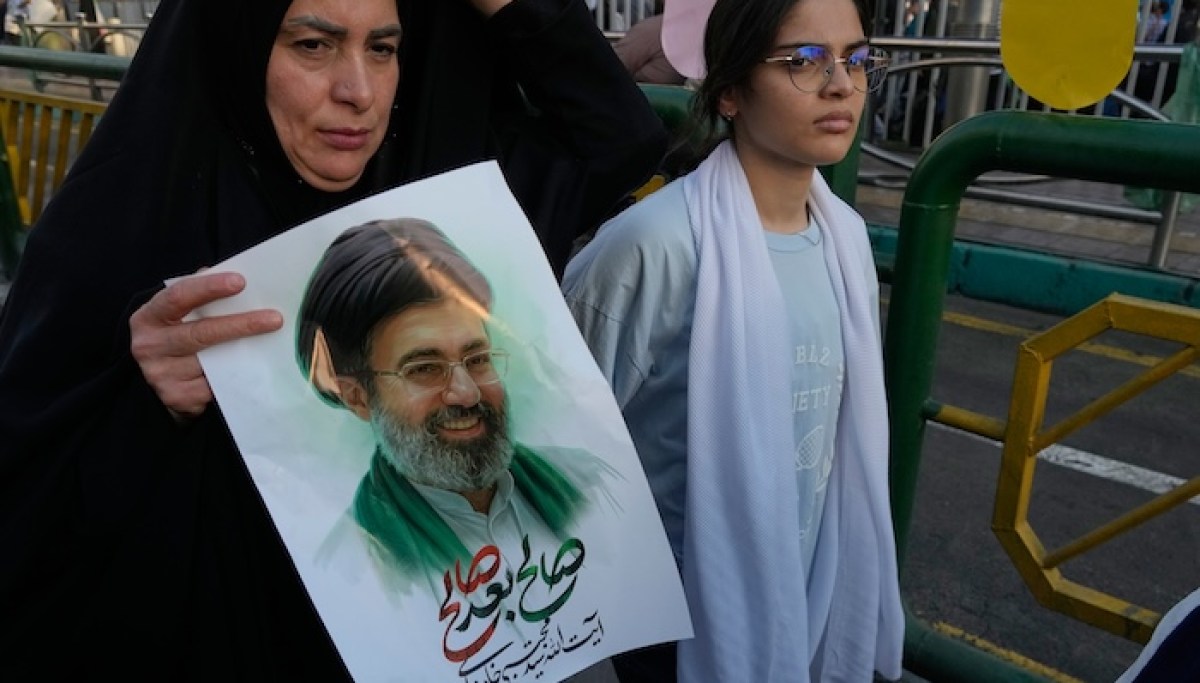
President Donald Trump keeps promising a “deal” with Iran. But the theological and historical perspective of the Iranian mullahs may make any permanent treaty with Iran unreachable.The Iranian Islamic Revolution of 1979 was not merely the overthrow of a government. It was a rejection of some 60 years of attempted modernization and westernization, which had the effect of weakening the authority of Iran’s traditional Shia religious leaders.When Ruhollah Khomeini seized power, he did not just overthrow a monarchy. He argued that all temporal governments were illegitimate in the absence of the Hidden Imam, the messianic Twelfth Imam who disappeared in 874 c.e., and whose return is awaited to establish global peace.
TRUMP’S ISRAEL HYPOCRISY: RULES FOR THEE BUT NOT FOR ME
Thus, the only legitimate government is one run by the Hidden Imam’s theological representatives. As historian Ali M. Ansari has explained in Iran, his book on modern Iranian history, the supreme leader is the deputy and representative of the Hidden Imam. We have seen negotiations with Iran appear to break down when the Iranian negotiators claimed not to have the authority to make concessions the U.S. was demanding. This is not surprising as, under traditional Shia thinking, any settlement of hostilities with non-Muslims must serve the interests of the Muslim community and must conform with Islamic law. Only the imam, or his deputy, can make such determinations.