Researchers monitoring dolphin populations in the Bosporus and the Marmara Sea are using distinctive dorsal fin markings to identify individual animals and track the health of marine ecosystems.
The effort, led by the Marine Life Conservation Society (DYKD) and World Wide Fund for Nature (WWF)-Türkiye, is helping scientists better understand dolphin movements, population dynamics and broader ecological conditions in the Marmara Sea.
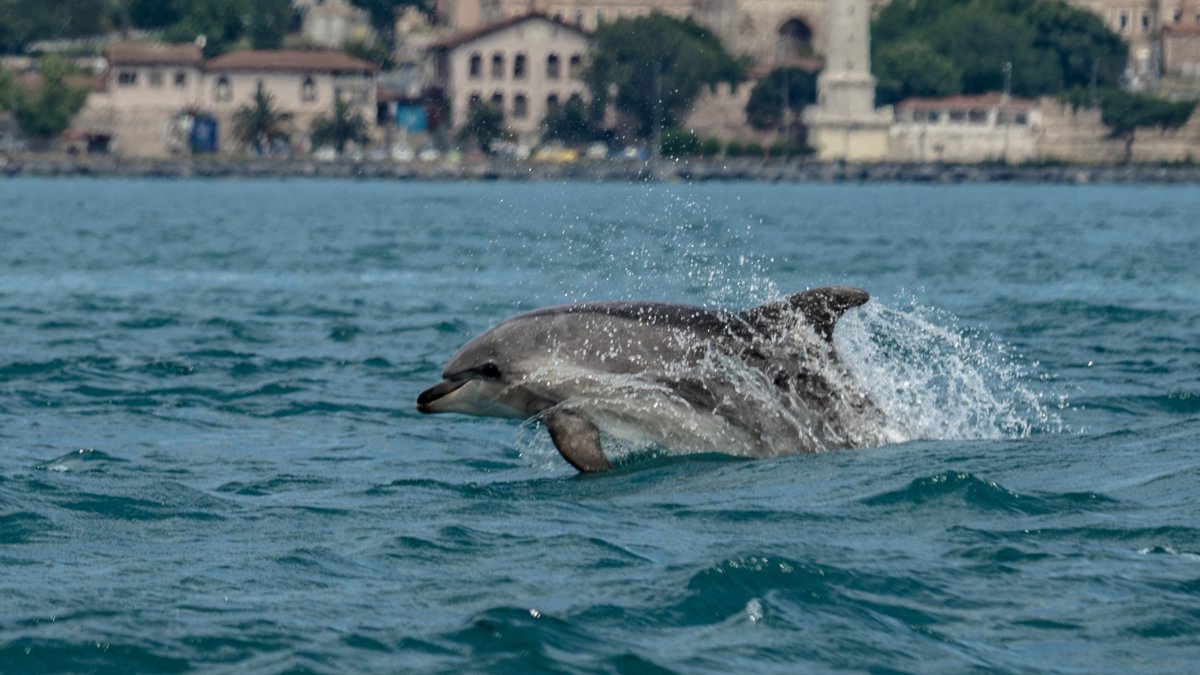
Researchers recently conducted a monitoring mission from waters off Heybeliada to the Bosporus, recording dolphins' locations, behaviors and group structures while photographing individuals for identification.
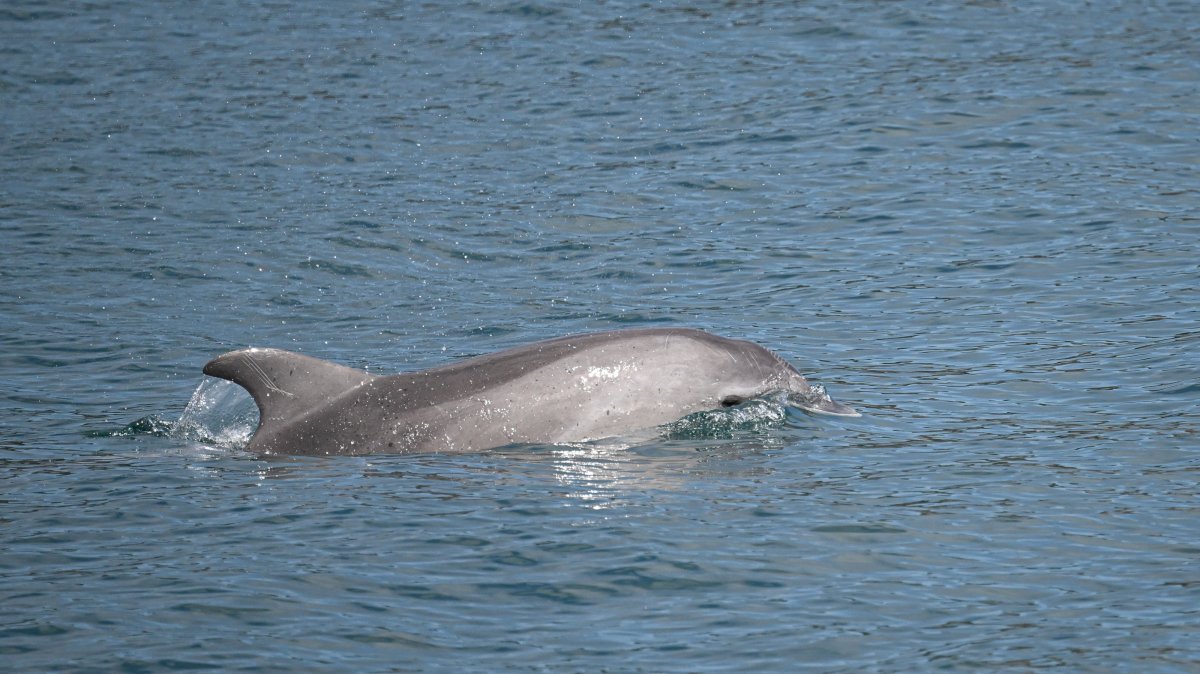
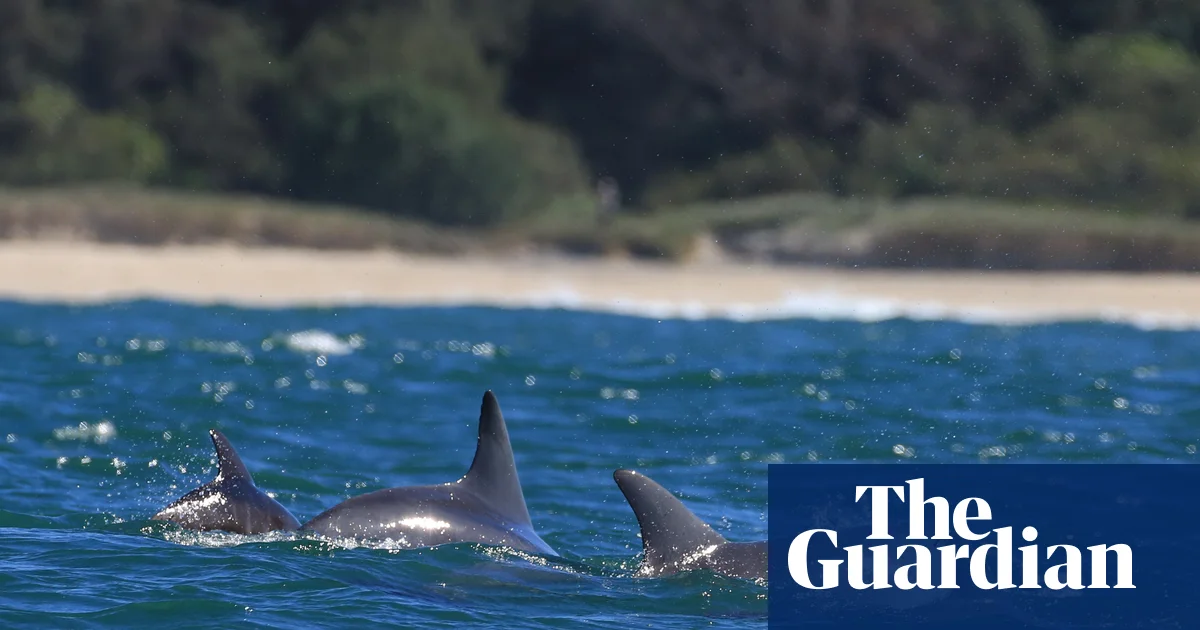
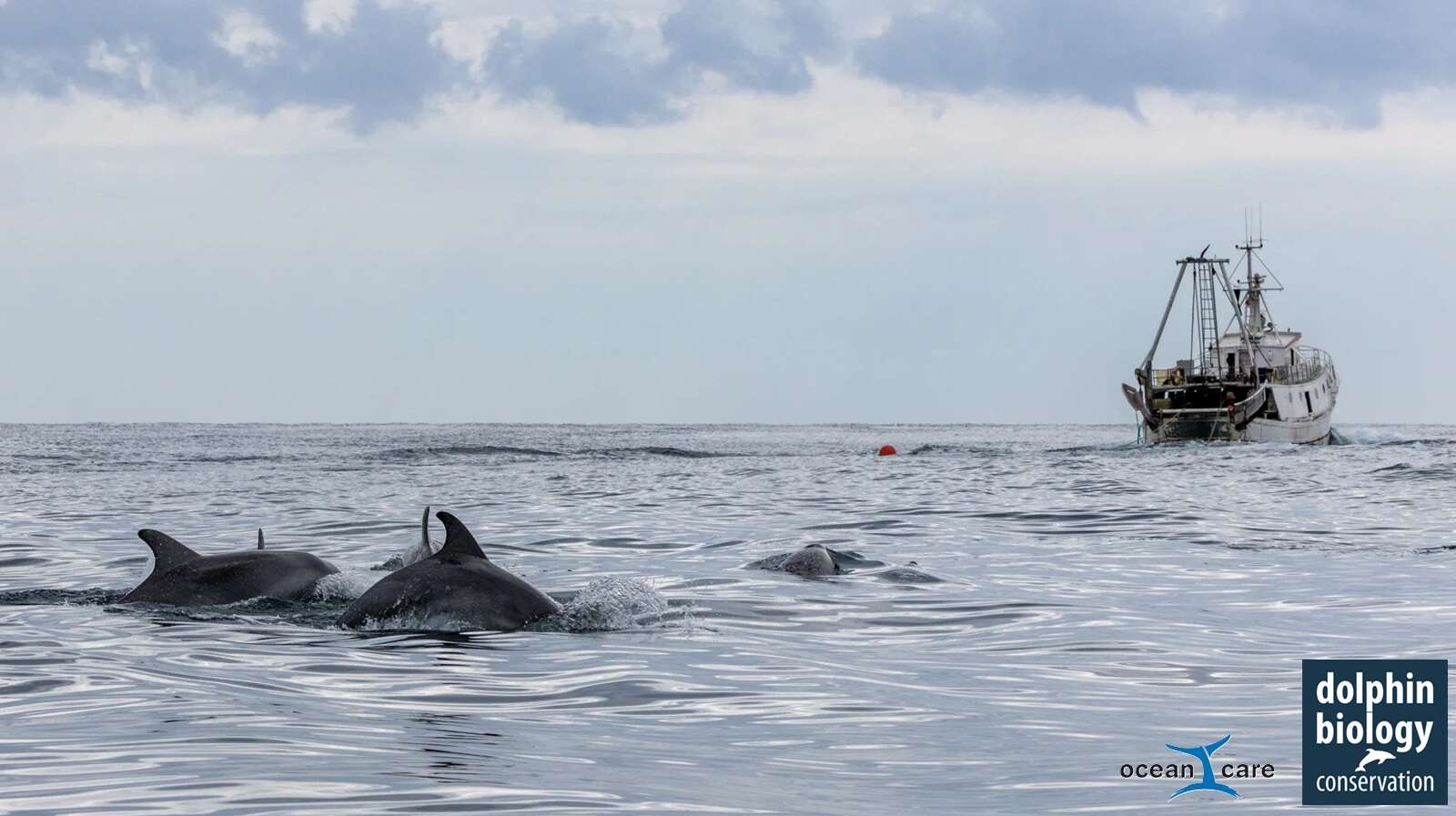
Groups of dolphins, including mothers and calves, were observed swimming near the vessel. Researchers documented feeding, social interactions and movement patterns to support long-term population monitoring efforts.
Scientists rely on a technique known as photo identification, which uses the unique natural markings found on a dolphin's dorsal fin. Similar to a human fingerprint, every dolphin's fin contains distinctive notches, scars and shape variations that allow researchers to recognize individual animals across multiple years.