Scientists have been monitoring dolphins in the Bosporus and the Marmara Sea for nearly 30 years, using the marine mammals as indicators of ecosystem health while tracking how environmental changes and human activity affect their populations.
Researchers from the Turkish Marine Research Foundation (TÜDAV) conduct weekly surveys to monitor the feeding, resting and migration routes of dolphins inhabiting the Turkish Straits System, which connects the Black Sea and the Mediterranean. More than 1,500 research expeditions have been carried out over the past three decades using the R/V TÜDAV-Maru research vessel.
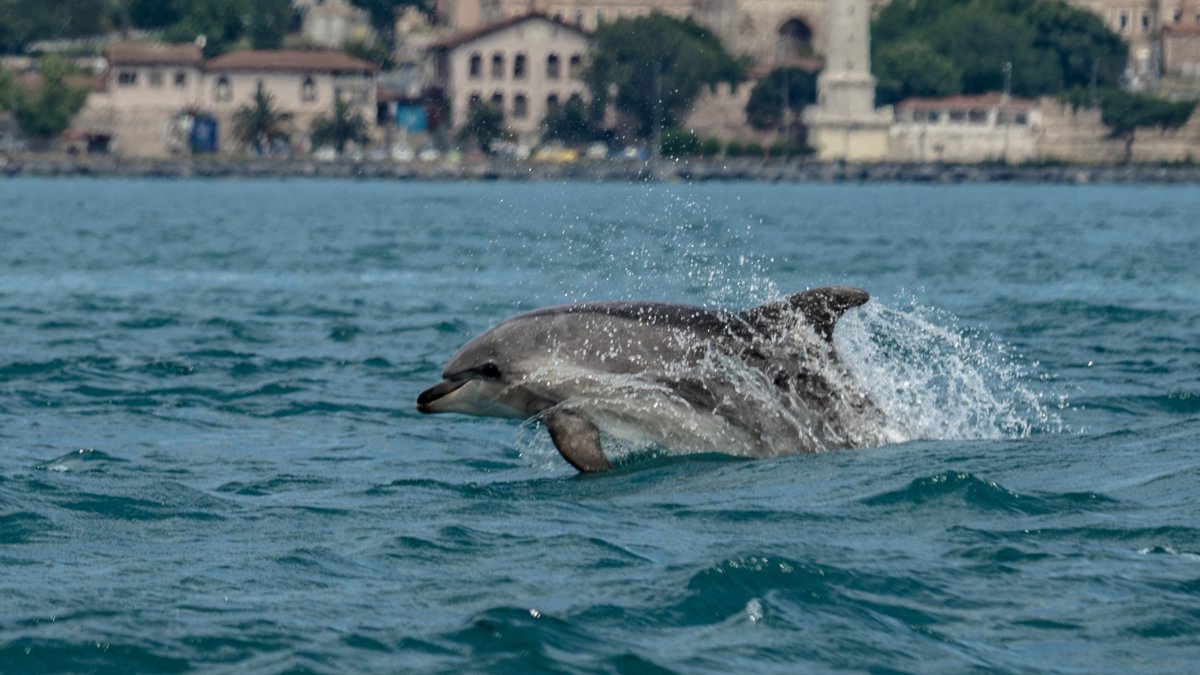
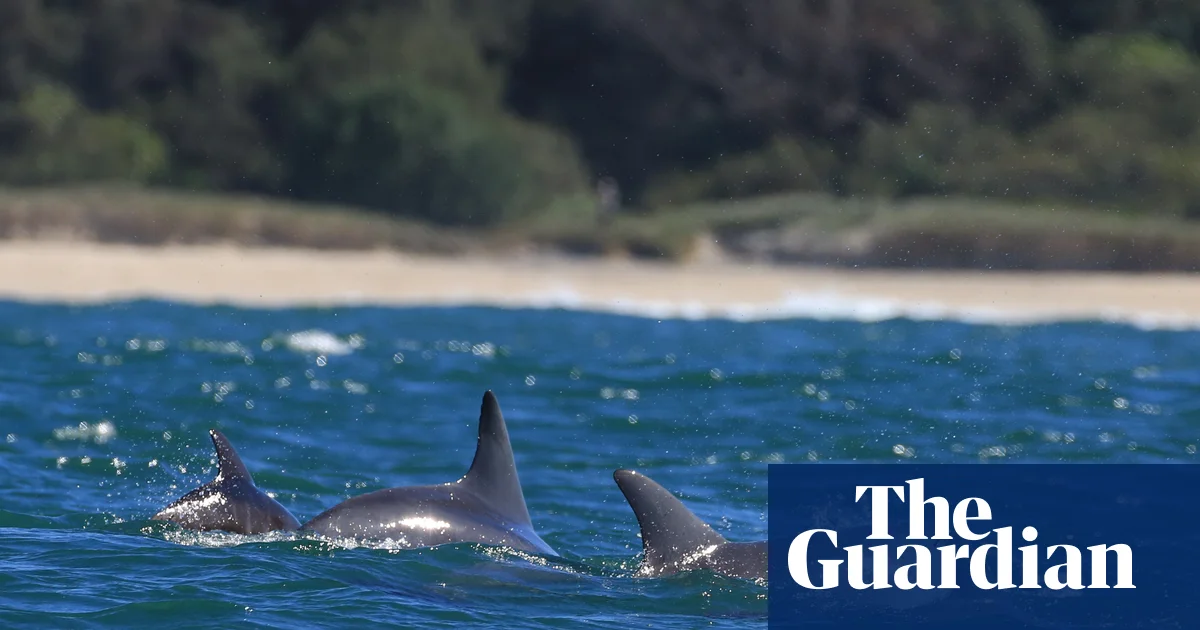
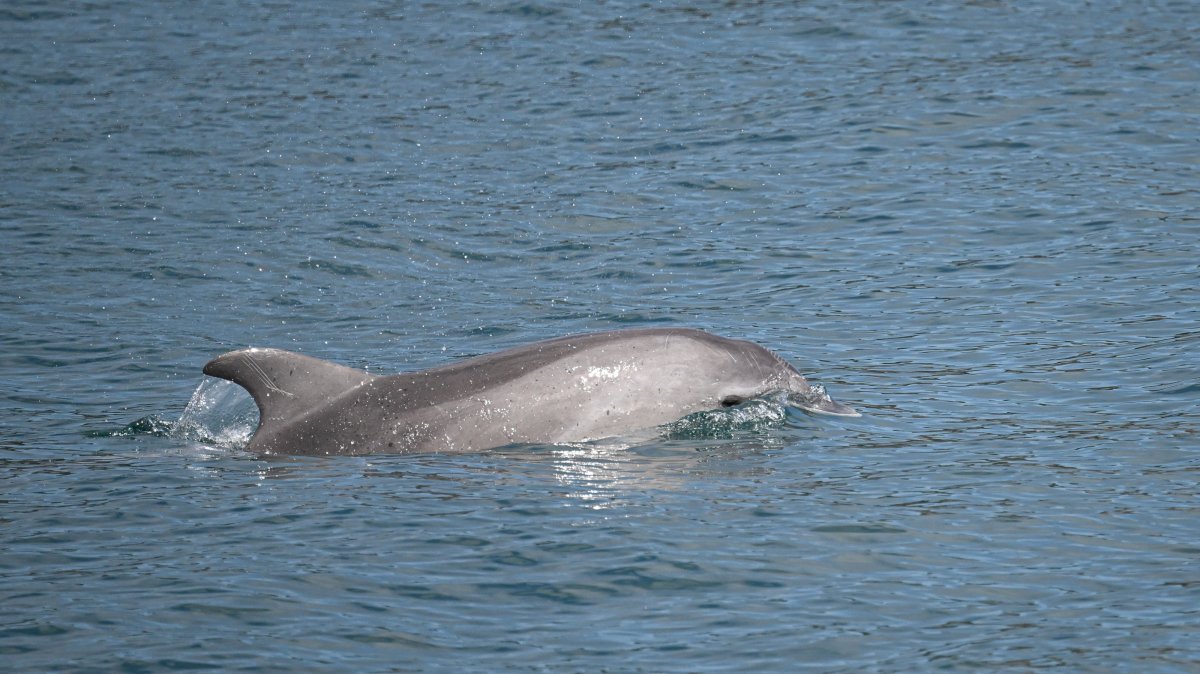
According to TÜDAV board member and Istanbul University marine biologist associate professor Arda Tonay, three dolphin species are found in the Bosporus: bottlenose dolphins, common dolphins and harbor porpoises. Only bottlenose dolphins form a resident population, while the other two species migrate through the strait, particularly during spring and autumn fish migrations.
"There is a resident group of approximately 40 bottlenose dolphins," Tonay said. "During fish migration periods, the total number of dolphins in the Bosporus can rise to around 200."
Researchers identify individual dolphins by the unique notches and markings on their dorsal fins and also use passive acoustic monitoring to study their movements and behavior.