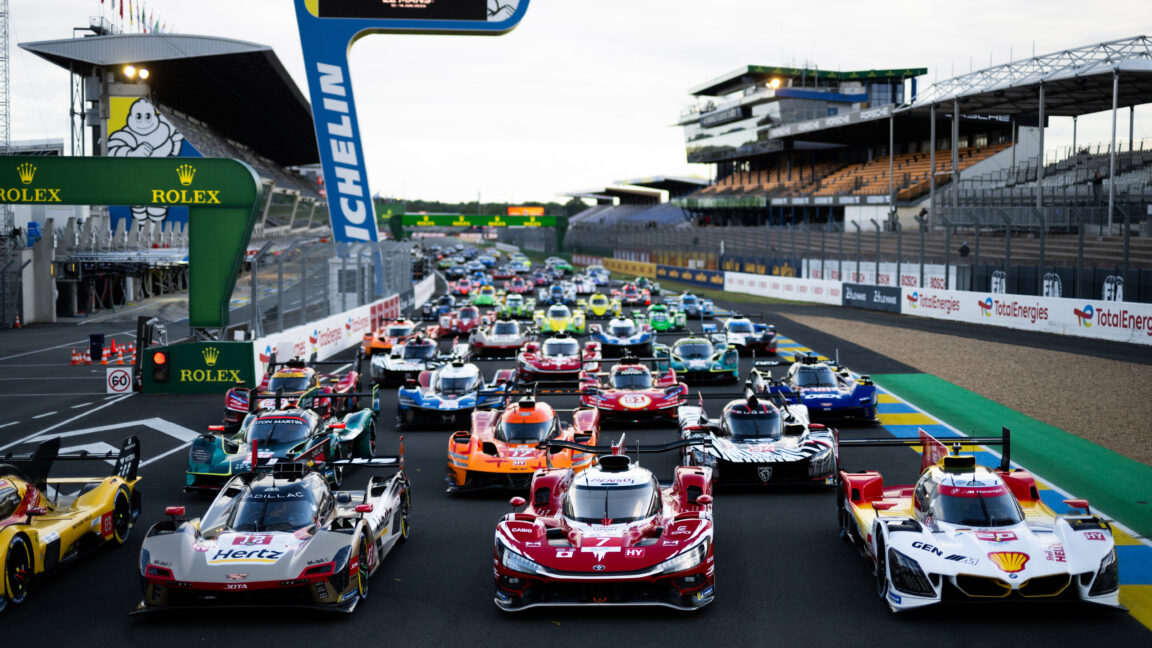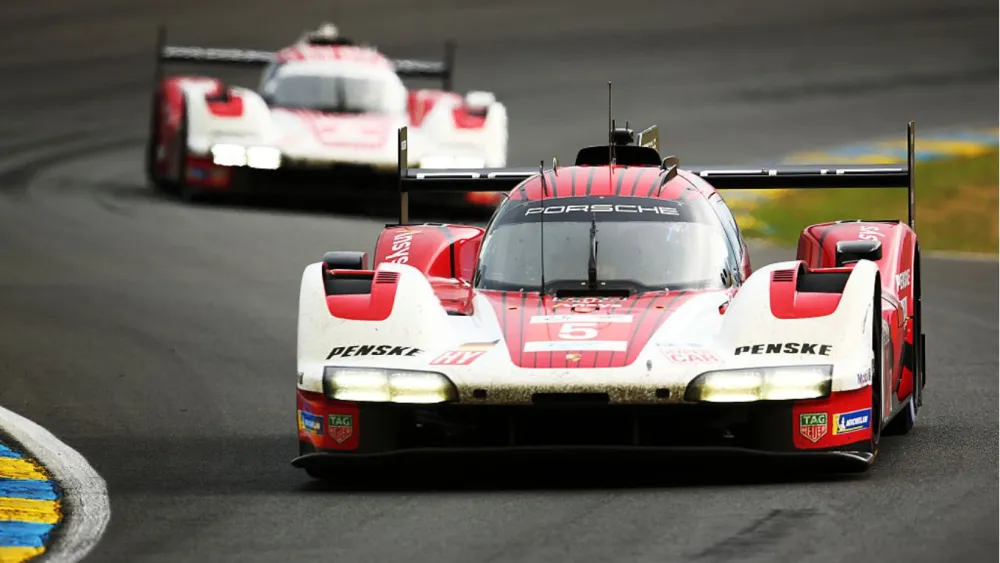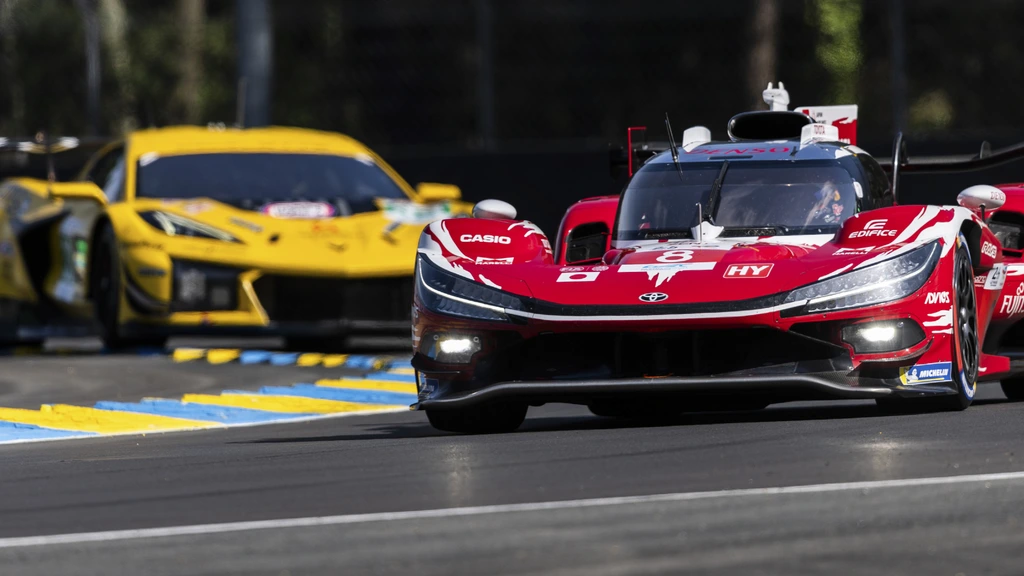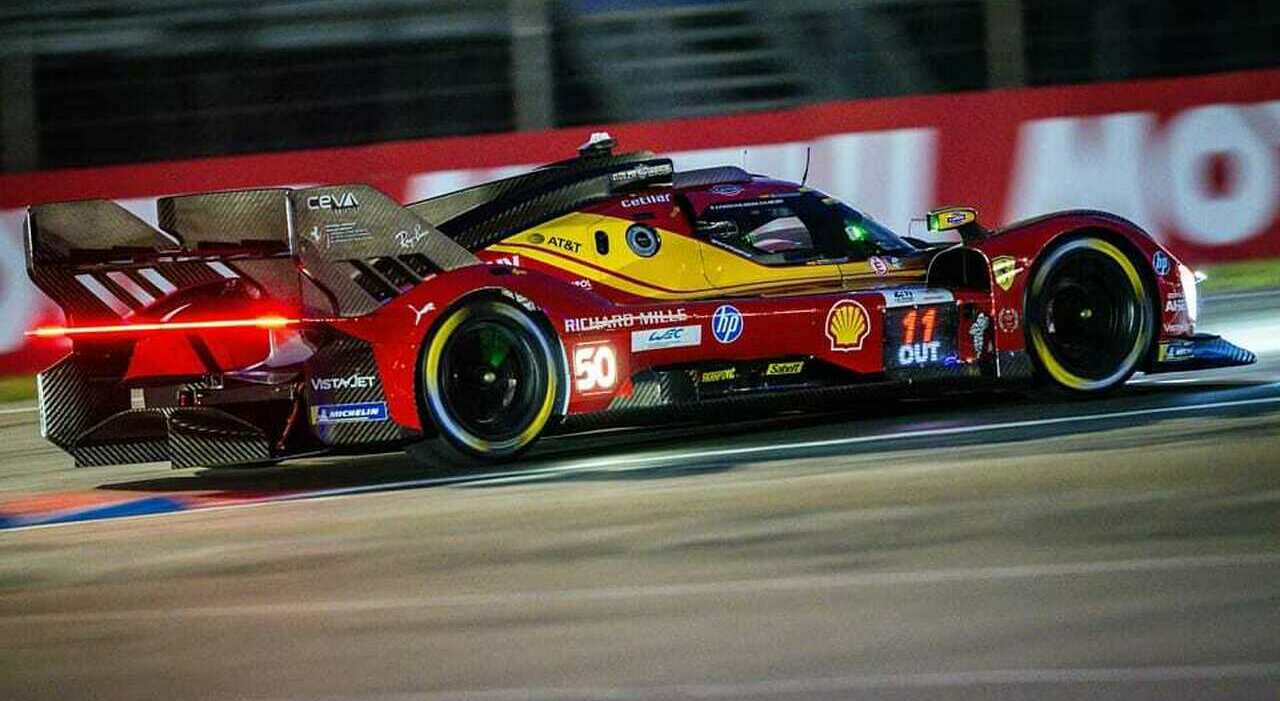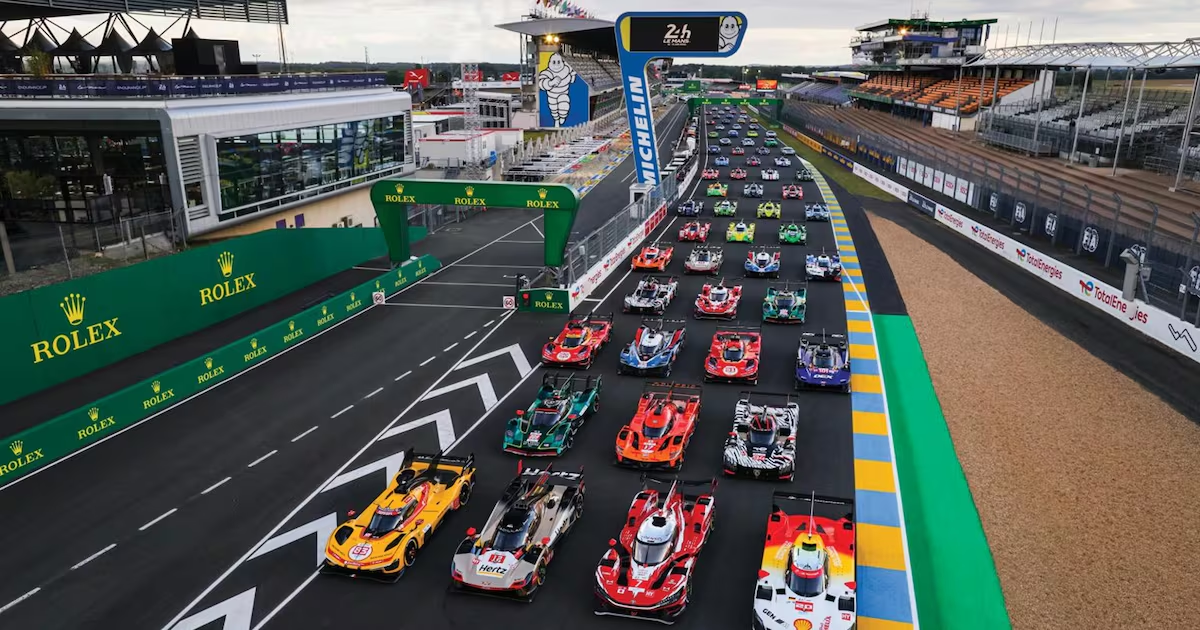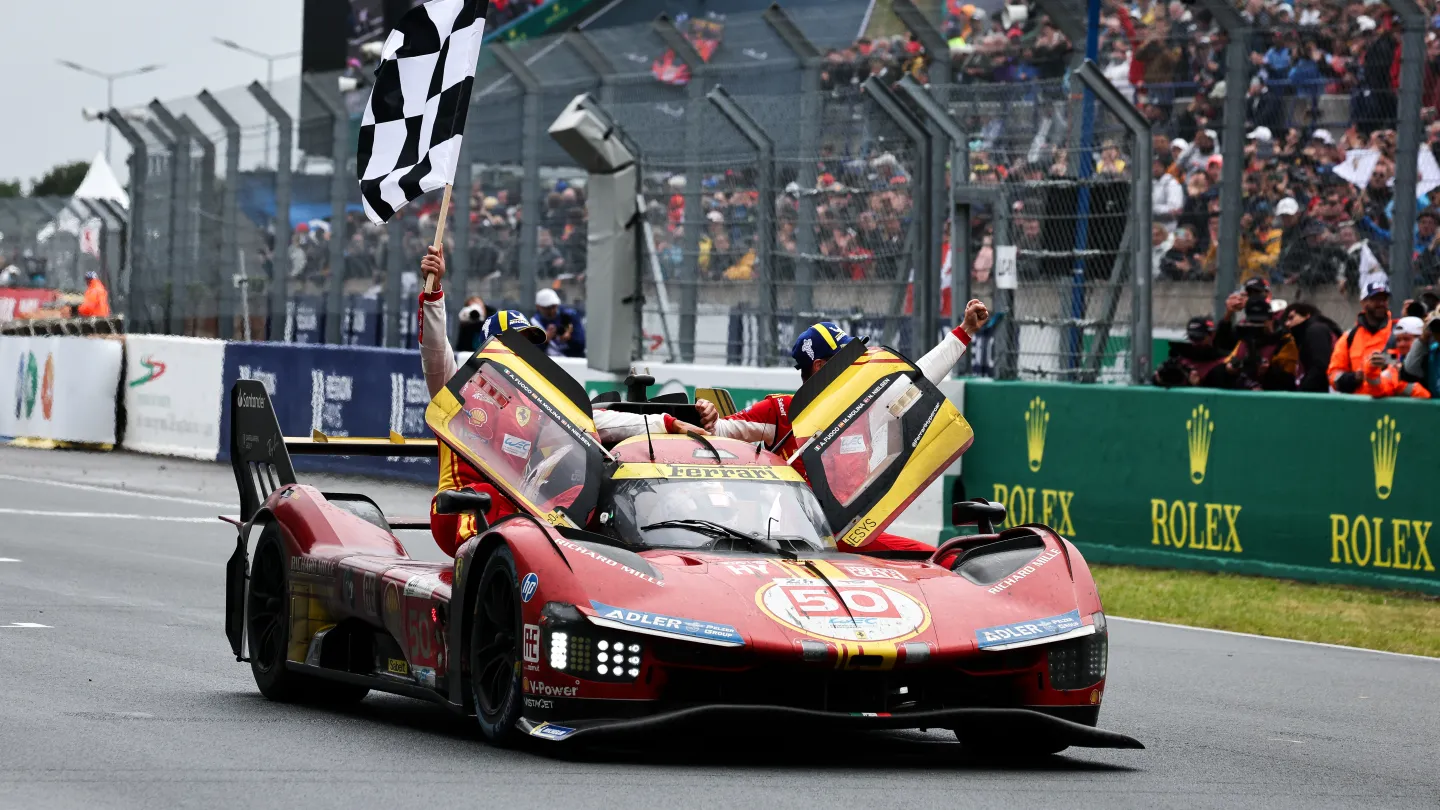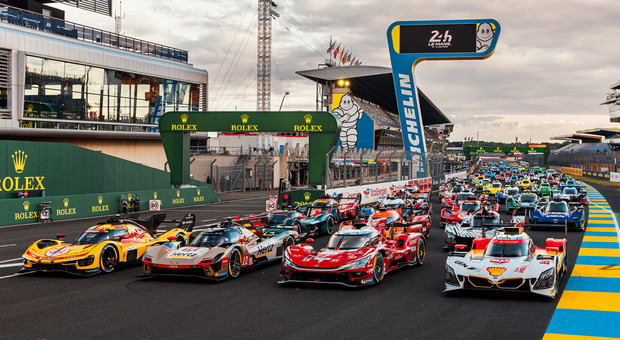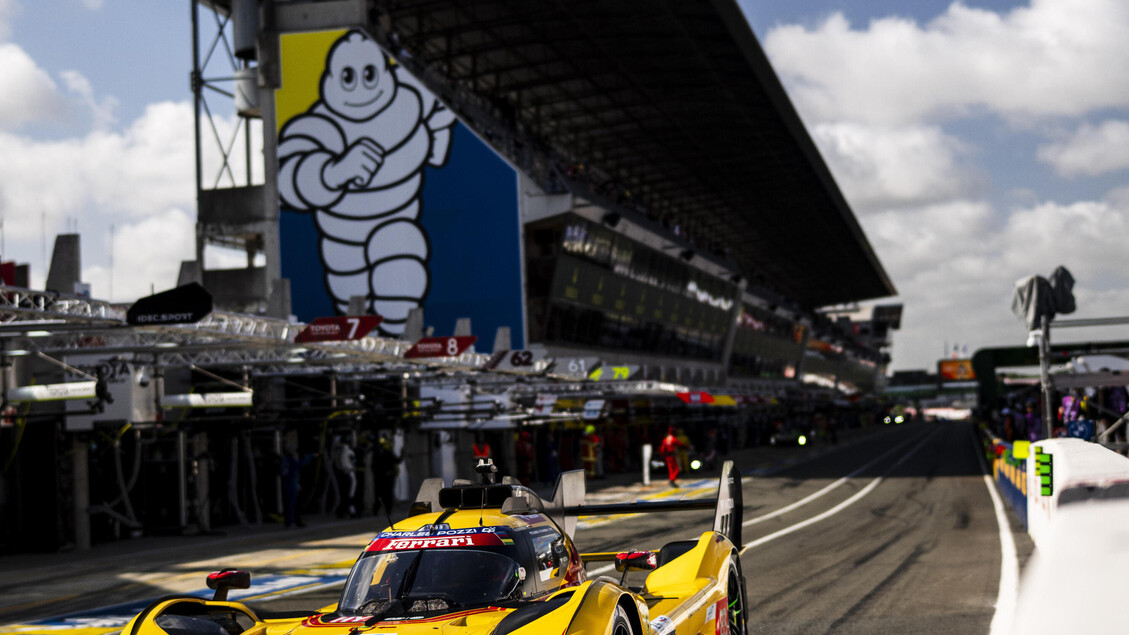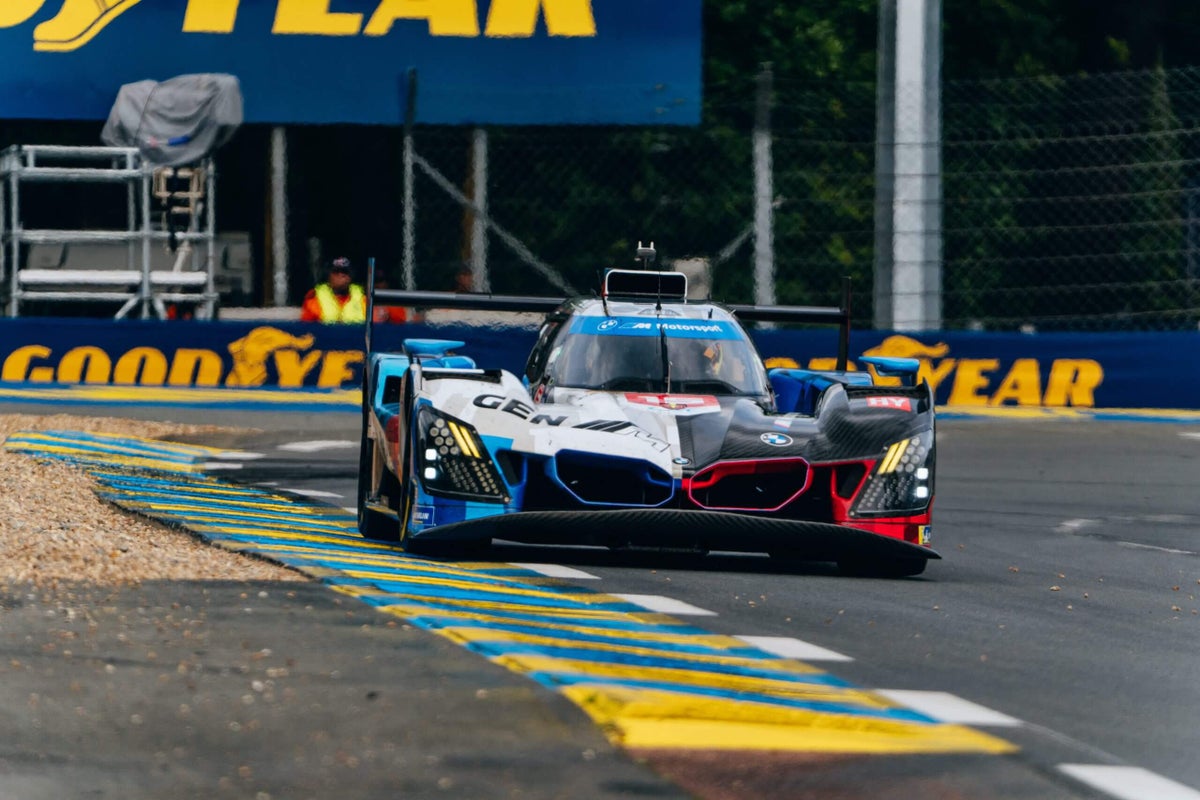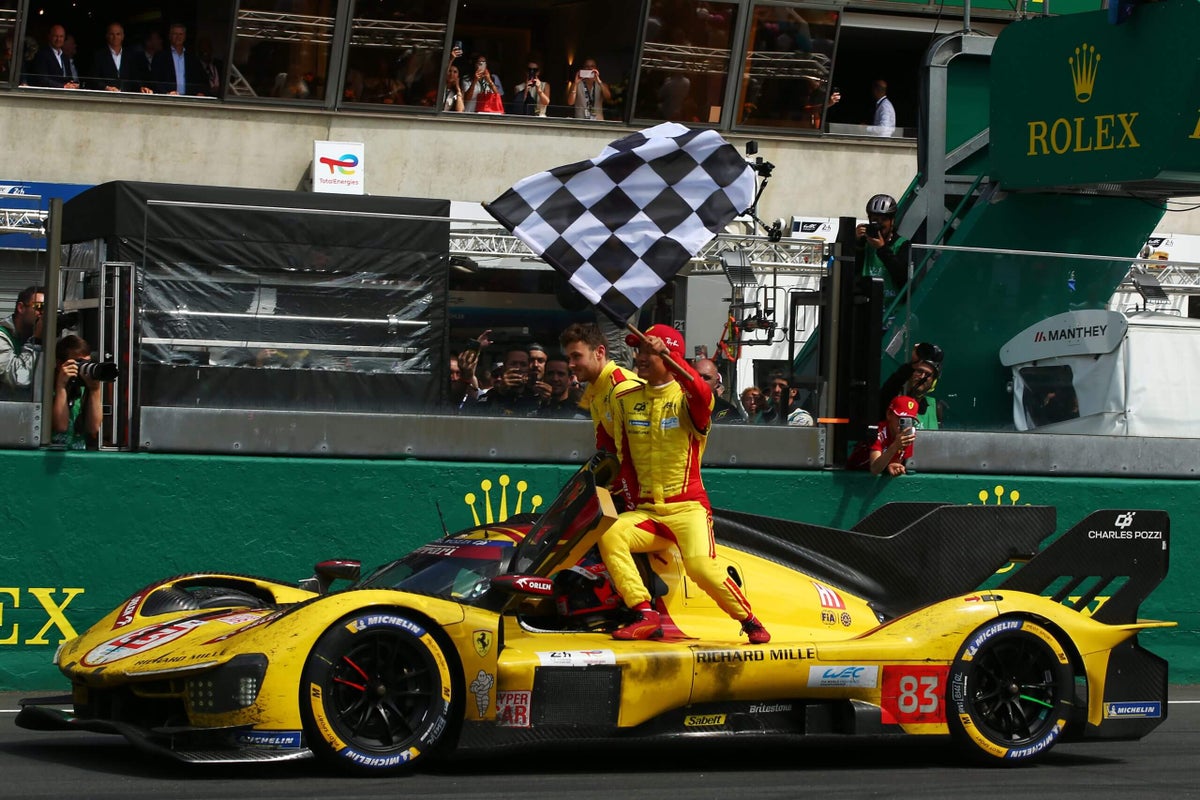
The world of endurance racing is completely different from anything else in sport. And there is arguably no more challenging race than the 24 Hours of Le Mans.Part of motorsport’s Triple Crown, alongside Formula 1’s Monaco Grand Prix and the Indianapolis 500, Le Mans is the only 24-hour race on the World Endurance Championship (WEC) calendar and the one everyone wants to win the most.Sure, at the end of the day — no pun intended — it is about being as fast as possible. But no other discipline, in motorsport or otherwise, is so deliberately designed to push the limits of machinery and the human body, mind and spirit. More than anything, it is about survival.“Le Mans always feels different to other races,” Cadillac LMDh Chief Engineer Jeromy Moore told The Athletic. “It’s a big lead up to start with. You’re there for a long time. There’s sessions all the way through the night.“I’m sure they set up the sessions and the timings purposely there to challenge everyone, to put them through this grueling event, to really test them if they’re strong enough to last the 24 Hours of Le Mans.”Moore won Le Mans as a race engineer with Porsche in 2016 (Cadillac)Located at the Circuit de la Sarthe in northwestern France, Le Mans is the third event on this year’s WEC calendar after the 6 Hours of Imola and the 6 Hours of Spa-Francorchamps. In the series’ premier Hypercar category, the races were won by Toyota and BMW respectively.Practice and qualifying sessions are scheduled throughout the afternoon, evening and night, beginning three days before the race itself, which always commences at 4 p.m. local time on a Saturday. According to Moore, you can be awake for around 40 hours during the event.Ferrari driver James Calado, 2023 Le Mans winner and 2025 WEC Hypercar champion, called it the 200 hours of Le Mans because preparation begins a week before the race.The punishing nature of the race does not deter those at the top of motorsport. Twenty-two F1 world champions have competed at Le Mans, including Juan Manuel Fangio, Mario Andretti, Jack Brabham, Nigel Mansell, Michael Schumacher and Fernando Alonso. Max Verstappen could be next.So how does endurance racing over 24 hours compare to other series, where it’s all about pure speed and overtaking?F1 fans should expect a vastly different spectacle. F1 races are capped at two hours, for example, while the shortest race on the WEC calendar takes place over six hours.Rather than battling to cross the finish line first as in F1 or IndyCar, teams in WEC are aiming to cover the furthest distance in the allotted time. At Le Mans, they’ve got a complete rotation of the Earth to cover as much ground as possible.Three drivers per car share responsibility for the race, with driver changes occurring at pit stops.Moore is heading into Le Mans with Cadillac for the first time, with Jack Aitken, Earl Bamber, and Sébastien Bourdais, and Alex Lynn, Norman Nato and Will Stevens competing in the Hypercar category under the Cadillac Hertz Team JOTA banner.“Sprint racing, it’s just focusing on maximum performance from the get-go,” Moore said. “The drivers and the engineers are looking to make the car as fast as possible.“Being 24 hours, really what matters is to have the pace right at the end of the race. Making sure the car is intact as it can be. You can really go too hard too early in the races and damage the car and then it’s really gonna be limited on performance throughout the rest of the race. So it’s about managing the pace, managing the drivers not being too aggressive. You can easily lose the race on the first lap or the first couple of hours, you can’t really win it.”Kevin Magnussen, driving for BMW, says racing in the 24 Hour of Le Mans is a full team effort. (Getty Images)Former F1 driver Kevin Magnussen will be in the No 15 BMW at this year’s race and noted several key differences in endurance racing.“You think much more long term in endurance racing. You’re sharing the car with two other drivers at Le Mans for the 24-hour race,” Magnussen told The Athletic last month.“In Formula 1, you’re just on your own. You’re responsible. No one else can affect your driving. … Also, how you work with the team is very different in that regard.“If you’re just alone, you have all the resources from the team for yourself, and you’re making all of the decisions. All the analysis is done on your driving. When you’re sharing the car the team is looking at not only you but everyone else.”Sleep becomes a precious commodity during a 24-hour race. Everything that the human body and brain knows about sleep and switching off has to be reprogrammed.Moore said that the goal is to maximize sleep up until the start of the race. It’s like scrambling to charge your phone battery as much as possible before heading out for the evening, only in this case, you’d then have to use your mobile for 24 consecutive hours.“The most difficult hours are generally around from 3 a.m. on Sunday to when the sun comes up and just after,” said Moore. “Your body doesn’t know what it should be doing. It knows it’s tired and it knows you should’ve slept by now, but when the sun comes up, and it hasn’t, it’s just tough. That’s definitely the hardest part of the race.”Beds are available to drivers in motorhomes near the garages, giving them the opportunity to take shifts sleeping. Antonio Giovinazzi, who had a three-year F1 stint with Alfa Romeo between 2019 and 2021, said that he prepared by taking “micro-naps” leading up to the race and listened to the sound of the Tibetan flute to help him fall asleep as fast as possible.
How preparing for the 24 Hours of Le Mans is unlike anything else in sports
The iconic and grueling 24 Hours of Le Mans is the most challenging race in motorsports. It's also the race everyone wants most to win.
1,439 words~7 min read