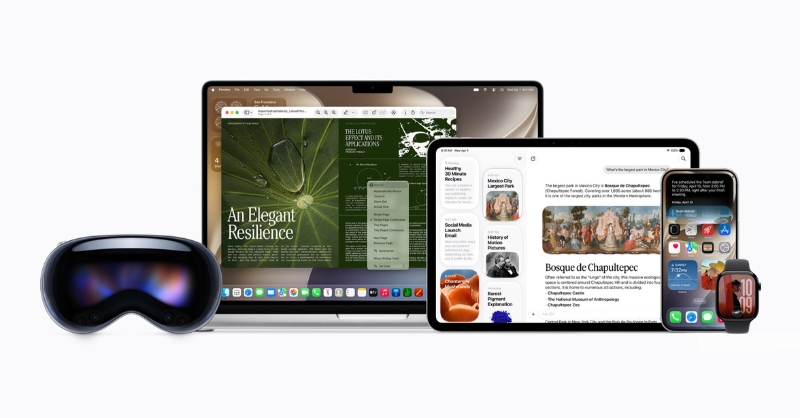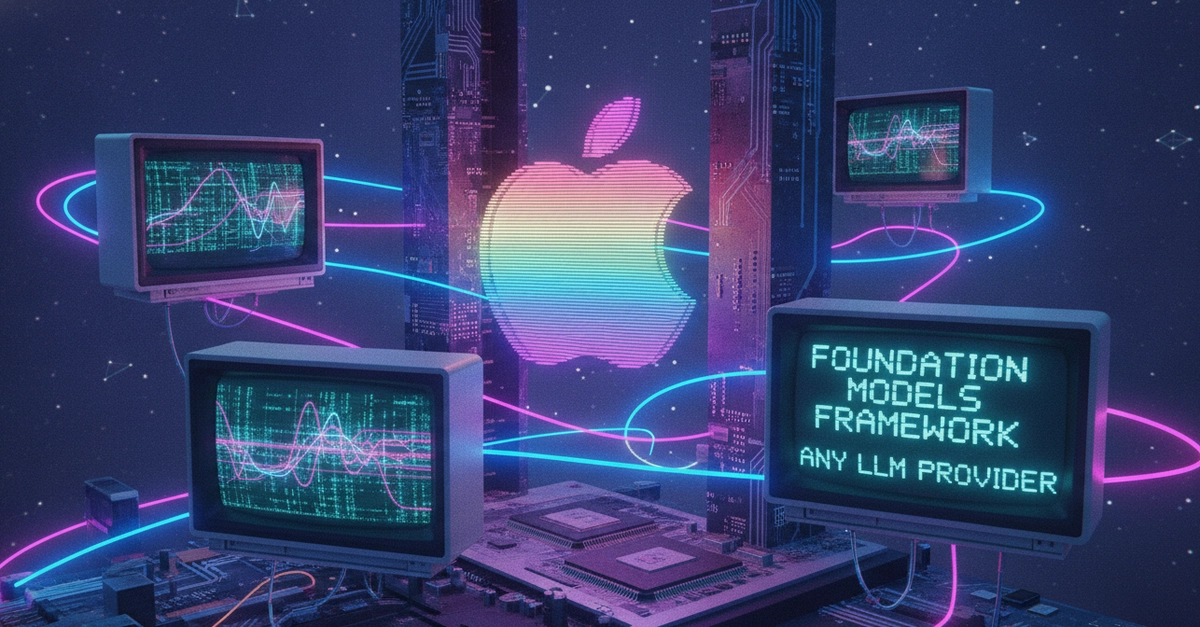
Until WWDC 2026, the Foundation Models framework had one rule: Apple's on-device model or nothing. That rule is gone.
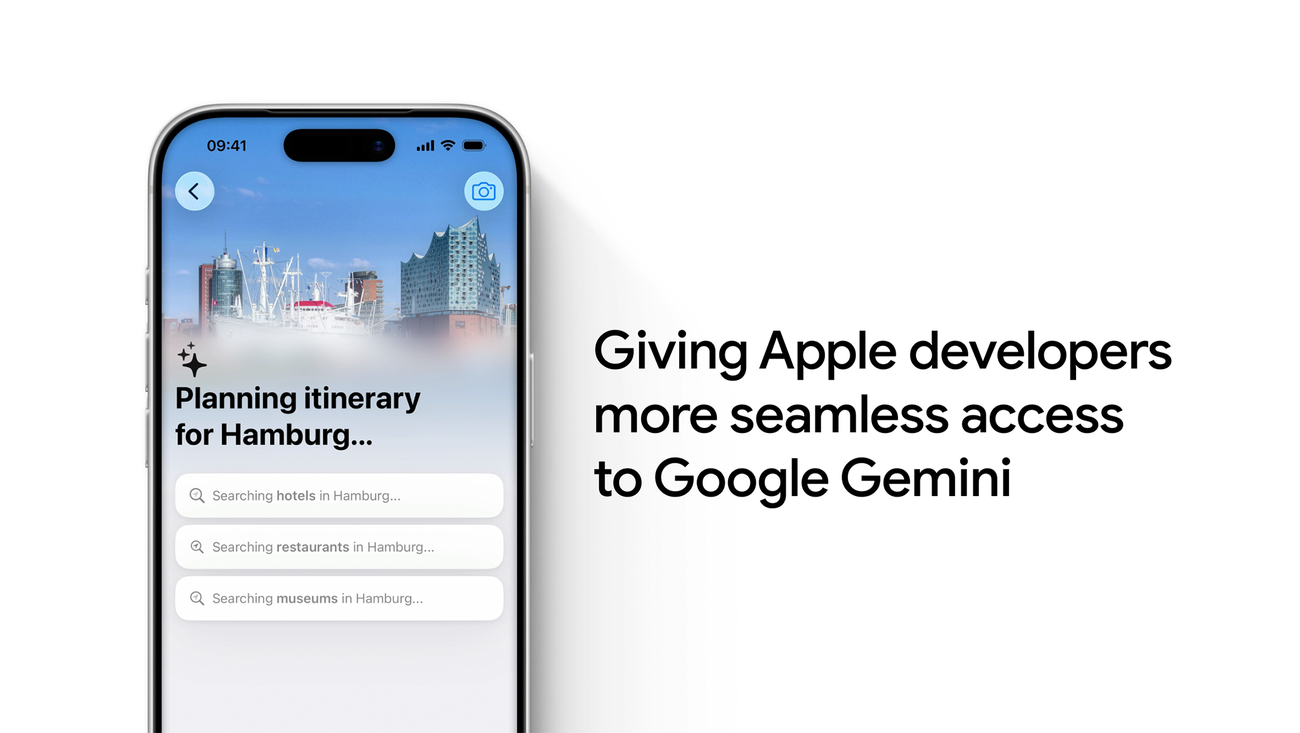
Session 339 introduces a public protocol layer that any LLM — a cloud API, an open-source local model, a fine-tune you host yourself — can implement. Once a provider ships a conforming Swift package, your existing LanguageModelSession code works with it unchanged. No rewrites. No new session abstractions. One line swap.
This article is not a transcript summary. It explains the decisions you now have to make as a developer building on Foundation Models in iOS 27 / macOS 27.
The Situation Before This
The Foundation Models framework launched in iOS 26 and was genuinely useful: free, private, offline, no API key, structured output via @Generable. But it had a hard ceiling. The on-device model is about 3B parameters, not designed for general world knowledge, and has no long-context mode worth speaking of. If your feature needed anything beyond what that model handled, you were stitching together a completely separate SDK — URLSession calls, your own message history management, your own error handling, duplicated everything.