From a single on-device model to a hybrid, multimodal, agentic AI platform — and it's going open source
When Apple shipped the Foundation Models framework at WWDC 2025, the pitch was tidy: a Swift API onto the ~3B-parameter model that powers Apple Intelligence, running on-device, no API key, no network round-trip, no per-token cost. Great for privacy-sensitive, offline-friendly work — and deliberately narrow.
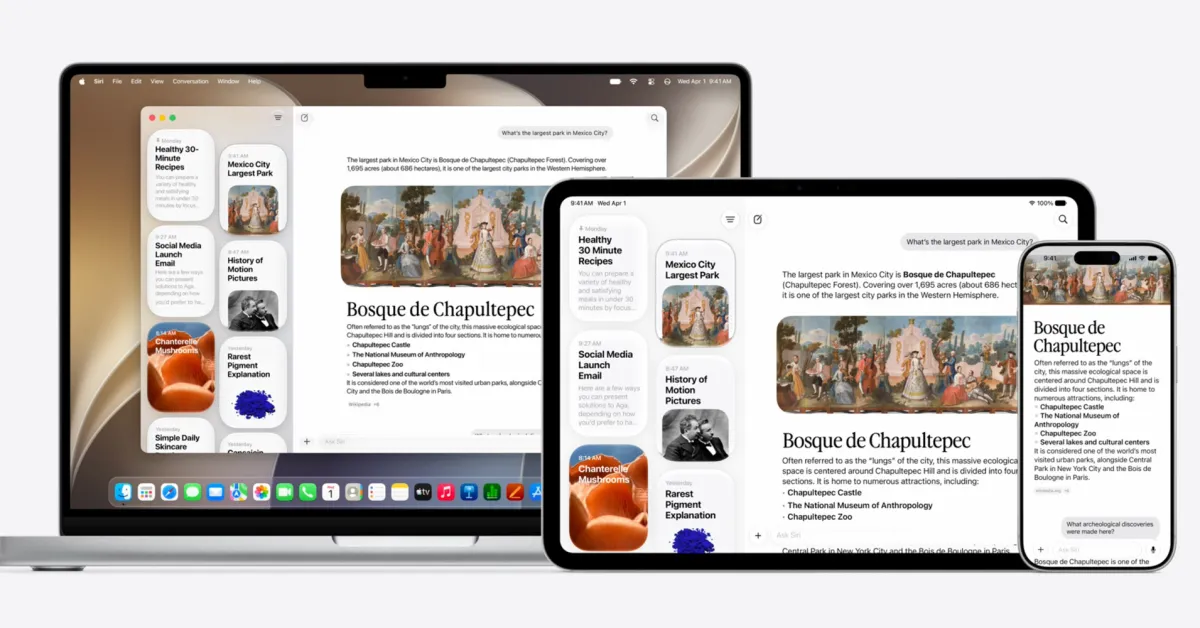
WWDC 2026 blows that scope wide open. The framework is no longer "the on-device model with a nice Swift wrapper." It's now a hybrid platform that spans on-device inference, Apple's own server models on Private Cloud Compute, and third-party frontier models like Claude and Gemini — all behind one session API. It gained vision. It gained agentic primitives. It got a Python SDK, a CLI, an evaluations framework, and it's going open source this summer, including on Linux.
This is a tour of what changed, with the Swift that matters.
The on-device model got rebuilt