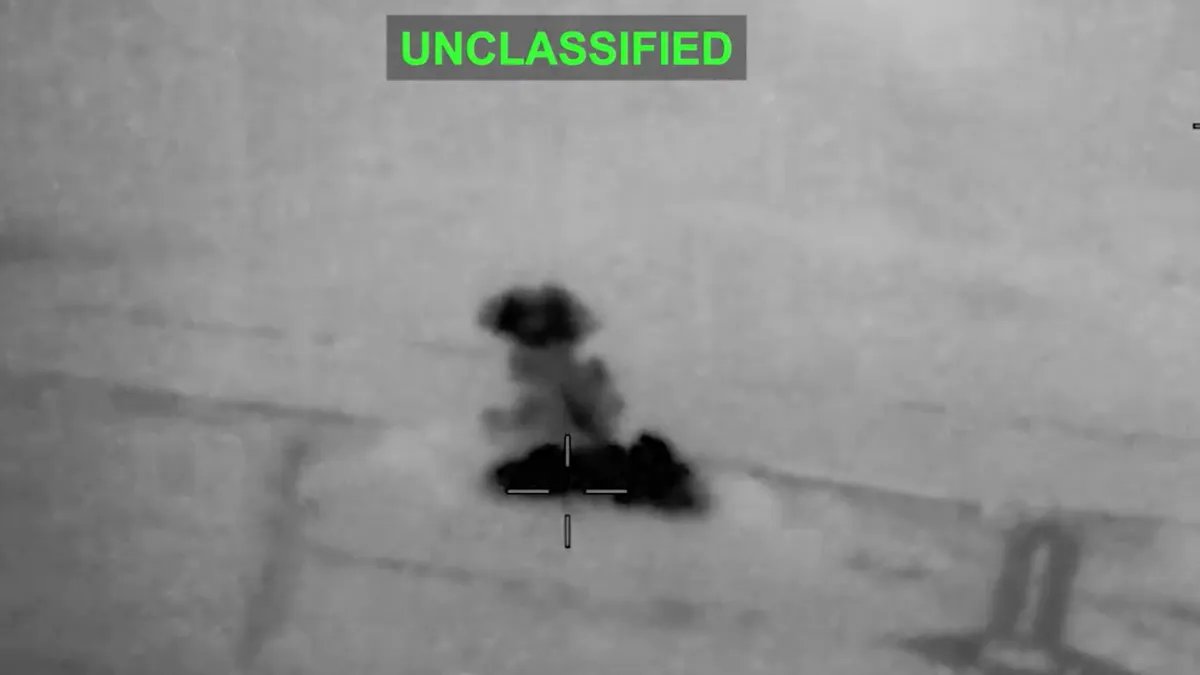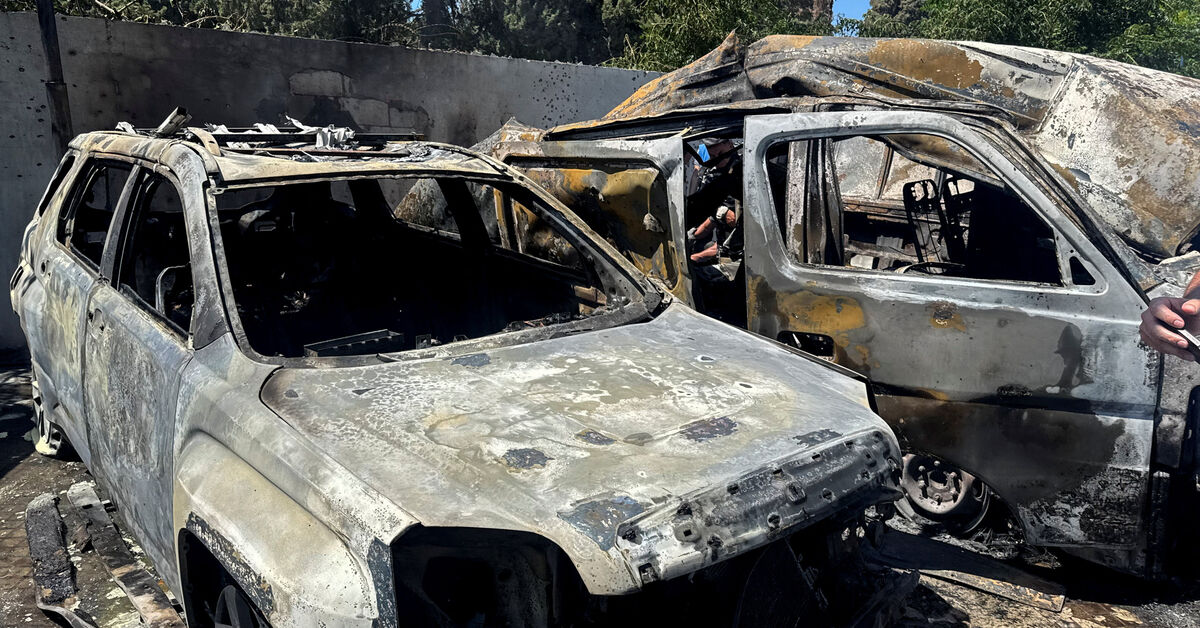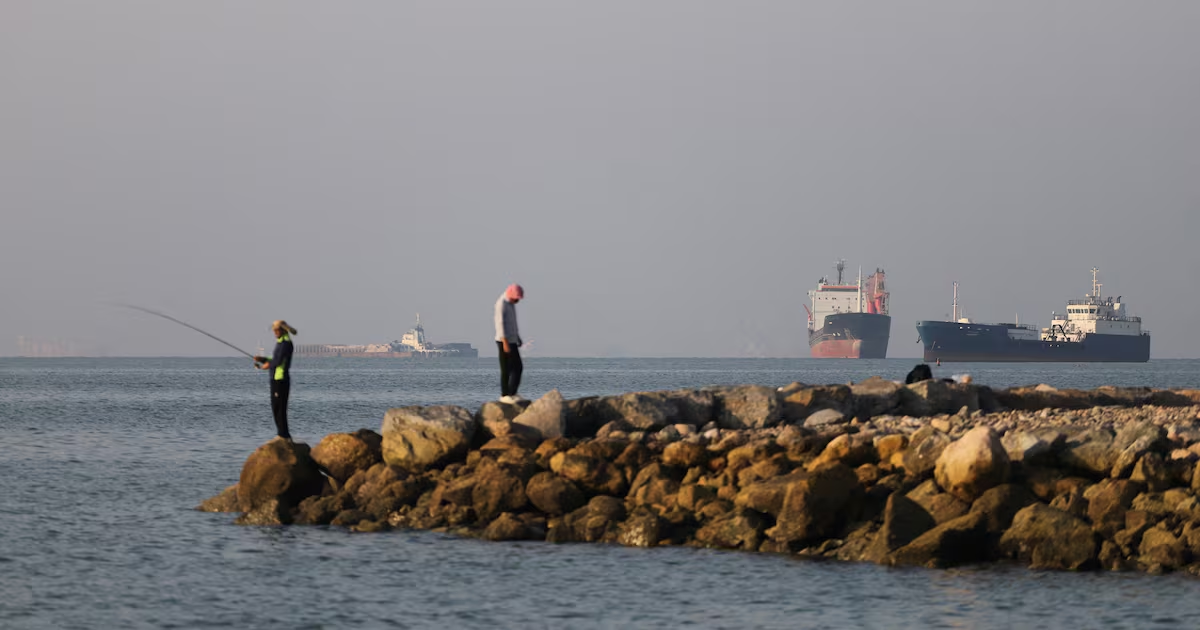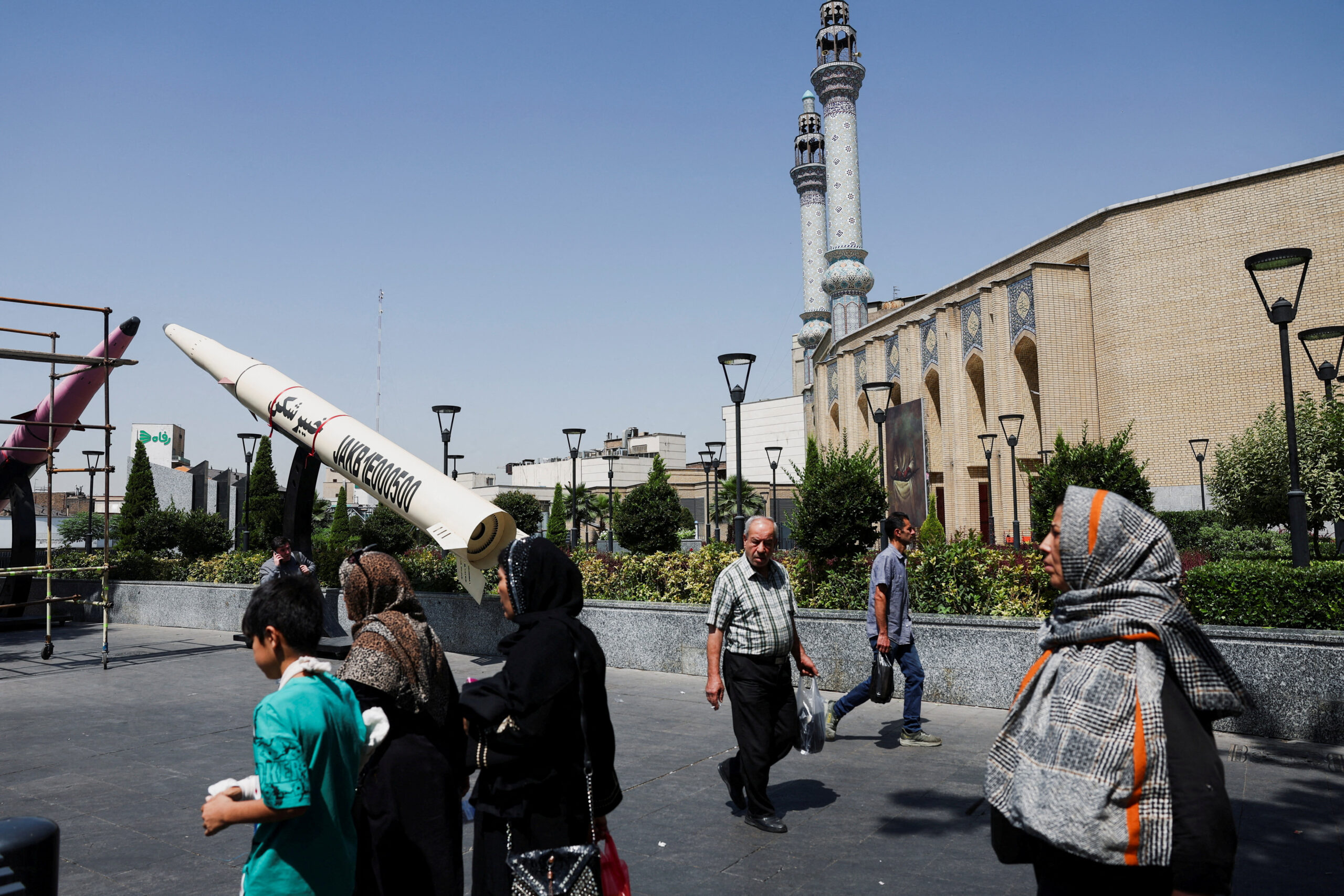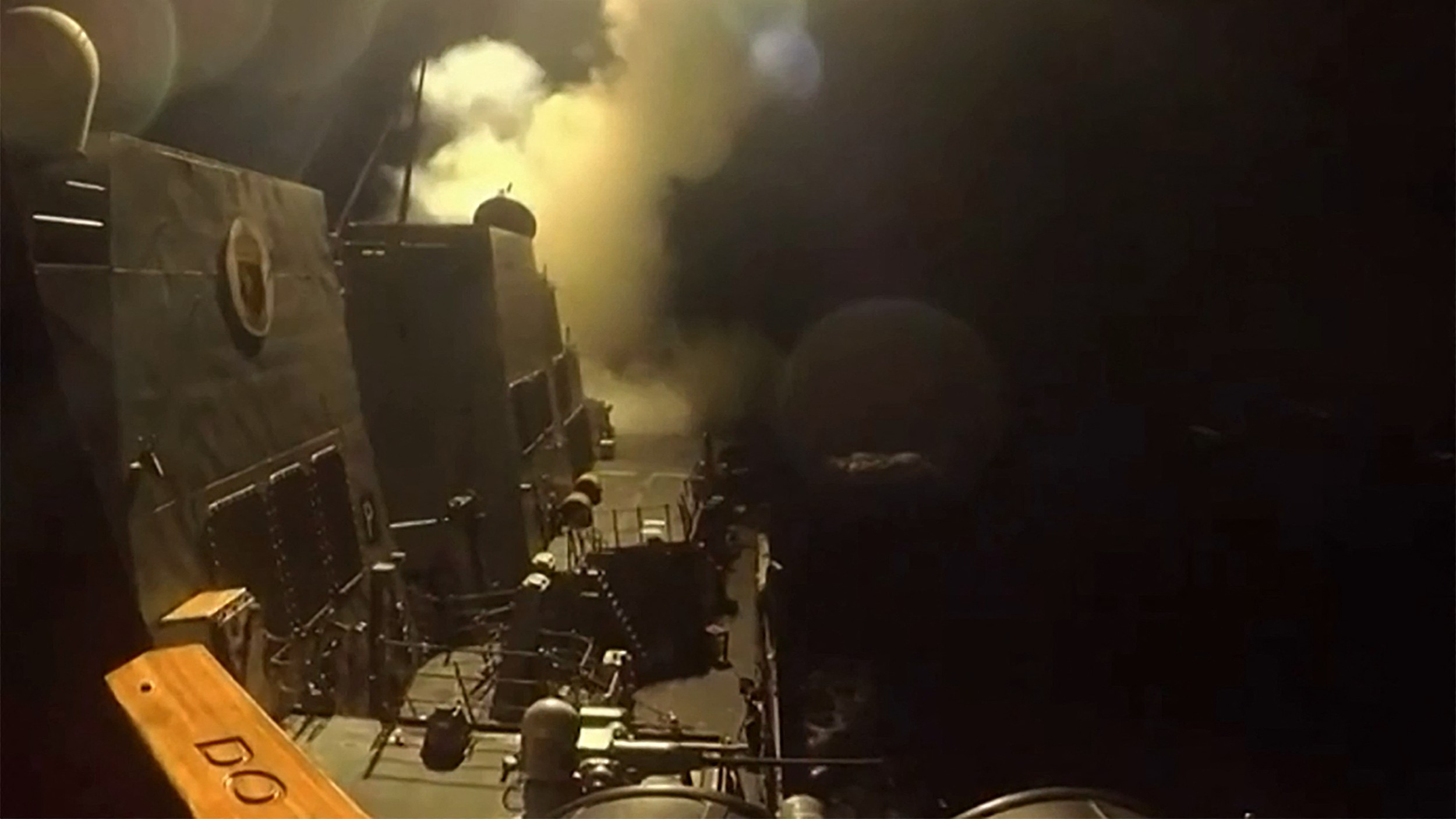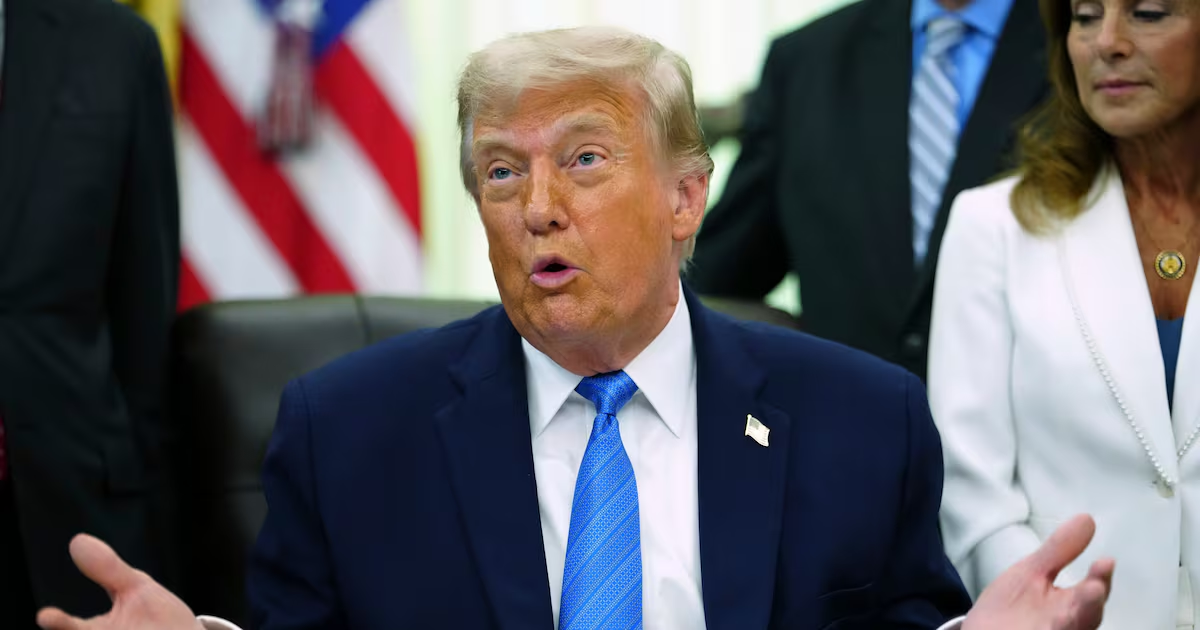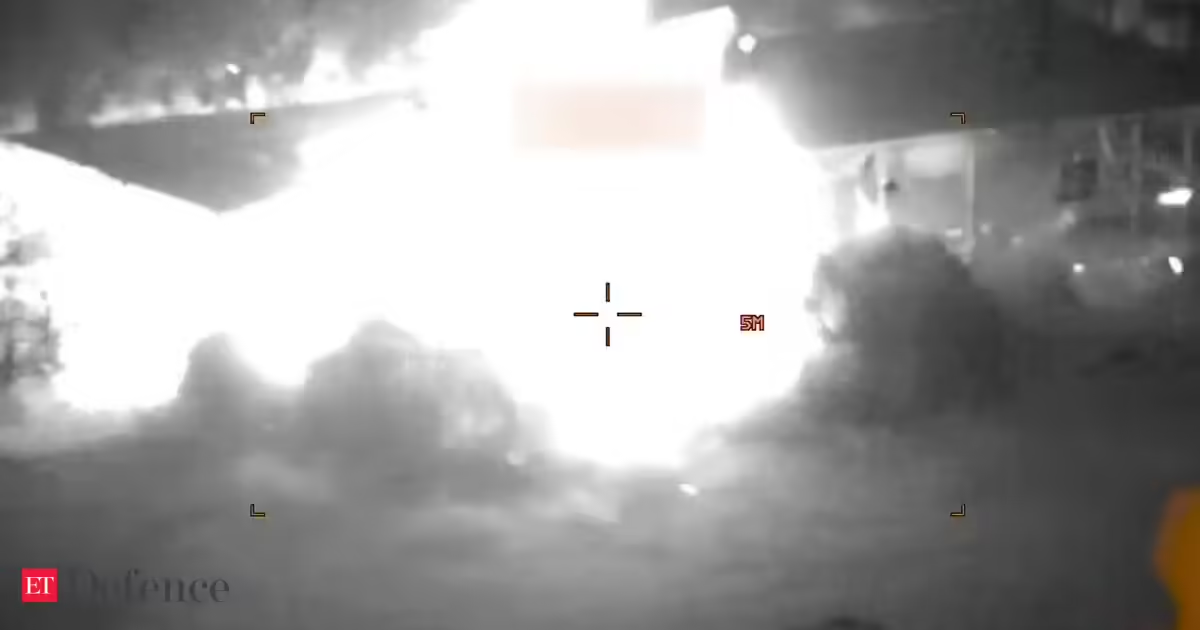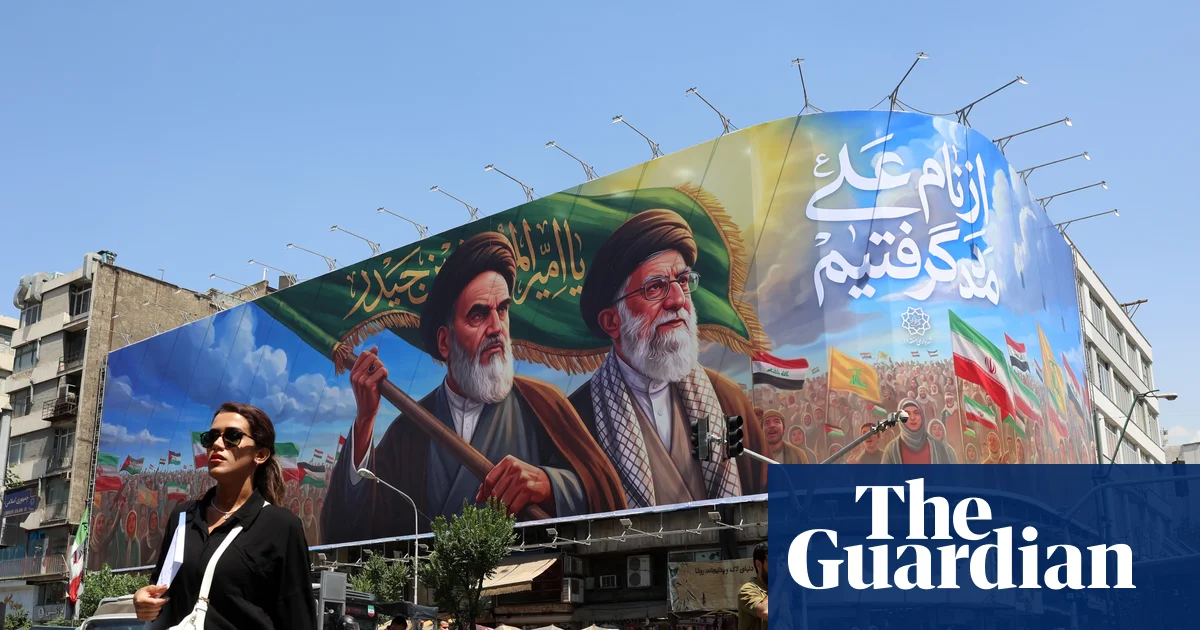
The US has launched a wave of strikes across southern Iran for a second consecutive day. Although there have been several breaches since a ceasefire was agreed between the two sides in April, the attacks this week – launched after the downing of a US helicopter over the strait of Hormuz – represent the most serious and extensive breakdown of the truce to date.The US president, Donald Trump, has raised the prospect of further attacks on the country, while his defence secretary, Pete Hegseth, has told reporters if strikes “have to happen [Friday] night, they will be strong and they will be clear”.1. Is the ceasefire over?US officials have sought to play down the significance of the attacks in a series of media briefings this week, while claiming that the ceasefire remains in place and that wider negotiations with Iran have not been affected.The Wall Street Journal reported that, after authorising the latest attacks, Trump instructed aides to deliver a message to Iran via Qatar that the strikes did not signal a “restart of all-out war” and were solely a response to the helicopter downing.“Nothing changes where the deal stands right now,” another White House official told Politico. “There’s a military bucket and then there’s a negotiation bucket … so, two things can happen at the same time.”Brett McGurk, who held senior national security positions in the Obama, Trump and Biden administrations, noted that the US had clearly telegraphed to Iran that another attack was coming on Thursday.“What they’re trying to do is manage that escalation … to say to Iran: ‘We’re going to respond, this is coming, but this is not a restart of the campaign we started in February’,” he said.For weeks, Trump has claimed that a deal to bring a permanent end to the conflict is close and that he has gone out of his way to avoid a return to all-out war. But the president is grappling with plummeting approval ratings, as the conflict has proved deeply unpopular at home.Israeli settlers look at a fallen rocket in the West Bank city of Jericho. Photograph: Ilia Yefimovich/AFP/Getty ImagesMeanwhile, despite claiming on Wednesday to “love” inflation, a third consecutive monthly rise in prices is weighing on Trump and his Republican party in the run-up to the midterm elections.Yet despite repeated claims that a deal with Iran is imminent, significant differences remain between the two sides. Restrictions on Tehran’s nuclear programme, the unfreezing of Iranian assets and Israel’s continued war in Lebanon remain substantial obstacles to an agreement.2. What is the US hoping to achieve with this latest round of strikes?With the White House and Pentagon signalling that the US is not seeking a return to all-out war, Hegseth offered some clues to strategy.The renewed strikes were not happening “because we want to restart anything”, the defence secretary said, but because the US “is prepared to set the terms to ensure that we get the kind of deal President Trump expects. If we need to negotiate with bombs, we will negotiate with bombs.”Trump and Hegseth last month. Photograph: Samuel Corum/CNP/ShutterstockMeanwhile, a US official told the Wall Street Journal the “military pressure would only increase until Iran ceded to the president’s terms”.The view that US attacks this week were designed to further press Iran to cede to Trump’s terms was reflected in reporting from Axios, which said the US president had discussed with his national security team an operation that would be “big in scale but short in duration”, intended to push Iran towards changing its negotiation position.But “coercive diplomacy” is not the only reason for the escalating attacks, according to Hamidreza Azizi, a visiting fellow at the German Institute for International and Security Affairs. The choice of targets – including air-defence systems, command-and-control centres and radar systems – suggest the Trump administration wants to weaken Iran’s ability to target shipping in the strait of Hormuz and “signal at the highest political level that the security situation around the strait is improving, thereby reassuring shipping companies”.Taken together, the attacks can be seen as an attempt to erode Iran’s leverage over the strait of Hormuz, Azizi said.3. Will further pressure bring Iran to the negotiating table?Iran’s ambassador to the UN, Amir Saeid Iravani, said on Wednesday that “no sustainable deal can be reached through terrorists, intimidation, or the use of force. Iran has never negotiated under threats and pressure and will never submit to pressure or question,” adding that the US has repeatedly pursued such a policy and should have learned by now “that threats and military intimidation are counterproductive”.Throughout the war, Iran’s leadership has remained unwilling to bend to US terms,despite widespread attacks and economic devastation.According to the Atlantic, at least 1 million Iranian jobs have been lost since the war began, while almost 300,000 people have signed up for unemployment insurance. Inflation is approaching 85%, although the rate is considerably higher for food products.A banner depicting Iranian missiles in Tehran. Photograph: Atta Kenare/AFP/Getty ImagesDespite all this, continued US military strikes were unlikely to shift Iran from its current position, said Danny Citrinowicz, the former head of the Iran branch of Israeli military intelligence.“No military operation, whether limited or extensive, short or prolonged, is likely to compel Iran to accept a deal in the US terms,” said Citrinowicz, now a non-resident fellow at the Atlantic Council. “More likely, an Iranian response would push the parties even further away from diplomacy.”Inside Iran, there are also warnings that the US decision to target radar sites and command centres may be part of a “broader pattern of preparations for a new large-scale war” coordinated with Israel, Azizi said.Such warnings are likely to strengthen the hand of the minority of senior officials in Tehran who favour abandoning peace talks.“The current situation is the direct result of profound mistrust on both sides,” said Citrinowicz, who suggested Iran and the US were beginning to accept the status quo looked unsustainable.“If President Trump genuinely wants a deal, he will have to engage with at least some of Iran’s core demands. If he is unwilling to do so, then he should be prepared for a prolonged confrontation rather than a negotiated settlement,” he said.
Is the Iran ceasefire over? What the latest US attacks tell us
A wave of US strikes represent the gravest test yet of the fragile truce. Here’s what happened, what officials are saying and whether the deal can survive
1,026 words~5 min read